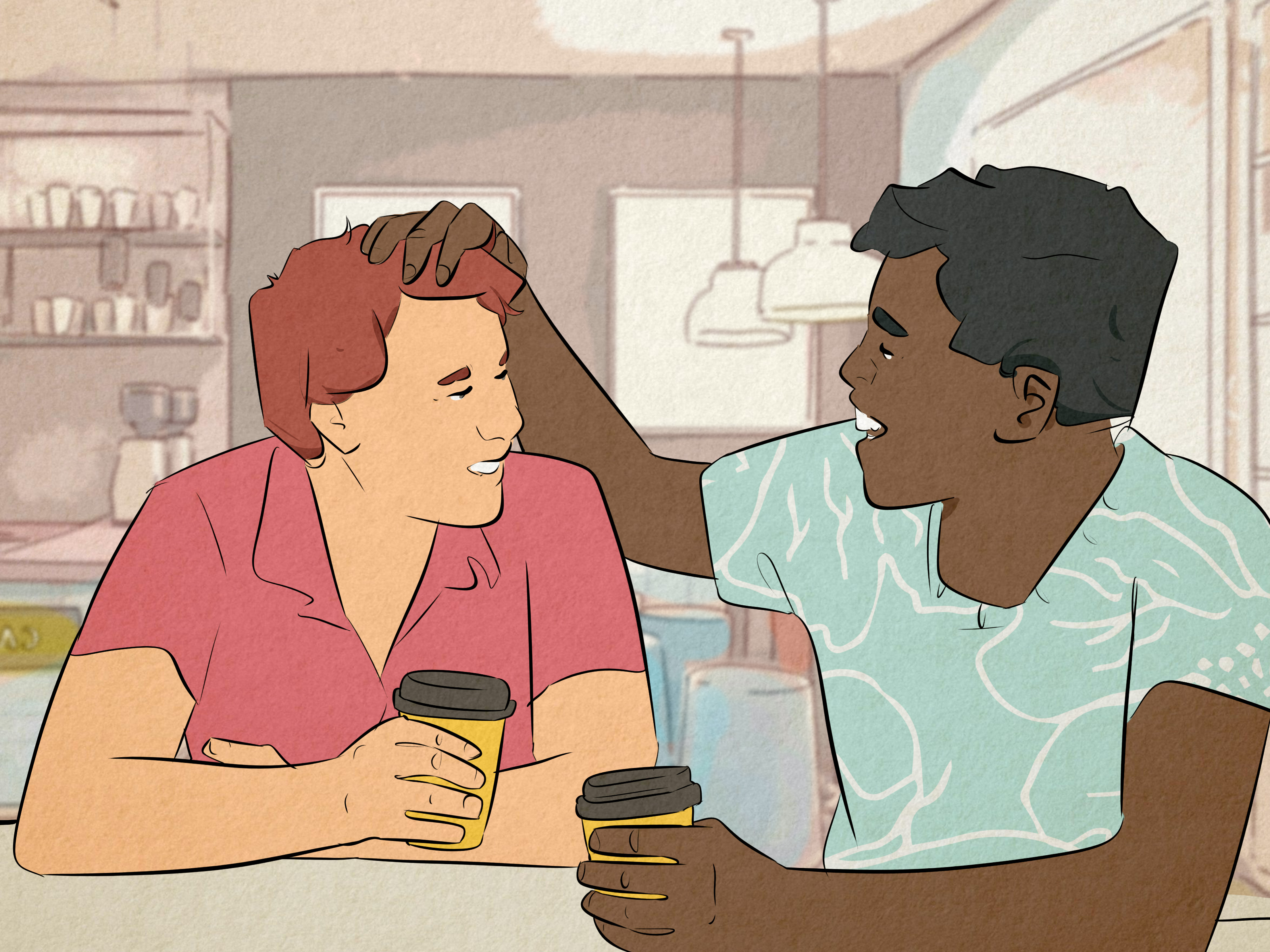
Asking for forgiveness is one of those life skills everyone needs but nobody really gets a proper class on. We learn algebra, state capitals, and how mitochondria are supposedly the powerhouse of the cell, but when we hurt someone’s feelings, most of us suddenly become emotional raccoons in a trash can: startled, defensive, and not sure where to put our hands.
The good news is that asking for forgiveness does not require dramatic speeches, violins, or a handwritten scroll delivered by a dove. It requires honesty, humility, empathy, and a willingness to repair what you can. A sincere apology is not a magic button that instantly resets a relationship, but it can open the door to healing. The other person may or may not walk through that door right away, and that is their choice. Your job is to show up responsibly, not to force forgiveness like you are trying to close a stubborn suitcase.
In this guide, we will break down 3 ways to ask for forgiveness in a practical, human, and emotionally intelligent way. Whether you upset a friend, disappointed a partner, snapped at a family member, or made a mistake at work, these steps can help you move from “Oops, please don’t hate me forever” to a thoughtful conversation that actually has a chance of repairing trust.
Why Asking for Forgiveness Matters
Forgiveness is often misunderstood. It does not mean pretending nothing happened. It does not mean the hurt person must immediately trust you again. It does not mean you get to skip consequences because you said “my bad” with a sad face.
Asking for forgiveness is about taking responsibility for harm and inviting repair. It says, “I recognize that my actions affected you, and I care enough to make it right.” That matters because relationships are built on trust, and trust is not made from grand promises alone. It is built from repeated evidence that a person can be honest, accountable, and safe to be around.
A thoughtful apology can reduce conflict, show respect for the other person’s feelings, and create space for a healthier conversation. But here is the catch: the words must match the behavior. An apology without change is basically a coupon for future disappointment. Nobody wants that in their emotional wallet.
1. Take Full Responsibility Without the “But”
The first way to ask for forgiveness is to own what you did clearly and directly. This is the foundation of any sincere apology. Without responsibility, your apology becomes a fog machine: lots of dramatic atmosphere, very little visibility.
Many weak apologies fail because they quietly smuggle in excuses. You may have heard classics like:
- “I’m sorry you felt that way.”
- “I’m sorry, but I was stressed.”
- “I apologize if anyone was offended.”
- “I said I was sorry, so can we move on already?”
These statements may sound like apologies, but they often avoid responsibility. “I’m sorry you felt that way” puts the focus on the other person’s reaction instead of your behavior. “I’m sorry, but…” starts with regret and then immediately takes a sharp left turn into self-defense. A sincere apology does not need a legal department.
What responsibility sounds like
Try using clear, specific language:
“I’m sorry I interrupted you during the meeting. That was disrespectful, and I can see how it made you feel dismissed.”
“I apologize for sharing something private. You trusted me, and I broke that trust.”
“I was wrong to raise my voice. You did not deserve to be spoken to that way.”
Notice the difference. These apologies do not dodge, duck, or hide behind vague language. They name the action, acknowledge the harm, and avoid turning the apology into a debate.
Why specificity matters
Specific apologies show that you understand what happened. If you simply say, “Sorry for everything,” the other person may wonder whether you actually know what you did or whether you are just trying to escape the discomfort. Specificity says, “I have thought about this. I am not throwing a blanket over the mess and hoping no one notices the broken lamp underneath.”
Taking responsibility also helps reduce defensiveness in the other person. When someone has been hurt, they often need to know that you are not going to argue them out of their feelings. A clear apology gives them room to breathe. It tells them they do not have to fight you just to get basic acknowledgment.
2. Show That You Understand the Impact
The second way to ask for forgiveness is to show empathy. This means making a real effort to understand how your actions affected the other person. It is not enough to feel bad about getting caught or to feel uncomfortable because there is tension. The focus should be on the person who was hurt.
Empathy turns an apology from a performance into a connection. It answers the question the hurt person may be silently asking: “Do you actually understand what this did to me?”
Listen before you explain
One of the most powerful things you can do is listen. Not listen while mentally preparing your defense. Not listen with the facial expression of a customer service chatbot. Really listen.
You might say:
“I want to understand how this affected you. I’m going to listen without interrupting.”
“Can you tell me what hurt the most about what happened?”
“I realize I may not fully understand the impact yet, but I want to.”
Then do the brave thing: be quiet. Let them speak. This can be uncomfortable, especially if what they say makes you feel ashamed or defensive. But discomfort is not danger. Sometimes it is simply your ego sweating.
Validate their feelings
Validation does not mean you agree with every detail of their interpretation. It means you recognize that their feelings make sense from their perspective. For example:
“I understand why you felt embarrassed when I made that joke in front of everyone.”
“It makes sense that you would feel betrayed. I was not honest with you.”
“I can see why that made you feel unimportant.”
These statements are simple, but they are powerful. They tell the other person, “Your experience is real to me.” Many conflicts grow worse not only because of the original mistake, but because the hurt person feels dismissed afterward. A poor response can turn a small fire into a full emotional barbecue.
Avoid making yourself the main character
When asking for forgiveness, it is natural to feel guilty. But guilt can accidentally hijack the conversation. If you say, “I’m such a terrible person,” the other person may suddenly feel pressured to comfort you. That flips the apology upside down. Now they are hurt, and somehow they have to reassure you. That is not repair; that is emotional furniture rearranging.
Instead of collapsing into shame, stay grounded:
“I feel awful about what I did, but I know this conversation is not about making you take care of my feelings. I want to focus on what you need.”
That kind of maturity is refreshing. It is also rare enough that people may briefly wonder whether you have been replaced by a wiser clone.
3. Offer Repair and Respect Their Timeline
The third way to ask for forgiveness is to offer meaningful repair. A real apology looks backward and forward. Looking backward means acknowledging the harm. Looking forward means explaining what you will do differently.
Forgiveness cannot be demanded, rushed, or negotiated like a phone bill. You can ask for forgiveness, but the other person gets to decide whether they are ready. Your responsibility is to make repair possible, not to control the outcome.
Ask what repair would look like
Sometimes you may know exactly what needs to happen. If you broke something, replace it. If you missed a deadline, finish the work and communicate better next time. If you shared private information, stop sharing it and rebuild confidentiality through consistent action.
Other times, the repair is less obvious. Ask:
“What would help you feel respected moving forward?”
“Is there anything I can do to begin repairing this?”
“What do you need from me right now: space, answers, changed behavior, or something else?”
These questions show humility. They also prevent you from offering a repair that is convenient for you but useless to them. Bringing someone a cupcake is lovely, but if what they need is honesty, the frosting is not going to carry the relationship on its tiny sugary back.
Make a realistic change plan
Vague promises are easy. Real change is specific. Compare these two statements:
Weak: “I’ll be better.”
Stronger: “I’m going to stop making jokes about that topic. If I’m unsure whether something is okay to say, I’ll ask privately instead of guessing in front of others.”
The stronger version explains what will change and how. That matters because trust grows when people see consistent behavior over time. You do not rebuild trust by announcing, “Trust me again!” That is like yelling “Grow!” at a houseplant. Helpful? Not really. Slightly concerning? Yes.
Give them room to respond honestly
After you apologize and ask for forgiveness, the other person may forgive you quickly. They may need time. They may accept your apology but still want distance. They may not be ready to forgive at all.
Respect that. A sincere apology should not come with a hidden invoice that says, “Payment due immediately in the form of forgiveness.”
You can say:
“I hope you can forgive me, but I understand if you need time.”
“I care about repairing this, and I will respect your space.”
“You do not have to respond right now. I wanted to take responsibility and let you know I am committed to doing better.”
This approach shows emotional maturity. It also makes your apology feel safer because the other person does not have to defend their pace of healing.
Common Mistakes to Avoid When Asking for Forgiveness
Even well-meaning people can accidentally sabotage an apology. Here are a few mistakes to avoid if you want your words to land well.
Do not apologize only to end the conversation
If your apology is just a shortcut to stop the other person from being upset, they will probably feel it. People can sense when an apology is less “I care about your pain” and more “Can we please exit this emotional courtroom?” Slow down. The goal is repair, not escape.
Do not keep repeating the apology without changing
Repeating “I’m sorry” while continuing the same behavior weakens trust. Eventually, the apology becomes background noise, like a car alarm everyone ignores. If you keep hurting someone in the same way, focus less on finding better words and more on changing the pattern.
Do not demand equal blame
Sometimes both people contributed to a conflict. Even then, your apology should focus on your part. You can discuss the larger issue later, but do not use your apology as a courtroom exhibit titled “Reasons You Were Also Annoying.” Own your behavior first.
Do not confuse forgiveness with immediate reconciliation
Someone may forgive you and still need boundaries. They may release anger but choose not to return to the same level of closeness. Forgiveness, trust, and reconciliation are related, but they are not identical triplets wearing matching sweaters.
Examples of How to Ask for Forgiveness
Example for a friend
“I’m sorry I canceled on you at the last minute and did not communicate clearly. I know you made time for me, and I treated that casually. I understand why you felt disappointed. I’ll be more honest about my schedule moving forward, and I hope you can forgive me.”
Example for a partner
“I’m sorry I shut down instead of talking to you. That made you feel alone in the relationship, and I can see how hurtful that was. I want to work on communicating when I’m overwhelmed instead of disappearing emotionally. I hope we can rebuild trust, but I understand if it takes time.”
Example for a coworker
“I apologize for taking credit for the idea during the meeting. That was unfair. You contributed the original concept, and I should have acknowledged that. I’m going to correct it with the team and make sure your work is recognized.”
Example for a family member
“I’m sorry I dismissed your opinion. I acted like my way was the only reasonable option, and that was hurtful. I want to listen better instead of jumping in with judgment. Please forgive me, and please tell me how I can do better next time.”
Experience Section: Real-Life Lessons About Asking for Forgiveness
One of the biggest lessons people learn about asking for forgiveness is that timing matters, but readiness matters more. It is usually better to apologize sooner rather than later, but not so quickly that you have not thought about what actually happened. A rushed apology can sound like you are trying to slap a tiny bandage on a broken bridge. Before speaking, take a moment to ask yourself: What did I do? How did it affect the other person? What am I willing to change?
In everyday life, many apologies happen in ordinary places: kitchens, cars, school hallways, office chats, text messages, and awkward family dinners where someone is pretending the mashed potatoes are more interesting than the tension. The setting may be ordinary, but the emotional stakes can be high. A friend may remember not only what you did, but how you responded after they told you they were hurt.
From experience, the best apologies are rarely the longest. A sincere, clear apology often works better than a five-paragraph speech with dramatic footnotes. People do not need a documentary about your intentions. They need to know you understand the impact. For example, saying, “I was trying to be funny” may be true, but it does not heal the embarrassment someone felt when the joke landed badly. A better approach is, “I meant it as a joke, but I see that it embarrassed you. I’m sorry I put you in that position.” That sentence does not deny your intention, but it also does not use intention as a shield.
Another real-life lesson is that changed behavior is louder than the apology itself. If you apologize for being late and then continue arriving late with the confidence of a celebrity making an entrance, the apology loses value. But if you start planning better, sending updates, and respecting the other person’s time, the apology becomes believable. Consistency is not glamorous, but it is incredibly persuasive.
It is also important to accept that some people need time. This can be hard when you feel guilty and want relief. You may want the other person to say, “It’s okay,” so the heavy feeling in your chest can finally clock out for the day. But forgiveness is not a vending machine where you insert apology and receive emotional comfort. The other person gets to process at their own pace.
In some situations, the most respectful thing you can do after apologizing is give space. That does not mean disappearing forever or acting cold. It means not pressuring them to make you feel better. You can say, “I understand if you need time. I’m here when you’re ready to talk.” Then prove your sincerity by actually respecting that time.
Finally, asking for forgiveness teaches humility. It reminds us that being a decent person does not mean never making mistakes. It means being willing to face them honestly. Everyone messes up. The question is whether we use mistakes as excuses to become defensive or as opportunities to become more trustworthy. A good apology will not erase the past, but it can help write a better next chapter.
Conclusion
Learning how to ask for forgiveness is really learning how to value people over pride. The three best ways are simple but not always easy: take full responsibility, show that you understand the impact, and offer real repair while respecting the other person’s timeline.
A sincere apology does not guarantee immediate forgiveness. It does, however, show character. It tells the other person that their feelings matter, that your relationship matters, and that you are willing to grow. In a world full of half-apologies, defensive speeches, and “sorry you’re upset” nonsense, a genuine request for forgiveness can feel surprisingly powerful.
So the next time you make a mistake, resist the urge to hide behind excuses. Take a breath. Own your part. Listen well. Repair what you can. And remember: the goal is not to sound perfect. The goal is to be honest enough, humble enough, and caring enough to begin again.