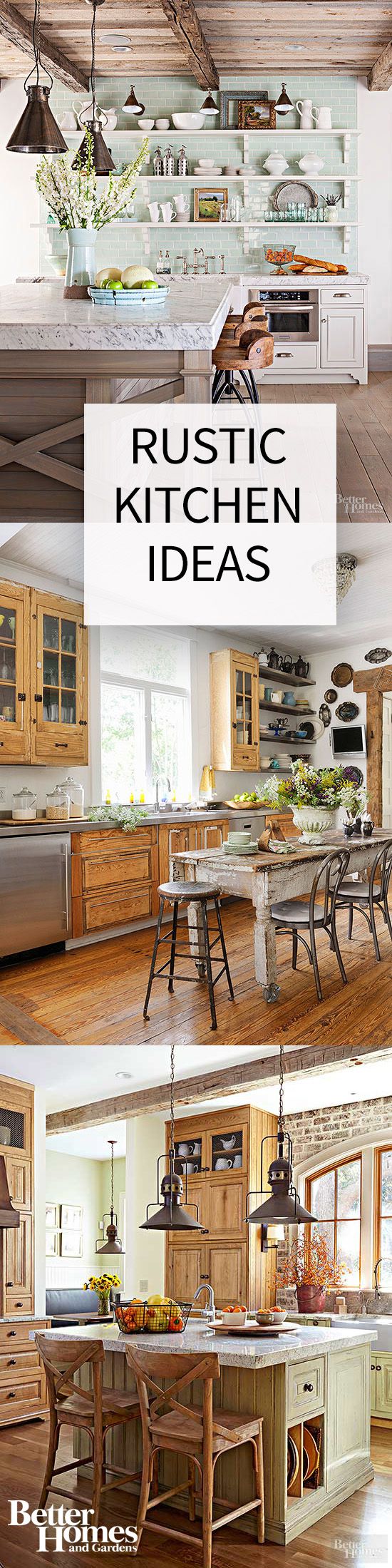
A rustic kitchen has a special kind of magic. It does not try too hard. It does not panic when a wooden stool has a scratch, a copper pot has a little patina, or someone leaves flour on the counter after making biscuits. In fact, those small imperfections are part of the charm. The best rustic kitchen ideas make a room feel warm, grounded, practical, and welcoming, like the kitchen has already hosted a hundred good conversations and is ready for one more.
Rustic kitchen design is built around natural materials, touchable textures, earthy colors, and details that feel collected rather than staged. Think reclaimed wood beams, stone backsplashes, farmhouse sinks, butcher block counters, vintage-style lighting, open shelves, iron hardware, and cozy rugs that make the room feel less like a showroom and more like the heart of the home.
The trick is balance. Too little rustic style can look unfinished. Too much can feel like a cabin-themed restaurant where the menu definitely includes “Grandpa’s Famous Chili.” The goal is a cozy, rugged, and warm kitchen that still works beautifully for real life, from weekday coffee to Sunday dinner.
What Makes a Kitchen Rustic?
A rustic kitchen celebrates materials that look honest. Wood shows grain. Stone shows texture. Metal develops character. Cabinets may be painted, stained, distressed, or simple and plain-fronted. Colors usually lean warm and natural, including cream, taupe, clay, olive, charcoal, deep brown, muted blue, and soft white.
Rustic does not mean outdated. A modern rustic kitchen can include sleek appliances, quartz or quartzite countertops, smart storage, and clean-lined cabinets. The warmth comes from the layers: wood, stone, woven textures, vintage accents, and lighting that makes everyone look slightly better than they did under supermarket fluorescents.
16 Rustic Kitchen Ideas for a Cozy, Rugged, and Warm Space
1. Start With Reclaimed Wood
Reclaimed wood is one of the fastest ways to create a rustic kitchen with soul. Use it for ceiling beams, open shelves, a range hood surround, an island base, or even a simple accent wall. The beauty of reclaimed wood is that it already has history. Nail marks, knots, and weathered edges add instant depth.
If a full reclaimed wood ceiling is too much, start smaller. A pair of thick floating shelves above the sink or coffee station can give the kitchen a rugged, lived-in look without turning the whole space into a log cabin.
2. Add Exposed Ceiling Beams
Exposed beams are rustic kitchen royalty. They draw the eye upward, make the space feel architectural, and add warmth even to an otherwise white kitchen. Original beams are wonderful, but decorative beams can also work beautifully when properly scaled to the room.
Dark-stained beams add drama, while lighter white oak or natural pine feels softer and more modern. Pair beams with simple cabinetry and warm lighting so they look intentional, not like the ceiling is wearing a costume.
3. Choose a Farmhouse Sink
A farmhouse sink, also called an apron-front sink, is both practical and charming. Its deep basin is great for washing big pots, baking sheets, garden vegetables, or the mysterious collection of cups that appears whenever guests visit.
White fireclay is classic, but stainless steel, copper, soapstone, and concrete can also work in rustic kitchen design. For a softer look, pair the sink with bridge-style faucets, unlacquered brass, matte black, or oil-rubbed bronze hardware.
4. Warm Up the Room With Wood Cabinets
Wood cabinetry is having a major design moment, and rustic kitchens are naturally ahead of the curve. Oak, walnut, alder, maple, and pine can all bring warmth to the space. The key is choosing a finish that feels natural rather than overly glossy.
Flat-panel wood cabinets create a modern rustic kitchen, while shaker cabinets feel timeless and farmhouse-friendly. For a cozy mountain-lodge look, go deeper with walnut or dark-stained oak. For a bright cottage-style rustic kitchen, choose lighter wood tones and creamy walls.
5. Use Stone for Texture and Strength
Stone gives a rustic kitchen its rugged backbone. A stone backsplash, stacked-stone wall, slate floor, or quartzite countertop can make the room feel grounded and durable. Natural stone works especially well when paired with wood, iron, and soft textiles.
If real stone is too expensive or heavy for your project, consider stone-look porcelain slabs or textured tile. You still get the earthy effect, but with easier maintenance and fewer financial side effects.
6. Install Open Shelving With Personality
Open shelving is a rustic kitchen favorite because it makes everyday pieces feel decorative. Stacks of white plates, handmade mugs, glass jars, cookbooks, cutting boards, and small pottery pieces can all become part of the design.
The secret is restraint. Rustic open shelving should look relaxed, not chaotic. Mix useful items with a few beautiful ones. Leave some breathing room. If every shelf is crammed full, the kitchen may start to resemble a very stylish garage sale.
7. Bring in a Vintage or Furniture-Style Island
A rustic kitchen island does not have to match the cabinets. In fact, it often looks better when it does not. Try a freestanding wooden worktable, antique butcher block, old store counter, or custom island with turned legs and open storage.
For a practical upgrade, top the island with butcher block, honed stone, quartzite, or marble. Add stools in wood, leather, iron, or woven materials to create a natural gathering place. Everyone ends up standing around the island anyway, so you might as well make it charming.
8. Mix Metals for a Collected Look
Rustic kitchens love metal, especially when it has warmth and texture. Copper, brass, bronze, black iron, pewter, and aged nickel all work beautifully. Use them for cabinet pulls, faucets, pot racks, pendant lights, range hoods, or barstool frames.
You do not need every metal finish to match. A copper hood can live happily with black iron lights and brass cabinet knobs as long as the overall palette feels intentional. The goal is layered, not random. Think “collected over time,” not “hardware aisle accident.”
9. Try a Brick Backsplash or Accent Wall
Brick instantly adds warmth, texture, and old-world charm. A brick backsplash behind the range can make a new kitchen feel established. Whitewashed brick feels cottage-like and airy, while red or brown brick gives the room a deeper, earthier personality.
If you want easier cleanup near the stove, consider brick veneer sealed properly or use brick-look tile. Rustic style is lovely, but spaghetti sauce is enthusiastic and should not be underestimated.
10. Layer Your Lighting
Lighting can make or break a rustic kitchen. A single ceiling fixture rarely gives enough warmth or function. Instead, layer several sources: pendant lights over the island, sconces near open shelves, under-cabinet lighting for prep work, and a statement lantern or chandelier over the dining area.
Industrial pendants, lantern-style fixtures, woven shades, milk glass, copper lights, and black metal sconces all complement rustic kitchen decor. Choose warm bulbs rather than cool blue-white lighting. Rustic kitchens should glow, not interrogate.
11. Add a Range Hood With Character
The range hood is a natural focal point, so give it some personality. A wood-wrapped hood, plaster hood, copper hood, or simple metal hood can help define the entire kitchen style.
For a European rustic kitchen, consider a softly curved plaster or stucco hood. For a farmhouse look, use painted wood or shiplap. For a rugged lodge kitchen, a dark metal or hammered copper hood can bring drama without needing to shout.
12. Use Earthy, Muted Colors
Rustic kitchen colors should feel connected to nature. Cream, warm white, mushroom, taupe, stone gray, olive green, dusty blue, clay, terracotta, charcoal, and deep brown all work well. These shades create comfort without feeling overly sweet.
Green cabinets are especially beautiful in rustic kitchens because they pair naturally with wood, stone, brass, and white counters. Muted blue is another strong option, especially in farmhouse or cottage-style kitchens. If you prefer white cabinets, warm them up with wood beams, textured tile, and aged hardware.
13. Choose Practical, Beautiful Countertops
Rustic countertops should be able to handle real cooking. Butcher block adds warmth and can be sanded and refinished. Soapstone has a soft, old-house character and darkens beautifully over time. Honed granite, quartzite, and matte quartz can also fit the rustic look when paired with natural textures.
A great approach is to mix materials. Use durable stone around the sink and range, then add butcher block to the island for warmth. This gives you function, texture, and a little design drama without requiring a full renovation opera.
14. Add Beadboard, Shiplap, or Tongue-and-Groove Paneling
Wall paneling can make a rustic kitchen feel cozy and architectural. Beadboard is sweet and cottage-like. Shiplap feels clean and farmhouse-inspired. Tongue-and-groove paneling can lean traditional, cabin-like, or Scandinavian depending on the finish.
Painted paneling in cream, warm white, sage, or soft blue adds texture without darkening the room. Natural wood paneling creates a stronger cabin feel. Use it on walls, ceilings, island fronts, or cabinet backs for subtle character.
15. Decorate With Useful Rustic Accents
The best rustic kitchen decor is useful. Think cutting boards leaning against the backsplash, a crock of wooden spoons, woven baskets, linen towels, ceramic bowls, glass storage jars, vintage scales, enamelware, and cast-iron cookware.
Avoid overdecorating. Rustic kitchens look best when accessories feel functional and personal. One antique breadboard is charming. Seventeen antique breadboards may suggest you are preparing to open a museum of toast.
16. Make the Kitchen Feel Lived-In
A rustic kitchen should invite people in. Add a runner near the sink, a small lamp on the counter, a breakfast nook with cushions, a vase of branches, or a bowl of apples on the island. These touches soften the hard surfaces and make the room feel human.
The most beautiful rustic kitchens do not look perfect. They look loved. They make room for morning coffee, messy baking, late-night snacks, family recipes, and friends who somehow always gather in the kitchen even when the living room is right there.
Rustic Kitchen Layout Tips That Actually Work
Style matters, but the kitchen still has a job. Before choosing finishes, think about how the room functions. A rustic kitchen with poor storage and bad lighting is just a charming place to lose your measuring spoons.
Keep the Work Triangle Comfortable
The sink, stove, and refrigerator should be easy to move between. Rustic design often includes large islands, freestanding furniture, and decorative storage, but none of those should block the basic cooking path.
Use Closed Storage for Clutter
Open shelves are beautiful, but not everything deserves a public platform. Keep food packaging, plastic containers, small appliances, and cleaning products behind cabinet doors. Display the pretty things; hide the chaos. That is not dishonesty. That is design wisdom.
Balance Heavy Materials With Light
Wood, stone, brick, and dark metal can make a kitchen feel cozy, but too much visual weight can shrink the room. Balance rugged materials with white walls, reflective tile, glass-front cabinets, good lighting, or lighter countertops.
Small Rustic Kitchen Ideas
You do not need a huge farmhouse kitchen to enjoy rustic style. Small kitchens often look even cozier with rustic details. Use vertical storage, open shelving, light wood, warm white walls, and compact furniture-style pieces.
A small rustic kitchen can benefit from a single strong feature: a brick backsplash, a butcher block counter, a farmhouse sink, or reclaimed shelves. Choose one or two statement materials and keep the rest simple. In a small space, restraint is not boring; it is what keeps the toaster from visually wrestling the cabinets.
Modern Rustic Kitchen Ideas
Modern rustic kitchens are ideal for homeowners who love warmth but want clean lines. Combine slab or shaker cabinets with natural wood, matte black fixtures, stone counters, simple pendant lights, and minimal decor. Use hidden storage to keep the space tidy while allowing texture to do the heavy lifting.
For example, pair white oak cabinets with a quartzite backsplash, black iron hardware, a plaster range hood, and leather stools. The result feels current, but not cold. It has polish without losing personality.
Budget-Friendly Rustic Kitchen Updates
You do not need to gut the kitchen to make it feel rustic. Some of the most effective updates are surprisingly simple. Replace shiny cabinet knobs with aged brass or matte black pulls. Add a vintage runner. Install two reclaimed wood shelves. Swap a basic light fixture for a lantern pendant. Display wooden cutting boards. Paint cabinets a warm earthy color.
Even changing the faucet can shift the whole mood. A bridge faucet or matte black gooseneck faucet paired with a simple sink can make a plain kitchen feel more considered. Add a few woven baskets, linen towels, and a warm table lamp, and suddenly the room has a personality beyond “builder-grade beige with snacks.”
Common Rustic Kitchen Mistakes to Avoid
Going Too Theme-Heavy
Rustic style should feel natural, not theatrical. Avoid filling the room with too many signs, roosters, faux antiques, or distressed finishes. A few authentic details are stronger than a dozen forced ones.
Ignoring Maintenance
Wood, stone, copper, and brick can be beautiful, but they need the right finish and care. Seal porous surfaces where needed. Choose washable paint. Use durable materials near water and heat.
Forgetting Comfort
Rustic kitchens should be warm and inviting. If the room has only hard surfaces, add textiles, cushions, rugs, curtains, or upholstered stools. Comfort is not an accessory; it is the whole point.
Personal Experience: What Makes a Rustic Kitchen Feel Truly Warm
The most memorable rustic kitchens are not always the most expensive ones. They are the kitchens where people naturally slow down. I have noticed that the best rustic spaces usually have one thing in common: they feel layered by life rather than purchased in one afternoon. A wooden table with a few dents, a favorite mug on an open shelf, a cast-iron skillet that has clearly earned its reputation, and a runner that has survived real breakfasts all help create warmth.
One experience that stands out is helping a friend refresh a small, plain kitchen without doing a major renovation. The cabinets were simple white, the counters were basic, and the room had almost no personality. Instead of replacing everything, we added two thick wood shelves above a short counter, changed the cabinet hardware to aged brass, brought in a warm woven runner, and replaced a cold ceiling light with a black metal lantern fixture. Then we leaned a few cutting boards against the backsplash and added a ceramic crock for utensils.
The transformation was not dramatic in the television-renovation sense. No one knocked down a wall while heroic music played. But the room suddenly felt warmer. Coffee in the morning felt nicer. Dinner prep felt less like a chore. Guests started standing near the shelves and asking where the wood came from. That is the power of rustic kitchen design: small textures can completely change how a room feels.
Another lesson is that rustic style works best when it respects the home. A city apartment may not need giant faux lodge beams. A compact ranch house may look better with beadboard, warm wood stools, and a simple farmhouse sink. A mountain home can handle stone walls, dark beams, and dramatic lighting. The goal is not to copy a picture exactly. The goal is to understand why the picture works, then adapt the feeling to your own space.
In real life, durability matters too. Rustic kitchens are often chosen by people who actually use their kitchens. They cook, bake, host, garden, preserve, or at least make ambitious weekend breakfasts that require every pan in the house. That means materials should age gracefully. Butcher block with small knife marks can still look beautiful. Copper with patina becomes richer. Stone with natural variation hides little imperfections. A rustic kitchen gives you permission to live in the room instead of tiptoeing around it.
My favorite rustic kitchen details are the ones that carry a story. A vintage stool from a flea market. Open shelves made from old barn wood. A family table refinished instead of replaced. A collection of handmade bowls. A small lamp that makes the corner glow at night. These details create emotional warmth, which is harder to buy than a backsplash but much more powerful.
If you are designing your own rustic kitchen, start with how you want the space to feel. Cozy? Rugged? Bright? Old-world? Farmhouse? Modern and earthy? Once you know the mood, choose materials that support it. Add wood for warmth, stone for strength, metal for contrast, and textiles for softness. Then leave room for life to happen. A rustic kitchen should not look frozen in a catalog. It should look ready for soup on the stove, bread on the counter, and someone saying, “I’ll just have a small piece,” before cutting the largest slice of pie.
Conclusion
Rustic kitchen ideas are timeless because they make the kitchen feel like more than a place to cook. They create a space that is warm, rugged, comfortable, and deeply personal. Whether you choose reclaimed wood beams, a farmhouse sink, stone accents, open shelving, earthy colors, or vintage lighting, the best rustic kitchen design comes from mixing beauty with usefulness.
You do not need a countryside farmhouse or a mountain cabin to create the look. With the right materials, colors, lighting, and personal details, any kitchen can feel cozier and more grounded. Start with one authentic texture, add warmth layer by layer, and let the space become the kind of room people never want to leave.