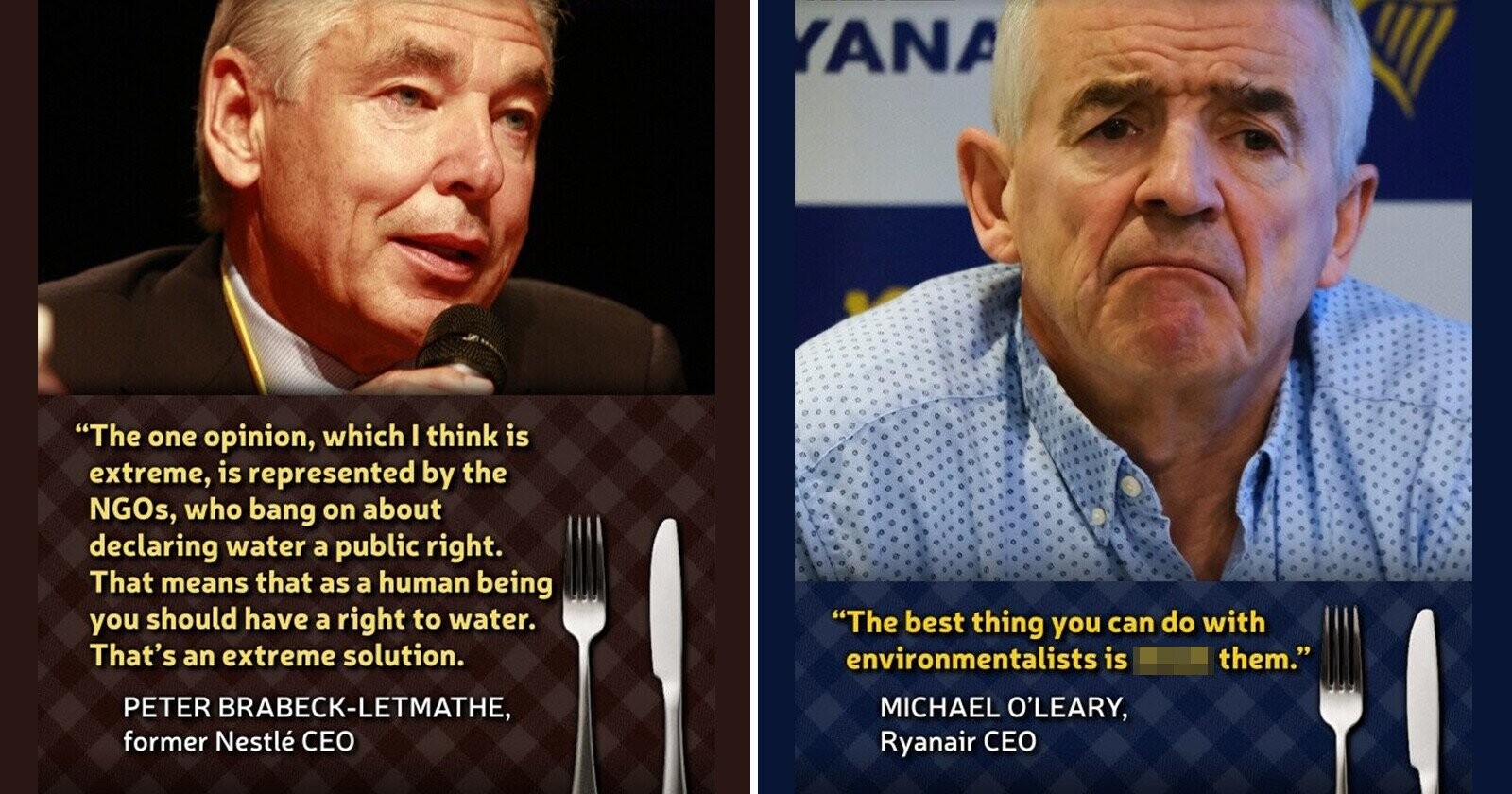
Some wealthy people buy yachts. Some buy basketball teams. Some buy companies so large that the balance sheet needs its own zip code. But the richest stories are not always about private jets and glass towers. Sometimes, they come with yogurt, coffee, candy, cookbooks, burgers, sauces, restaurant groups, and the kind of snack bar you find at the bottom of a backpack three weeks later and still consider eating.
That is the spirit behind “12 Rich Folks Who Are Looking Mighty Tasty”: a playful look at rich people whose fortunes, fame, or cultural power are tied to food, hospitality, flavor, and lifestyle. Nobody here is literally “tasty,” because this is not a horror movie and we are not seasoning billionaires. Instead, these are wealthy food entrepreneurs, celebrity chefs, investors, and lifestyle icons who turned taste into influence.
From Warren Buffett’s candy-and-cola capitalism to Hamdi Ulukaya’s yogurt revolution, these stories show how appetite can build empires. Food is emotional. It is habit, comfort, status, memory, entertainment, and sometimes a very expensive brunch. The people below understood that if you can win the stomach, you often win the wallet too.
Why Food Makes Wealth Feel More Human
Money can seem abstract when it is locked inside stocks, holding companies, and market capitalization. Food is different. Everyone understands the power of a good meal, a reliable cup of coffee, a snack that saves a bad afternoon, or a cookbook that convinces you that yes, you can roast a chicken without turning the kitchen into a smoke alarm concert.
That is why food brands are so powerful. They do not just sell calories. They sell rituals. Starbucks sells a morning identity. Chobani sells a healthier refrigerator. The Pioneer Woman sells cozy ranch life, even to people whose closest contact with cattle is a cheeseburger. Gordon Ramsay sells drama, discipline, and the fantasy that one sharp British sentence can fix a restaurant. Each of these rich folks became “mighty tasty” by attaching wealth to everyday desire.
1. Warren Buffett: The Candy-Coated Capitalist
Warren Buffett may be famous for value investing, but his food connections are almost as legendary as his annual shareholder letters. Through Berkshire Hathaway, Buffett has long been linked with household favorites like See’s Candies, Dairy Queen, and a major investment in Coca-Cola. That gives him one of the most snackable portfolios in capitalism.
What makes Buffett especially interesting is that his food-related investments reflect his core philosophy: buy simple businesses with durable appeal. People understand candy. People understand ice cream. People understand soda. You do not need a PhD in finance to grasp why customers return to brands that make them happy. In Buffett’s world, a box of chocolates can be more than dessert. It can be a lesson in pricing power, loyalty, and emotional branding.
2. Howard Schultz: The Man Who Turned Coffee Into a Third Place
Howard Schultz did not invent coffee, but he helped transform the American coffee shop into a daily destination. Starbucks grew from a Seattle-based coffee retailer into a global brand associated with routine, comfort, personalization, and the occasional drink order so long it sounds like a legal document.
Schultz’s genius was not just selling caffeine. It was selling atmosphere. Starbucks became a “third place” between home and work, where customers could sit, meet, study, wait, or pretend to write a novel while checking their phone every four minutes. In SEO terms, Schultz understood user experience before user experience became a buzzword. The coffee mattered, but the ritual mattered more.
3. Hamdi Ulukaya: The Yogurt King With a Bigger Mission
Hamdi Ulukaya, founder of Chobani, turned Greek yogurt into a mainstream American grocery staple. Chobani helped shift yogurt from a sleepy refrigerator item into something thicker, protein-rich, and proudly positioned as a better-for-you choice. Before long, Greek yogurt was everywhere: breakfast bowls, smoothies, lunchboxes, office fridges, and the diets of people trying to look responsible at 9 a.m.
Ulukaya’s story also stands out because it blends entrepreneurship with social values. His public reputation includes support for workers, refugees, and community investment. That makes his food empire more than a tale of dairy success. It is a reminder that a brand can taste better to customers when its values feel real, not sprinkled on top like decorative parsley.
4. Daniel Lubetzky: The Snack Bar Diplomat
Daniel Lubetzky built KIND Snacks around a simple idea: snack bars could look like actual food. Instead of hiding ingredients under mystery coatings, KIND leaned into visible nuts, fruit, and chocolate. The brand’s clear packaging was not just design; it was a trust signal. It said, “Look, almonds. We are not making this weird.”
Lubetzky’s success shows how powerful transparency can be in food branding. Consumers want convenience, but they also want to feel smart about what they are eating. KIND tapped into that sweet spot. It became a snack for airport travelers, busy parents, students, office workers, and anyone who has ever called a granola bar “lunch” with alarming confidence.
5. Tilman Fertitta: The Restaurant Empire Builder
Tilman Fertitta is often described as one of the richest restaurateurs in the world, with a business empire connected to Landry’s, hospitality, entertainment, and professional sports. His model is not about one perfect dish. It is about scale, location, branding, and the ability to make dining feel like part of a bigger outing.
Fertitta’s success shows that restaurants are not only about food. They are about traffic, real estate, atmosphere, operations, and consistency. A steakhouse, seafood spot, hotel restaurant, or tourist-friendly concept must deliver not just flavor but predictability. In that sense, Fertitta’s “tasty” power is less about one chef’s signature sauce and more about building a machine that keeps tables turning.
6. Gordon Ramsay: The Fiery Chef Who Turned Standards Into Showbiz
Gordon Ramsay built a global reputation through restaurants, cookbooks, and television. His brand is sharp, intense, and instantly recognizable. He made culinary standards entertaining by turning kitchen pressure into prime-time drama. Somewhere along the way, “This needs more seasoning” became a personality.
Ramsay’s empire works because it combines excellence with spectacle. Fine dining can feel intimidating, but Ramsay made the kitchen accessible through conflict, humor, teaching, and high-stakes transformation. Viewers may never run a restaurant, but they understand the pain of undercooked food, messy teamwork, and someone shouting because the risotto has betrayed the entire nation.
7. Martha Stewart: The Original Lifestyle Tastemaker
Martha Stewart turned domestic expertise into a business empire. Cookbooks, television, magazines, cookware, entertaining advice, holiday spreads, and home design all became part of the Martha universe. Her brand made taste feel teachable. With the right centerpiece, napkin fold, and pie crust, ordinary life could become slightly more elegant.
Stewart’s secret was authority. She did not merely suggest a recipe; she made it feel like the correct recipe had finally arrived wearing pressed linen. Her influence also proves that food content is rarely just about food. It is about aspiration. People are not only learning how to bake. They are imagining a calmer, prettier, more organized version of themselvesone that never loses the scissors and somehow owns twine.
8. Ree Drummond: Ranch Comfort With Retail Muscle
Ree Drummond, known as The Pioneer Woman, grew from blogger to Food Network personality, cookbook author, product-line creator, and hospitality entrepreneur in Pawhuska, Oklahoma. Her appeal is built around comfort: family meals, ranch life, bright kitchenware, hearty recipes, and a voice that feels like a neighbor who owns better casserole dishes than you do.
Drummond’s rise shows the power of personal storytelling in food media. Before “creator economy” became a boardroom phrase, she was already turning a blog into a brand. The food mattered, but the setting mattered too: family, animals, small-town life, and practical recipes that do not require tweezers, foam, or a reservation six months in advance.
9. Guy Fieri: The Mayor of Flavortown
Guy Fieri built a loud, joyful, instantly recognizable food persona. With spiky hair, big energy, and endless enthusiasm for diners, drive-ins, and deeply comforting food, he turned everyday American restaurants into television events. Fieri did something underrated: he made local food heroes feel famous.
His brand is not quiet. It wears sunglasses backward and arrives with extra sauce. But that is exactly why it works. Fieri celebrates abundance, personality, and the kind of meals that do not apologize for being fun. In a food culture that sometimes gets snobby, he reminds audiences that a messy sandwich can have as much soul as a tiny plate with three dots of puree.
10. Ina Garten: Calm Luxury in a Button-Down Shirt
Ina Garten, the Barefoot Contessa, represents a softer kind of food wealth: elegant, relaxed, and deeply reassuring. Her brand says entertaining can be beautiful without turning into a competitive sport. She built her career from a specialty food store into cookbooks, television, and a trusted culinary identity.
Garten’s magic is her calm confidence. She gives permission to buy good ingredients, keep things simple, and avoid unnecessary kitchen acrobatics. Her food world feels wealthy not because it screams luxury, but because it whispers, “Use good olive oil,” and somehow everyone understands the assignment.
11. José Andrés: Food as Service, Not Just Status
José Andrés is a chef, restaurateur, and founder of World Central Kitchen, an organization known for providing meals during disasters and humanitarian crises. His work expands the meaning of food influence beyond restaurants and celebrity. For Andrés, food is culture, community, emergency response, and dignity served hot.
That makes him one of the most important figures on this list. His success is not simply about building restaurants; it is about proving that culinary expertise can move quickly when people need help. In a world where wealth often looks like accumulation, Andrés shows another model: influence that feeds people when the cameras may or may not be watching.
12. David Chang: The Rebel Who Made Noodles Cultural Currency
David Chang founded Momofuku and helped reshape modern American dining with restaurants, media projects, packaged goods, and a restless approach to flavor. His career helped bring Asian American culinary ideas into broader mainstream conversation while challenging old fine-dining rules.
Chang’s “tasty” power is cultural. He did not just open restaurants; he created arguments, cravings, trends, and new expectations. Momofuku proved that casual spaces could be ambitious, noodles could be serious, and a chef’s personality could stretch across restaurants, television, podcasts, sauces, and grocery aisles.
What These Tasty Empires Have in Common
They Sell Identity, Not Just Products
The most successful food figures do not merely sell a thing to eat. They sell a version of life. Starbucks sells a morning ritual. The Pioneer Woman sells ranch comfort. Martha Stewart sells polished domestic confidence. Guy Fieri sells joyful excess. Chobani sells better habits. These brands stick because people use food to express who they areor at least who they hope to be after one more coffee.
They Make Repetition Feel Special
Food businesses thrive on repeat behavior. You do not need someone to buy yogurt once. You need them to put it on the grocery list every week. You do not need one coffee visit. You need a morning routine. The richest food empires understand that habit is the real feast. Once a product becomes part of someone’s day, it earns a powerful place in both memory and budget.
They Balance Trust and Surprise
Customers want consistency, but they also want novelty. That is a tricky recipe. Too much sameness gets boring. Too much experimentation gets confusing. The best food brands offer a reliable core with just enough newness to keep people curious. A seasonal latte, a new cookbook, a limited dessert, a restaurant opening, a sauce launchthese are little sparks that keep the appetite awake.
Experience Notes: What “Mighty Tasty” Wealth Teaches Us
The biggest lesson from these 12 rich folks is that taste is personal before it becomes profitable. No one builds a food empire by staring at a spreadsheet and whispering, “synergy.” The spreadsheet matters, of course, but it arrives later. First comes a feeling: comfort, curiosity, nostalgia, confidence, hunger, belonging, or the simple joy of eating something that makes your day less annoying.
As a content creator, marketer, blogger, or business owner, this topic offers a buffet of useful experiences. The first is that storytelling makes products memorable. A yogurt brand is not just fermented dairy. It can be a founder’s immigrant story, a factory revival, a health trend, and a promise of better breakfast. A cookbook is not just instructions. It is a voice in the kitchen, standing beside the reader when the onions are burning and morale is low.
The second experience is that simplicity travels. Warren Buffett likes businesses people can understand. That same principle works in writing and branding. If a reader cannot explain your article, product, or message to a friend in one sentence, it may be too foggy. Starbucks became “coffee plus a place.” KIND became “snacks with visible ingredients.” Ina Garten became “elegant food without panic.” Clear ideas are easier to remember, easier to share, and easier to trust.
The third experience is that personality is not decoration; it is strategy. Guy Fieri without personality is just a man near a sandwich. Gordon Ramsay without intensity is just a chef in a jacket. Martha Stewart without authority is just another person telling you to chill dough. Their brands work because their personalities are consistent. Readers and customers know what they are getting before they arrive.
The fourth experience is that food content should respect real life. People are busy, distracted, budget-conscious, health-aware, nostalgic, and occasionally standing in front of the fridge with no plan. The best food brands meet people where they are. They do not shame the customer for needing convenience. They offer a better ritual, a smarter shortcut, or a more enjoyable version of something familiar.
The final experience is that taste creates community. A restaurant table, a coffee shop, a snack shared during a road trip, a family recipe, a disaster-relief meal, or a TV show watched after school can all create connection. That is why food wealth feels different from other wealth. It enters daily life. It sits in the pantry. It appears at birthdays, holidays, lunch breaks, and late-night study sessions. These rich folks are “looking mighty tasty” because they understood that food is never just food. It is memory with a receipt.
Conclusion
The rich people on this list built influence by understanding appetite in different ways. Some invested in beloved brands. Some built restaurant groups. Some turned home cooking into media empires. Some made everyday food feel healthier, louder, calmer, cooler, or more meaningful. Together, they prove that flavor is one of the most powerful forces in business.
“12 Rich Folks Who Are Looking Mighty Tasty” may sound like a jokeand yes, it is wearing a tiny chef hatbut the deeper point is serious. Food is one of the few industries that can touch nearly every part of life: culture, health, entertainment, family, travel, charity, status, and identity. When wealth meets taste, the results can be deliciously influential.