Note: For any project involving food, drinking water, pet feed, or edible plants, use only clean, food-grade buckets that previously held food-safe materials. Buckets that once held paint, solvents, chemicals, concrete additives, or automotive products should be reused only for non-food projects.
A 5-gallon bucket may not look glamorous, but let’s be honest: it is the Swiss Army knife of household containers. It stacks, hauls, stores, waters, catches, lifts, organizes, and occasionally saves the day when something mysterious starts dripping under the sink. Before you toss one into the garage “I’ll deal with it later” zone, consider this: that humble plastic pail can become a planter, tool organizer, emergency kit, compost bin, garden irrigator, camp sink, chicken feeder, or even a surprisingly sturdy seat.
Learning how to reuse a 5-gallon bucket is not just about saving a few dollars. It is also a practical way to reduce household waste, make smarter use of materials, and create useful DIY solutions with something you may already have. Whether your bucket came from a bakery, hardware store, restaurant, bulk food order, or home-improvement project, it can earn a second life with a drill, a lid, a little imagination, and maybe a healthy respect for drainage holes.
Below are 12 brilliant 5-gallon bucket ideas that are realistic, affordable, and useful around the home, garden, garage, and campsite.
Before You Begin: How To Choose the Right Bucket
Not every bucket deserves every job. A bucket that held frosting from a bakery is very different from a bucket that held driveway sealer. If the project involves soil for edible plants, food storage, animal feed, or water you may touch or consume, stick with food-grade buckets. Look for markings such as “food safe,” “food grade,” or a fork-and-cup symbol. Many food-safe buckets are made from HDPE plastic, often marked with recycling number 2, but markings alone are not a guarantee if you do not know what the bucket previously contained.
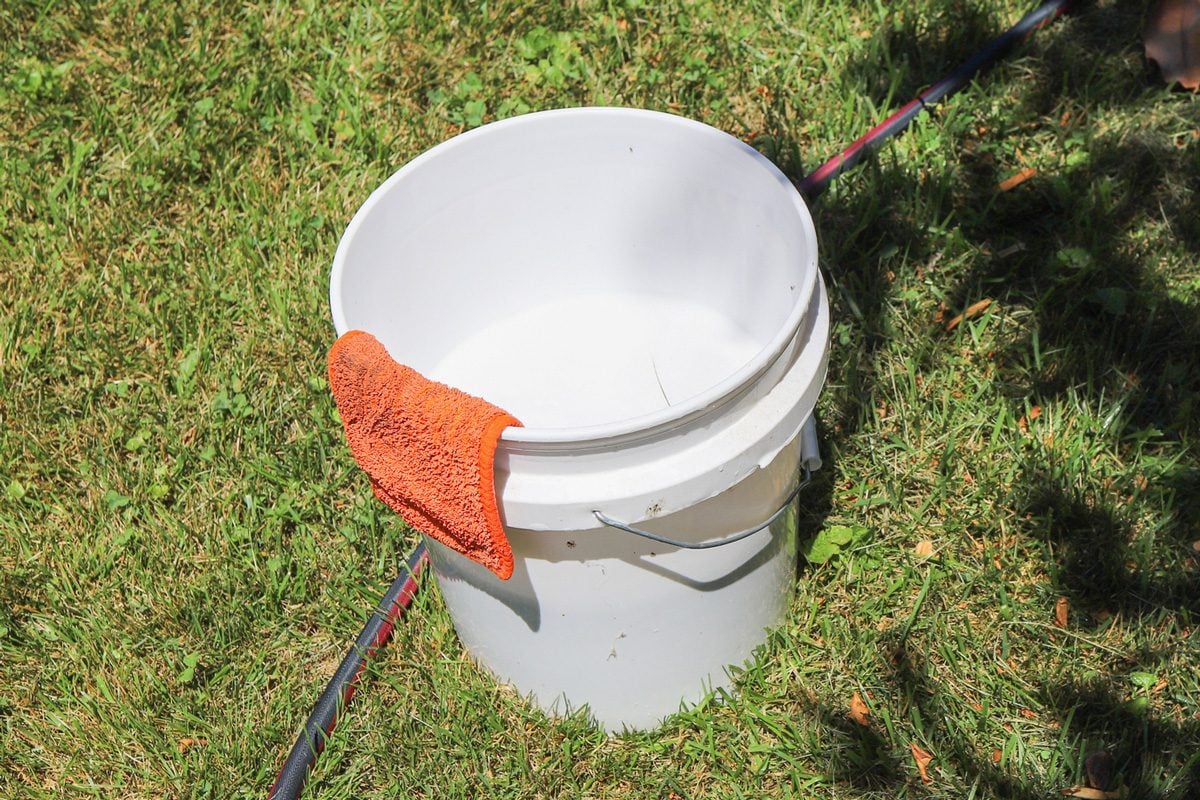
For non-food uses, such as tool storage, car-wash kits, hardware sorting, or dust collection, a cleaned utility bucket is usually fine. Wash it well with warm water and dish soap, rinse thoroughly, and let it dry completely. If the bucket smells like chemicals after cleaning, retire it from any project that involves people, pets, plants, or anything you care about.
1. Turn It Into a Container Garden
One of the best ways to reuse a 5-gallon bucket is to turn it into a container garden. The size is ideal for many patio vegetables, including tomatoes, peppers, eggplant, bush beans, herbs, and even compact varieties of cucumbers. A bucket garden is especially useful for renters, apartment dwellers, or anyone whose backyard soil appears to be 40 percent clay, 40 percent rocks, and 20 percent disappointment.
How to do it
Drill several drainage holes in the bottom of the bucket, then add a layer of coffee filters, landscape fabric, or mesh to keep potting mix from escaping. Fill the bucket with high-quality potting mix, not heavy garden soil, which can compact and suffocate roots. Leave about 2 inches of space at the top so water does not spill out every time you give your tomato plant a drink.
For edible plants, use a food-grade bucket. Place the container where it gets the amount of sun the plant needs. Most fruiting vegetables want 6 to 8 hours of direct sunlight per day. Add a stake, cage, or small trellis early, because trying to wrangle a full-grown tomato plant later is basically gardening’s version of wrestling an octopus.
2. Build a Self-Watering Planter
If your plants frequently go from “thriving” to “crispy salad garnish,” a self-watering 5-gallon bucket planter can help. This setup stores water in a reservoir at the bottom and allows moisture to move upward into the soil as the plant needs it. It is a smart option for hot climates, busy schedules, and gardeners who forget watering until the basil starts writing its goodbye letter.
How to do it
A basic version uses a bucket, a separator platform, a small wicking basket or cup, and a fill tube made from PVC pipe. The soil sits above the water reservoir, while the wick pulls moisture upward. Drill an overflow hole a couple of inches above the bottom so excess water can escape instead of drowning the roots.
This system works especially well for tomatoes, peppers, and herbs. It also reduces water waste because moisture goes directly where roots can use it. Just remember that “self-watering” does not mean “magical.” You still need to refill the reservoir and occasionally check that the overflow hole is clear.
3. Make a Kitchen Scrap Compost Bucket
A 5-gallon bucket with a tight-fitting lid makes an excellent small compost collection bin. It is big enough to hold kitchen scraps for several days but small enough to carry outside without requiring a personal trainer. Composting helps turn fruit peels, vegetable scraps, coffee grounds, eggshells, and other organic materials into garden-friendly matter instead of sending them to the trash.
How to do it
For a simple outdoor compost bucket, drill small holes in the lid, sides, and bottom for airflow and drainage. Start with a layer of dry leaves, shredded cardboard, or small twigs. Add kitchen scraps in thin layers, then cover them with “brown” materials such as dry leaves, shredded paper, straw, or cardboard. A good compost mix needs more browns than greens to prevent odor and sogginess.
Keep the bucket moist but not swampy. Turn or shake it weekly if the lid is secure. Do not add meat, dairy, grease, or oily foods unless you are using a specific composting method designed for them. Otherwise, you may accidentally create a raccoon buffet, and raccoons never leave five-star reviews.
4. Create a Slow-Drip Garden Irrigator
A bucket can become a low-tech drip irrigation system for trees, shrubs, raised beds, or thirsty vegetable plants. This is one of the easiest 5-gallon bucket hacks, and it can be especially helpful during dry spells. Instead of dumping water on the surface and watching it run away, a drip bucket releases water slowly so it soaks deeper into the soil.
How to do it
Drill one or two tiny holes near the bottom of the bucket. Start small, because you can always make the holes bigger, but you cannot undrill a hole unless you are a wizard with plastic patching. Place the bucket next to the plant, fill it with water, and let gravity do its quiet little job.
For young trees, place the bucket near the root zone rather than directly against the trunk. For vegetable beds, move the bucket from plant to plant or set up several at once. Add a lid or mesh cover if the bucket will sit outside for long periods, because uncovered standing water can attract mosquitoes.
5. Use It as a Tool Caddy
A 5-gallon bucket is practically born to carry tools. Gardeners can use it for hand trowels, gloves, seed packets, plant ties, pruners, and kneeling pads. DIYers can use it for screwdrivers, pliers, tape, brushes, fasteners, and whatever tiny part they dropped and absolutely will not find again until next spring.
How to do it
Keep the center open for bulky items and add a bucket organizer, apron, or homemade pocket sleeve around the outside. If you like budget-friendly solutions, cut the legs off an old pair of jeans and wrap the pocket section around the bucket. The denim pockets hold small tools, while the bucket itself holds heavier gear.
This setup is especially useful for gardening because you can carry tools, weeds, seed packets, and harvested vegetables in one trip. Add a padded lid, and your tool caddy also becomes a quick garden seat.
6. Make a Portable Seat or Bucket Stool
A 5-gallon bucket can become a surprisingly handy stool for gardening, fishing, camping, painting baseboards, or sitting in the garage while pretending to organize it. The bucket already has the right height for many small jobs, and the inside can still be used for storage.
How to do it
Start with a clean, sturdy bucket and a tight lid. Add a foam cushion to the top using durable fabric, outdoor vinyl, or an old chair pad. If you want a simple no-sew version, place a round cushion on top and secure it with strong adhesive strips or elastic. For camping or fishing, store small supplies inside the bucket and use the lid as the seat.
Do not use cracked, brittle, or sun-damaged buckets as seating. Plastic weakens over time, especially when left outdoors. If the bucket creaks like an old pirate ship, choose another one.
7. Build a Camping Handwashing Station
For camping, tailgating, outdoor parties, or backyard projects, a 5-gallon bucket can become a simple handwashing station. This is practical when you are away from a sink but still want clean hands before eating, cooking, or touching your face after handling firewood, bait, soil, or mystery cooler water.
How to do it
Use one clean bucket to hold fresh water and another to catch gray water. Add a small spigot near the bottom of the water bucket, or use a camp-style water dispenser lid. Place biodegradable soap nearby and set the catch bucket underneath. Label the buckets clearly so nobody mistakes wash water for drinking water.
For food-related use, choose food-grade buckets and sanitize them properly. Keep the fresh-water bucket covered to prevent dirt, bugs, and leaves from joining the party.
8. Organize Emergency Supplies
A 5-gallon bucket with a lid makes a tough, portable emergency kit. It protects supplies from dust and moisture better than a flimsy cardboard box, and the handle makes it easy to move during storms, power outages, roadside trouble, or last-minute “why is the basement wet?” situations.
What to store inside
Consider adding flashlights, batteries, a first-aid kit, gloves, trash bags, duct tape, a small radio, water purification tablets, basic tools, emergency blankets, hygiene items, copies of important documents in a waterproof pouch, and shelf-stable snacks. For a car kit, include jumper cables, reflective triangles, a tire gauge, a poncho, and a warm hat.
Label the bucket and store it somewhere easy to reach. The best emergency kit is not the one with the most gadgets; it is the one you can actually find when the lights go out.
9. Store Pet Food, Birdseed, or Dry Goods Safely
A clean bucket with a tight lid can help organize dry materials such as birdseed, pet food, charcoal, ice melt, potting mix, or grass seed. The lid helps keep out moisture, insects, and curious pets who believe “self-serve dinner” is a basic constitutional right.
How to do it
For pet food or any food-related storage, use only a food-grade bucket that has not held chemicals. Wash and dry it completely before use. Keep the original label or product information if you transfer pet food, because it includes feeding guidance, expiration details, and batch information that may be useful in case of a recall.
For non-food materials, label the bucket clearly. Never store chemicals in a bucket that looks like food storage, and never reuse a chemical bucket for feed, flour, rice, or anything edible.
10. Create a Car Wash and Detailing Kit
A 5-gallon bucket is perfect for a home car-wash kit. It can hold soap, microfiber towels, sponges, wheel brushes, tire cleaner, glass cleaner, and wax. Better yet, you can use two buckets: one for clean soapy water and one for rinsing dirty mitts. This helps reduce the grit that can scratch paint.
How to do it
Keep all your car-care items in one bucket between washes. When it is time to clean, remove the supplies, fill one bucket with soap and water, and fill another with rinse water. Add a grit guard if you have one. After washing, dry the bucket completely before storing towels or products inside.
This setup also works for cleaning outdoor furniture, siding, patio tools, and bicycles. Just do not mix car chemicals with gardening or food projects. Buckets may be versatile, but they do not need confusing career changes.
11. Make a DIY Dust Separator for the Workshop
If you do woodworking, sanding, or shop cleanup, a 5-gallon bucket can be part of a simple dust separator system. The idea is to capture larger debris before it reaches your shop vacuum, which can help reduce filter clogging and make cleanup easier.
How to do it
You will need a sturdy bucket with a tight lid, a dust-separator lid or cyclone attachment, and compatible hoses. The vacuum pulls air through the separator, while chips and heavier particles fall into the bucket. This is useful for sawdust, small wood chips, and garage debris.
Use caution with fine dust, especially from treated wood, drywall, or materials that may contain hazardous particles. Wear appropriate protection and use equipment designed for the material you are collecting. A bucket separator is handy, but it is not a substitute for proper dust control or respiratory safety.
12. Turn It Into a Simple Chicken Feeder or Garden Harvest Bucket
For backyard chicken keepers, a clean 5-gallon bucket can become a gravity feeder with the right fittings. For gardeners, the same bucket can become a harvest hauler for tomatoes, cucumbers, peppers, apples, herbs, or cut flowers. Either way, it keeps useful things contained instead of scattered across the yard like a produce-themed obstacle course.
How to do it
For a chicken feeder, use a food-grade bucket and poultry-safe feeder ports or elbows. Cut holes near the lower sides of the bucket, install the ports, fill with feed, and secure the lid to keep rain and pests out. Place it where birds can access it comfortably, and clean it regularly to prevent moldy feed.
For harvesting, drill a few small drainage holes in the bottom if you plan to rinse produce outdoors. Add a towel to cushion delicate items such as tomatoes or berries. For flowers, fill the bucket with a few inches of water and carry it as a mobile vase.
Bonus Tips for Reusing 5-Gallon Buckets Safely
Clean first, create second
Before any DIY project, scrub the bucket thoroughly. A mixture of warm water and dish soap works for most household grime. For odors, try baking soda and water, then rinse well and air-dry in sunlight. If a smell lingers, choose a non-food use or recycle the bucket if possible.
Drill carefully
Many 5-gallon bucket projects require holes. Use a sharp drill bit, wear eye protection, and support the plastic so it does not crack. For larger openings, start with a small pilot hole and work up gradually.
Label everything
Once a bucket becomes a compost bin, car-wash kit, chicken feeder, or emergency kit, label it. This prevents confusion and keeps food-safe buckets from accidentally becoming chemical buckets.
Protect buckets from sun damage
Plastic can become brittle after long exposure to sunlight. If you use buckets outdoors, inspect them regularly for cracks, fading, or weak handles. Replace damaged buckets before they fail while full of water, soil, or tools. A bucket full of wet compost breaking on your shoes is not a character-building moment anyone needs.
Real-Life Experience: What Actually Works When Reusing 5-Gallon Buckets
After trying several 5-gallon bucket projects around the home and garden, one lesson becomes obvious: the simplest ideas are usually the ones you keep using. Fancy DIY projects are fun, but the bucket that becomes part of your weekly routine is the real winner. A container garden, tool caddy, emergency kit, or drip irrigator may not look like a social media masterpiece, but it solves an actual problem.
For gardening, the biggest success comes from respecting drainage. A 5-gallon bucket without drainage holes is not a planter; it is a swamp with leaves. Tomatoes and peppers do well when the bucket has enough holes, quality potting mix, and steady watering. Black or dark-colored buckets can heat up quickly in full sun, so lighter buckets or shaded sides may help in very hot areas. Adding mulch on top of the potting mix also helps reduce moisture loss.
The self-watering planter is another project that feels more impressive than the effort required. It is especially helpful if you travel for a weekend or forget watering during busy weeks. The overflow hole matters more than beginners expect. Without it, heavy rain can flood the reservoir and drown roots. With it, the plant gets a steadier supply of moisture and you get fewer dramatic plant emergencies.
For composting, a bucket works best as a collection or small-batch system, not as a miracle machine. Kitchen scraps need brown materials to balance moisture and odor. If you add fruit peels and coffee grounds without dry leaves, shredded cardboard, or paper, the bucket can smell like a science experiment that went to college and made bad choices. A tight lid helps with pests, but airflow holes and regular mixing help the compost behave.
The tool caddy is probably the most underrated bucket reuse idea. Keeping gloves, pruners, twine, seed packets, and a small trowel in one place saves time every single week. It also prevents the classic gardener’s ritual of walking to the shed, forgetting why, returning to the garden, remembering, and then repeating the process while muttering at a zucchini plant.
Emergency supply buckets are also worth making before you need them. A lidded bucket keeps items dry and portable. It is not as elegant as a custom emergency cabinet, but it is practical. You can create one for the house, one for the car, and one for storm supplies. Add a written checklist taped inside the lid so you can quickly see what belongs there.
Car-wash buckets and cleaning buckets are easy wins, too. The two-bucket method keeps dirty rinse water away from clean soapy water, which can help protect surfaces from scratches. Once you start storing all detailing supplies in the same bucket, washing the car feels less like a scavenger hunt.
The main experience-based advice is this: assign buckets by category and do not mix uses. A bucket used for car cleaner should not later become a tomato planter. A compost bucket should not become pet food storage. A food-grade bucket should be protected from mystery jobs. Once you treat buckets like dedicated tools instead of random containers, they become far more useful.
In the end, reusing a 5-gallon bucket is less about being crafty and more about being practical. It is a low-cost way to organize clutter, grow food, water plants, prepare for emergencies, and reduce waste. The bucket may never win a design award, but it will quietly outperform plenty of expensive gadgets sitting in your garage.
Conclusion
A 5-gallon bucket is proof that useful things do not have to be fancy. With a few holes, a lid, a label, or a clever attachment, it can become a planter, compost bin, drip irrigator, tool caddy, camping sink, emergency kit, dust separator, harvest basket, or storage container. The key is matching the bucket to the job and using food-grade buckets whenever food, water, animals, or edible plants are involved.
Before throwing away an empty bucket, ask one question: “Could this solve a problem somewhere else?” In many homes, garages, gardens, and campsites, the answer is yes. Reusing a 5-gallon bucket saves money, reduces waste, and gives that humble pail a second act. Not bad for something that usually starts life holding pickles, frosting, paint, or drywall compound.