Some TV reunions feel like polite nostalgia. A few old castmates sit on a couch, smile at clips, and tell the audience that everyone was “like family,” which usually means three people still text and two people have muted the group chat. The live Cheers reunion at the ATX TV Festival was different. It had the loose, slightly dangerous energy of a bar conversation that starts with “remember when…” and ends with someone explaining why warm, salty near beer should never become a beverage category.
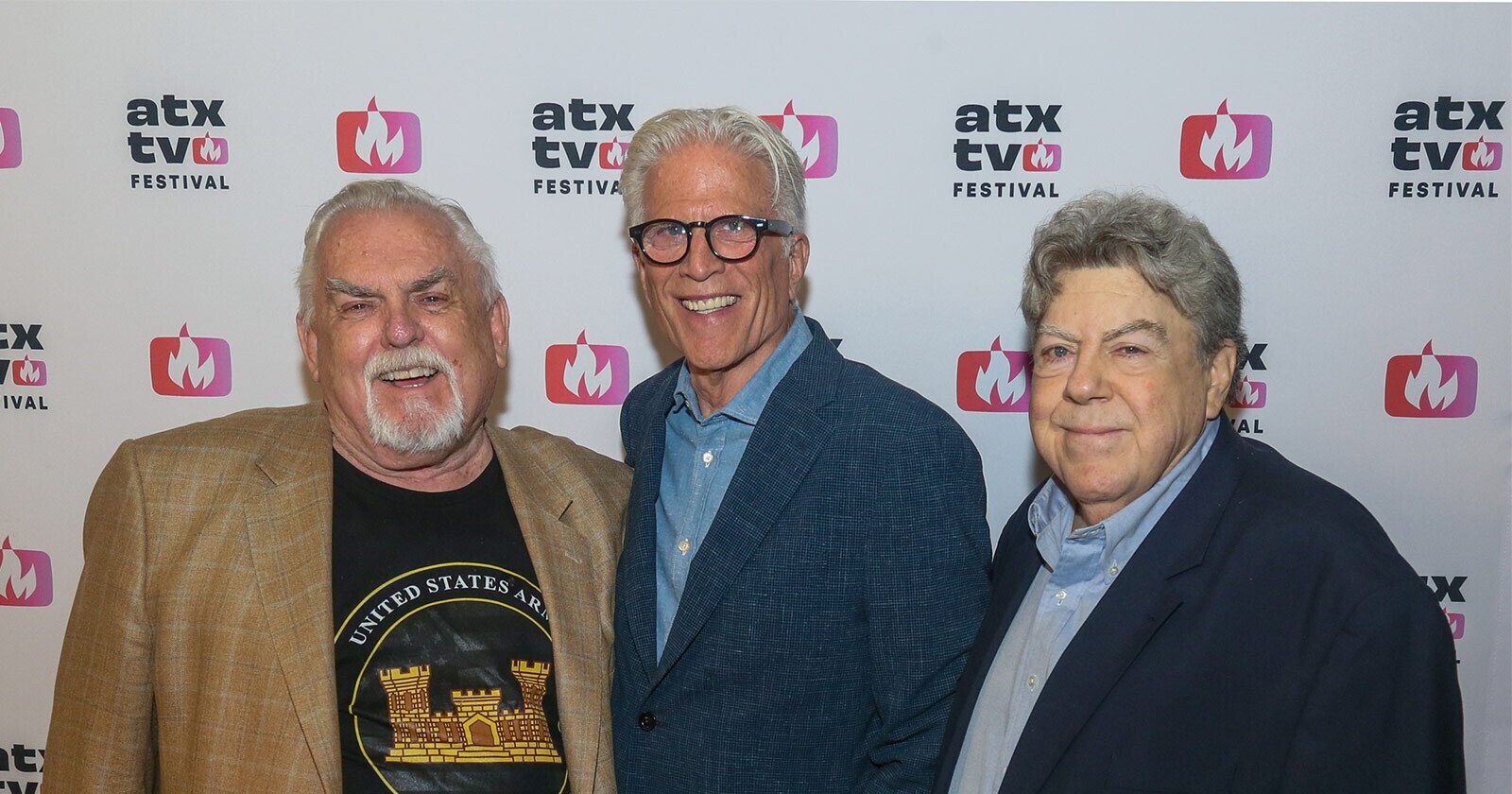
Held in Austin in 2023 to mark 30 years since the Cheers finale, the reunion brought together Ted Danson, George Wendt, John Ratzenberger, and the creative minds behind the NBC sitcom, including James Burrows and brothers Glen and Les Charles. The panel was not just a victory lap for one of television’s most beloved comedies. It became a reminder of why the show still works: the writing was sharp, the cast chemistry was combustible, and the setting was simple enough to hold almost every human emotion between a barstool and a beer tap.
Here are 11 revelations from the live Cheers reunion that explain how a sitcom about a Boston bar became a television landmarkand why fans still want to pull up a stool decades later.
1. The Reunion Proved ‘Cheers’ Still Has a Room Full of Regulars
Before the main panel, ATX TV Festival staged a live reading of the Cheers pilot, giving modern performers a chance to step into roles made famous by Shelley Long, George Wendt, Rhea Perlman, and the original ensemble. That warm-up mattered. It showed that Cheers is not just a museum piece from the three-network era; it is a script that still plays in front of an audience.
The live response also proved something every bar owner knows: atmosphere counts. Fans did not merely come to hear trivia. They came to re-enter a shared emotional space. When the names Sam, Norm, Cliff, Diane, Carla, Coach, Rebecca, Woody, and Frasier are spoken in the right order, the room almost supplies its own laugh track.
2. The Original Concept Came from Real Barroom Behavior
One of the most revealing stories from the reunion involved the show’s research. Glen and Les Charles had already worked in workplace comedy through Taxi, but they wanted their next show to feel warmer, brighter, and more inviting. Instead of another dingy work environment, they looked for a place where people chose to gather.
The bar setting clicked because it naturally created conversation. A door could open, a stranger could enter, a regular could launch an opinion nobody requested, and comedy would begin. According to the creators, early research in a real bar confirmed that regulars really did debate absurd subjects with scholarly intensity. That became part of the show’s DNA: ordinary people treating silly arguments like Supreme Court cases, except with pretzels.
3. Ted Danson Believes Shelley Long Helped Him Become Sam Malone
Ted Danson’s Sam Malone is now so iconic that it is hard to imagine the character belonging to anyone else. Yet the reunion revisited how much of Danson’s casting depended on his chemistry with Shelley Long, who played Diane Chambers. Other actors had been considered, but the Sam-and-Diane dynamic needed friction, attraction, intelligence, vanity, and timing.
Danson has credited Long’s performance as essential to his own success. That is more than gracious reunion talk. The first five seasons of Cheers are built on romantic combat: Sam is all swagger and instinct; Diane is all vocabulary and self-dramatizing brilliance. Together, they made flirting feel like a contact sport with footnotes.
4. John Ratzenberger Basically Invented Cliff Clavin
One of the best behind-the-scenes stories concerns John Ratzenberger. He originally auditioned for Norm, but George Wendt was the natural fit for that role. Rather than leave empty-handed, Ratzenberger asked the creators whether the bar had a resident know-it-all. He described the familiar type: the person in every bar who has an answer for everything, especially topics he understands least.
That quick instinct became Cliff Clavin, the postal worker whose confidence was usually louder than his accuracy. It is a perfect example of creative luck meeting professional nerve. Ratzenberger did not just audition for a part; he pointed out a missing ingredient. In a sitcom built on human types, Cliff was the spice that made every conversation more ridiculous.
5. George Wendt’s Norm Was Designed for Entrance Applause
Norm Peterson became one of the great sitcom entrances. The door opens, Norm walks in, everyone yells his name, and a joke lands before he even sits down. At the reunion, Wendt’s presence reminded fans that Norm worked because he was both a punchline machine and a comfort object. He was the guy who was always there, always ready with a weary observation, and always somehow both defeated and undefeated.
Norm jokes were often simple in structure but rich in rhythm. He represented the fantasy of belonging: a place where everyone knows your name, your drink, your usual stool, and possibly too much about your marriage. Wendt’s genius was making Norm lovable without sanding off the character’s laziness, sarcasm, or emotional avoidance.
6. The Cast Drank Something That Sounds Horrifying
The beer on Cheers was not real beer. That much is expected; no director wants actors drinking actual beer through multiple takes unless the production plan includes chaos, slurring, and a union meeting. But the reunion revealed that the substitute was not exactly a craft beverage triumph.
The cast reportedly drank a non-alcoholic near beer that was poured from cans into a dispenser so it could look like tap beer. By the time cameras rolled, it could be warm and flat. Salt was sometimes added to improve the foam. Warm, flat, salty near beer may be the least appetizing phrase in sitcom history, but it also shows how much illusion goes into television. Viewers saw a cozy Boston bar. The actors tasted punishment with bubbles.
7. Woody Harrelson Arrived and Beat Everybody at Everything
When Woody Harrelson joined the cast after Nicholas Colasanto’s death, the older cast members apparently thought they might humble the new guy. That did not go as planned. Danson and others recalled that Harrelson beat them at basketball, arm wrestling, chess, poker, foosball, and other contests of physical or mental pride.
This revelation explains why Harrelson’s arrival worked so well on screen. Woody Boyd was written as sweet and innocent, but Harrelson himself had a live-wire confidence that energized the cast. He was the new kid who looked harmless until he destroyed everyone at the thing they thought they were good at. That is sitcom chemistry in its purest form: affection sharpened by competition.
8. The Woody Harrelson Pork Story Is Peak ‘Cheers’ Brotherhood
One of the wildest stories from the reunion involved Harrelson, a vegetarian, discovering that he had accidentally eaten pork during a catered meal. George Wendt and Ted Danson reportedly joined him in a dramatic act of solidarity by getting sick with him. It is disgusting, ridiculous, strangely sweet, and exactly the kind of story that should come with a warning label.
What makes the anecdote memorable is not the gross-out detail. It is the strange loyalty underneath it. The Cheers cast was famous for its camaraderie, and this story turns that idea into something almost mythological. Some coworkers send supportive emails. These people apparently turned digestive distress into a team-building exercise.
9. Kirstie Alley Was Welcomed with a Shotgun
After Shelley Long left the series, Kirstie Alley entered as Rebecca Howe, a character who could not simply imitate Diane. The reunion included one of the oddest welcome-gift stories imaginable: Wendt and Ratzenberger, needing a good-luck gift for Alley before her first taping, ended up buying her a shotgun. The card reportedly joked that she would have to shoot her way out.
It sounds like a terrible human resources seminar, but in context it showed the cast’s offbeat way of folding Alley into the group. Alley arrived at a difficult moment. Replacing a central romantic foil on a hit sitcom is like changing the engine while the airplane is already in the air. Her Rebecca gave the series a new comic engine: ambition, panic, vulnerability, and spectacular emotional collapse.
10. The Messy ‘Tonight Show’ Finale Appearance Is Still Legendary
After the Cheers finale aired in 1993, the cast appeared on The Tonight Show from the real Boston bar associated with the series. The reunion revisited that famously chaotic appearance. The cast had been emotional, had spent hours doing press, and had been sitting in a bar for quite a while before cameras rolled.
The result was not exactly polished television. It was loose, loud, and memorable for reasons network executives probably did not write in the memo. But that is also why people still talk about it. A tidy farewell would have been less interesting. The messy live appearance felt like a real closing-time moment: sentimental, over-served, impossible to reproduce, and somehow perfectly on brand.
11. The Creators Know They Made Something Rare
The most touching revelation was not a gag. James Burrows and the Charles brothers spoke about Cheers with the pride of people who know they caught lightning and built a bottle around it. Burrows, who directed many of television’s most important sitcom episodes across multiple series, described the show as something deeply personal. The creators did not talk about it like a product. They talked about it like a place.
That matters because Cheers was never only about jokes. It was about chosen community. Sam’s bar held loneliness, romance, failure, ego, friendship, and the daily human need to be recognized. The reunion made clear that the people who built the show understood why it lasted: the bar was fictional, but the feeling was not.
Why the Live ‘Cheers’ Reunion Still Matters
The ATX reunion arrived in a television world very different from the one Cheers dominated. Today’s viewers bounce between streaming platforms, short-form clips, prestige dramas, algorithmic recommendations, and comfort rewatching. A sitcom now has to fight not just other shows, but every glowing rectangle in the house.
Yet Cheers keeps surviving because its structure is nearly indestructible. A small group of well-defined characters gathers in one location. Each person wants something. Each person has a flaw. Each person is funny in a different key. Sam performs charm. Diane performs intellect. Carla weaponizes contempt. Cliff performs expertise. Norm performs exhaustion. Rebecca performs control while actively losing it. Woody performs innocence, and Frasier performs sophistication that collapses under the weight of his own voice.
The reunion’s stories also reveal how much great comedy depends on contrast. The show was carefully written, but the cast’s offscreen relationships gave the jokes extra electricity. Danson’s admiration for Long, Ratzenberger’s improvisational self-invention, Wendt’s easy warmth, Harrelson’s competitive weirdness, and Alley’s fearless comic instability all fed the machine.
For SEO readers searching for Cheers reunion revelations, Ted Danson Cheers stories, George Wendt Norm Peterson, or John Ratzenberger Cliff Clavin, the big takeaway is simple: the reunion was not just nostalgia. It was a case study in why ensemble comedy works when character, setting, and performance all pull in the same direction.
Experience Notes: Watching a ‘Cheers’ Reunion as a Modern Fan
Watching or reading about the live Cheers reunion today feels a little like walking into a neighborhood bar while everyone else is already halfway through a great story. You may not know every reference at first, but the rhythm welcomes you in. That is one of the underrated pleasures of classic TV reunions: they are not only for people who watched the show during its original run. They are also invitations for newer fans to understand why the room still laughs.
For longtime viewers, the reunion likely stirred a very specific kind of memory. Cheers was a Thursday-night ritual for many American households. It belonged to a time when millions of people watched the same episode at the same time, then talked about it the next morning. There was no pause button, no “skip intro,” and no streaming queue quietly judging your life choices. If you missed an episode, you waited for reruns or asked a friend what happened. That made the show feel communal before social media gave everything a comment section.
For younger viewers discovering Cheers through streaming, the reunion offers a different experience. It explains why the show’s simplicity is not a weakness. Modern TV often sells itself on scale: dragons, timelines, cinematic universes, shocking twists, and budgets large enough to buy a small island with excellent Wi-Fi. Cheers usually needed a bar, a handful of stools, and characters who could turn a minor misunderstanding into eight minutes of escalating comedy.
The reunion also gives fans a useful lesson in creative durability. The funniest stories were not about special effects, expensive locations, or celebrity spectacle. They were about choices: the decision to set the show in Boston, the decision to make Sam and Diane intellectual and romantic opposites, the decision to let Ratzenberger build Cliff from a familiar social type, and the decision to trust the audience to love flawed people.
There is also something bittersweet about revisiting the reunion after George Wendt’s death in 2025. His performance as Norm was built on comfort, but not sentimentality. Norm did not walk into Cheers because his life was perfect. He walked in because life was heavy, and the bar made it lighter. That is why the audience’s “Norm!” still feels powerful. It is not just a catchphrase. It is a tiny ceremony of belonging.
In a modern viewing experience, the reunion encourages a rewatch with sharper eyes. Notice how often Sam listens before he jokes. Notice how Diane’s grand speeches are funny because Shelley Long plays them with total conviction. Notice how Cliff’s nonsense works best when Ratzenberger gives it the confidence of a man presenting evidence to Congress. Notice how Wendt can make Norm funny before the punchline arrives, simply by entering with the posture of a man who has negotiated peace with disappointment.
The live Cheers reunion ultimately feels valuable because it preserves the informal history that awards pages and episode guides cannot capture. Statistics can tell us the show ran for 11 seasons, won major awards, and drew a massive finale audience. Reunion stories tell us what the work felt like: the bad fake beer, the competitive games, the strange gifts, the laughter, the nerves, the grief, and the pride. That is the human archive fans actually crave.
Conclusion
The live Cheers reunion with Ted Danson, George Wendt, and John Ratzenberger worked because it did what the sitcom always did best: it gathered funny people in one place and let personality do the pouring. The revelations ranged from sweet to strange, from Shelley Long’s crucial chemistry with Danson to Ratzenberger creating Cliff, from warm salty fake beer to Woody Harrelson’s unstoppable competitive streak.
More importantly, the reunion reminded fans that Cheers became a classic not by chasing size, spectacle, or gimmicks, but by understanding people. Everyone wants a place to belong. Everyone wants to be recognized. Everyone wants, at least once, to walk into a room and hear their name shouted with joy. That is why the show still matters, why the reunion felt alive, and why the bar where everybody knows your name has never really closed.
Note: This article synthesizes publicly reported details from the ATX TV Festival reunion, entertainment coverage, television-history reporting, and verified show records. It is written as an original SEO article for web publication and does not reproduce source text.