Note: This article is written for web publishing and synthesizes publicly available information from U.S. haunted attraction organizations, Halloween retail research, fire-safety guidance, amusement industry sources, university research on fear, and mainstream business reporting.
The haunted house industry looks like pure chaos from the outside: fog machines coughing like Victorian ghosts, chainsaws revving in the dark, teenagers pretending they are not scared, and one brave dad walking too fast while saying, “I knew that was coming.” But behind the jump scares is a surprisingly organized, expensive, creative, and data-aware business.
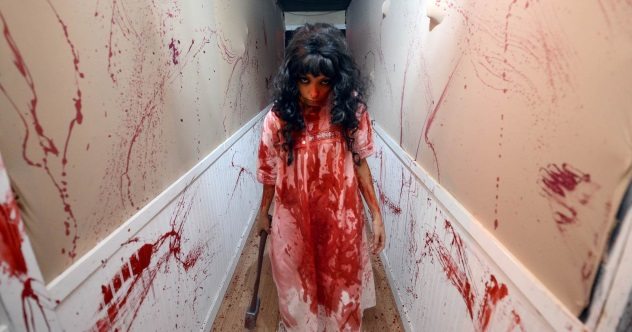
Modern haunted attractions are no longer just cardboard tombstones in someone’s garage. Many professional haunts operate like seasonal theme parks, blending live theater, set design, psychology, crowd control, insurance planning, fire code compliance, digital marketing, and retail strategy. The best ones are part maze, part movie set, part escape room, part stunt show, and part group therapy session for people who enjoy screaming in public.
Below are 10 surprising facts about the haunted house industry that reveal how America’s favorite spooky-season business really works.
1. The Haunted House Industry Is Bigger Than Many People Think
One of the biggest misconceptions about haunted houses is that they are small, local side hustles run by a few horror fans with masks and a dream. Some are exactly that, and bless them for their service. But the broader haunted house industry includes professional haunted attractions, theme park Halloween events, haunted hayrides, scream parks, corn mazes, escape-style horror experiences, zombie paintball, and immersive theater events.
Industry estimates often place haunted attraction ticket sales in the hundreds of millions of dollars annually in the United States. When major theme park Halloween events are included, the number grows even larger. The business also supports a large network of vendors selling animatronics, masks, costumes, makeup, lighting, sound systems, scenic materials, ticketing software, security services, and marketing tools.
That means your local haunted house is not just selling scares. It is participating in a full seasonal economy. The fake severed hand in the corner probably had a supply chain. Spooky, but also very American.
2. Most Professional Haunts Make Their Money In A Very Short Window
The haunted attraction business is intense because the earning season is short. Many haunts operate mainly from mid-September through early November, with the biggest crowds arriving on October weekends. A business may spend months building sets, hiring actors, training staff, securing permits, testing effects, and running ads, only to earn most of its revenue in a few busy weeks.
This creates a strange financial rhythm. A haunted house operator may work all year for a season that can be affected by weather, local competition, online reviews, staffing shortages, school schedules, and whether Halloween falls on a weekend. A rainy Saturday in October can feel scarier to the owner than any monster in the attraction.
Because of this short season, professional haunts often sell timed tickets, VIP passes, fast passes, combo tickets, merchandise, concessions, photo packages, and group deals. The goal is not only to scare guests but to maximize revenue per visitor while keeping the line moving. The monster at the exit may be growling, but the spreadsheet in the office is doing the real haunting.
3. A Serious Haunted House Can Cost A Fortune To Build
People sometimes assume haunted houses are cheap because the setting looks old, broken, dirty, and cursed. In reality, making something look convincingly abandoned can be very expensive. Professional haunted attractions may spend heavily on scenic construction, building materials, lighting, sound design, costumes, actor training, makeup, special effects, safety systems, security, insurance, rent, and advertising.
Industry discussions commonly point out that startup costs can climb quickly, especially for indoor haunts that need code-compliant exits, sprinklers, emergency lighting, alarms, queue systems, and accessible pathways. Even a modest haunt must think like a live event venue, not just a Halloween party.
The most polished attractions borrow techniques from film production and theme park design. They use detailed sets, controlled lighting, hidden speakers, smell effects, compressed-air scares, moving floors, animatronics, projection mapping, and professional-grade makeup. In other words, the “cheap old basement” may cost more per square foot than a very respectable living room.
4. Scare Actors Are Trained, Not Just Told To Yell “Boo”
A great haunted house depends on human performers. Animatronics are fun, but a live actor can adjust timing, read body language, improvise, and turn a nervous laugh into a legendary scream. That is why many professional haunts train scare actors before the season begins.
Training may include character development, movement, vocal technique, safe guest interaction, emergency procedures, makeup basics, queue entertainment, and how to scare without touching guests. Actors learn where to stand, when to strike, how to reset quickly, and how to avoid becoming predictable. A poorly timed scare is just a person in a mask breathing heavily in a corner. A well-timed scare becomes a memory people talk about all week.
Some attractions even run “scare school” sessions where performers practice zombie walks, creature sounds, clown behavior, victim acting, and scene-specific routines. It sounds ridiculous until you remember that comedy, horror, and stage combat all rely on timing. In a haunted house, half a second can separate a shriek from an awkward wave.
5. Fear Has A Sweet Spot
Haunted houses work because people enjoy controlled fear. That phrase is important: controlled. Most guests do not actually want danger. They want the feeling of danger while knowing, somewhere deep down, that the exit exists, the chainsaw has no chain, and the demon probably has a day job.
Research on recreational fear suggests that many people enjoy scary experiences most when the fear level is moderate. Too little fear feels boring. Too much fear can become overwhelming. The ideal haunted attraction pushes guests just outside their comfort zone without making them feel genuinely unsafe.
This is why professional haunts carefully design pacing. They do not usually fire jump scares every three seconds. Instead, they build tension, release it, distract visitors, change the environment, and then strike when attention is pointed elsewhere. A hallway may be quiet not because the designer forgot to add monsters, but because silence makes the next scare land harder. In the haunted house industry, fear is not random. It is choreography with fangs.
6. Safety Is One Of The Industry’s Biggest Behind-The-Scenes Concerns
The best haunted attractions are designed to feel dangerous while being carefully controlled. That is not easy. Guests walk through dark spaces, fog, tight corridors, loud soundscapes, uneven-looking sets, flashing lights, and sudden actor movements. Without careful planning, spooky can become unsafe very quickly.
Professional operators must think about fire codes, emergency exits, exit signs, fire alarms, sprinkler systems, electrical loads, flame-resistant materials, crowd flow, medical response, staff communication, and local inspections. Fire-safety organizations warn against blocked exits, overloaded electrical systems, open flames, and combustible decorations. These issues matter even more in haunted attractions because low visibility and intentionally confusing layouts are part of the experience.
This is also why many reputable attractions post guest warnings for people with heart conditions, pregnancy, epilepsy, asthma, mobility limitations, or sensitivity to fog and strobe lights. The goal is to scare people, not send them home with a medical bill and a strongly worded review.
7. Haunted Houses Are Part Theater, Part Psychology Lab
A haunted house is a live experiment in attention. Designers know guests will scan corners, watch suspicious props, and brace for obvious hiding places. So the attraction plays with expectation. The monster you expect may not move. The wall behind you may open. The harmless portrait may scream. The quiet child doll may be, tragically, not harmless at all.
This makes haunted attraction design similar to magic, comedy, and cinema. It uses misdirection, timing, contrast, sensory overload, and story structure. A successful room often has layers: a visual centerpiece, an audio cue, a hidden actor, a path that narrows attention, and a final surprise that hits from an unexpected angle.
Some attractions also build emotional variety into the route. A grotesque medical scene may be followed by a dark forest, then a clown room, then a claustrophobic tunnel, then a finale with speed and noise. This keeps guests from adapting too quickly. Fear gets stale when it uses the same flavor over and over. Even terror needs a tasting menu.
8. Halloween Spending Helps Power The Business
The haunted house industry benefits from the broader growth of Halloween spending in the United States. Americans spend billions each year on costumes, decorations, candy, parties, greeting cards, pet costumes, and seasonal entertainment. Halloween has expanded from one night of trick-or-treating into a full retail and entertainment season.
That shift helps haunted attractions in several ways. First, consumers are more willing to pay for seasonal experiences. Second, adults now participate in Halloween heavily, not just children. Third, social media encourages people to seek photo-worthy events, unusual nights out, and group activities. A haunted house is perfect for that: it gives people a story, a reaction, and proof that their friend screamed louder than they did.
The growth of Halloween also means competition. A haunted attraction is not just competing with another haunt across town. It competes with pumpkin patches, horror movie nights, fall festivals, escape rooms, theme parks, concerts, bars, and home parties. To stand out, haunts need strong branding, memorable characters, good reviews, online ticketing, and scenes that guests want to talk about afterward.
9. Trade Shows And Vendors Keep The Industry Fresh
Yes, the haunted house industry has trade shows. Very normal trade shows, except the booths may include demon babies, pneumatic corpses, latex goblins, zombie heads, and animatronic creatures that would make a dentist reconsider retirement.
Events such as Halloween and attractions trade shows bring together haunt owners, vendors, makeup artists, scenic designers, ticketing companies, safety trainers, consultants, and entertainment professionals. Operators shop for new props, attend seminars, compare trends, learn safety practices, discover marketing tools, and network with other people who can discuss fog density with a straight face.
This vendor ecosystem is one reason haunted attractions evolve so quickly. New scares, materials, and technologies spread across the industry through conventions, supplier catalogs, online communities, and professional groups. One year, everyone wants escape-room elements. Another year, it is projection effects, interactive characters, immersive storylines, or giant outdoor scare zones. The dead may rise every October, but the business model keeps moving.
10. Theme Parks Help Push Haunted Attractions Into Blockbuster Territory
Major theme parks have helped turn Halloween entertainment into a blockbuster category. Events such as Knott’s Scary Farm, Universal’s Halloween Horror Nights, Six Flags Fright Fest, and other seasonal theme park programs show how powerful haunted entertainment can be when paired with recognizable brands, large budgets, professional operations, and repeat attendance.
These events often feature multiple haunted houses, scare zones, themed food, merchandise, live shows, and intellectual property from horror movies, streaming shows, or classic monsters. They also extend the Halloween season earlier into late summer or September, giving parks more operating nights and guests more chances to attend.
Independent haunts may not have Hollywood licenses or theme park budgets, but they benefit from the public’s growing appetite for immersive Halloween entertainment. When guests experience high-quality scares at a major park, they often look for local haunts too. The result is a rising standard across the industry. Cardboard skeletons still have their charm, but today’s customers increasingly expect atmosphere, story, polish, and at least one moment that makes them question their life choices.
Why The Haunted House Industry Keeps Growing
The staying power of haunted attractions comes from a simple truth: people love shared emotional experiences. A haunted house gives friends, couples, coworkers, and families a safe reason to react loudly together. In an age of screens and solo entertainment, that kind of group experience is valuable.
Haunts also have strong repeat potential. Operators can change themes, add rooms, rotate actors, introduce new monsters, and promote a fresh “season” every year. Fans return to see what changed. Some visitors even travel to famous haunts in other states, turning haunted attractions into spooky tourism.
Another reason the industry works is that horror is flexible. A haunt can be funny, gothic, extreme, family-friendly, cinematic, historical, supernatural, science-fiction, or carnival-themed. It can be indoors, outdoors, rural, urban, low-tech, high-tech, story-driven, or pure chaos. As long as people enjoy testing their courage, haunted houses will have a market.
Experience Section: What Visiting A Professional Haunted House Really Feels Like
Walking into a professional haunted house is different from watching a horror movie because the movie cannot smell you. A haunt surrounds you. Before you even enter, the experience begins in the parking lot or queue. You hear distant screams. You see fog leaking from a doorway. A roaming actor drags a shovel across the pavement and locks eyes with the one person in your group who made the mistake of saying, “I’m not scared of this stuff.” Congratulations, that person is now the evening’s chosen sacrifice.
The line is part of the ritual. People laugh too loudly. Someone checks the safety rules and suddenly develops a deep respect for medical disclaimers. Friends negotiate walking order like military strategy: the brave one in front, the nervous one in the middle, the tall one in back, and the person with the car keys protected at all costs. By the time the door opens, everyone has already imagined something worse than what is inside.
Then the attraction takes control. The first room may be quiet, which is rude. Quiet rooms in haunted houses are never empty; they are just emotionally inconsiderate. You move slowly, trying to look everywhere at once. The lighting makes normal objects suspicious. A chair becomes suspicious. A curtain becomes suspicious. A completely ordinary barrel becomes the most suspicious barrel in North America.
The best scares arrive when your attention is busy. You look at a corpse in a bed, waiting for it to sit up. It does not. Instead, a nurse bursts through a hidden panel beside you and screams like she just saw your browser history. Your group compresses into one panicked organism. Someone steps on someone else’s shoe. Someone yells, “I hate you!” at no one in particular. The actor disappears instantly, ready to traumatize the next batch of customers with admirable work ethic.
As you continue, the scenes change. A meat locker may give way to a swamp. A clown room may lead to a spinning tunnel. A hallway may narrow until your shoulders brush the walls. Sound design does half the work: low rumbles, distant whispers, metal scraping, sudden crashes, and music that seems to breathe. Fog softens the edges of everything, so your imagination fills in the blanks. That is where haunted houses are clever. They do not need to show you everything. Your brain is perfectly willing to help, and frankly, your brain is dramatic.
By the finale, the attraction usually raises the energy. Maybe a chainsaw actor appears. Maybe the exit looks close but takes three more turns. Maybe the final monster waits outside, because apparently the parking lot was not emotionally safe either. When you finally escape, the mood changes instantly. People laugh, compare reactions, deny screaming, accuse each other of pushing, and decide whether to buy the souvenir photo that captured everyone at their least dignified angle.
That after-feeling is why the haunted house industry survives. Guests leave with adrenaline, relief, and a story. The attraction may last 20 minutes, but the memory lasts all season. It becomes a social badge: “We survived that place.” In a world where many experiences blur together, a good haunted house gives people something vivid, physical, and hilariously human. It reminds us that fear can be fun when we choose it, share it, and exit safely into the snack stand glow.
Conclusion
The haunted house industry is far more sophisticated than it appears from the outside. Behind every scream is a business that blends entertainment design, seasonal retail, safety planning, acting, psychology, marketing, and old-fashioned showmanship. Professional haunts are not just dark buildings full of rubber monsters. They are carefully built experiences designed to make guests feel fear, laughter, relief, and connection in one unforgettable night.
From multimillion-dollar theme park Halloween events to independent local attractions, haunted houses continue to thrive because they offer something digital entertainment cannot fully replace: a live, shared, unpredictable thrill. The industry’s biggest surprise may be that scaring people is not really about darkness. It is about timing, trust, creativity, and giving people permission to scream their heads off without being judged. Honestly, that might be the real American dream.