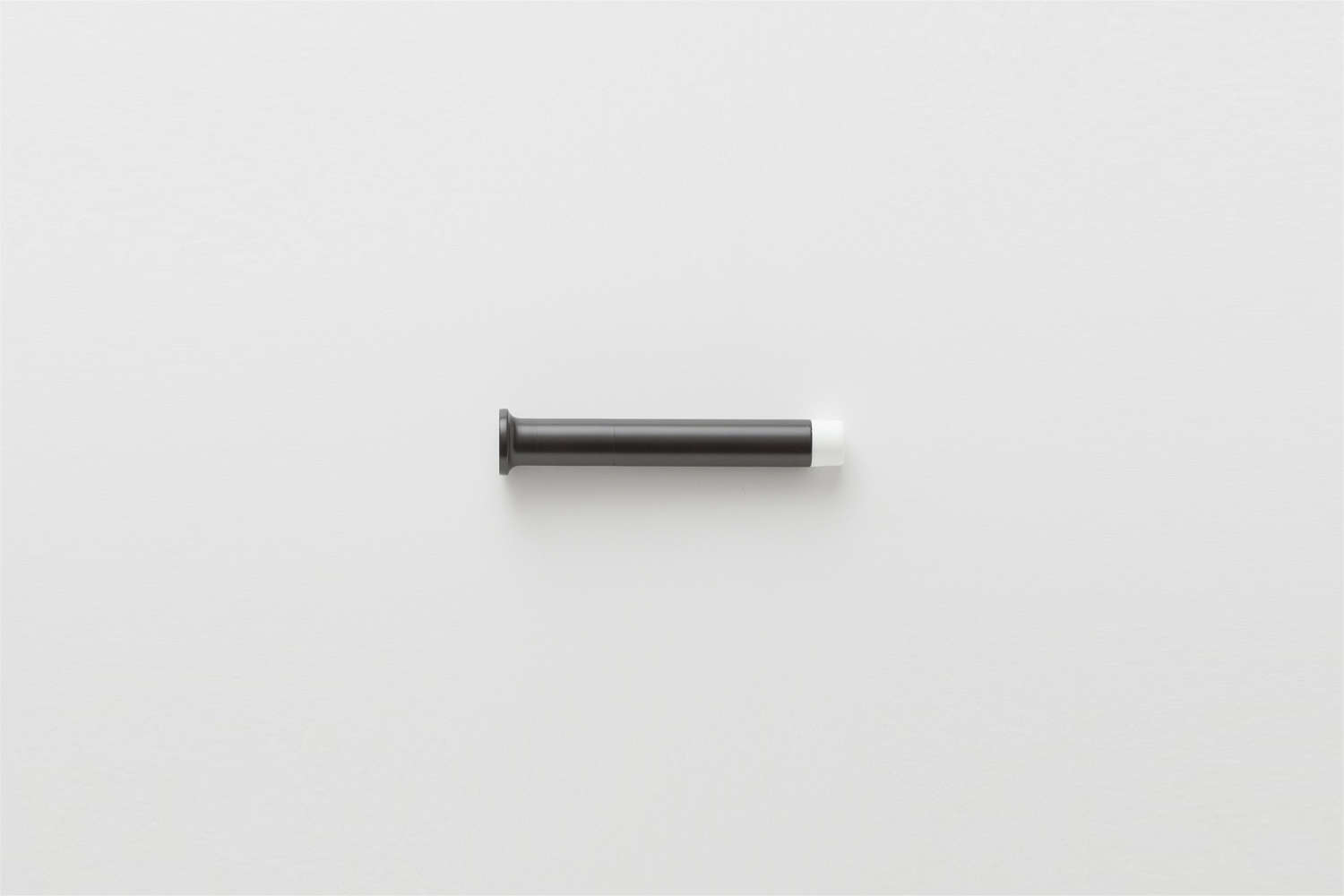
A door stop is the kind of tiny household detail nobody thinks about until a doorknob punches a neat little crater into the drywall. Then suddenly, this humble piece of hardware becomes the hero of the hallway, the defender of fresh paint, the silent bouncer keeping your door from behaving like it owns the place.
Wall-mounted door stop hardware may not have the glamour of a sculptural pendant light or the drama of a marble countertop, but it performs one of the most practical jobs in a home: protecting walls, doors, trim, furniture, appliances, and sometimes your sanity. The best versions do this without looking like an afterthought. In fact, a well-chosen wall door stop can look intentional, architectural, and quietly expensiveeven when it costs less than lunch.
This guide takes the “10 Easy Pieces” approach: ten smart categories of wall-mounted and wall-adjacent door stop hardware that work for different rooms, budgets, finishes, and design moods. Whether you are restoring an old house, upgrading builder-grade hardware, or simply tired of that mysterious round dent behind the bedroom door, here is how to choose a door stop that does its job and looks good doing it.
Why Wall-Mounted Door Stops Deserve More Respect
Door stops are small, but they solve several big problems. They prevent handles and knobs from damaging walls, reduce noise from swinging doors, protect door faces from dents, and help preserve trim, tile, cabinetry, and furniture placed near a doorway. In busy homes, especially with kids, pets, laundry baskets, backpacks, and people carrying too many grocery bags at once, doors do not always open politely. Hardware needs to be ready.
Wall-mounted door stops are especially useful when floor stops would create a tripping point, interrupt a clean floor line, or be difficult to install into tile, stone, concrete, or radiant flooring. They also work well in tight bathrooms, narrow hallways, mudrooms, offices, and laundry rooms where the door swing is predictable and the wall is the natural stopping point.
How to Choose the Right Wall-Mounted Door Stop Hardware
Match the Stop to the Door Swing
Before choosing a finish or shape, open the door slowly and see exactly where it wants to hit. Does the knob meet the wall? Does the lever strike a tile edge? Does the door itself contact the baseboard first? The correct stop depends on the impact point. A round wall bumper works well when the knob or lever is the problem. A projecting baseboard stop is better when you want to stop the door before any hardware reaches the wall.
Think About Projection
Projection is the distance the stop extends from the wall or baseboard. Too short, and the door hardware still hits the wall. Too long, and the stop looks like a tiny metal diving board. Measure the depth of the knob, lever, towel hook, or over-door organizer before buying. A few extra fractions of an inch can save a patch-and-paint project later.
Choose a Finish That Belongs
The safest design move is to coordinate the door stop with nearby hardware: door levers, hinges, cabinet pulls, towel bars, or light switch plates. Satin nickel, polished chrome, oil-rubbed bronze, matte black, aged brass, unlacquered brass, and bronze patinas are common choices. Matching every finish is not required, but the stop should look like it was invited to the roomnot like it wandered in from a garage sale.
Respect the Wall Material
Drywall needs anchors. Wood trim can usually accept screws directly. Masonry, tile, stone, and concrete require appropriate drill bits and fasteners. For heavy doors or high-traffic spaces, choose hardware with a solid backplate, concealed mounting, or a commercial-grade design. The goal is not just to stop the door; it is to keep the stop from becoming the next thing that damages the wall.
10 Easy Pieces: Wall-Mounted Door Stop Hardware Ideas
1. The Classic Round Wall Bumper
The classic round wall bumper is the simplest answer to the doorknob dent. Usually installed at knob height, it has a round metal rosette or plate with a rubber center that cushions impact. This style is discreet, affordable, and easy to understand. It is especially useful behind bedroom, closet, bathroom, and office doors.
Look for solid brass or stainless steel if you want long-term durability. A basic plated steel version can work in low-traffic spaces, but solid brass generally feels more substantial and ages better. Traditional versions with decorative rosettes are great for older homes, while plain disks suit modern interiors.
2. The Minimalist Flush Wall Stop
For clean-lined homes, a minimalist wall stop is the hardware equivalent of a white T-shirt that actually fits. It does not call attention to itself. It simply sits on the wall, takes the hit, and lets the room remain calm.
These pieces often feature a low-profile metal disk with a convex or flat rubber bumper. They work beautifully in modern apartments, Scandinavian-inspired interiors, and spaces where door hardware is already simple. Choose matte black for contrast, satin nickel for neutrality, or brass for warmth.
3. The Baseboard-Mounted Rigid Door Stop
A baseboard-mounted stop is technically not always installed on the wall surface itself, but it belongs in the same family because it protects the wall by projecting from the baseboard. This style is one of the most common residential choices. It screws into the baseboard and has a rubber tip that meets the door before the knob reaches the wall.
Rigid baseboard stops look more finished than spring stops and are less likely to become a toy, musical instrument, or chewable curiosity. Anyone who has heard a child twang a spring door stop for ten straight minutes understands the upgrade.
4. The Extended Projection Stop
Some doors need a little more reach. Maybe the knob is unusually deep, the wall has wainscoting, or there is a robe hook mounted on the back of the door. An extended projection stop gives you extra distance so the door stops before hardware or accessories collide with the wall.
Adjustable or modular versions are particularly useful when you are not sure how much projection you need. They allow fine-tuning after installation, which is helpful in real homes where measurements sometimes meet reality and reality says, “Cute effort.”
5. The Heavy-Duty Commercial Wall Stop
Commercial-style wall stops are built for schools, offices, restaurants, apartment corridors, and other places where doors live a rougher life. They often feature sturdy brass or stainless steel construction, concealed mounting, tamper-resistant details, and rubber bumpers designed to absorb repeated impact.
Homeowners should not overlook them. A commercial-grade wall stop can be perfect for a mudroom, garage entry, basement, rental property, or any door that gets flung open with heroic enthusiasm. Concave bumpers are useful when the stop needs to receive a projecting lock button or knob shape, while convex bumpers work for broader contact points.
6. The Decorative Rosette Door Stop
If your home has antique knobs, traditional trim, picture rails, or vintage-inspired lighting, a decorative rosette door stop can look far more appropriate than a generic plastic wall protector. These pieces often echo historic hardware forms, with round, reeded, floral, or classic backplates made from forged or cast brass.
This is a small detail, but small details are where character hides. A decorative wall-mounted door stop can make a renovated old house feel more coherent. It says, “Yes, even the thing behind the door was considered.” That is design confidence in miniature.
7. The Solid Bronze Artisan Stop
Solid bronze door stop hardware sits at the luxury end of the category. Bronze has weight, warmth, and natural variation. It suits high-end residential projects, mountain homes, historic renovations, and interiors where hardware is treated as part of the architecture rather than as an afterthought.
Bronze stops often come in rich patinas such as dark bronze, white bronze, silicon bronze, or blackened finishes. They pair well with custom levers, bronze hinges, stone floors, plaster walls, and natural wood. They are not the cheapest choice, but they can make even a door stop feel heirloom-level serious.
8. The Hook-and-Eye Hold-Open Stop
Some wall or base-mounted stops do more than stop the door; they also hold it open. A hook-and-eye design uses a small hook on the stop and an eye mounted on the door. When engaged, it keeps the door openuseful for breezy rooms, laundry areas, pantries, workshops, and spaces where doors tend to drift shut at the worst possible moment.
This type is practical but more visible, so it works best where function matters or where traditional hardware feels at home. It is also a nice solution for older homes, where a mechanical, analog detail often looks better than a plastic gadget.
9. The Magnetic Wall or Base Stop
Magnetic door stops are clever little multitaskers. They stop the door and can hold it open using magnetic contact. They are common in modern homes, bathrooms, closets, and areas where hands-free hold-open function is useful.
However, magnetic stops require careful placement. The magnet and strike plate must align properly, and the door must swing naturally to that point. Installed well, they feel satisfying. Installed poorly, they become a tiny household argument mounted at ankle height.
10. The Budget Wall Protector
Not every situation requires artisan bronze or architectural-grade hardware. Sometimes you just need to stop a doorknob from making drywall confetti. Budget wall protectors, often made of plastic, vinyl, or simple metal-backed rubber, can be useful in rentals, dorm rooms, utility closets, and quick repairs.
The downside is appearance. Adhesive plastic wall shields are practical, but they rarely look refined. Use them where speed and cost matter most. For visible rooms, a screw-mounted metal door stop usually looks more intentional and lasts longer.
Best Rooms for Wall-Mounted Door Stops
Bathrooms
Bathrooms are prime door stop territory because space is tight and walls are often covered with tile, mirrors, towel bars, or cabinetry. A wall-mounted stop can prevent the lever from cracking tile or tapping a glass shower panel. Choose corrosion-resistant finishes and avoid anything too bulky in narrow rooms.
Bedrooms
Bedroom doors often swing into painted drywall, which makes damage easy to spot. A simple round wall bumper or baseboard-mounted stop is usually enough. Match it to the door lever or hinge finish for a cleaner look.
Laundry Rooms and Mudrooms
These rooms get action. Doors are opened with elbows, hips, laundry baskets, sports bags, and occasionally mild household panic. A heavy-duty stop, extended stop, or hold-open style can be a smart choice.
Kitchens and Pantries
Kitchen doors may swing toward cabinets, appliances, shelving, or tile backsplashes. Wall-mounted or base-mounted stops help prevent chips, dents, and noisy collisions. If the door needs to stay open while unloading groceries, consider a magnetic or hook-and-eye model.
Installation Tips Before You Drill
First, test the swing. Open the door slowly and mark the contact point with painter’s tape. Do not guess. Doors have a way of making guesses look foolish.
Second, confirm what is behind the mounting spot. Drywall alone may need an anchor. Wood trim may accept screws. Tile or masonry requires the right bit and patience. If you are drilling into expensive tile, take a deep breath, measure twice, and maybe measure a third time for emotional support.
Third, check the door hardware shape. Lever handles, round knobs, deadbolts, privacy buttons, and backplates all change the impact point. A concave rubber bumper may be better for projecting buttons. A broad convex bumper may be better for general contact.
Finally, install the stop firmly but do not overtighten. Hardware should sit flat and secure. Rubber bumpers should be replaceable if possible, especially in high-use areas.
Common Mistakes to Avoid
Installing the Stop Too Low
If the doorknob hits the wall but the stop is mounted near the floor, the damage will continue. Place wall bumpers at the actual impact point.
Choosing the Wrong Projection
A short stop cannot protect a wall from a deep lever. Always measure the distance from the wall to the outermost part of the door hardware.
Ignoring Finish Quality
Cheap finishes can scratch, flake, or discolor. In visible spaces, choose a finish that coordinates with your other hardware and can handle daily contact.
Using Adhesive Stops on Delicate Paint
Adhesive protectors can peel paint when removed. They are useful in temporary settings, but screw-mounted hardware is usually better for permanent homes.
Design Advice: Make the Door Stop Look Intentional
The best door stop disappears in the right way. It should be visually quiet but not cheap-looking. Match the finish to the hinges or handle, keep the scale appropriate, and choose a style that fits the house. A Victorian-style rosette looks charming in a historic hallway but odd in a sleek modern loft. A minimalist black stop can look crisp in a contemporary home but too stark beside ornate brass knobs.
For a polished result, repeat the same door stop style throughout a floor or zone. Bedrooms can share one finish, bathrooms another, and utility spaces can use heavier-duty options. Consistency makes even small hardware feel designed.
Material Guide: Brass, Bronze, Stainless Steel, and More
Solid brass is a favorite for residential hardware because it is durable, attractive, and available in many finishes. It suits both traditional and modern interiors.
Bronze is heavier, richer, and often more expensive. It works beautifully in custom homes, rustic-modern spaces, and historic renovations.
Stainless steel is clean, strong, and corrosion-resistant, making it ideal for commercial settings, modern interiors, and damp areas.
Zinc alloy and plated steel can be budget-friendly and perfectly serviceable, though they may not age as gracefully as solid brass or bronze.
Rubber bumpers are the unsung stars. A good bumper absorbs impact, reduces noise, and protects the door surface. If the rubber is replaceable, even better.
Experience Notes: What Living With Wall-Mounted Door Stops Teaches You
After paying attention to door stops in real homes, one thing becomes clear: the best hardware is the piece you never have to think about again. A good wall-mounted door stop quietly solves a problem for years. A bad one reminds you of its existence every time the door bangs, bends, loosens, squeaks, or misses the contact point entirely. In other words, door stops are small, but they are not trivial.
The first practical lesson is that placement matters more than price. A beautiful brass wall stop mounted half an inch off target is less useful than a basic hardware-store stop placed perfectly. Before drilling, open the door with normal force, not theatrical slow motion. Watch where the knob, lever, lock button, or door rail naturally wants to land. That is your real-world impact point. Painter’s tape is your friend. So is patience. A door stop installed in the wrong place becomes modern art, and not the good kind.
The second lesson is that finish coordination makes a room feel calmer. A satin nickel door stop beside satin nickel hinges looks invisible in the best possible way. A matte black stop can look sharp when paired with black levers or black cabinet pulls. Brass warms up white walls, wood floors, and traditional trim. Oil-rubbed bronze can be excellent in older homes, but it may look heavy in small rooms with pale finishes. The goal is not perfection; it is visual agreement.
The third lesson is that different rooms need different levels of toughness. A guest bedroom door may need only a simple round bumper. A mudroom door, however, may need something beefier because that door is probably being opened by someone carrying shoes, bags, dog leashes, and a beverage they should have put down first. Laundry rooms, garages, and pantry entries benefit from more durable stops with longer projection or hold-open features.
The fourth lesson is that wall material can turn a five-minute job into a mini renovation if ignored. Drywall anchors are fine for many light-duty stops, but high-impact doors need secure mounting. Tile requires careful drilling. Plaster walls in old homes can crumble if treated casually. Baseboards vary too: solid wood trim holds screws better than thin MDF, especially if the door is heavy. When in doubt, upgrade the fastener rather than blaming the door later.
The fifth lesson is that children and pets will test every household object for entertainment value. Spring stops become instruments. Loose rubber tips become mysteries. Magnetic stops become curiosities. For family spaces, choose sturdy, simple hardware with fewer removable parts. A rigid baseboard stop or solid wall bumper is usually more peaceful than anything that twangs, flips, or invites investigation.
Finally, there is the design satisfaction. Replacing mismatched, bent, plastic, or rusty door stops with coordinated hardware is oddly rewarding. It is not a glamorous project, but it makes the house feel cared for. Like aligned switch plates, matching hinges, and clean caulk lines, thoughtful door stop hardware belongs to the quiet category of improvements that make a home feel finished. Nobody may walk in and say, “Wow, stunning door stop.” But nobody will notice a doorknob-shaped hole in the wall either, and that is the real victory.
Conclusion
Wall-mounted door stop hardware proves that practical details can still be beautiful. The right stop protects your walls, preserves your doors, reduces noise, and adds a subtle finishing touch to the room. Whether you choose a classic brass rosette, a minimalist wall bumper, a heavy-duty commercial stop, or a solid bronze piece worthy of an architectural close-up, the smartest choice is the one that fits your door swing, wall material, finish palette, and daily life.
Think of door stops as tiny insurance policies with better manners. They do not ask for attention, they do not take up much space, and they prevent damage before it starts. In a world full of expensive home upgrades, that is refreshingly sensible. Also, unlike a new sofa, a door stop will never argue with your rug.