Hydrogen peroxide is one of those household products that looks innocent enough: a clear liquid in a brown bottle, usually hiding in the bathroom cabinet beside expired bandages and a thermometer nobody trusts. But this simple chemical has a surprisingly dramatic personality. It can disinfect surfaces, help whiten teeth in regulated products, bubble on contact with organic material, bleach fabrics, support industrial processes, and irritate skin if used carelessly. In other words, hydrogen peroxide is usefulbut it is not a magical health potion, a cure-all, or something to splash around like liquid confetti.
This guide explains what hydrogen peroxide is, how it works, common household and professional uses, and the risks people should understand before using it. The goal is not to make hydrogen peroxide sound scary. The goal is to treat it with the same respect you would give a kitchen knife: helpful in the right context, not great when misused, and definitely not something to swallow because the internet got weird again.
What Is Hydrogen Peroxide?
Hydrogen peroxide is a chemical compound made of hydrogen and oxygen. Its formula is H2O2, which means it is similar to water, H2O, but with one extra oxygen atom. That extra oxygen makes all the difference. It gives hydrogen peroxide its oxidizing power, allowing it to break down certain organic materials, lighten stains, and damage microorganisms under the right conditions.
Most people know hydrogen peroxide as the 3% solution sold in drugstores. That means the bottle contains 3% hydrogen peroxide and 97% water, along with stabilizers that help keep it from breaking down too quickly. Higher concentrations exist for industrial, laboratory, cosmetic, agricultural, and cleaning uses, but they can be much more hazardous. The “stronger is better” idea does not apply here. With hydrogen peroxide, stronger can quickly become “please call Poison Control.”
How Hydrogen Peroxide Works
Hydrogen peroxide works mainly through oxidation. When it comes into contact with certain substances, it can release oxygen and create reactive molecules that damage cell components in bacteria, viruses, fungi, and other microorganisms. This is why it has a long history as an antiseptic and disinfectant.
The familiar fizzing you may see when hydrogen peroxide touches a scrape or organic debris is oxygen being released. Many people interpret that bubbling as “germs dying in real time,” which sounds satisfying, like a tiny cleaning orchestra. But the foam does not prove that a wound is being healed. It only shows that hydrogen peroxide is reacting with material on the skin or in the wound. That reaction can also irritate healthy tissue, which is why many medical sources now recommend plain running water for routine minor wound cleaning instead of hydrogen peroxide.
Common Uses of Hydrogen Peroxide
1. Household Surface Cleaning
Hydrogen peroxide is commonly used in cleaning products because it can help reduce microbes on surfaces. It is often found in disinfectant sprays, bathroom cleaners, stain removers, and products marketed as alternatives to chlorine bleach. Used according to the product label, it can be useful on hard, nonporous surfaces such as sinks, counters, and bathroom fixtures.
However, not every bottle of hydrogen peroxide is automatically an all-purpose disinfectant. Disinfecting depends on concentration, contact time, surface type, and whether the product is registered or labeled for that use. If a label says the surface must stay wet for a certain period, that is not decorative text. It is the product’s way of saying, “Let me work, please.”
2. Laundry and Stain Removal
Hydrogen peroxide can help lift certain stains, especially organic stains such as blood, sweat, wine, and food marks. Its mild bleaching action is why it appears in some color-safe laundry boosters. It can be gentler than chlorine bleach on many fabrics, but it can still lighten colors or damage delicate materials. Testing on a hidden area is a wise move unless you enjoy turning a favorite shirt into modern art.
3. Oral Care and Teeth Whitening Products
Hydrogen peroxide is used in some mouth rinses, whitening strips, whitening gels, and professional dental treatments. In oral care, it helps remove stains and can reduce certain oral bacteria when formulated properly. Dentist-supervised whitening systems often use peroxide-based ingredients because they can lighten tooth color more effectively than ordinary brushing alone.
The key phrase is “formulated properly.” Swishing random household hydrogen peroxide in the mouth, using it too often, or using high concentrations can irritate gums, increase tooth sensitivity, and potentially harm oral tissues. Teeth are not bathroom tiles. They do not need aggressive bleaching experiments performed by a person holding a mirror and making questionable decisions at midnight.
4. First Aid Antiseptic Labeling
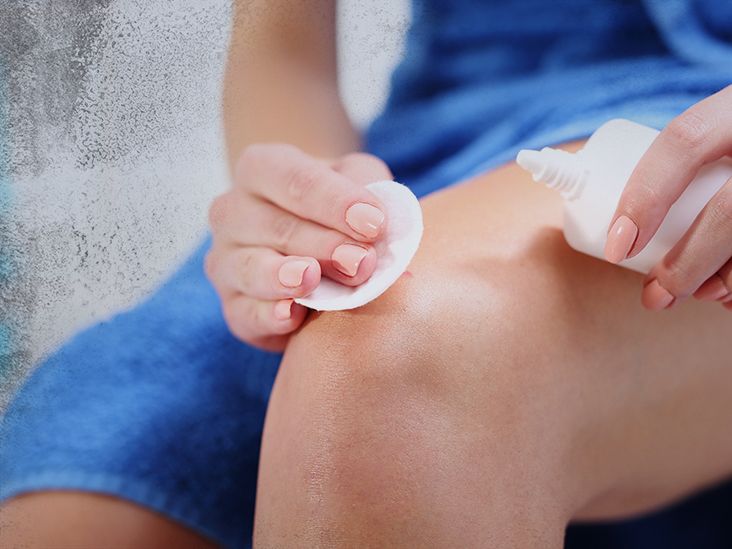
Some 3% hydrogen peroxide products are labeled as first aid antiseptics for minor cuts, scrapes, and burns. That history is why many families still keep a bottle in the medicine cabinet. But modern first aid guidance often prefers rinsing minor wounds with clean running water and washing the surrounding skin with soap. Hydrogen peroxide can irritate the wound area and may slow healing when used repeatedly.
For minor cuts, the safer routine is usually simple: rinse, remove visible debris if possible, apply a clean dressing, and watch for signs of infection. For deep, dirty, animal-related, or slow-healing wounds, professional medical advice is the better route. Hydrogen peroxide is not a substitute for wound care, stitches, tetanus guidance, or common sense.
5. Hair Lightening and Cosmetic Uses
Hydrogen peroxide is widely used in hair bleaching and coloring products because it helps open the hair cuticle and oxidize natural pigment. In cosmetic formulas, it is combined with other ingredients and instructions to control the process. Used incorrectly, it can irritate the scalp, burn skin, weaken hair, or create that unforgettable “crispy straw” texture nobody requested.
For skin care, hydrogen peroxide is generally not recommended as a DIY acne treatment or skin-lightening tool. It may kill some bacteria, but it can also irritate skin, disrupt healing, and worsen inflammation. Acne and hyperpigmentation have better-supported options, including products designed specifically for skin and advice from dermatology professionals.
6. Agriculture, Food Processing, and Professional Settings
Beyond the home, hydrogen peroxide appears in agriculture, food processing, laboratories, hospitals, and manufacturing. It may be used to control bacteria and fungi, sterilize equipment, treat wastewater, or support specialized cleaning systems. In these environments, workers use specific concentrations, ventilation, protective equipment, and safety procedures.
This professional use is important because it shows hydrogen peroxide is genuinely usefulnot just a dusty drugstore relic. But it also shows why context matters. A trained worker using a labeled product with protective gear is not the same as a person mixing random chemicals in the kitchen because a comment section said it was “natural.” Arsenic is natural too. Nature is not always your wellness coach.
Risks and Side Effects of Hydrogen Peroxide
Skin Irritation and Burns
Low-concentration household hydrogen peroxide can irritate skin, especially with repeated use. It may cause temporary whitening, stinging, dryness, redness, or a mild burning sensation. Higher concentrations can cause more serious burns and tissue injury. Children may be more vulnerable to chemical exposure because their bodies are smaller and their skin surface area is proportionally larger.
Eye Injury
Hydrogen peroxide can irritate or injure the eyes. Even household-strength solutions can sting and cause redness, while stronger products can be dangerous. Eye exposure should be treated seriously. Rinsing with clean water and seeking medical guidance is important, especially if pain, blurry vision, or irritation continues.
Ingestion Hazards
Hydrogen peroxide should not be swallowed. Ingestion can cause nausea, vomiting, stomach irritation, foaming, and, in more serious cases, internal injury. High-concentration “food grade” hydrogen peroxide is especially dangerous despite the friendly-sounding name. “Food grade” does not mean “drinkable.” It usually refers to purity standards for certain industrial or food-processing contexts, not a green light for home health experiments.
Swallowing concentrated hydrogen peroxide can release large amounts of oxygen gas inside the body, creating serious complications. Anyone who ingests hydrogen peroxide should contact Poison Control or emergency services, especially if the amount is more than a tiny accidental taste, the concentration is unknown, or symptoms occur.
Breathing Irritation
Hydrogen peroxide vapor or mist can irritate the nose, throat, and lungs. This is more likely with stronger products, poor ventilation, spray applications, or occupational exposure. People with asthma or sensitive airways may notice symptoms more easily. Good ventilation and label-following are not boring safety details; they are the difference between cleaning the bathroom and accidentally turning it into a regret chamber.
Damage to Wound Healing
Hydrogen peroxide became famous for wound cleaning because it bubbles dramatically and seems to “do something.” But healing is not a fireworks show. Repeated use on cuts can irritate healthy cells involved in tissue repair. For many minor wounds, clean running water is enough to remove dirt and lower infection risk. If the wound is serious, medical care beats bathroom chemistry.
Unsafe Mixing With Other Chemicals
Hydrogen peroxide should not be casually mixed with other cleaning products. Combining household chemicals can create irritating or dangerous reactions. Mixing it with vinegar, bleach, ammonia-based cleaners, or unknown products is risky. A clean home is nice; a surprise chemistry cloud is not.
Who Should Be Extra Careful?
Some people should be especially cautious with hydrogen peroxide. Parents and caregivers should store it out of reach of children. Pet owners should avoid using it on animals unless directed by a veterinarian. People with sensitive skin, chronic wounds, mouth ulcers, gum disease, asthma, or chemical sensitivities should talk with a healthcare professional before using peroxide-containing products on the body.
Workers who use hydrogen peroxide in healthcare, cleaning, agriculture, or industry should follow workplace safety standards, including ventilation, eye protection, gloves, training, and spill procedures. At higher concentrations, hydrogen peroxide is not a casual cleaner. It is a chemical oxidizer that deserves careful handling.
Safe Storage Tips
Hydrogen peroxide breaks down into water and oxygen over time, especially when exposed to heat, light, or contamination. That is why it is usually sold in a brown bottle. Store it in its original container, tightly closed, away from sunlight, heat, children, and pets. Do not transfer it into drink bottles, cups, or unlabeled containers. Nothing good begins with “I thought it was water.”
Expired or old hydrogen peroxide may lose effectiveness. If it no longer bubbles when used for an appropriate non-body cleaning purpose, it may have broken down. Dispose of household-strength products according to local guidance and label directions.
Hydrogen Peroxide Myths
Myth 1: If It Bubbles, It Means the Wound Is Getting Cleaner
Bubbling means hydrogen peroxide is reacting with organic material. It does not prove the wound is healing, and it does not mean repeated use is helpful.
Myth 2: Food Grade Means Safe to Drink
This is one of the most dangerous myths. Food-grade hydrogen peroxide is often highly concentrated and can cause severe injury if swallowed or used improperly.
Myth 3: Natural Breakdown Means No Risk
Hydrogen peroxide breaks down into water and oxygen, which sounds wonderfully harmless. But before it breaks down, it can irritate, bleach, burn, oxidize, and injure tissues depending on concentration and exposure.
Myth 4: It Is the Best Cleaner for Everything
Hydrogen peroxide is useful, but it is not perfect for every surface. It may discolor fabrics, affect natural stone, damage some finishes, or fail to disinfect if not used according to directions.
When to Get Medical Help
Get medical advice promptly if hydrogen peroxide gets in the eyes, is swallowed, causes a burn, triggers breathing symptoms, or is used on a wound that becomes more painful, swollen, warm, red, or filled with drainage. Call emergency services if someone has trouble breathing, loses consciousness, has a seizure, or shows severe symptoms after exposure.
For possible poisoning in the United States, Poison Control can provide expert guidance. Quick action matters. Waiting to “see what happens” is not a strategy; it is suspense, and suspense belongs in movies, not chemical exposures.
Practical Experiences With Hydrogen Peroxide: Real-Life Lessons From the Brown Bottle
Many people first meet hydrogen peroxide in childhood. A scraped knee appears, an adult reaches for the brown bottle, and suddenly the cut becomes a bubbling science fair project. The foam looks impressive, and the sting feels official, as if healing requires a tiny dramatic performance. Years later, many adults still associate that fizz with cleanliness. The experience is common, but it also teaches a useful lesson: not everything that looks active is automatically the best choice. Today, many first aid recommendations favor gentle rinsing with clean water for minor wounds because healing tissue appreciates kindness more than chemical enthusiasm.
Another everyday experience happens in the laundry room. Someone discovers a mystery stain on a white shirt and decides hydrogen peroxide might save the day. Sometimes it does. The stain fades, the shirt survives, and the user feels like a domestic wizard. Other times, the fabric lightens unevenly or a colored item develops a pale spot that looks suspiciously like regret. The lesson is simple: hydrogen peroxide can be helpful for stains, but fabrics have personalities. A small spot test can prevent a laundry victory from becoming a donation-bin situation.
In the bathroom, hydrogen peroxide often appears as part of oral care. People may notice it listed on whitening strips or mouth rinses and assume the drugstore bottle can perform the same job. This is where product design matters. Commercial dental products are made with specific concentrations, exposure times, flavoring systems, and safety directions. Free-styling with household peroxide can irritate gums or make teeth sensitive. The better experience is to use dental products as labeled and ask a dentist before starting a whitening routine, especially for people with crowns, fillings, gum problems, or sensitive teeth.
There is also the cleaning experience. Hydrogen peroxide can be satisfying on bathroom grime, cutting boards, trash cans, and other hard surfaces when used in the right product and according to instructions. The mistake many people make is spraying and wiping immediately. Disinfectants usually need contact time. That means the surface must stay wet long enough for the product to work. It is not glamorous, but neither is wiping too soon and merely giving germs a refreshing mist.
Storage creates another memorable lesson. Hydrogen peroxide loses strength when exposed to light, heat, or contamination. A bottle that has been open for years may be more “sad water” than useful cleaner. Keeping it in the original brown container, tightly closed, helps preserve it. Labeling matters too. No one should have to solve a mystery bottle puzzle under the sink.
The biggest experience-based takeaway is balance. Hydrogen peroxide is neither a miracle cure nor a villain in a bottle. It is a useful chemical with limits. Respect the label, avoid swallowing it, keep it away from eyes, use body-care products only as directed, and do not mix it with other cleaners. Treated wisely, hydrogen peroxide can be a helpful part of the home. Treated casually, it can cause irritation, injury, or a very awkward call to Poison Control.
Conclusion
Hydrogen peroxide is a versatile oxidizing agent used in household cleaning, stain removal, oral care products, hair color formulas, agriculture, healthcare, and industry. Its usefulness comes from the same chemistry that creates its risks. It can damage microbes and lighten stains, but it can also irritate skin, harm eyes, upset the stomach, affect breathing, and delay wound healing when misused.
The safest approach is simple: use the right product for the right job, follow the label, avoid high-concentration products unless professionally trained, never swallow hydrogen peroxide, and choose gentler wound care for everyday cuts. The brown bottle may be small, but it has a big personality. Handle it with respect, and it can be helpful. Treat it like a cure-all, and it may remind you that chemistry always reads the fine print.