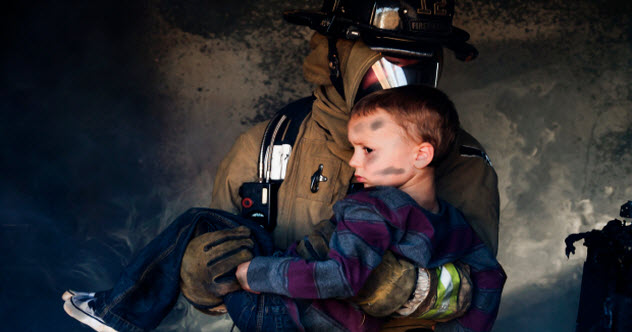
In every devastating attack, the headlines usually focus on the horror, the timeline, the unanswered questions, and the scale of loss. That is understandable. Tragedy demands facts. But hidden inside many of history’s darkest hours are stories of people who did not wait for a perfect plan, a title, a cape, or even matching socks. They simply acted.
These unsung heroes of devastating attacks were flight attendants, students, coaches, nurses, security leaders, bystanders, veterans, and everyday workers who suddenly found themselves standing at the edge of history. Some had training. Some had none. Some survived and carried the weight of memory. Others gave everything. Their stories matter because they remind us that courage is not always loud. Sometimes it sounds like a calm voice on a phone call, a door being opened, a coach stepping toward danger, or a person in a red bandana guiding strangers through smoke.
This article honors ten awe-inspiring heroes whose actions during attacks saved lives, gave hope, and showed what humanity looks like when everything else seems to be falling apart.
1. Welles Crowther: The Man in the Red Bandana
Welles Crowther was only 24 years old when the September 11 attacks changed the world. He worked as an equities trader in the South Tower of the World Trade Center, but on that morning, he became something far greater: a guide, a protector, and a symbol of brave action under impossible pressure.
Survivors later described a mysterious young man wearing a red bandana over his nose and mouth who appeared amid confusion and smoke on the 78th-floor sky lobby. He calmly directed people toward a stairway and helped them reach safety. According to the National September 11 Memorial & Museum, Crowther made multiple trips back to help as many people as possible. Months later, his mother recognized the description. Welles had carried a red handkerchief since childhood.
What makes Crowther’s story so powerful is not only the bravery, but the steadiness. He did not perform heroism as a dramatic speech. He gave instructions, pointed people toward hope, and kept returning. In an age where everyone wants to “go viral,” Welles Crowther reminds us that the most meaningful legacy may be left by people who never expected applause.
2. Rick Rescorla: The Security Chief Who Prepared Before Disaster
Rick Rescorla was Morgan Stanley’s vice president of security at the World Trade Center, and he believed preparation was not boring paperwork. It was life insurance with a clipboard. After the 1993 World Trade Center bombing, he pushed for regular evacuation drills, even when some employees considered them inconvenient. On September 11, 2001, that preparation mattered.
When danger struck, Rescorla ordered the evacuation of thousands of Morgan Stanley employees from the South Tower. He used his training, his voice, and his authority to keep people moving. The Congressional Medal of Honor Society credits his actions with saving more than 2,700 lives. After leading people out, he went back in to search for others.
Rescorla’s story teaches a lesson many workplaces politely ignore until it is too late: drills are not “just drills.” Leadership is built before the emergency. Courage often begins months or years earlier, in the dull meetings, the uncomfortable warnings, and the stubborn insistence that people practice what to do.
3. Betty Ong: The Calm Voice That Helped Alert a Nation
Betty Ann Ong was an American Airlines flight attendant aboard Flight 11 on September 11. As the crisis unfolded, she placed a call to the airline’s reservation desk and stayed on the phone for 23 minutes, relaying critical information with remarkable calm.
Ong’s professionalism helped people on the ground understand that the flight had been hijacked. She communicated details from her fellow crew members and continued reporting as long as she could. The 9/11 Memorial describes her as courageous and deeply dedicated to her passengers, the kind of flight attendant who sometimes skipped breaks to make others comfortable.
Betty Ong’s heroism was not cinematic in the usual sense. She was not running through a burning hallway or wrestling danger to the ground. She was doing something equally vital: staying clear-headed when panic would have been perfectly understandable. Her story proves that in a crisis, information can be a lifeline, and a steady voice can become an act of public service.
4. The Passengers and Crew of Flight 93: Ordinary People Who Chose Action
United Flight 93 is remembered not only for tragedy, but also for collective courage. The passengers and crew learned enough about the wider attacks to understand that their hijacked plane might be used as a weapon. With little time and no guarantee of survival, they organized themselves and acted.
The National Park Service lists the passengers and crew members at the Flight 93 National Memorial, including Todd Beamer, Mark Bingham, Tom Burnett, Jeremy Glick, flight attendants CeeCee Lyles and Sandy Bradshaw, and many others. Their resistance prevented the plane from reaching its intended target, saving lives on the ground.
The story of Flight 93 is often told through a few famous names, but its heroism was collective. It belonged to people making phone calls, sharing information, voting on what to do, and moving together. That matters. In many emergencies, survival depends not on one superhero, but on strangers becoming a team before anyone has time to print name tags.
5. Carlos Arredondo: The Man in the Cowboy Hat at the Boston Marathon
After the 2013 Boston Marathon bombing, one of the most recognized images showed Carlos Arredondo, a peace activist in a cowboy hat, helping an injured spectator named Jeff Bauman. Arredondo had come to the marathon to support runners honoring military service members. In seconds, celebration became chaos.
WBUR reported that Arredondo moved through barriers to help Bauman and became known as “the man in the cowboy hat.” His response was not polished or rehearsed. It was human instinct sharpened by compassion. He saw someone in desperate need and moved toward him when many people were still trying to understand what had happened.
Arredondo’s story resonates because he was not an official first responder. He was a bystander who refused to remain only a bystander. His actions remind us that emergency response often begins before the ambulance arrives, with the nearest person willing to help.
6. Imran Yousuf: The Bouncer Who Opened a Way Out at Pulse
During the 2016 attack at Pulse nightclub in Orlando, Imran Yousuf, a Marine veteran working as a bouncer, helped dozens of people escape. Marine Corps Times reported that Yousuf heard gunfire, recognized the danger, and moved toward a locked exit where frightened people had gathered.
He later said people were frozen by fear, so he jumped over to unlatch the door. By creating an exit, he estimated that around 60 to 70 people were able to get out safely. The action took only moments, but those moments mattered.
Yousuf’s story is a powerful example of how training can meet compassion. He did not just know what danger sounded like; he understood that people under extreme fear may not be able to move, decide, or act quickly. So he acted for them. Sometimes heroism is not about defeating the threat. Sometimes it is about finding the door.
7. Jonathan Smith: The Las Vegas Survivor Who Kept Helping Others
Jonathan Smith attended the 2017 Route 91 Harvest music festival in Las Vegas to celebrate with family. When the attack began, he did not simply flee. The Washington Post reported that Smith helped guide people away from danger, urging concertgoers to move and assisting others even after he himself was hurt.
Smith later struggled deeply with the emotional aftermath, but he also spoke about feeling given a second chance at life. His story matters because heroism does not end when the headlines fade. Survivors often carry invisible injuries, and the road after an attack can be long, uneven, and full of days when getting out of bed is its own kind of courage.
What Smith did during the attack was brave. What he continued to do afterwardconnect with other survivors, remember those lost, and rebuild his lifealso deserves recognition. Courage can look like helping people run. It can also look like learning how to live again.
8. Kendrick Castillo: The Student Who Protected His Classmates
Kendrick Castillo was an 18-year-old senior at STEM School Highlands Ranch in Colorado. In 2019, during an attack at the school, he moved toward the threat to protect his classmates. CBS Colorado reported that Castillo’s actions helped stop the attack and that a memorial now honors his bravery.
Kendrick was remembered not only for what he did in one terrible moment, but for who he was every day: a student who loved engineering, robotics, family, and friends. That distinction matters. Heroes are not born in the split second when history notices them. They are shaped by ordinary choices made long before anyone is watching.
His story is especially moving because it came from a classroom, a place meant for curiosity and future plans. Kendrick’s courage gave classmates a chance to survive, and his legacy continues through memorials, community remembrance, and the people who speak his name with love.
9. Aaron Feis: The Coach Who Lived to Protect Students
Aaron Feis was an assistant football coach and security guard at Marjory Stoneman Douglas High School in Parkland, Florida. During the 2018 attack, witnesses said he protected students. The National Football Foundation describes Feis as a coach, educator, and protector who had spent years helping young people succeed on and off the field.
Former students and colleagues remembered him as someone who gave his time generously. He helped athletes find college opportunities, made highlight reels, encouraged students, and served as a trusted adult in their lives. In other words, his final act was consistent with the way he had already lived.
Feis’s story is a reminder that heroism is often an extension of character. The person who checks on students, stays late after practice, listens without rushing, and shows up every day may be the same person who acts when everything goes wrong. Goodness, practiced daily, can become courage under pressure.
10. James Shaw Jr.: The “Regular Person” Who Stopped an Attack
James Shaw Jr. was at a Waffle House near Nashville in 2018 when a gunman attacked. TIME reported that Shaw, who had no combat training, confronted the attacker during a brief pause, took control of the weapon, and forced the attacker out of the restaurant. Authorities praised him for saving lives, though Shaw insisted he was just a regular person trying to survive.
That humility is part of what makes his story unforgettable. Shaw did not claim to be fearless. He did not deliver a superhero monologue. He spoke honestly about wanting to live and reacting because he saw no other choice. Later, he helped raise money for victims’ families, turning public attention into practical support.
James Shaw Jr. shows that courage does not require a perfect self-image. You can be scared, uncertain, and completely humanand still do something extraordinary. Sometimes the “regular person” is exactly the person history needs.
What These Unsung Heroes Teach Us About Courage
When we look across these stories, a pattern appears. The heroes were different in age, background, training, personality, and circumstances. Yet they shared a few traits: awareness, compassion, movement, and responsibility. They noticed what others needed. They acted before every question had an answer. They accepted that helping might cost them something.
Courage Is Often Practical
In movies, courage is usually dramatic. In real life, it can be surprisingly practical. Open the door. Make the call. Guide people down the stairs. Help someone move. Repeat the evacuation drill. Tell people where to go. Keep your voice calm. These actions may sound simple, but in an emergency, simple things become heroic.
Preparation Can Save Lives
Rick Rescorla’s drills, Imran Yousuf’s military experience, Betty Ong’s professionalism, and Aaron Feis’s years of student-centered work all show that preparation takes many forms. It can be formal training, job experience, emotional discipline, or a habit of caring for people. The best time to build courage is before the crisis.
Humility Appears Again and Again
Many real-life heroes resist the word “hero.” They say they did what anyone would do. Of course, history gently disagrees. Not everyone acts. Not everyone moves toward fear. But humility tells us something important: these people did not act for fame. They acted because someone needed help.
Experiences and Reflections: Finding Human Light After Devastating Attacks
Reading about the unsung heroes of devastating attacks can be emotionally heavy. These stories begin in moments of fear and loss, and no amount of inspirational language should flatten that reality. Real people were harmed. Families changed forever. Communities still remember dates that split life into “before” and “after.” So the right way to approach these stories is not with thrill-seeking curiosity, but with respect.
One experience many readers share is surprise. We often assume that heroes know they are heroes in advance. We imagine they wake up with bold music playing in the background, eat a breakfast made entirely of confidence, and walk into the day prepared to become legends. But most of the people in this article were simply working, traveling, attending school, watching a race, or eating a meal. Their courage emerged from ordinary life.
That is both humbling and encouraging. It means character matters in small moments. The way someone treats coworkers, students, passengers, family members, or strangers may seem invisible. Yet those habits can shape what happens when pressure arrives. A coach who spends years protecting students emotionally may protect them physically when danger appears. A flight attendant who cares about passenger comfort may stay calm enough to relay vital information. A security leader who annoys everyone with evacuation drills may be the reason thousands know how to move when seconds count.
Another lesson is that fear does not cancel courage. In fact, courage without fear would not be courage; it would just be Tuesday. Several survivors and helpers later spoke about shock, grief, panic, or painful memories. That does not make their actions smaller. It makes them more real. A person can tremble and still help. A person can cry afterward and still have done something brave. A person can reject the hero label and still be one.
These stories also challenge the idea that only official responders matter. Police officers, firefighters, EMTs, nurses, doctors, and trained professionals are essential, and their work deserves enormous respect. But the first person on scene is often not wearing a uniform. It may be a coworker, classmate, coach, passenger, restaurant customer, or marathon spectator. In a crisis, the first link in the chain of survival may be an ordinary person deciding, “I can do one useful thing.”
For web readers, students, parents, teachers, and community leaders, the most useful takeaway is not to fantasize about danger. It is to practice everyday responsibility. Know exits in public spaces. Listen during safety briefings instead of treating them like background music. Take first-aid education when available. Support trauma survivors without demanding that they retell painful memories for entertainment. Honor victims by remembering their names, not just the names of attackers.
Finally, these unsung heroes remind us that hope is not naive. Hope is not pretending bad things never happen. Hope is looking honestly at devastation and still recognizing the people who opened doors, made calls, carried others, led evacuations, and chose compassion. Their actions do not erase tragedy, but they do prove that humanity can answer cruelty with courage. And sometimes, that answer is enough to save a life.
Conclusion
The stories of Welles Crowther, Rick Rescorla, Betty Ong, the passengers and crew of Flight 93, Carlos Arredondo, Imran Yousuf, Jonathan Smith, Kendrick Castillo, Aaron Feis, James Shaw Jr., and Rebecca Anderson show that heroism is not limited to famous names or official titles. It lives in preparation, instinct, compassion, and the willingness to act when others need help most.
Devastating attacks leave deep scars, but the unsung heroes who rise during them give communities something precious: proof that courage still exists. Their stories deserve to be remembered not as footnotes to tragedy, but as examples of human goodness under pressure. In the worst moments, they became guides, protectors, helpers, and lifelines. That is not just inspiring. It is a reminder of what people can choose to be.