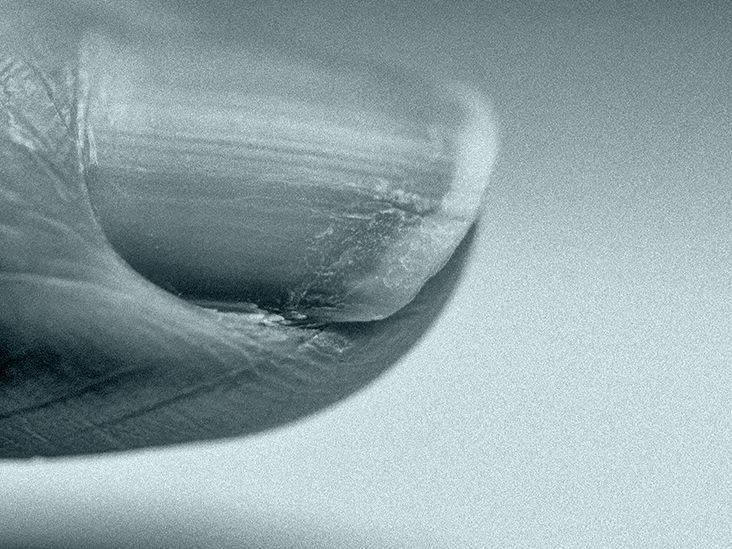
Your nails are tiny billboards for your health. They do not shout, post dramatic status updates, or send calendar invites, but they can quietly reveal when something in the body is off. One possible clue? Zinc deficiency. When the body does not get enough zinc, nails may become brittle, slow-growing, ridged, inflamed around the cuticle, or marked with unusual lines. Of course, a chipped nail after opening a soda can with your thumb is not a medical mystery. But persistent nail changes deserve a closer look.
Zinc is an essential trace mineral involved in immune function, wound healing, cell growth, protein production, DNA synthesis, taste, smell, skin repair, and healthy hair and nails. Because fingernails grow from rapidly dividing cells in the nail matrix, they can be affected when the body lacks nutrients needed for normal growth. This article explains the relationship between zinc deficiency and nails, common signs, possible causes, diagnosis, treatment, prevention, and real-life experiences that show how confusing nail symptoms can be.
What Is Zinc and Why Does the Body Need It?
Zinc is a mineral your body cannot make or store in large amounts. That means you need a steady supply from food or, when medically appropriate, supplements. It supports hundreds of enzymes and plays a role in building proteins, healing tissue, maintaining immune defenses, and helping cells grow and divide.
Think of zinc as a backstage crew member at a concert. It is not always the star, but without it, the lighting fails, the microphone squeals, and someone trips over a cable. In the body, zinc helps keep many systems running smoothly, including the skin, hair, and nails.
How Zinc Deficiency Affects Nails
Nails are made mostly of keratin, a strong structural protein. They grow from the nail matrix, a living tissue under the skin at the base of the nail. Because this area depends on healthy cell division, protein production, and tissue repair, nutrient deficiencies may interrupt normal nail growth.
When zinc levels are low, nail cells may not develop as efficiently. This can lead to weak, brittle nails, slower growth, ridges, grooves, cuticle inflammation, and changes in nail texture. However, zinc deficiency is only one possible cause. Aging, trauma, frequent handwashing, harsh nail products, thyroid disease, iron deficiency, fungal infection, psoriasis, eczema, and other medical conditions can also affect nails.
Common Nail Signs of Zinc Deficiency
1. Brittle Nails
Brittle nails may split, peel, crack, or break easily. They can feel thin, soft, dry, or fragile. A person may notice that their nails tear before they grow past the fingertip. Zinc deficiency can contribute to brittle nails because zinc is involved in protein synthesis and tissue repair.
Still, brittle nails are extremely common and often result from repeated wetting and drying, cleaning chemicals, acetone polish remover, gel manicures, acrylic nails, or simple aging. So, before blaming zinc, check whether your nails have been living a hard life as tiny household tools.
2. Slow Nail Growth
Fingernails usually grow slowly, so improvement is never instant. But zinc deficiency may make nail growth even slower. If your nails seem stuck at the same length for months, or if breakage keeps resetting your progress, low zinc may be one factor to consider.
3. Beau’s Lines
Beau’s lines are horizontal grooves or depressions that run across the nail. They appear when nail growth temporarily slows or stops. Zinc deficiency may be associated with Beau’s lines, but so can high fever, severe illness, chemotherapy, physical trauma, uncontrolled diabetes, major stress, or other nutrient deficiencies.
Because Beau’s lines move outward as the nail grows, they can sometimes act like a timeline. A groove halfway up the nail may reflect a health stressor from weeks or months earlier. Nails: the body’s slowest diary.
4. White Lines or Spots
White marks on nails are often blamed on zinc deficiency, but the truth is more complicated. Small white spots, called punctate leukonychia, are most commonly caused by minor nail trauma. For example, bumping the nail matrix, picking at cuticles, or aggressive manicures can create white spots that grow out over time.
However, some white transverse bands may appear with systemic illness, low protein states, or mineral problems. Zinc deficiency can be part of the picture, especially when white marks occur with other symptoms such as hair loss, skin rashes, poor wound healing, diarrhea, or loss of taste.
5. Cuticle Inflammation and Paronychia
Low zinc may contribute to inflammation around the nail folds. The skin near the nail may become red, tender, swollen, cracked, or irritated. Paronychia, an infection or inflammation around the nail, can happen for many reasons, including nail biting, hangnails, frequent moisture exposure, or immune issues.
If the area around a nail becomes painful, filled with pus, hot, or increasingly swollen, it should be checked by a healthcare professional. That is not a “wait and see while Googling at midnight” situation.
6. Onychorrhexis or Longitudinal Ridges
Onychorrhexis refers to vertical ridging and splitting of the nails. Vertical ridges can be normal with age, but deeper ridges with brittleness may suggest dryness, repeated trauma, inflammatory skin disease, or nutritional issues. Zinc deficiency may contribute, but it rarely acts alone.
Other Symptoms That May Point to Zinc Deficiency
Nail changes are more meaningful when they appear with symptoms in other parts of the body. Possible signs of zinc deficiency include:
- Frequent infections or slow recovery from illness
- Delayed wound healing
- Hair thinning or hair loss
- Skin rashes, especially around the mouth, hands, feet, or groin
- Loss of appetite
- Reduced sense of taste or smell
- Diarrhea, especially in more severe cases
- Fatigue or sluggishness
- Poor growth in children
These symptoms can overlap with many other conditions, so it is important not to self-diagnose based on nails alone. Nails can give clues, but they are not a full medical report wearing clear polish.
Who Is at Risk of Zinc Deficiency?
Zinc deficiency is uncommon in people who eat a varied diet, but some groups have a higher risk. These include people with digestive disorders such as Crohn’s disease, ulcerative colitis, celiac disease, chronic diarrhea, or conditions that reduce nutrient absorption. People who have had bariatric surgery may also be at risk.
Vegetarians and vegans may need more attention to zinc intake because plant foods often contain phytates, natural compounds that can reduce zinc absorption. This does not mean plant-based eating is bad. It simply means the menu needs strategy: beans, lentils, nuts, seeds, whole grains, fortified foods, and smart preparation methods such as soaking or sprouting legumes.
Pregnant and breastfeeding people have higher zinc needs. Older adults, people with alcohol use disorder, individuals with sickle cell disease, and people with long-term poor intake may also be more vulnerable.
Foods Rich in Zinc
The best first step for many people is improving dietary zinc intake. Food provides zinc along with protein, iron, B vitamins, and other nutrients that support nail growth.
Animal-Based Zinc Sources
- Oysters and other shellfish
- Beef
- Pork
- Dark-meat poultry
- Fish
- Eggs
- Milk, yogurt, and cheese
Plant-Based Zinc Sources
- Pumpkin seeds
- Hemp seeds
- Cashews
- Chickpeas
- Lentils
- Beans
- Whole grains
- Fortified breakfast cereals
Oysters are famously high in zinc, but not everyone wants their nail-care routine to involve slurping shellfish. Fortunately, beef, poultry, dairy, beans, seeds, and fortified grains can all help.
How Much Zinc Do Adults Need?
Most adult women need about 8 milligrams of zinc per day, while most adult men need about 11 milligrams per day. Needs increase during pregnancy and breastfeeding. The tolerable upper intake level for adults is generally 40 milligrams per day from food and supplements combined.
This upper limit matters. More zinc does not mean better nails. Taking too much zinc can cause nausea, vomiting, diarrhea, stomach cramps, headaches, loss of appetite, low copper levels, reduced immune function, and nerve-related problems over time. Supplements should be used carefully, especially if taken daily.
Diagnosis: How Doctors Check for Zinc Deficiency
A healthcare professional may evaluate zinc deficiency by reviewing diet, symptoms, medical history, medications, digestive conditions, supplement use, and risk factors. Blood tests may be used, but zinc testing can be tricky. Zinc levels can change with inflammation, recent meals, infection, stress, and other factors.
Because nail changes have many possible causes, a doctor may also check for iron deficiency, thyroid disease, fungal infection, psoriasis, eczema, diabetes, protein deficiency, or other issues. In some cases, a dermatologist may examine the nails closely or test nail clippings if fungus is suspected.
Treatment for Zinc Deficiency and Nail Changes
1. Treat the Cause
The most effective treatment depends on why zinc is low. If the issue is poor intake, diet changes may help. If the problem is malabsorption from a digestive disorder, treating the underlying condition is essential. If alcohol use, chronic diarrhea, or medication interactions are involved, those factors need attention too.
2. Improve Zinc Intake Through Food
For mild deficiency or borderline intake, zinc-rich foods may be enough. Pairing plant zinc sources with protein and using preparation methods such as soaking beans or choosing leavened whole-grain bread can support better absorption.
3. Use Supplements Only When Appropriate
A doctor may recommend zinc supplements for confirmed deficiency or high-risk situations. Supplements come in forms such as zinc gluconate, zinc sulfate, zinc acetate, and zinc citrate. The right dose depends on the person’s age, health status, lab results, and reason for treatment.
Avoid taking high-dose zinc for nail growth unless a healthcare professional recommends it. Your nails may want help, but your copper levels would like to remain employed.
4. Be Patient With Nail Recovery
Nails grow slowly. Fingernails may take several months to fully replace themselves, while toenails can take much longer. Even after zinc levels improve, damaged nail sections must grow out. Do not expect a supplement to turn brittle nails into superhero shields by next Tuesday.
When to See a Doctor or Dermatologist
Schedule medical advice if nail changes are sudden, severe, painful, spreading, or accompanied by other symptoms. You should also seek care for dark streaks, nail lifting, bleeding, swelling, pus, thick yellow nails, spoon-shaped nails, clubbing, or horizontal grooves across several nails.
See a healthcare professional if you also have unexplained hair loss, chronic diarrhea, mouth sores, poor wound healing, frequent infections, weight loss, fatigue, or loss of taste and smell. These signs may point to zinc deficiency or another condition that needs diagnosis.
How to Support Healthier Nails at Home
Nutrition matters, but nail care habits matter too. Even well-fed nails can become weak if they are constantly soaked, scrubbed, polished, peeled, and used as mini screwdrivers.
- Keep nails short enough to prevent repeated bending and breaking.
- Moisturize hands, nails, and cuticles daily.
- Wear gloves when cleaning, washing dishes, or using chemicals.
- Avoid biting nails or picking at cuticles.
- Limit acetone-based polish remover.
- Take breaks from gel, acrylic, and dip manicures.
- File gently in one direction instead of sawing back and forth.
- Do not cut or aggressively push back cuticles.
- Eat enough protein, iron, zinc, and overall calories.
Zinc Deficiency vs. Other Nail Problems
One of the biggest mistakes people make is assuming every nail change comes from one nutrient. For example, spoon-shaped nails are more strongly linked with iron deficiency. Nail pitting may suggest psoriasis. Thick, yellow, crumbly toenails often suggest fungus. Clubbing can be related to lung, heart, liver, or digestive disease. Dark lines under the nail, especially if new or changing, should be checked to rule out melanoma.
Zinc deficiency may affect nails, but nails are not a one-mineral puzzle. They respond to nutrition, hormones, circulation, inflammation, infection, trauma, moisture, chemicals, aging, and genetics. In other words, your nails have range.
Can Zinc Supplements Make Nails Grow Faster?
Zinc supplements may help nails improve if a person truly has zinc deficiency. But if zinc levels are already normal, extra zinc is unlikely to magically speed up nail growth. In fact, unnecessary high-dose zinc can create new problems, including copper deficiency.
For people with brittle nails but no confirmed deficiency, the better approach is usually a balanced diet, gentle nail care, hydration, protection from water and chemicals, and medical evaluation if symptoms persist.
Prevention: Keeping Zinc Levels Healthy
Preventing zinc deficiency starts with a varied diet. Include zinc-rich foods regularly, especially if you follow a vegetarian or vegan diet, are pregnant or breastfeeding, have digestive issues, or are an older adult with reduced appetite.
People who take supplements should read labels carefully. Zinc may appear in multivitamins, immune support products, cold remedies, lozenges, and standalone mineral pills. It is surprisingly easy to stack several products and accidentally exceed a safe intake. Your immune gummies, multivitamin, and “winter wellness” tablets may all be attending the same zinc party.
Experience-Based Section: What People Often Notice With Zinc Deficiency and Nails
Many people first notice zinc-related nail concerns in ordinary, slightly annoying ways. Their nails split while buttoning a shirt. Polish chips faster than usual. A thumbnail develops a groove that looks like someone pressed a tiny speed bump into it. The cuticles feel irritated no matter how much hand cream they use. None of these signs automatically prove zinc deficiency, but they can start a useful conversation with a healthcare provider.
Consider a common scenario: someone has been busy, stressed, and eating mostly toast, coffee, and whatever snack is closest to the laptop. After a few months, their nails become softer and peel in layers. They also notice more hair shedding and slower healing from small cuts. In this situation, the nails are not being dramatic; they may be reflecting a broader nutrition gap. Adding zinc-rich foods such as eggs, yogurt, lean meat, beans, seeds, and nuts may help, but if symptoms are significant, testing and professional advice are smarter than guessing.
Another experience involves people who eat plant-based diets. A vegan diet can be very healthy, but zinc requires planning. Someone may eat plenty of whole grains and legumes yet still have lower zinc absorption because phytates in plant foods can bind minerals. This does not mean they need to abandon lentils and run toward a steakhouse. It means they may benefit from soaked beans, sprouted grains, fermented foods, fortified cereals, pumpkin seeds, cashews, and guidance from a dietitian if symptoms continue.
Some people discover nail changes after illness. A severe infection, high fever, major surgery, or intense physical stress can temporarily pause nail growth and leave Beau’s lines weeks later. The person may assume the line means current zinc deficiency, but the groove might be a historical record of a past event. Nails grow slowly, so they often report old news. This is why doctors look at the whole story, not just the nail surface.
There are also people who try to fix brittle nails by taking high-dose zinc without medical advice. At first, this feels proactive. Unfortunately, long-term excessive zinc may reduce copper absorption and cause problems such as anemia, low white blood cells, numbness, weakness, and immune issues. The lesson is simple: supplements are tools, not candy with a lab coat. They can help when used correctly, but more is not always better.
A practical experience many dermatologists hear is that nail recovery feels slow. Someone improves their diet, stops peeling off gel polish, wears gloves for dishes, takes a doctor-recommended supplement, and still sees imperfect nails after four weeks. That can be frustrating. But nails need time to grow out. The damaged part already formed; the goal is to support healthier new growth from the base. A visible difference may take three to six months for fingernails and longer for toenails.
People with zinc deficiency may also notice that nail symptoms rarely travel alone. They may have dry or irritated skin, cracks around the mouth, poor wound healing, frequent colds, appetite changes, or changes in taste. When several of these symptoms show up together, the case for medical evaluation becomes stronger. A single chipped nail is usually life being life. A pattern of brittle nails, hair loss, skin rash, and slow healing is worth checking.
The most helpful mindset is curiosity without panic. Nails are useful clues, but they are not fortune tellers. If they change suddenly or persistently, take photos, note when symptoms began, review diet and nail-care habits, and bring that information to a healthcare professional. That small detective file can make the appointment more productive.
Conclusion
Zinc deficiency can affect nails because zinc supports cell growth, protein production, tissue repair, immunity, and healthy skin structures. Possible nail signs include brittleness, slow growth, Beau’s lines, white bands, cuticle inflammation, paronychia, and ridging. However, many other issues can cause similar changes, including trauma, aging, harsh nail products, iron deficiency, thyroid disease, fungal infections, psoriasis, and systemic illness.
The best treatment depends on the cause. Eating zinc-rich foods, correcting absorption problems, and using supplements only when recommended can help restore healthy zinc levels. Nail recovery takes patience because damaged nails must grow out gradually. If nail changes are sudden, painful, widespread, dark, infected, or accompanied by symptoms such as hair loss, diarrhea, poor wound healing, or frequent infections, medical evaluation is the safest next step.
Note: This article is for educational purposes and should not replace medical advice, diagnosis, or treatment. Anyone with persistent nail changes or suspected zinc deficiency should speak with a qualified healthcare professional.