Once upon a time, ordering a non-alcoholic drink meant choosing between water, soda, or a sad little cranberry juice pretending to be festive. Thankfully, those dark and syrupy days are over. Today’s non-alcoholic drinks are smarter, tastier, and far more interesting. You can sip sparkling water with citrus, nurse a smoky zero-proof cocktail, brew a bold iced tea, or crack open a non-alcoholic beer that actually tastes like beer instead of carbonated disappointment.
This guide breaks down what non-alcoholic drinks are, which ones are worth your time, how to choose healthier options, and how to avoid getting tricked by sugar, caffeine, or clever marketing. Whether you’re sober curious, skipping alcohol for health reasons, hosting friends, pregnant, training for a race, or just tired of waking up feeling like a haunted raisin, there’s a better drink waiting for you.
What Counts as a Non-Alcoholic Drink?
At the broadest level, non-alcoholic drinks include any beverages made without beverage alcohol as the intended main ingredient. That covers everyday basics like water, coffee, tea, milk, plant-based milk, juice, smoothies, sparkling water, soda, kombucha, and sports drinks. It also includes the fast-growing “adult beverage without the alcohol” category: mocktails, dealcoholized wines, non-alcoholic beers, zero-proof spirits, canned alcohol-free cocktails, botanical aperitifs, and functional drinks.
That said, not every drink labeled non-alcoholic is completely alcohol-free. Some products in the no- and low-alcohol world can contain trace amounts of alcohol. So if you are pregnant, in recovery, avoiding alcohol for religious reasons, or need to be extra careful for medical reasons, always read the label closely. Tiny wording differences can matter more than the fancy label art and the moody sunset on the can.
Why More People Are Choosing Non-Alcoholic Drinks
The rise of non-alcoholic drinks is not just a trend fueled by pretty glassware and social media lighting. People are choosing them for practical reasons: better sleep, clearer mornings, fewer empty calories, improved training and recovery, medication interactions, pregnancy, religious beliefs, or simply wanting to socialize without alcohol doing stand-up comedy in their bloodstream.
There is also a big flavor reason. Modern alcohol-free drinks are no longer stuck in the kiddie table category. Many are built with ingredients like citrus, herbs, tea, ginger, bitters-style botanicals, vinegar shrubs, and spices, giving them the structure and complexity people usually expect from cocktails. In other words, grown-up drinks can still taste grown-up without requiring a hangover as the cover charge.
The Main Types of Non-Alcoholic Drinks
1. Water and Enhanced Water
Plain water is still the MVP. It is cheap, calorie-free, widely available, and useful for basically every organ you would like to keep on speaking terms with you. If plain water feels boring, that is a flavor problem, not a water problem. Add cucumber, mint, berries, lemon, lime, orange slices, or even a pinch of salt after exercise. Sparkling water can also make hydration feel more like an event and less like a household chore.
Look for unsweetened versions when possible. “Enhanced” waters can range from genuinely helpful electrolyte drinks to glorified candy necklaces in bottle form. Check the label before assuming that a clear bottle equals angelic nutrition.
2. Sparkling Water, Seltzer, and Club Soda
Sparkling water is one of the easiest swaps for people trying to cut back on soda or alcohol. It gives you carbonation, ritual, and that satisfying little hiss when you open the can. Pair it with citrus, herbs, or a splash of juice, and suddenly you have something that feels intentional instead of accidental.
Unsweetened sparkling water is usually a strong everyday option. Club soda and mineral water can add a slightly different taste because of their minerals. Tonic water, however, is a different beast. It often contains added sugar, so don’t assume it belongs in the same health halo as plain seltzer just because both are bubbly and wear classy outfits.
3. Tea
Tea is a giant category with range. Black tea, green tea, white tea, oolong, matcha, chai, rooibos, peppermint, chamomile, hibiscus, ginger, lemon balm, and countless herbal blends all bring different flavor profiles and caffeine levels. Tea can be served hot, iced, sparkling, shaken, sweetened, unsweetened, or mixed into mocktails.
Green and black teas are popular when you want a gentler caffeine lift than coffee. Herbal teas are useful when you want the ritual without the buzz. Just remember that “herbal” does not automatically mean risk-free for everyone. Some concentrated botanicals and tea extracts can interact with medications, so a little label reading can save a lot of drama.
4. Coffee and Espresso Drinks
Coffee absolutely belongs in the non-alcoholic conversation. It can be simple and sturdy, like hot drip coffee, or downright theatrical, like espresso over ice with orange peel and tonic. Coffee is also a reminder that not all non-alcoholic drinks are automatically “healthy.” A plain coffee is one thing. A giant blended dessert disguised as coffee is another story entirely.
If caffeine works well for you, coffee can be part of a balanced routine. If it turns you into a jittery philosopher at 11 p.m., decaf and half-caf exist for a reason. Non-alcoholic does not mean consequence-free, and caffeine can absolutely overstay its welcome.
5. Juice and Juice-Based Drinks
Juice sits in the middle ground. It can provide vitamins and flavor, but it is still easy to overdo because sugar and calories add up fast. The smartest move is to treat juice as a supporting actor rather than the whole show. A small pour of 100% juice mixed with sparkling water, unsweetened tea, or ice can go a long way.
This is also where labels get sneaky. “Fruit drink,” “fruit cocktail,” and “juice beverage” are not the same as 100% juice. Some are mostly added sugar with a faint memory of fruit. If the front of the bottle has six mangoes flying through a rainbow but the ingredient list starts with water and corn syrup, the mangoes are lying to you.
6. Milk and Fortified Plant-Based Drinks
Milk and unsweetened fortified plant-based drinks earn their place because they can bring useful nutrients such as calcium, vitamin D, protein, or potassium, depending on the product. They also work across meals and snacks in a way many trendy drinks do not. A glass of milk with breakfast or an unsweetened fortified soy milk in a smoothie may not be flashy, but practical nutrition rarely arrives wearing sequins.
Watch the difference between unsweetened and sweetened plant-based beverages. Vanilla almond milk can quietly behave like dessert in a carton if you are not paying attention.
7. Kombucha and Fermented Drinks
Kombucha is often marketed as a cooler, funkier cousin of soda. It offers tartness, fizz, and a fermented flavor that some people love and others describe as “apple cider vinegar that joined a band.” It can be enjoyable, and many people like it as a less sugary alternative to soft drinks.
Still, kombucha is not magic. It may contain caffeine, added sugars, and small amounts of alcohol from fermentation. That means it is best treated as one option among many, not a daily miracle in a bottle. If you like it, great. If you hate it, your taste buds are not broken. They are merely expressing boundaries.
8. Soda, Energy Drinks, and Sweetened Beverages
This is the category to approach with your eyes open. Regular soda, sweet tea, energy drinks, bottled lemonades, coffee-shop dessert drinks, and many “wellness beverages” can bring a lot of added sugar, a lot of caffeine, or both. They are still non-alcoholic, of course, but not all non-alcoholic drinks deserve the same halo.
Energy drinks especially need caution. They can pack a heavy caffeine load and are a poor fit for kids and teens. Even for adults, they are easy to overdo. If your beverage sounds like it should come with a seatbelt and a warning siren, that is your clue.
9. Mocktails, Zero-Proof Spirits, and Non-Alcoholic Beer or Wine
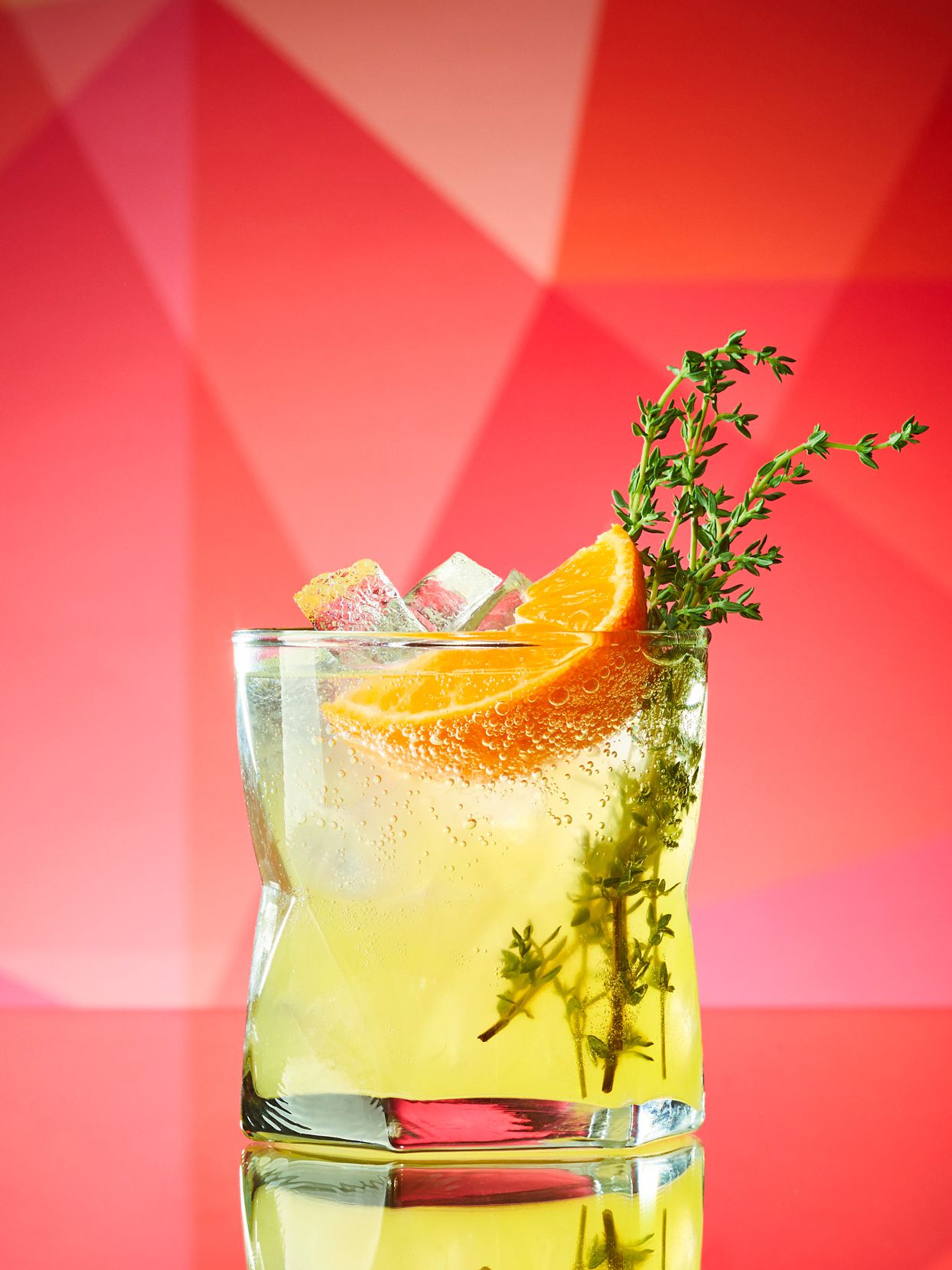
This is where the category gets fun. Mocktails and zero-proof drinks are designed for flavor, ritual, and social occasions. They can be bright, bitter, spicy, floral, smoky, savory, or refreshing. A good one feels intentional, balanced, and satisfying instead of like juice in a fancy glass trying very hard to be invited to adult dinner.
Non-alcoholic beers and dealcoholized wines can be especially appealing for people who enjoy those flavor profiles. But check the label carefully. Some products are truly 0.0%, while others fall into the “less than 0.5% ABV” category. Also keep an eye on added sugars and trendy extras. Some brands add botanicals, caffeine, nootropics, or supplements, which may not be ideal for everyone.
How to Choose the Right Non-Alcoholic Drink for Your Goal
For hydration
Choose water, sparkling water, or unsweetened beverages first. After exercise or heat exposure, an electrolyte drink may make sense, but not every casual Tuesday requires a neon sports drink that looks like it was designed by a highlighter.
For a caffeine boost
Choose coffee, black tea, green tea, or matcha. Keep an eye on total daily caffeine, especially if you also drink cola, pre-workout beverages, or energy drinks. Caffeine has a way of adding up while pretending it is helping.
For a social event
Choose mocktails, alcohol-free beer, dealcoholized wine, flavored sparkling water with garnish, or a shrub-based drink. The best party beverage is one you are actually happy to hold for longer than eight awkward minutes.
For better nutrition
Choose drinks with a clear purpose: water for hydration, milk or fortified unsweetened alternatives for nutrients, small portions of 100% juice, or smoothies built with whole ingredients. Don’t confuse “contains vitamins” with “good choice in unlimited amounts.” That road ends in a sticky fridge shelf.
For cutting back on alcohol
Choose drinks that preserve ritual without making you feel deprived. Glassware helps. Garnishes help. Bitter flavors help. So does variety. But if alcohol-adjacent products feel triggering, skip the fake gin and fake IPA and go with fresh alternatives like sparkling water with citrus, brewed tea, ginger drinks, shrubs, or botanical sodas.
How to Read a Non-Alcoholic Drink Label Like a Pro
- Check added sugar: A drink can be alcohol-free and still contain enough sugar to qualify as dessert in liquid form.
- Check caffeine: Especially in canned “social tonics,” cold brew, yerba mate drinks, and energy products.
- Check serving size: The bottle may look single-serve while secretly containing two servings and a tiny betrayal.
- Check alcohol wording: “Alcohol-free” and “non-alcoholic” are not always the same thing.
- Check additives: Botanicals, adaptogens, supplements, and functional ingredients may be unnecessary or inappropriate for some people.
- Check sodium: Some savory beverages and sports drinks can bring more than expected.
Smart Ways to Build a Better Non-Alcoholic Drink Routine
- Keep cold water and sparkling water visible and easy to grab.
- Use citrus, herbs, tea, and fruit to add flavor without dumping in syrup.
- Stock both caffeinated and caffeine-free options.
- Save high-sugar drinks for occasional use, not automatic hydration.
- Use nice glasses. Presentation matters more than people admit.
- Make one simple house mocktail recipe so you are never stuck improvising sadness into a cup.
- For gatherings, offer more than one alcohol-free option. One lonely diet cola is not hospitality. It is a cry for help.
Easy Non-Alcoholic Drink Ideas That Feel Special
Kitchen-friendly combinations
- Sparkling water + lime + mint + crushed ice
- Unsweetened iced tea + peach slices + basil
- Ginger beer-style soda + lime + cucumber
- Cold brew + orange peel + tonic over ice
- Pomegranate juice + sparkling water + rosemary
- Hibiscus tea + lemon + a drizzle of honey
- Dealcoholized sparkling wine + citrus twist for celebrations
The common thread is balance. Good non-alcoholic drinks usually have at least two or three of the following: brightness, bitterness, spice, acidity, bubbles, texture, or aroma. If a drink has only sweetness, it will often taste flat and childish. If it has contrast, it feels complete.
Common Mistakes People Make
Mistake No. 1: Assuming “non-alcoholic” means healthy. It does not. A giant sugary mocktail can hit your bloodstream like a confetti cannon loaded with syrup.
Mistake No. 2: Ignoring caffeine. You may skip the wine and still sabotage your sleep with three canned “uplift tonics” and a late cold brew.
Mistake No. 3: Treating water as punishment. Water should not be the boring backup singer in your routine. Chill it, flavor it, carbonate it, and make it something you actually want.
Mistake No. 4: Buying alcohol lookalikes without thinking. For some people, they are helpful. For others, they are more complicated. Know yourself better than the marketing department knows you.
Mistake No. 5: Serving guests one weak option. The point of non-alcoholic hospitality is inclusion, not obligation.
Experiences People Commonly Have With Non-Alcoholic Drinks
The most surprising thing many people notice when they start exploring non-alcoholic drinks is how quickly the experience shifts from “I’m giving something up” to “Actually, this is kind of great.” At first, the change can feel awkward. You reach for your usual evening drink, pause, and suddenly become very aware of the fact that rituals are powerful little creatures. It turns out many people are not just attached to alcohol itself. They are attached to the cold glass, the fizz, the garnish, the signal that the workday is over, and the tiny ceremony of pouring something nice for themselves.
That is why good non-alcoholic drinks work so well. They replace the ritual, not just the liquid. A sparkling water with lime in a proper glass feels different from plain water in a coffee mug. A carefully made mocktail can feel festive, social, and satisfying in a way a random soda often does not. Many people report that once they stop treating alcohol-free options like a consolation prize, the whole thing becomes much easier.
Then there is the morning-after effect, or rather the blissful absence of one. People who swap alcoholic drinks for non-alcoholic alternatives often describe clearer mornings, steadier energy, less thirst overnight, and a much better chance of remembering where they left their phone charger. That does not mean every alcohol-free drink is automatically a wellness elixir. A giant sugary beverage can still leave you feeling sluggish. But many people find that simply removing alcohol from the equation makes evenings feel lighter and mornings feel less like a negotiation with gravity.
Another common experience is becoming weirdly opinionated about bubbles. This happens faster than you think. One week you are casually buying seltzer. Two weeks later you are explaining the mouthfeel differences between mineral water, club soda, tonic, and aggressively fizzy canned sparkling water like a person who should probably spend more time outdoors. This is normal. The category invites curiosity. Tea does the same thing. Coffee definitely does the same thing. Before long, flavors matter more, and the idea of “just grabbing whatever” starts to fade.
Social situations also change in interesting ways. Some people feel relieved because they finally have options that look celebratory and feel adult. Others discover that they were drinking mostly to avoid being asked questions. A thoughtful non-alcoholic drink can help with both. It gives you something to sip, something to hold, and something that does not scream “I am making a lifestyle statement, please form a discussion circle.” In good company, nobody cares. In weird company, the garnish buys you time.
Over time, many people also notice that their taste preferences evolve. Drinks that once seemed refreshing can start to taste overwhelmingly sweet. Bitter flavors become more interesting. Citrus tastes brighter. Ginger tastes sharper. Herbal notes become more noticeable. It is like your palate stops attending a loud party and starts hearing the subtler instruments in the band. That may sound dramatic for a beverage article, but try a sugary bottled mocktail after two weeks of cleaner drinks and suddenly the metaphor seems less dramatic and more documentary.
The biggest lesson is that non-alcoholic drinks are not one thing. They are a toolkit. Some support hydration. Some bring comfort. Some create ritual. Some offer social ease. Some are just delicious. The best experience usually comes from matching the drink to the moment instead of expecting one bottle, one tea, or one fancy zero-proof spirit to solve every problem in your refrigerator and your calendar.
Final Thoughts
Your best non-alcoholic drink is not the trendiest can on the shelf or the prettiest bottle with a botanical label that looks like it belongs in a Victorian greenhouse. It is the one that fits your needs, tastes good to you, and makes everyday drinking easier, healthier, or more enjoyable. Sometimes that is plain water. Sometimes it is black coffee. Sometimes it is a well-made mocktail with rosemary, citrus, and enough sparkle to make Tuesday feel suspiciously glamorous.
The good news is that non-alcoholic drinks are no longer the boring corner of the beverage world. They are a full category with depth, creativity, and real utility. Learn the labels, mind the sugar and caffeine, watch for trace alcohol when it matters, and build a lineup that works for your actual life. Your liver, sleep, wallet, and tomorrow morning self may all send thank-you notes.