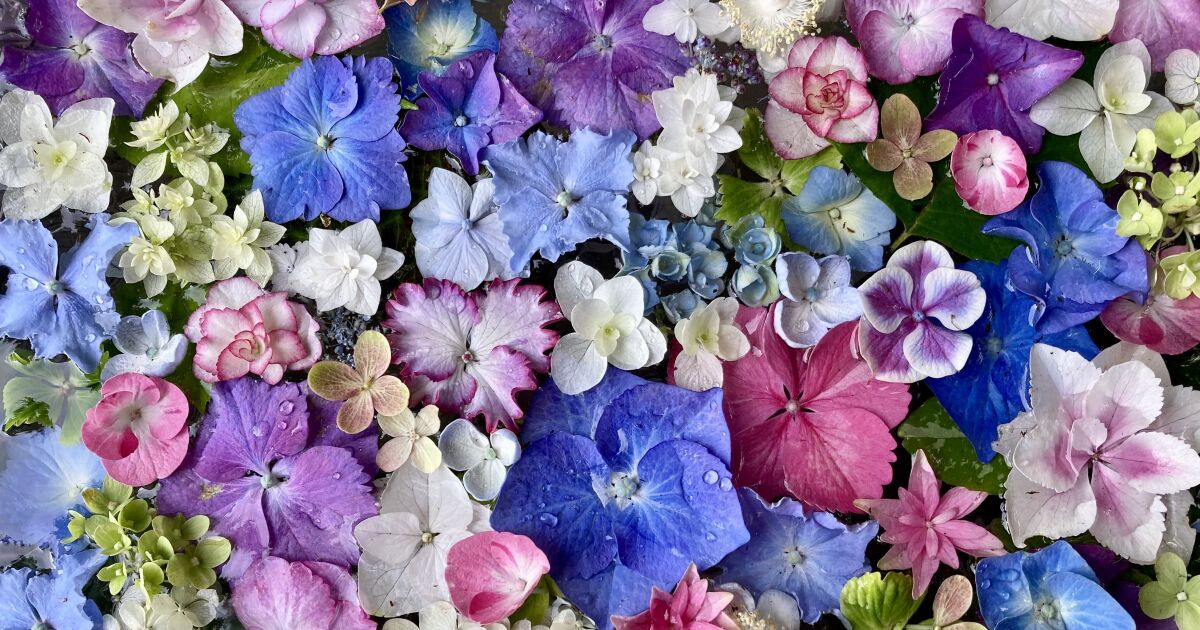
Some people disappear into novels. Some vanish into the garage. Others are last seen walking toward the garden with a cup of coffee, a pair of pruners, and the confident look of someone who absolutely will not be “just five minutes.” That is the spirit behind “You’ll Find Me In The Garden (24 Pics)”: a cheerful love letter to flowers, soil, sunlight, quiet corners, and the small daily miracles that happen when humans stop scrolling long enough to notice a rose opening.
A garden-photo collection is more than pretty petals lined up for applause. It is proof of patience. Every bloom in a picture has a backstory: soil that was improved, weeds that were battled, weather that refused to behave, and one gardener who kept showing up anyway. Whether the subject is a golden rose, a cloud of hydrangeas, early hellebores, a bold peony, or a delicate Peruvian lily, each image says the same thing in a slightly different accent: nature is showing off again, and honestly, we should let her.
This article explores why garden pictures are so irresistible, what makes a home garden feel alive, and how everyday growers can create a space worth photographing again and again. No need for a country estate, marble fountain, or dramatic straw hat. A good garden can begin with one container, one packet of seeds, one stubborn little perennial, and the dangerous thought: “Maybe I’ll just plant a few more.”
Why Garden Photos Make Us Stop and Stare
Garden pictures work because they slow the room down. A photo of a rose is not simply a rose; it is color, texture, memory, fragrance, weather, and timing squeezed into one frame. A hydrangea cluster can look like a cloud that decided to become a shrub. A peony can appear so dramatic it seems one compliment away from demanding its own dressing room. Hellebores, often among the earliest flowers to appear, feel like little rebels pushing beauty into the cold edge of the year.
The best garden images also feel personal. Unlike a staged showroom, a real garden has fingerprints everywhere. A leaning trellis, a patched watering can, a pot that has seen better decades, and a pathway softened by creeping plants all tell the viewer that someone cares for this place. The charm is not perfection. The charm is presence.
The 24-Picture Garden Mood: What Each Photo Can Teach
A “24 pics” garden collection naturally invites the eye to wander. Each frame can become a small chapter in the larger story of the garden. Here are the kinds of scenes that make a garden gallery feel rich, useful, and emotionally satisfying.
1. The Hero Bloom
This is the rose, peony, lily, dahlia, or iris that walks into the visual room first. A hero bloom deserves a close-up because it shows the architecture of a flower: ruffled petals, delicate veins, curved edges, and color gradients that no paint aisle has fully figured out.
2. The Generous Cluster
Hydrangeas, phlox, salvia, coneflowers, and yarrow are beautiful because they gather. Their impact comes from abundance. In photos, these plants remind us that gardens are rarely about one superstar. They are about chorus work.
3. The Early Riser
Hellebores, crocus, snowdrops, and other early bloomers bring hope before the main garden season has stretched its legs. Photographing them is like catching nature making coffee before everyone else wakes up.
4. The Pollinator Moment
A bee on a coneflower, a butterfly near milkweed, or a hummingbird investigating bee balm turns a pretty picture into an ecosystem snapshot. Pollinator-friendly gardens are not just decorative; they help provide nectar, pollen, shelter, and habitat for beneficial insects and wildlife.
5. The Honest Mess
A basket of weeds, muddy gloves, compost crumbs, and a hose with strong opinions can belong in the gallery too. The honest mess makes the beautiful parts more believable. A garden without mess is usually either brand new or imaginary.
What Makes a Garden Worth Photographing?
A photogenic garden is not necessarily the most expensive one. It is usually the most layered. Strong garden design combines color, shape, height, repetition, surprise, and seasonal timing. If everything blooms for one glorious week and then sulks for eleven months, the camera gets bored. A better approach is to plant for waves of interest: bulbs and hellebores in early spring, roses and peonies later, summer perennials in full heat, ornamental grasses and asters for fall, and evergreen structure for winter.
Texture matters as much as color. Soft lamb’s ear beside glossy hosta leaves creates contrast. Airy grasses behind sturdy coneflowers create movement. Ferns can soften shade, while upright plants such as salvia or foxglove add vertical rhythm. The garden becomes more photographable when the eye has places to pause and paths to follow.
Light is the garden photographer’s secret assistant. Early morning light makes petals glow gently. Late afternoon light warms everything like honey. Midday sun, on the other hand, can be harsh enough to make even a rose look like it is being questioned by police. For better garden pictures, shoot when shadows are soft and colors look deep rather than bleached.
Soil: The Unseen Star of Every Beautiful Garden
Garden photos celebrate flowers, but soil does much of the backstage work. Healthy soil supports roots, helps hold moisture, provides nutrients, and encourages the living network that keeps plants resilient. Compost is one of the simplest ways to improve garden soil over time. It can help reduce waste, build soil structure, conserve moisture, and support stronger plant growth.
Before adding every product with a cheerful label, gardeners should understand their soil. Sandy soil drains quickly and may need more organic matter to hold water. Clay soil holds moisture but can compact. Loamy soil is the dream guest: balanced, workable, and generally polite. A basic soil test can help identify pH and nutrient needs, which is far better than guessing wildly and treating the garden like a buffet.
Mulch is another quiet hero. A proper layer of organic mulch can reduce evaporation, suppress weeds, moderate soil temperature, and improve the look of garden beds. The trick is to avoid burying plant crowns or building mulch volcanoes around trees. Mulch should support plants, not tuck them into a suffocating blanket.
Watering Without Drama
Watering sounds simple until a plant starts wilting in protest. The goal is not to splash the garden randomly and hope for applause. The goal is deep, consistent moisture at the root zone. Many vegetable and ornamental gardens benefit from watering when the soil is dry a couple of inches below the surface. Mulched beds often need less frequent watering because moisture stays in the soil longer.
Soaker hoses and drip irrigation are practical tools because they deliver water close to the roots and reduce waste. Morning watering is often ideal because leaves dry more quickly, lowering the chance of disease. Overhead watering in the evening can leave plants damp overnight, which many fungal problems find extremely inviting.
Water-wise gardening also means choosing plants suited to local conditions. Native plants and regionally adapted varieties often perform better with fewer inputs once established. That does not mean they are magic plastic plants. They still need proper planting and care, especially in the first season. But when matched to the right site, they can become reliable, wildlife-friendly anchors in the garden.
Pollinator-Friendly Beauty: Pretty With a Purpose
A garden can be gorgeous and useful at the same time. Pollinator-friendly planting turns flower beds into tiny service stations for bees, butterflies, hummingbirds, and other beneficial visitors. Good pollinator gardens include a variety of flower shapes, colors, and bloom times. They also reduce or eliminate unnecessary pesticide use, because chemicals can harm the very creatures the garden is trying to welcome.
Plants such as milkweed, goldenrod, bee balm, coneflower, asters, native sunflowers, and salvia can support pollinators in many regions, though the best choices depend on local climate and ecosystem. The smartest approach is to select plants native to your area and arrange them in visible groups rather than scattering one lonely plant here and another over there like botanical confetti.
A wildlife-friendly garden may also include water, shelter, leaf litter in appropriate areas, hollow stems, and shrubs or trees that provide nesting and protection. The more a garden behaves like habitat, the more alive it feels. Suddenly the “24 pics” are not only flowers. They are bees mid-flight, birds on seedheads, butterflies resting in sunlight, and the gardener quietly trying not to scare anyone away.
Designing a Garden That Feels Like a Place, Not a Plant Parking Lot
One common beginner mistake is buying plants one by one with no plan, then arranging them wherever there is bare dirt. This can work in the same way that tossing furniture into a room can technically create interior design, but results may vary. A garden feels better when it has structure.
Start with the bones: paths, edges, seating, trees, shrubs, fences, trellises, and focal points. Then add layers. Tall plants belong toward the back of a border or at the center of an island bed. Medium plants fill the middle. Low plants soften the front. Repeating a few colors or plant forms helps the garden feel intentional rather than chaotic.
Paths are especially powerful. A curved path creates curiosity. A stepping-stone path invites close looking. A simple mulch path can make a small garden feel organized and welcoming. Even a narrow side yard can become a destination if the route is clear and the planting has rhythm.
Sensory Gardens: When Pictures Are Only the Beginning
Garden pictures capture sight, but a real garden works on every sense. A sensory garden includes fragrance, touch, sound, taste, and movement. Lavender, roses, mint, basil, and bee balm bring scent. Ornamental grasses rustle. Lamb’s ear, moss, fern fronds, and textured bark invite touch. Herbs and edible flowers add taste when grown safely. Birdsong, buzzing insects, and the soft clink of a wind chime make the garden feel inhabited.
This is why garden photos often make people want to step into them. We imagine the smell of damp soil after rain, the warmth of sun on a stone path, and the small satisfaction of brushing past rosemary. The best garden is not merely seen. It is experienced.
Small-Space Gardens Can Still Deliver Big Photo Energy
You do not need a sweeping backyard to create a memorable garden gallery. Containers, balconies, patios, raised beds, window boxes, and tiny front yards can all become charming green spaces. In small gardens, every choice matters more. Choose plants with long bloom periods, attractive foliage, or multiple seasons of interest. Mix upright plants with trailing ones. Use vertical space with trellises, hanging baskets, shelves, and wall planters.
Container gardens are especially forgiving for beginners because they let you control soil and placement. Herbs, compact roses, dwarf hydrangeas, ornamental peppers, strawberries, annual flowers, and many pollinator plants can thrive in pots if they receive proper light and water. A single container overflowing with color can be more photogenic than a large bed that looks confused.
How to Create Your Own “24 Pics” Garden Story
If you want to build a garden that deserves its own photo series, think like both a gardener and a storyteller. Capture the first bud, not just the final bloom. Photograph seedlings, rain on leaves, pollinators at work, garden tools, harvest baskets, seed packets, compost piles, and the “before” corners that later become beautiful. A garden story is more satisfying when it shows transformation.
Try organizing your 24 pictures into themes: first blooms, favorite colors, pollinator visitors, quiet corners, edible harvests, garden mistakes, dramatic close-ups, and seasonal changes. Include wide shots to show the space and close shots to show detail. A viewer should feel as if they have taken a slow walk through the garden, not simply flipped through a flower catalog.
And yes, include the failures. The chewed leaf, the flopped zinnia, the tomato cage that surrendered in Julythese are part of the comedy. Gardening is not a hobby for people who need total control. It is a collaboration with weather, insects, soil, and time. Sometimes the cucumber wins. Sometimes the gardener wins. Usually, everyone gets muddy.
Experiences From the Garden: Where the Real Magic Happens
The most memorable garden experiences often begin without ceremony. You step outside to water one plant and return an hour later with damp sleeves, a handful of weeds, and no clear memory of how time escaped. The garden does that. It steals minutes in the nicest possible way. One moment you are checking a rosebud; the next you are kneeling beside a bed, inspecting new growth like a detective with chlorophyll-based priorities.
There is a special thrill in seeing a plant come back after winter. The first green shoot feels wildly personal, even though the plant is simply doing what plants do. Still, gardeners take it as encouragement. A hellebore blooming in cold weather can feel like a private message: “Hang in there. The season is turning.” A peony pushing red shoots through the soil looks almost prehistoric, then somehow becomes a soft, luxurious flower that makes the whole bed look expensive.
Garden experience also teaches humility. You can read every label, follow every rule, and still watch a plant fail for reasons known only to the plant and possibly one judgmental squirrel. Then another plant, purchased on impulse from the clearance rack, may thrive like it has inherited the property. The garden has a sense of humor. Sometimes it is gentle. Sometimes it is slapstick.
Watering becomes a ritual. Morning watering is calm and practical, but it also gives you a reason to look closely. You notice aphids before they become an empire. You see which plants are reaching for light. You discover that yesterday’s tight bud has opened overnight. You learn the difference between a plant that is thirsty and a plant that is being dramatic. This is valuable knowledge, especially if you grow hydrangeas, which can faint at noon and recover by dinner like nothing happened.
Then there are the visitors. A bee working methodically through flowers can make a gardener feel like the bed has been officially approved. A butterfly floating through the yard turns an ordinary afternoon into a tiny parade. Birds investigating seedheads in fall remind you not to clean up too aggressively. The garden is not only yours. It is a shared address.
Perhaps the best experience is the pause. Gardens give people permission to stand still without feeling idle. You can call it checking the plants, studying the light, planning the next bed, or monitoring pollinator activity. Fine. But sometimes you are simply standing there, breathing better. That is enough. In a fast world, a garden is a place where slow things still matter: roots forming, buds swelling, compost breaking down, petals opening, seasons changing. A 24-picture gallery may capture the color, but the deeper story is what happens between the picturesthe waiting, tending, learning, laughing, and returning. That is why, when someone asks where you are, the answer is easy: you’ll find me in the garden.
Conclusion
“You’ll Find Me In The Garden (24 Pics)” is more than a charming title for a flower gallery. It is a mood, a lifestyle, and a reminder that beauty grows best when people pay attention. Garden photos invite us to admire the obvious thingsroses, hydrangeas, peonies, liliesbut they also point toward the hidden work beneath the surface: healthy soil, smart watering, pollinator support, seasonal planning, and patient care.
A garden does not need to be flawless to be worth celebrating. In fact, the little imperfections often make it better. A leaning stem, a surprise seedling, a muddy glove, or a bee photobombing the perfect shot can turn a simple picture into a story. Whether you garden in a big backyard, a balcony container, a community plot, or one sunny windowsill, the magic is the same: you plant something, you care for it, and one day it gives you a reason to stop and smile.