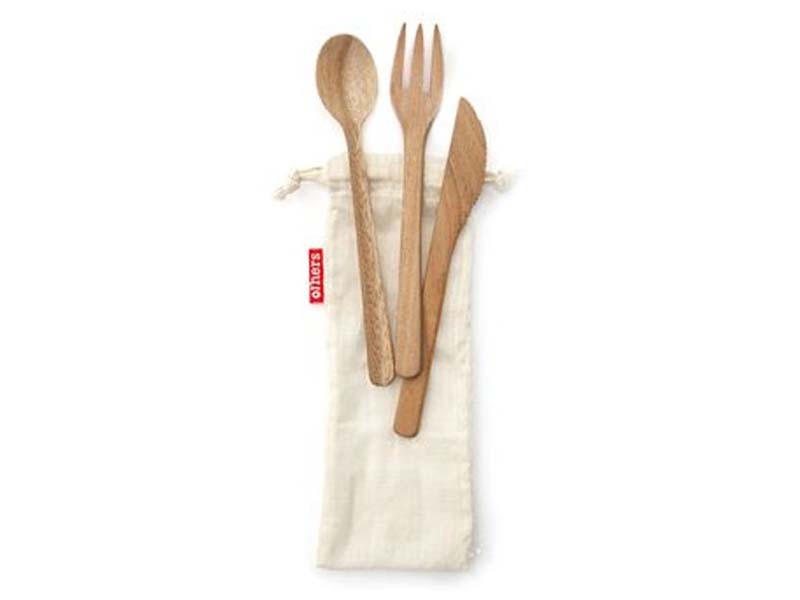
If you have ever opened a takeout bag, reached in for a fork, and pulled out a flimsy plastic spoon that looked emotionally unprepared for the meal ahead, you already understand why wood cutlery in bag Bangladesh is becoming a serious product category rather than a quirky niche. Bagged wooden cutlery is simple on the surface: a fork, spoon, knife, or mixed set packed neatly in a paper or plastic sleeve, often with a tissue or stirrer. But behind that humble little bundle is a bigger story about food delivery, hygiene, sustainability, branding, and buyer expectations.
In Bangladesh, where takeaway meals, catering, office lunches, cafés, fast-growing delivery culture, and event dining all create demand for practical disposable utensils, wooden cutlery sets in bags make a lot of sense. They are compact, cleaner to distribute, easier to count, and more premium-looking than loose utensils dumped into a carton like they just lost a bet. For restaurants and suppliers, they also solve a very real operational issue: customers want convenience, but businesses want less plastic drama.
This guide breaks down what bagged wooden cutlery is, why it matters, what buyers should look for, and how sellers in Bangladesh can position it intelligently. We will also cover the inconvenient truth nobody should skip: wood cutlery is not automatically perfect just because it looks earthy and photogenic next to a paper cup.
What Does “Wood Cutlery In Bag” Actually Mean?
The phrase usually refers to single-use wooden utensils packed together in a hygienic sleeve or bag. The set may include a fork, knife, spoon, napkin, salt and pepper sachets, or even a stirrer. Some packs are designed for restaurants, some for airlines and hotels, some for catering companies, and some for retail sale.
In the Bangladesh market, this kind of product typically appeals to businesses that need three things at once: cleanliness, speed, and a more eco-conscious presentation. A loose pile of utensils in a service drawer works in a busy kitchen, but it does not look especially refined when handed to a customer. A sealed or neatly packed set feels more intentional. It says, “Yes, we thought this through,” instead of, “Good luck in there.”
Why Wood Cutlery In Bag Bangladesh Is Getting Attention
1. Plastic fatigue is real
Many food businesses are under pressure to reduce single-use plastic or at least look less dependent on it. Customers are more aware of packaging waste than they were a few years ago. Even when they are not reading environmental policy over lunch, they still notice whether their meal arrives with a mountain of throwaway plastic accessories. Wooden cutlery helps businesses reduce that visual waste burden and create a more natural, lower-plastic impression.
2. Takeout and delivery need portable hygiene
Once meals leave the store, the customer experience depends on details. A wooden cutlery set in a bag is tidy, easier to handle, and less likely to be touched repeatedly during packing and delivery. For office lunches, delivery platforms, train meals, outdoor events, and quick-service dining, bagged sets are practical because they keep essential items bundled together.
3. Brand image matters
Restaurants do not sell food alone. They sell trust, convenience, and vibe. A kraft-paper-wrapped wooden fork set sends a different message than a glossy plastic bundle. One says “thoughtful modern brand.” The other says “we found this in a box and hoped for the best.” For premium cafés, boutique caterers, resorts, and health-focused brands, bagged wooden utensils can support the overall identity of the business.
The Biggest Benefits of Bagged Wooden Cutlery
Cleaner presentation
The biggest win is hygiene theater, and yes, that matters. Individually packed or grouped cutlery sets feel safer and more organized. Customers do not need to wonder how many hands have touched the spoon before it met the biryani.
Easy inventory control
For food businesses, a packed set is easier to count, distribute, and standardize. Staff can grab one pack per meal instead of hunting down a spoon, then a fork, then a napkin, then questioning every life decision that led to a lunch rush.
Better fit for sustainable branding
Wood is a renewable material when sourced responsibly, and buyers often associate it with lower environmental impact than conventional plastic. That makes it attractive for businesses that want more natural-looking food packaging. Still, responsible sourcing matters. A product made from wood does not earn a sustainability halo just for showing up dressed like a tree.
Improved customer experience
Wooden cutlery often feels warmer, less slippery, and more pleasant in hand than cheap plastic. A decent-quality wooden spoon can give simple takeout a more premium feel. That little tactile upgrade matters more than people admit.
The Limitations Buyers Should Not Ignore
Not all wooden cutlery performs the same
This is where reality taps you on the shoulder. Some wooden cutlery is smooth, sturdy, and surprisingly good. Some feels like it was carved during a power outage with a very small amount of enthusiasm. Weak edges, splinters, rough finishes, or a strange woody taste can ruin the customer experience fast. The quality gap between suppliers can be huge.
“Compostable” is not a magic word
Many buyers assume that if a product is wood, it will automatically break down everywhere, in every condition, like nature’s own disappearing act. Not so fast. Whether a product composts well depends on the material, coatings, inks, adhesives, and the local waste system. If the cutlery is packed in plastic film, the sustainability story becomes more complicated. If the sleeve is paper but laminated, that also changes the end-of-life picture.
Bag choice affects the whole product
A wood cutlery set is only as good as its packaging. If the bag traps moisture, tears easily, or looks cheap, it drags the product down. In Bangladesh’s humid conditions, packaging must protect the utensils from dampness and contamination without making the set look overbuilt. A clever balance between function and minimal packaging is essential.
Reuse often beats single-use
For dine-in service, reusable metal cutlery still makes more environmental sense in many cases. Wooden disposable cutlery is best treated as a practical improvement over plastic in the right situations, not a universal replacement for every eating occasion on Earth.
How to Choose the Right Wood Cutlery In Bag for Bangladesh
Check the wood quality first
Look for smooth sanding, no splinters, no strong odor, and enough strength for real food. A fork that loses a tine in the rice is not “rustic.” It is a complaint waiting to happen. Ask for samples and test them with hot, oily, saucy, and dense foods. Fried rice, biryani, noodles, pasta, salad, and desserts all reveal different weaknesses.
Decide the right set format
Not every meal needs a knife. Not every brand needs a full three-piece set. A spoon-and-napkin pack may be perfect for desserts or rice meals. A fork-knife-napkin set may be better for bakery cafés, grilled meals, and hotel service. Keeping the SKU practical reduces cost and waste.
Choose the bag material carefully
Kraft paper sleeves look natural and photograph well. Clear sleeves show the product and can help retail presentation. Mixed-material packs can offer better moisture resistance. The right choice depends on whether the priority is aesthetics, cost, durability, or sustainability messaging.
Ask about coatings, inks, and certifications
If a supplier makes environmental claims, ask what backs them up. Claims should be specific, not foggy. “Made from responsibly sourced wood” means something only when the sourcing can be explained. “Compostable” means something only when the materials, printing, and packaging support that claim. The smarter the claim, the more credible the product.
Match the product to the channel
A café, airline caterer, online grocery meal kit, export buyer, and wedding caterer do not need the same cutlery pack. Bangladesh sellers who tailor product specs for each channel usually win more repeat business than sellers who offer one generic bundle and call it a strategy.
Best Use Cases for Wooden Cutlery Sets in Bags
Food delivery and cloud kitchens
Delivery orders benefit from bundled convenience. One pack per meal reduces packing mistakes and helps customers feel that the order is complete.
Catering and events
Large functions need speed and consistency. Bagged sets are fast to place, easy to count, and cleaner-looking on buffet lines, lunch boxes, and event tables.
Hotels, resorts, and travel service
Properties aiming for a more premium or eco-aware image often prefer wood over basic plastic. It looks better in-room, on breakfast trays, and in takeaway packs from cafés or pool bars.
Retail and wholesale resale
There is also room for retail packs sold to households, office pantries, picnic buyers, and small event planners. In that case, packaging design matters even more because the product must sell from the shelf, not just from a supplier catalog.
A Smart Buying Checklist
- Is the cutlery smooth, strong, and comfortable to use?
- Does the bag protect the utensils from moisture and dust?
- Does the set include only what customers actually need?
- Can the supplier explain the wood source and packaging materials clearly?
- Do product claims sound precise rather than dramatic?
- Has the set been tested with real menu items?
- Does the visual style match the brand’s price point and audience?
If the answer to those questions is yes, then the product is not just trendy. It is commercially useful.
What Businesses in Bangladesh Can Do to Stand Out
If you sell or source wood cutlery in bag Bangladesh, do not market it as a generic “eco” product and hope buyers fill in the blanks. Explain the practical value. Highlight hygiene, meal compatibility, packaging quality, and smart design. Offer custom printing for hospitality groups. Offer multiple pack configurations. Show how the product performs with local food formats. That is how you move from commodity selling to value selling.
Also, be honest. Customers are increasingly skeptical of grand environmental claims. They do not want a fairy tale; they want a useful product that feels cleaner, looks better, and reduces unnecessary plastic where possible. A grounded, credible message beats green poetry every time.
Experience Section: What Real-World Use Usually Feels Like
The most interesting thing about bagged wooden cutlery is that people often judge it in less than five seconds. A customer opens a food pack, sees the sleeve, touches the spoon, and forms an opinion immediately. If the cutlery looks clean, feels smooth, and survives first contact with the meal, the product quietly does its job. Nobody throws a parade for a competent fork, but they absolutely remember a bad one.
For restaurant owners, the experience usually starts with frustration over plastic. Customers complain that plastic spoons bend, plastic forks snap, and the whole package feels cheap. Then the owner tries wooden cutlery expecting a miracle and learns the next lesson: some samples are excellent, while others taste like sawdust and regret. The first successful switch usually happens only after testing several suppliers and matching the product carefully to the menu.
For caterers, the experience is all about control. They like bagged wooden sets because the service team can place one pack at every seat, lunch box, or buffet station without scrambling for separate items. It saves time, reduces mistakes, and looks more organized. At a busy corporate event, that kind of simplicity feels luxurious. Nobody in operations calls it luxurious, of course. They call it “finally, something that works.”
For cafés and dessert brands, the experience is often visual first. A wooden spoon in a neat kraft sleeve pairs beautifully with a premium cookie, yogurt cup, brownie box, or gelato container. It photographs well, which matters in a world where half the menu is judged by camera before appetite. The packaging becomes part of the brand language.
For customers, the experience is more personal. They like the feeling that the utensil was packed cleanly. They like that it does not look like throwaway junk. They notice when the wood is polished and sturdy. They also notice when it is rough, flimsy, or oddly shaped. So the real user experience is not about “wood” in the abstract. It is about the small physical details that make a disposable product feel respectful instead of careless.
For wholesale sellers in Bangladesh, the biggest experience is learning that buyers are not all buying the same thing. One customer wants the cheapest spoon-only pack for takeaway rice. Another wants a premium fork-knife-napkin set for a resort. Another wants private-label packaging for export. Once sellers understand that the market is segmented, the business becomes much easier to scale.
Note: The examples in this section are composite, reality-based scenarios written for educational purposes.
Final Thoughts
Wood cutlery in bag Bangladesh is not just a product trend. It is a practical packaging solution sitting at the intersection of convenience, hygiene, branding, and smarter material choices. When chosen well, it helps food businesses look more organized, feel more premium, and reduce dependence on conventional plastic accessories. When chosen badly, it becomes a splintery little reminder that good intentions still need quality control.
The winning formula is simple: better wood, smarter bag design, honest claims, and product sets tailored to actual meal types. Get those four things right, and bagged wooden cutlery stops being a small add-on and starts becoming part of the customer experience.