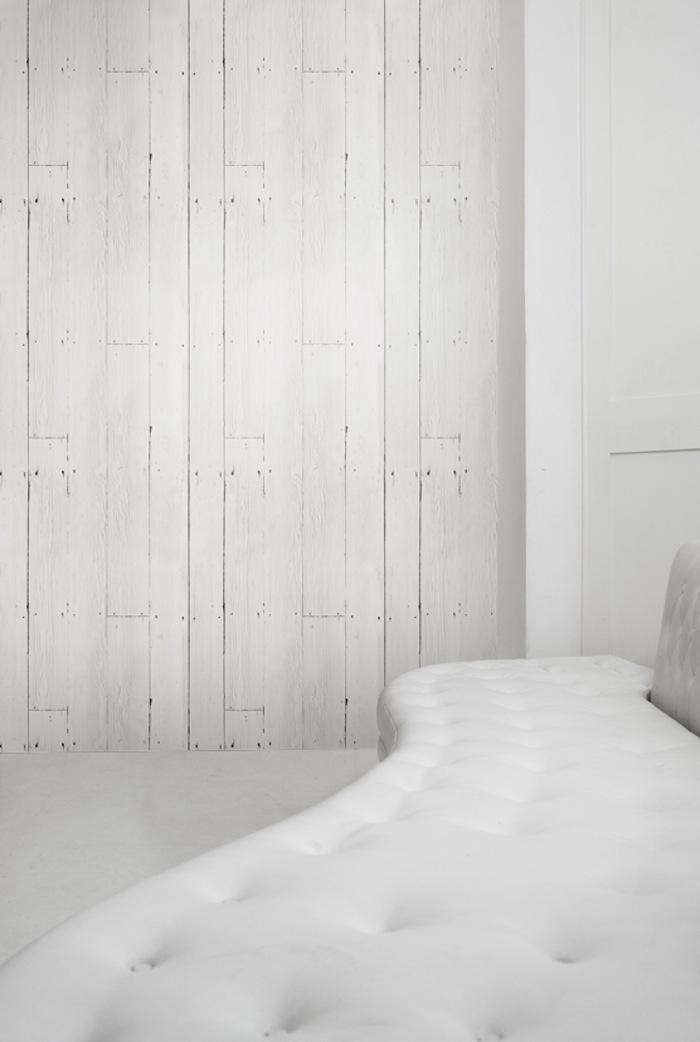
White planks wallpaper is the design shortcut for people who love the look of shiplap, painted wood, coastal cottages, farmhouse walls, and cozy cabinsbut do not love sawdust, nail guns, measuring boards, or explaining to a landlord why the living room now looks like a tiny barn. It gives a room instant texture without the drama of real construction. In other words, it is wall decor with a tool belt, but it politely leaves the heavy lifting to someone else.
At its best, white plank wallpaper can make a plain wall feel brighter, warmer, and more architectural. It works in small apartments, rental homes, nurseries, bathrooms, home offices, laundry rooms, entryways, stair risers, bookshelves, and accent walls. The magic is simple: a printed or textured wallpaper pattern mimics painted horizontal or vertical wood boards, often with subtle grain, plank seams, distressed edges, or whitewashed variation. The result can feel coastal, rustic, modern farmhouse, Scandinavian, cottagecore, or clean and minimaldepending on how you style it.
But like any design choice, white wood plank wallpaper is not automatically perfect. Choose the wrong finish, apply it to a bumpy wall, or skip surface prep, and your “fresh farmhouse wall” can quickly become “wrinkled sticker from a cereal box.” This guide explains what white planks wallpaper is, where it works best, how to choose a realistic pattern, how to install it properly, and how to style it so it looks intentional rather than temporary.
What Is White Planks Wallpaper?
White planks wallpaper is a wallcovering designed to imitate white painted wood boards. You may also see it described as white shiplap wallpaper, white wood wallpaper, faux wood plank wallpaper, rustic plank wallpaper, peel and stick shiplap wallpaper, or removable wood panel wallpaper. Some versions are smooth printed vinyl. Others use raised ink, lightly textured surfaces, matte finishes, or non-woven materials to create a more realistic wood effect.
The most popular format is peel and stick wallpaper. This type has adhesive already applied to the back, so you peel away the liner and press the wallpaper onto a clean surface. Traditional pasted wallpaper and pre-pasted wallpaper are also available, but peel and stick remains especially popular for renters, DIY decorators, and anyone who wants a weekend project instead of a renovation saga.
Why the White Plank Look Works
White plank patterns are popular because they combine three design benefits: brightness, texture, and flexibility. White reflects light and helps a room feel more open. The plank lines add depth and structure. The neutral color works with almost every decor style, from navy coastal furniture to black industrial fixtures to soft beige linen sofas.
Real shiplap and wood paneling can be beautiful, but they require materials, cutting, fasteners, finishing, and more commitment. White planks wallpaper gives a similar visual effect without permanently changing the wall. That makes it ideal for renters, dorm rooms, first apartments, short-term styling, budget-friendly makeovers, and homeowners who want to test the look before investing in real millwork.
White Planks Wallpaper vs. Real Shiplap
Real shiplap is made from boards installed on a wall, usually with visible horizontal grooves. It adds actual dimension and can increase the architectural character of a room. White planks wallpaper, meanwhile, is a visual imitation. It does not add real wood thickness, but it can create the illusion of a paneled wall from a normal viewing distance.
The choice depends on your goal. If you want permanent construction, physical texture, and a custom finish, real shiplap may be worth the effort. If you want the look quickly, affordably, and with less mess, wallpaper is the easier route. Think of it this way: real shiplap is cooking a full Sunday roast; white planks wallpaper is ordering a great sandwich and still feeling proud of your life choices.
When Wallpaper Makes More Sense
White plank wallpaper is especially practical when you are decorating a rental, refreshing a small room, styling a photo-friendly background, or updating furniture. It can be applied to smooth walls, cabinet backs, drawer fronts, stair risers, closet doors, craft rooms, bookshelves, and even temporary event displays. It is also easier to remove or replace when your style changes, which is useful if you currently love farmhouse decor but suspect future you may become a moody wallpaper mural person.
Best Rooms for White Planks Wallpaper
One reason white planks wallpaper remains popular is that it fits almost anywhere. The key is choosing the right scale, direction, and finish for the room.
Living Room Accent Wall
A white plank accent wall behind a sofa can make a living room feel more finished without overwhelming the space. It gives the wall enough visual interest to stand on its own, but it still lets artwork, mirrors, shelves, and furniture remain the stars. Pair it with warm wood tones, woven baskets, black metal accents, or soft neutral textiles for a balanced look.
Bedroom Headboard Wall
Behind a bed, white shiplap wallpaper can create the feel of a built-in headboard wall. Horizontal planks make the room feel wider and calmer, while vertical planks can visually lift the ceiling. For a cozy bedroom, try layered bedding, linen curtains, warm lamps, and a rug with texture. The wallpaper gives the room structure; the textiles do the snuggling.
Bathroom or Powder Room
White planks wallpaper can look charming in a powder room, especially with brass fixtures, a round mirror, or a small pedestal sink. In bathrooms with showers or high moisture, choose a moisture-resistant product and avoid placing wallpaper directly where steam and splashes hit constantly. Ventilation matters. A wallpapered powder room can be delightful; wallpaper peeling beside a steamy shower is less “spa retreat” and more “sad sticker convention.”
Kitchen and Breakfast Nook
In kitchens, white wood plank wallpaper works well in breakfast nooks, pantry walls, coffee bars, and open shelving backgrounds. Use caution near stoves, sinks, and heavy grease zones unless the product is specifically suited for that environment and can be cleaned easily. For a polished look, connect the wallpaper with other kitchen finishes, such as white cabinets, butcher block counters, black hardware, or blue-gray accents.
Laundry Room and Mudroom
Laundry rooms and mudrooms are perfect candidates for peel and stick white plank wallpaper because they are often small, practical spaces that benefit from personality. A white plank wall can make shelves, hooks, baskets, and utility items look more organized. Suddenly the detergent is not just detergentit is part of a lifestyle moment. Congratulations, your laundry room has entered its influencer era.
Furniture, Shelves, and Stair Risers
You do not have to cover a whole wall. White planks wallpaper can refresh the back of a bookcase, the side of a kitchen island, drawer fronts, closet panels, or stair risers. These smaller projects are great for beginners because they require less alignment and fewer full-length panels. They also let you enjoy the look without committing an entire room to the plank life.
How to Choose the Best White Planks Wallpaper
Not all faux wood wallpaper looks equal. Some designs look impressively realistic, while others look like someone printed a barn onto shiny tape. Before buying, focus on finish, scale, color tone, material, and repeat pattern.
Choose a Matte or Lightly Textured Finish
A matte finish usually looks more natural than a glossy one. Real painted wood does not shine like a plastic folder, so overly glossy wallpaper can make the faux effect obvious. Light texture, raised ink, woven surfaces, or subtle embossing can help the planks look more believable. The goal is not to fool a carpenter from two inches away; it is to create a warm, convincing effect from normal room distance.
Check the Plank Scale
Plank width matters. Wide planks create a casual farmhouse or coastal look. Narrow planks can feel more traditional, cottage-like, or beadboard-inspired. If your room is small, very large planks may feel out of proportion. If your wall is large, tiny plank lines may look busy. Order a sample whenever possible and tape it to the wall before committing.
Look at the Undertone
White is not just white. It can lean warm, cool, creamy, gray, beige, or bright. A warm white plank wallpaper pairs nicely with natural wood furniture and soft beige decor. A cooler white works well with gray, black, navy, and modern interiors. If your trim is bright white, compare the wallpaper sample beside it in daylight and evening light. Undertones have a sneaky way of showing up after you have already installed six panels and started celebrating too early.
Study the Repeat Pattern
A realistic plank wallpaper should avoid obvious repeating knots or identical marks every few inches. If the same wood grain pattern repeats too clearly, the wall can look printed rather than paneled. Look for designs with subtle variation, soft distressing, and seams that align naturally. Product photos are helpful, but customer photos and samples are even better.
Match the Product to the Surface
Most peel and stick wallpaper performs best on smooth, clean, dry, painted surfaces. Heavily textured walls, rough plaster, brick, cinder block, unpainted drywall, and dirty or greasy surfaces can cause bubbling, poor adhesion, or peeling edges. If your walls have orange peel texture, knockdown texture, or old uneven paint, the final result may not look smooth. Surface prep is not the glamorous part of wallpapering, but it is the part that keeps your project from quietly giving up by Tuesday.
How to Install White Planks Wallpaper
Installation is simple in concept: clean the wall, measure carefully, align the first panel, peel the backing gradually, smooth the wallpaper, trim the edges, and repeat. In practice, patience is your best tool. The wallpaper can smell fear, or at least it behaves that way when you rush.
Step 1: Clean and Dry the Wall
Wipe the wall with a damp cloth to remove dust, dirt, and residue. If the wall is near a kitchen, use a mild cleaner to remove grease, then wipe again with clean water. Let the surface dry completely. Do not apply peel and stick wallpaper to damp walls. Adhesive and moisture are not best friends.
Step 2: Wait After Painting
If the wall was recently painted, wait before applying wallpaper. Many installation guides recommend allowing fresh paint to cure before adding peel and stick wallpaper. This helps reduce the risk of poor adhesion, paint pulling, or trapped moisture. When in doubt, follow the wallpaper manufacturer’s specific instructions.
Step 3: Mark a Straight Guideline
Do not trust corners, ceilings, or floors to be perfectly straight. Homes have character, and sometimes that character is “slightly crooked since 1978.” Use a level to mark a vertical guideline for your first panel. This first strip determines how straight the rest of the wall looks.
Step 4: Peel Slowly and Smooth as You Go
Peel back only a small section of backing at a time. Press the wallpaper onto the wall and smooth from the center outward using a wallpaper smoother or squeegee. Work slowly to prevent bubbles and wrinkles. If the panel starts drifting out of alignment, gently peel it back and reposition it if the product allows.
Step 5: Match the Plank Lines
White plank wallpaper depends on clean visual alignment. As you add each panel, match the horizontal or vertical plank lines carefully. Even a small mismatch can stand out because plank seams are naturally linear. Take your time at the seams, and avoid stretching the wallpaper. Stretching can distort the pattern and make matching harder.
Step 6: Trim Cleanly
Use a sharp utility knife and straightedge to trim along ceilings, baseboards, windows, outlets, and corners. A dull blade can drag or tear the wallpaper. Replace blades often. Remove outlet covers before installing, then replace them after trimming for a cleaner finish. Turn off power when working around outlets for safety.
Common Mistakes to Avoid
The biggest mistake is thinking peel and stick wallpaper is impossible to mess up. It is easier than many wall treatments, but it still needs planning. The second biggest mistake is starting with a wall that is not clean, smooth, or dry. The third is rushing the first panel. If the first panel is crooked, the rest of the project will follow it like a very loyal but deeply confused parade.
Another common issue is choosing a pattern that is too shiny or too flat. White plank wallpaper should create depth, not look like a printed barcode for farmhouse enthusiasts. Always test a sample in the actual room. Look at it in morning light, afternoon light, and artificial light. If it looks good in all three, you are probably safe.
Styling Ideas for White Planks Wallpaper
White planks wallpaper is neutral, but neutral does not mean boring. It can become coastal, rustic, modern, vintage, or elegant depending on what you place around it.
Modern Farmhouse
Pair white shiplap wallpaper with black hardware, matte metal lighting, warm wood furniture, woven baskets, and simple greenery. Keep the palette clean and natural. Avoid overloading the room with too many farmhouse signs, unless your dream home is sponsored by the word “gather.”
Coastal Cottage
For a breezy coastal look, combine white plank walls with blue textiles, natural fiber rugs, rattan chairs, linen curtains, and pale wood accents. The wallpaper acts like a quiet beach-house backdrop without requiring you to actually live near the ocean or own a boat named “Seas the Day.”
Scandinavian Minimal
Use white plank wallpaper with soft gray, beige, light oak, black accents, and uncluttered furniture. Choose a subtle plank pattern rather than heavily distressed wood. The result should feel calm, bright, and intentional.
Rustic and Vintage
If you like antique decor, choose a distressed white plank design with soft gray lines or weathered grain. Pair it with vintage mirrors, brass lamps, old frames, leather chairs, and warm-toned rugs. The wallpaper gives the room a sense of age without requiring actual old boards or mysterious attic smells.
Maintenance and Cleaning
Many peel and stick wallpapers are washable or wipeable, but cleaning rules vary by product. In general, use a soft damp cloth and avoid harsh scrubbing, abrasive cleaners, or soaking the seams. In high-touch areas such as mudrooms, kids’ rooms, or stair risers, choose a durable material and keep extra scraps for future patching.
If an edge begins to lift, first check for dust, moisture, or wall texture issues. Some minor lifting can be smoothed back down, but persistent peeling may indicate that the surface was not ideal or the adhesive is struggling. In that case, it may be better to remove and reinstall the affected section rather than fighting the same corner every morning like it owes you money.
Is White Planks Wallpaper Still in Style?
White shiplap and plank walls have moved through several trend cycles, especially with the rise of farmhouse and coastal interiors. Today, the look works best when it is used thoughtfully rather than everywhere. A single accent wall, a powder room, a bookshelf backing, or a small architectural moment can feel fresh. Covering every surface in faux planks may feel dated if the rest of the room is also overloaded with rustic decor.
Current wallpaper trends favor texture, natural materials, dimensional surfaces, and designs that feel integrated into the room. White plank wallpaper fits this direction when the pattern is subtle, matte, and styled with restraint. The most modern approach is to treat it as a quiet texture, not a loud theme. Let it support the room rather than shout, “I have discovered shiplap!” from every wall.
Real-World Experience: What It Feels Like to Live With White Planks Wallpaper
The first thing people usually notice after installing white planks wallpaper is how quickly a room changes. A plain wall that once looked unfinished can suddenly feel brighter, cleaner, and more designed. This is especially noticeable in small spaces, where even one wall can shift the entire mood. A laundry room becomes less like a utility closet and more like a charming little corner you do not completely resent visiting. A bedroom gains a headboard effect. A rental living room feels less temporary. The transformation is fast, and that quick reward is one of the biggest reasons people keep choosing peel and stick plank wallpaper.
In day-to-day use, the wallpaper works best when it is treated like a decorative surface rather than a construction material. From a few feet away, a high-quality white wood plank pattern can create a convincing architectural backdrop. Up close, you will know it is wallpaper, and that is fine. The goal is atmosphere, not a courtroom-level wood authenticity test. Guests rarely inspect walls with a magnifying glass unless they are either wallpaper installers or people you should stop inviting over.
One practical experience many DIY decorators share is that samples are worth the small extra cost. A roll may look perfect online, but lighting changes everything. Some white plank wallpapers look creamy in product photos and gray in real life. Others look rustic online but surprisingly busy on a large wall. A sample lets you see the scale of the plank lines, the finish, the undertone, and whether the print repeats too obviously. Taping a sample near trim, flooring, and furniture can prevent a full-wall regret session later.
Another experience worth mentioning is that installation is easier with two people. One person can guide the panel from the top while the other peels backing and smooths downward. Solo installation is possible, especially on small walls, but long panels can curl, stick to themselves, or drift sideways at the worst possible moment. This is when wallpaper develops a personality, and unfortunately, that personality is “uncooperative raccoon.” Having help keeps the panel straighter and reduces bubbles.
Living with white plank wallpaper also teaches you that surface prep is not optional. Walls that look smooth from across the room may reveal bumps, dust, patched paint, or texture once wallpaper is applied. The lighter the wallpaper, the more shadows and imperfections may show. Cleaning the wall, letting it dry, removing outlet covers, checking for texture, and using a level may feel slow, but these steps decide whether the finished wall looks polished or temporary.
White planks wallpaper is also surprisingly flexible. If you get tired of a full wall, you can use leftover pieces inside drawers, behind open shelves, on a desk panel, or on stair risers. Smaller applications often look custom and are easier to replace. In a home office, it can create a clean video-call background. In a nursery, it can add softness without committing to a busy theme. In an entryway, it can make hooks and benches look more built-in.
The biggest long-term lesson is to choose quality over the cheapest roll available. Thin, overly shiny wallpaper can show wall flaws and look less realistic. A thicker, matte, removable product usually gives a better finish and is more forgiving during installation. White plank wallpaper does not need to be expensive to look good, but it does need to suit the wall, the room, and the amount of patience you have available. Choose well, install slowly, and the result can feel like a mini renovationminus the sawdust, noise, and deeply suspicious contractor coffee cups.
Conclusion
White planks wallpaper is one of the easiest ways to add texture, brightness, and architectural charm to a room without committing to real wood paneling. It works beautifully in living rooms, bedrooms, bathrooms, laundry rooms, kitchens, entryways, furniture projects, and small decorative updates. The best results come from choosing a matte or lightly textured finish, testing samples, preparing the wall properly, aligning the plank lines carefully, and styling the room with balance.
Used thoughtfully, white plank wallpaper can feel fresh, cozy, and timeless. Used carelessly, it can look like a rushed sticker project with commitment issues. The difference is not luckit is planning. Pick the right pattern, respect the surface, slow down during installation, and your wall can go from “blank and bored” to “quietly stylish” in a single weekend.