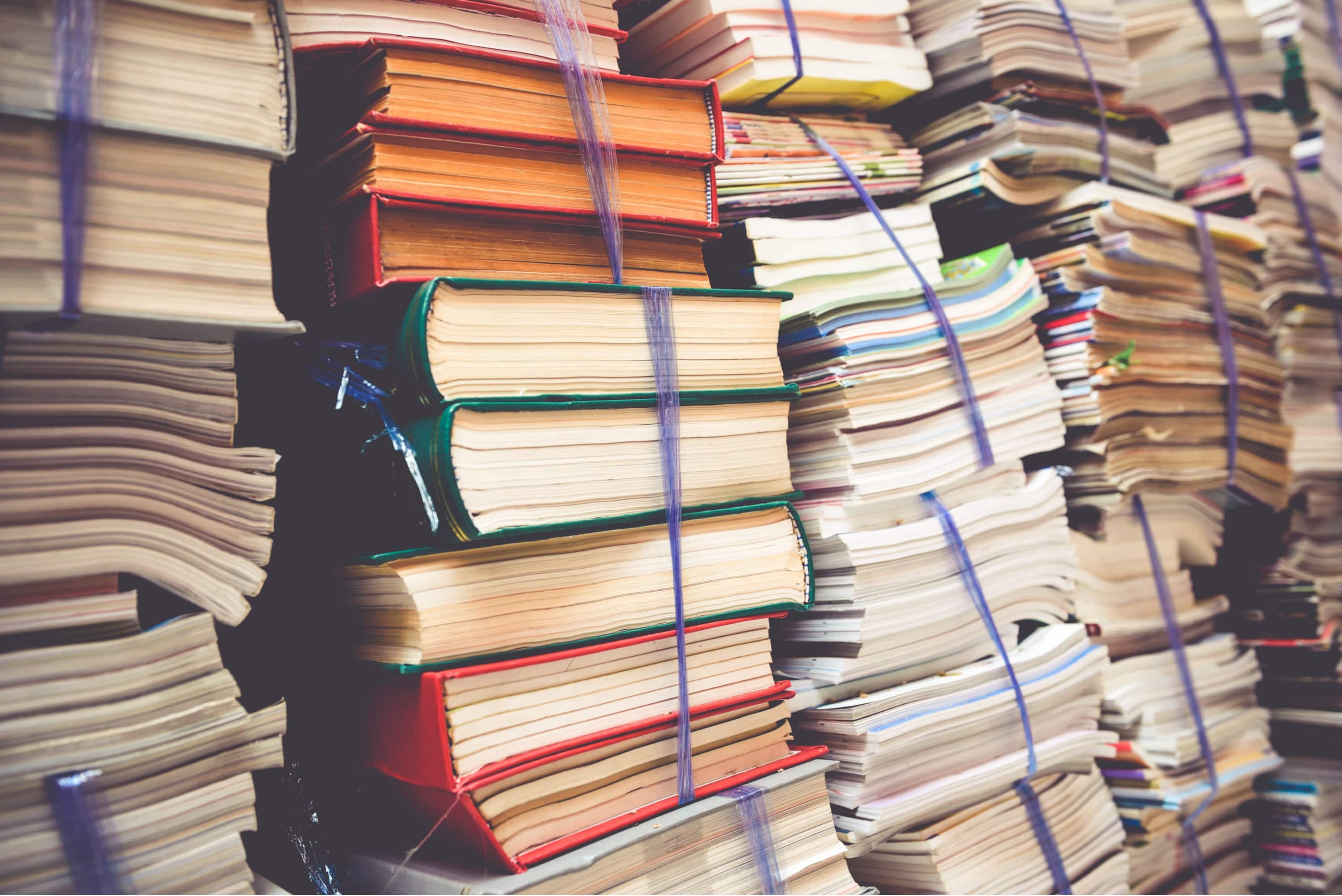
Every home has one: the mysterious book pile. It starts innocently with a paperback on the nightstand, grows into a “temporary” stack beside the couch, and eventually becomes a small literary mountain threatening to annex the guest room. The good news? Those used books do not have to gather dust, wobble under a table leg, or retire sadly to the recycling bin. Donating used books can help schools, libraries, shelters, military families, literacy programs, thrift stores, and neighborhood readers who are still thrilled by the magic of turning a real page.
Knowing where to donate used books is the trick. Not every organization wants every book. Some places love children’s books but cannot use adult hardcovers. Some prison book programs accept paperbacks only. Some thrift stores welcome books in good condition, while libraries may sell donations through Friends groups rather than add them to shelves. Translation: your 1994 Windows manual may not be the community treasure you hoped it was. But your clean novels, cookbooks, children’s stories, recent textbooks, and popular nonfiction can absolutely find a second life.
This guide covers the 11 best places to donate books, how to choose the right destination, what to avoid, and how to make your donation helpful instead of giving volunteers a surprise mold safari.
Why Donating Used Books Still Matters
Books are more than objects. They are low-cost entertainment, learning tools, comfort items, conversation starters, and sometimes the only quiet escape a person gets during a rough season. When you donate books, you support literacy, reduce waste, and help stretch nonprofit budgets. A book you no longer need can become a child’s bedtime favorite, a veteran’s travel companion, a classroom resource, or the novel someone grabs from a Little Free Library on a rainy Tuesday.
Donation also keeps usable items out of landfills. Reuse is usually better than recycling because it extends the life of the original product. Books require paper, ink, shipping, storage, and energy to produce, so passing them along is a small but meaningful environmental win. Plus, your shelves get breathing room. Everybody wins, including the shelf that has been making alarming creaking noises since 2017.
Before You Donate: Sort Your Books Like a Pro
Before loading boxes into your car, take 20 minutes to sort. A thoughtful donation is more useful than a giant donation. Most organizations prefer books that are clean, dry, complete, and in good condition. Check for broken spines, missing pages, heavy highlighting, water damage, mildew, smoke odor, and mystery stains. If you would not hand the book to a friend without apologizing, it probably should not go to a charity.
Donate These Books
Good candidates include recent fiction, popular nonfiction, children’s books, young adult novels, cookbooks, craft books, clean paperbacks, current test-prep guides, recent textbooks, graphic novels, large-print books, and books in languages commonly read in your community. Schools, shelters, and literacy groups especially appreciate books that are engaging, culturally relevant, and age appropriate.
Think Twice About These Books
Outdated textbooks, old encyclopedias, damaged books, magazines, heavily marked workbooks, obsolete computer manuals, and books with strong odors are often rejected. Some niche books may still be useful if donated to the right place, but do not assume every organization wants them. A 700-page guide to fixing a 1988 fax machine may be historically charming, but it is unlikely to be anyone’s urgent literacy need.
11 Best Places to Donate Used Books
1. Local Public Libraries and Friends of the Library Groups
Public libraries are often the first place people think of when donating books. That can be a great idea, but call or check the library website first. Many libraries do not automatically place donated books into circulation. Instead, donations may go to a Friends of the Library book sale, where proceeds support library programs, summer reading events, new materials, technology, and community services.
Libraries usually prefer books in excellent condition, recent bestsellers, local history, popular fiction, children’s books, and materials that match their collection needs. They may reject encyclopedias, textbooks, magazines, damaged books, and outdated reference materials. If your local library accepts donations only on certain days, follow the schedule. Leaving boxes at the door after hours is not generosity; it is a volunteer obstacle course.
2. Goodwill
Goodwill locations commonly accept used books, along with clothing, household goods, media, and other resale items. Donated books are sold in stores or online, and proceeds help support local job training, employment placement, education, and community programs. This option is convenient because many communities have Goodwill donation centers with easy drop-off procedures.
Goodwill is best for general donations: novels, biographies, cookbooks, coffee table books, children’s books, and media in sellable condition. Because each regional Goodwill may have its own rules, check your local donation guidelines before bringing unusual items, large quantities, or older textbooks. A good rule: if the book is clean and resale-friendly, it has a much better chance of being accepted.
3. The Salvation Army
The Salvation Army is another familiar place to donate used books and household items. Many locations accept books through thrift store drop-offs or scheduled pickups, depending on your ZIP code and local services. Donated goods are sold through thrift stores, and proceeds often support adult rehabilitation centers and other community programs.
This is a practical choice if you are decluttering more than books. You can combine books with clothing, small household items, décor, and other usable donations. As always, condition matters. Do not donate moldy, wet, torn, or incomplete books. If the box smells like it spent a decade in a basement plotting revenge, it is not ready for donation.
4. Little Free Libraries
Little Free Libraries are neighborhood book-sharing boxes built around a simple idea: take a book, share a book. They are excellent for small donations, especially clean paperbacks, children’s books, mysteries, romance novels, thrillers, and uplifting nonfiction. Use the Little Free Library map or app to find boxes near you, and look for locations marked as needing books.
The key is moderation. Do not empty your entire garage into one tiny box. Add a few books at a time, arrange them neatly, and avoid stuffing the library so tightly that the door barely closes. Weather matters too. If a book box is exposed to rain or humidity, donate books that can handle a short stay outdoors. Skip damaged books, political pamphlet dumps, or anything inappropriate for a mixed-age neighborhood audience.
5. Better World Books
Better World Books works with libraries, booksellers, book drives, and community drop boxes to collect used books. Sellable books may be resold to fund literacy efforts, while books that cannot be sold may be donated or responsibly recycled. For individuals, Better World Books donation boxes can be a convenient option where available.
This is especially useful for general used books in good condition. If you have a large collection, check whether there is a donation box near you and review accepted materials before hauling everything over. Better World Books is a strong choice when your goal is both reuse and literacy support.
6. Books for Africa
Books for Africa is a major nonprofit that ships donated text and library books to communities across the African continent. It is a strong match for educational books, school materials, recent textbooks, children’s books, and useful reference titles that meet program standards. The organization sorts materials to ensure books are relevant and appropriate for recipient schools and libraries.
This is not the place for random, damaged, or outdated books. Donors should carefully review guidelines because international shipping is expensive, and unsuitable books create extra work and cost. But when the books fit, they can support students, teachers, and libraries far beyond your local neighborhood.
7. Prison Book Programs
Prison book programs help incarcerated readers access books for education, personal growth, legal research, and mental health. Programs such as Prison Book Program, Books Through Bars, and regional jail-library initiatives often have strict rules because correctional facilities restrict what can be sent. Many accept paperbacks only, and some cannot use hardcovers, spiral bindings, books with heavy markings, or materials that violate facility rules.
These programs often need dictionaries, GED study guides, trade skills books, self-help titles, fiction, Spanish-language books, history, drawing books, and health resources. The best move is to check the current wish list before donating. A clean paperback can be a powerful gift, but only if it meets the program’s guidelines.
8. Operation Paperback
Operation Paperback sends gently used books to American troops overseas, veterans, and military families. Donors sign up, receive shipping information, and send books directly based on requests and needs. This makes it more hands-on than dropping books in a bin, but it also creates a more personal connection between your donation and the reader.
Popular genres often include thrillers, mysteries, science fiction, fantasy, westerns, history, biographies, and books that are easy to carry. Lightweight paperbacks are especially practical. If you have a shelf full of airport novels, military history, or page-turners that kept you up way too late, this may be one of the best places to donate books.
9. Vietnam Veterans of America and Pickup Services
Vietnam Veterans of America donation services, including regional pickup programs, may accept books along with clothing and household goods. This is a convenient option if you prefer home pickup and live in a service area. Donated items help generate funding for veteran-focused programs.
Because pickup availability and accepted items vary by region, confirm that books are accepted in your area before scheduling. Pack books in manageable boxes or bags. Nobody wants to discover that your “small box of books” weighs as much as a sleeping rhinoceros.
10. Schools, Teachers, and Classroom Libraries
Schools and teachers often need books, especially for classroom libraries, reading corners, after-school programs, and family literacy events. Children’s books, middle-grade novels, young adult fiction, graphic novels, early readers, and high-interest nonfiction can be extremely valuable.
Do not simply drop books at the front office without asking. Teachers need age-appropriate materials in good condition, and schools may have content policies. Email a teacher, librarian, PTA, or school administrator first. Mention the approximate number of books, age range, condition, and subjects. This makes it easier for the school to say yes and use the donation well.
11. Shelters, Community Centers, Senior Centers, and Hospitals
Local organizations often welcome books for waiting rooms, resident libraries, children’s areas, and community programs. Family shelters may need board books, picture books, and easy readers. Senior centers may appreciate large-print novels, memoirs, puzzles, and gentle mysteries. Hospitals and clinics may accept new or very gently used books for waiting areas, though many have strict hygiene rules.
Community centers, laundromats, coffee shops, churches, and neighborhood nonprofits may also host free-book shelves. These hyperlocal options are wonderful because books go directly where people already gather. Call first, ask what they need, and keep donations focused. A small box of perfect-fit books beats a truckload of “maybe someone can use this” clutter.
How to Choose the Best Donation Spot
The best place to donate used books depends on what you have. Children’s books may do best at schools, Book Harvest-style literacy programs, shelters, and Little Free Libraries. Paperbacks are ideal for prison book projects and military programs. General adult books work well at thrift stores, library sales, and community shelves. Educational books may belong with literacy nonprofits, schools, or international programs if they are current and relevant.
Also consider convenience. If you have three bags of mixed novels, a nearby thrift store or library sale may be perfect. If you have a curated stack of children’s books, a local school or family shelter could create more direct impact. If you have a specific mission in mind, such as supporting veterans or incarcerated readers, follow that organization’s current donation instructions carefully.
Book Donation Etiquette: Helpful, Not Hectic
Good donation etiquette is simple: ask first, sort honestly, pack neatly, and respect guidelines. Use small or medium boxes so volunteers can lift them safely. Label boxes by category, such as “children’s picture books,” “adult fiction,” or “paperbacks.” Remove bookmarks, receipts, personal notes, and anything tucked between pages. Yes, people really do find old grocery lists, pressed flowers, money, and occasionally things that should have remained private.
If you are donating many books, schedule a drop-off. Large donations can overwhelm small organizations. A library book sale may love your 12 boxes, but it needs space and volunteers to process them. A prison book program may prefer two boxes at a time. A school may want books sorted by grade level. Respecting those rules makes your donation more likely to be used.
Can You Get a Tax Deduction for Donated Books?
In the United States, donated books may qualify as noncash charitable contributions if given to a qualified tax-exempt organization and if you itemize deductions. The value is generally based on fair market value, meaning what the books would reasonably sell for in their current used condition. Thrift store prices can be a helpful reference.
Keep a receipt when possible, especially for larger donations. Make a simple list of what you donated, the date, the organization, and your estimated value. For high-value donations, special IRS rules may apply. Most everyday book donations are modest, but good records still matter. When in doubt, ask a tax professional rather than trusting a random spreadsheet named “Book Fortune 2026.”
What to Do With Books Nobody Wants
Some books are not good donation candidates. Water-damaged books, moldy books, badly outdated manuals, torn books, and heavily marked workbooks may need recycling or disposal. Check your local recycling rules because hardcover books sometimes require removing the cover or binding. If recycling is not available, consider creative reuse for crafts, art projects, or school activities, but only when the books are clean and safe.
For books with potential collector value, look them up before donating. First editions, signed copies, rare local histories, and specialty books may be worth selling, appraising, or donating to an archive. Most books are not hidden treasures, but every now and then a dusty shelf has a surprise. Unfortunately, your college calculus textbook with coffee rings is probably not retiring you early.
Personal Experiences and Practical Lessons From Donating Used Books
Anyone who has donated books more than once learns that the process is part decluttering, part matchmaking, and part emotional archaeology. You pick up a novel and remember a vacation. You open a cookbook and find a sauce stain from a dinner party that was either charming or a small kitchen emergency. You discover a self-help book you bought with great optimism and read exactly 11 pages of. The trick is not to judge your past self too harshly. Your shelves tell the story of who you were, what you wanted to learn, and how many times you believed you were about to become “a person who reads philosophy before breakfast.”
One of the best experiences is donating children’s books. These usually move quickly because families, teachers, shelters, and Little Free Libraries need them constantly. Picture books in good condition feel especially rewarding to pass along because they often become part of a child’s daily routine. A book that sat ignored in your hallway can become someone else’s bedtime request for the next six months. Parents may silently curse you after the 47th reread, but that is the noble burden of literacy.
Another useful lesson: donate by category, not chaos. Early in the decluttering process, many people toss every book into one box and call it done. That creates work for the receiving organization. A better approach is to sort into groups: children’s books, adult fiction, nonfiction, paperbacks, textbooks, and books that may need recycling. This takes a little longer at home but makes the donation dramatically easier to place. It also helps you choose the right destination. Paperbacks can go to prison book programs. Children’s books can go to schools or literacy nonprofits. General fiction can go to thrift stores or library sales.
It is also worth learning that rejection is not personal. When a library says it cannot accept your encyclopedias, it is not insulting your intellectual legacy. When a prison book program says no hardcovers, it is following facility rules. When a school declines adult memoirs, it is protecting age-appropriate collections. Donation guidelines exist because volunteers have limited time, storage, and budgets. A good donor does not make nonprofits solve a disposal problem disguised as generosity.
The most satisfying donations are intentional. For example, a stack of clean mysteries placed in a senior center library may be borrowed immediately. A bag of graphic novels offered to a middle school teacher may excite reluctant readers. A handful of sturdy board books given to a family shelter may survive sticky fingers, stroller rides, and enthusiastic page turning. Those outcomes feel better than simply clearing space because the books are not just gone; they are useful again.
Finally, donating used books can change how you buy books in the future. Once you see which books are easy to pass along and which become donation orphans, you may buy more thoughtfully. You may use the library more. You may choose paperback over hardcover when you know a prison program could use it later. You may keep fewer “someday” books and more books you truly love. That is the hidden gift of book donation: it clears shelves, supports readers, and teaches you that ownership is only one chapter in a book’s life.
Conclusion: Give Your Books a Better Ending
Donating used books is one of the easiest ways to declutter with purpose. Instead of letting books fade on a shelf, you can send them into classrooms, community centers, thrift stores, military care packages, prison libraries, shelters, public library sales, and neighborhood book boxes. The best results come from matching the right books to the right place and respecting each organization’s guidelines.
Start small: choose one shelf, sort books honestly, recycle what is unusable, and donate the rest where they can do the most good. Your home gets lighter. Someone else gets a story, a skill, a laugh, or a little comfort. That is a pretty excellent ending for a book you already finished.