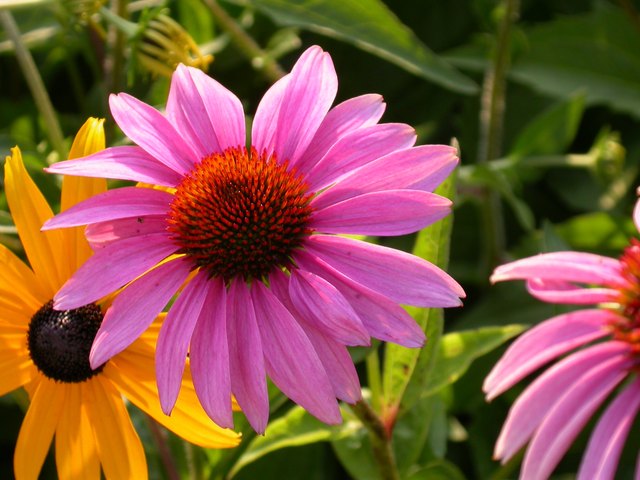
Coneflowers are the dependable overachievers of the perennial garden. They tolerate heat, attract pollinators, provide seeds for birds, and keep blooming while fussier flowers are filing formal complaints about the weather. However, growing them from seed requires one important decision: when should coneflower seeds be planted?
For most gardeners, the best time to plant coneflower seeds is either late fall to early winter, allowing outdoor weather to provide natural cold stratification, or late winter to early spring indoors, usually several weeks before the final frost. Spring direct sowing can also work, especially with purple coneflower, but germination requirements vary among species and cultivars.
This guide explains when to sow coneflower seeds in different climates, whether cold stratification is necessary, how to plant indoors or outdoors, and what to expect during the first growing season.
The Best Time to Plant Coneflower Seeds
The best planting window depends on your climate, the type of coneflower you are growing, and whether you plan to start the seeds indoors or sow them directly in the garden.
Plant Coneflower Seeds in Late Fall for Natural Stratification
Late fall is generally the easiest time to direct sow coneflower seeds. Wait until the growing season has ended and temperatures are consistently cold enough that the seeds will not germinate immediately. In colder regions, this often means sowing after the first hard frost but before the ground becomes permanently frozen.
Fall planting exposes the seeds to cold, moist winter conditions. This process, called cold stratification, helps break seed dormancy and prepares many perennial seeds to germinate when the soil warms in spring. University extension guidance commonly recommends fall sowing as a straightforward way to let nature provide this treatment.
Fall sowing is especially useful for species such as narrow-leaf coneflower, pale purple coneflower, and yellow coneflower, which may respond more reliably after a chilling period. Wisconsin Horticulture notes that yellow coneflower germination can be improved through cold, moist stratification and that outdoor fall planting is the simplest way to provide it.
The goal is dormant seeding, not raising tiny seedlings just before winter. If seeds sprout during an unusually warm fall, the tender growth may be damaged when freezing temperatures return.
Start Seeds Indoors in Late Winter
Starting coneflower seeds indoors gives you greater control over moisture, temperature, light, and seedling survival. A common schedule is to sow them approximately 8 to 10 weeks before your intended outdoor planting date. Some gardeners start even earlier when growing a variety known to develop slowly or when they hope to encourage first-year flowering.
If the seeds require cold stratification, include that treatment in your schedule. For example, seeds needing 30 to 60 days of chilling must enter the refrigerator well before the normal indoor sowing date. Otherwise, spring may arrive while your seeds are still vacationing beside the salad dressing.
After any required pretreatment, sow the seeds indoors at approximately 65 to 70 degrees Fahrenheit. Clemson Cooperative Extension reports that Echinacea purpurea commonly germinates in about 10 to 20 days under suitable indoor conditions.
Direct Sow in Early Spring
Coneflower seeds can also be planted directly outdoors in early spring once the soil can be prepared. This method works particularly well with fresh purple coneflower seed or seed sold as requiring no pretreatment.
However, spring sowing may produce uneven germination when the seed has not received enough chilling. The USDA notes that cold stratification is not always essential for eastern purple coneflower, but it frequently improves germination. Its guidance suggests either moist refrigeration for roughly two months or fall planting as practical options.
Always check the packet rather than assuming every coneflower behaves identically. Echinacea purpurea is often easier to germinate than species such as Echinacea angustifolia, and commercially bred hybrids may have their own instructions.
When to Plant Coneflower Seeds by Climate
Cold-Winter Regions
In areas with long, reliably cold winters, including much of USDA Zones 3 through 6, dormant fall sowing is an excellent choice. Plant after a hard frost, commonly from October through December depending on location.
You can also winter sow seeds in ventilated plastic containers placed outdoors. The containers act like miniature greenhouses while still exposing the seeds to natural temperature changes, moisture, and winter chilling. The University of Minnesota recommends winter sowing as an economical way to start native pollinator plants that benefit from cold stratification.
For indoor growing, begin stratification in December or January and sow the treated seeds indoors in late winter. Transplant the seedlings after the danger of severe frost has passed and after they have been gradually hardened off.
Moderate-Winter Regions
Gardeners in Zones 7 and 8 can usually sow coneflower seeds from late fall through winter. These regions often receive enough cool weather for natural stratification, although warm spells may complicate very early fall planting.
Wait until cool weather has settled in before sowing. Alternatively, refrigerate the seeds and start them indoors during winter. Spring direct sowing remains possible, but consistent moisture becomes increasingly important as temperatures rise.
Warm-Winter and Southern Regions
In climates with hot summers and mild winters, fall and early winter are often the most practical planting periods. Young plants can develop roots during cooler weather rather than attempting to become established during intense summer heat.
Because some warm regions do not provide a long, dependable chilling period, artificial refrigeration may produce more predictable germination for varieties requiring stratification. Gardeners should also select species and cultivars suited to local heat, humidity, drainage, and winter temperatures.
Light afternoon shade may be helpful in exceptionally hot locations, although coneflowers generally flower most heavily when they receive at least six hours of direct sunlight.
Do Coneflower Seeds Need Cold Stratification?
The most accurate answer is: sometimes.
Many coneflower seeds germinate more evenly after cold, moist stratification, but the exact requirement depends on the species, cultivar, seed age, and production method. Purple coneflower is frequently capable of germinating without pretreatment. Other Echinacea species may benefit from, or require, a longer chilling period.
Cold stratification mimics winter. Seeds are held in a cool, moist environment long enough to trigger the biological changes associated with the end of dormancy. Illinois Extension specifically includes purple coneflower among the perennial flowers that commonly benefit from cold, moist treatment.
How to Cold-Stratify Coneflower Seeds
- Moisten a small amount of clean sand, vermiculite, peat-based medium, or a folded paper towel.
- Mix the seeds into the medium or spread them across the moist towel.
- Place everything in a labeled resealable bag or covered container.
- Store it in a refrigerator, generally between 32 and 40 degrees Fahrenheit.
- Leave the seeds chilled for the period listed on the packet, commonly 30 to 60 days and sometimes longer for particular species.
- Check occasionally for mold, excessive dryness, or early germination.
- Sow promptly after the treatment is complete.
The medium should be damp, not dripping wet. Seeds need moisture during stratification, but they do not need their own indoor swimming pool.
How to Plant Coneflower Seeds Outdoors
Choose a Sunny, Well-Drained Site
Coneflowers generally perform best in full sun and average, well-drained soil. Established plants tolerate heat and periods of drought, but soggy soil can cause crown and root problems. Iowa State University describes purple coneflower as a plant that grows best in full sun and well-drained soil while tolerating hot, dry conditions.
Remove existing weeds before sowing. Coneflower seedlings grow slowly at first and can be overwhelmed by aggressive weeds or thick turfgrass.
Prepare the Seedbed
Loosen the upper layer of soil and rake it smooth. Break apart large clods, but avoid turning the area into a fluffy mound that dries out immediately. The finished surface should be firm enough to provide good seed-to-soil contact.
If the soil is heavy clay that remains wet for long periods, improve drainage by choosing a raised location or incorporating appropriate organic matter into a broader planting area. Do not fill one small planting hole with rich compost surrounded by compacted clay; that can create a very fashionable bathtub.
Sow at the Correct Depth
Sow coneflower seeds approximately 1/8 to 1/4 inch deep, unless the packet gives different directions. USDA establishment guidance recommends this shallow planting range for eastern purple coneflower.
Press the seed gently into the soil and apply only a light covering. Deep burial is a common reason small perennial seeds fail. After planting, water with a gentle spray so the seeds are not washed into a neighboring zip code.
Keep the Surface Consistently Moist
The top layer of soil should remain evenly moist during germination. A fine layer of clean straw or other loose material can reduce drying, but thick mulch may block emerging seedlings.
Once seedlings are established, gradually reduce watering frequency while watering more deeply. This encourages stronger root growth and prepares the plants for normal garden conditions.
How to Start Coneflower Seeds Indoors
Use a sterile seed-starting mix and containers with drainage holes. Cell trays, deep plug trays, and small individual pots all work. Deeper containers can be useful for species that develop pronounced taproots.
- Fill the containers with premoistened seed-starting mix.
- Sow one or two seeds per cell.
- Cover them lightly with approximately 1/8 inch of mix or follow the packet instructions.
- Mist gently and cover the tray loosely with a clear dome until germination begins.
- Maintain a temperature near 65 to 70 degrees Fahrenheit.
- Provide bright light as soon as seedlings emerge.
- Thin each cell to the strongest seedling.
Seedlings need strong light for approximately 14 to 16 hours per day when grown under lamps. Keep the lights close enough to prevent stretching but far enough away to avoid heat damage.
Water from below when practical and allow excess water to drain. Constantly saturated mix can encourage damping-off disease, weak roots, and the sudden disappearance of seedlings you had already emotionally adopted.
When to Transplant Coneflower Seedlings
Transplant coneflower seedlings outdoors after they have developed several true leaves, the root systems hold the potting mix together, and dangerous freezing weather has passed.
Harden them off for approximately seven to ten days. Begin with a short period in a protected outdoor location, then gradually increase their exposure to sunlight, wind, and outdoor temperatures.
Space plants according to the mature width listed for the variety. Many standard coneflowers need approximately 18 to 24 inches between plants, while compact cultivars may be placed closer together.
Will Coneflowers Bloom the First Year From Seed?
Some modern cultivars can flower during their first growing season when started very early under favorable conditions. However, many seed-grown coneflowers spend their first year developing leaves and roots, then bloom more impressively in their second year.
Clemson Cooperative Extension cautions that seed-grown Echinacea may need two or more years to develop into a sizable plant.
Do not assume a bloom-free first year means failure. A compact rosette of healthy leaves may be building a root system capable of supporting years of summer flowers. Perennials are playing the long game.
Common Coneflower Seed-Starting Mistakes
Ignoring the Seed Packet
Instructions for one coneflower species may not apply to another. Check the botanical name, pretreatment code, planting depth, and expected germination period.
Planting Too Deeply
Coneflower seeds need only a shallow covering. Excess soil can prevent seedlings from reaching the surface.
Letting Seeds Dry Out During Germination
The soil surface dries quickly, particularly in sunny or windy weather. Check outdoor beds and indoor trays regularly.
Overwatering
Moisture supports germination; waterlogging removes oxygen from the root zone. Containers must have drainage holes, and garden beds should not remain swampy.
Transplanting Without Hardening Off
Indoor seedlings are accustomed to calm air, stable temperatures, and gentle lighting. Immediate exposure to full sun and wind can scorch or flatten them.
Expecting Instant Flowers
Coneflowers grown from seed may need patience. Their first-season performance can look modest compared with nursery plants, but mature clumps are generally much more impressive.
Practical Grower Experience: Lessons From Planting Coneflower Seeds
One of the most useful lessons from growing coneflowers is that fall sowing usually produces less work, while indoor sowing provides more control. A prepared outdoor bed planted after a hard frost can quietly handle months of seed treatment without refrigerator bags, date calculations, or mysterious containers that alarm other household members.
The challenge with outdoor sowing is remembering where the seeds were planted. Mark the area with durable labels at both ends of the row. A label written with a fading marker may be perfectly legible in November and completely blank by March. Without markers, enthusiastic spring weeding can remove the coneflowers before they have a chance to introduce themselves.
Fall-sown seeds rarely emerge in one perfectly synchronized wave. Some germinate as soon as spring conditions become suitable, while others appear later. A few may wait until another season. Keeping the bed lightly watered and relatively undisturbed gives late arrivals an opportunity to emerge.
Indoor seed starting is more predictable, but stratification must be scheduled backward from the transplant date. Suppose a gardener expects to transplant around May 10 and the seed packet recommends 60 days of cold treatment followed by eight weeks of indoor growth. Stratification should begin around early January. Waiting until April to read the packet turns the plan into an educational experiment for next year.
During refrigeration, slightly damp vermiculite is often easier to manage than a soaking paper towel. The seeds stay separated, air remains available, and the mixture is less likely to become a compressed, moldy lump. Labels should include the species, cultivar, date started, and expected removal date. Memory is not a dependable labeling system, especially when several nearly identical bags are involved.
After stratification, shallow sowing makes a noticeable difference. Seeds covered with a thin layer of mix generally emerge more successfully than seeds pushed deep into the tray. Using a mist bottle or watering from below also prevents seeds from being displaced.
Another practical lesson is that seedling growth may appear slow above the soil. Coneflowers devote substantial energy to root development. A seedling that seems unimpressive in April may become a sturdy plant by late summer, provided it receives bright light, moderate moisture, and enough room.
Gardeners frequently lose more seedlings to excessive kindness than neglect. Daily heavy watering, rich fertilizer, and constantly wet soil may produce weak growth or root disease. Coneflowers prefer sensible care: regular moisture while young, good drainage, adequate light, and gradually less frequent watering as their roots expand.
Weed control is especially important during the first season. Mature coneflowers can compete well in a perennial border, but small seedlings are easily shaded by crabgrass, chickweed, and other fast-growing plants. Hand-pull weeds while they are small, taking care not to disturb the coneflower roots.
Finally, it pays to leave at least some mature seed heads standing at the end of the season. They add winter structure, provide food for birds, and may produce volunteer seedlings. Missouri Botanical Garden, Iowa State University, NC State Extension, and other horticultural authorities note that purple coneflowers can reseed when flower heads are allowed to mature.
Volunteer seedlings may not look exactly like a named hybrid parent, but that is part of the fun. The garden gets a few surprises, the birds get dinner, and the gardener gets free plants. Everyone leaves the negotiation reasonably satisfied.
Conclusion
For most home gardens, the best time to plant coneflower seeds is after a hard frost in late fall or during winter, allowing natural cold stratification before spring germination. Gardeners who prefer more control can stratify the seeds in a refrigerator and start them indoors approximately eight to ten weeks before outdoor planting.
Spring direct sowing can also succeed, particularly with purple coneflower, but always follow the instructions for the exact species or cultivar. Sow shallowly, maintain consistent moisture during germination, provide excellent drainage, and give young plants time to establish. With a little patience, those unremarkable brown seeds can become durable summer flowers visited by bees, butterflies, and hungry goldfinches.
Research note: This article synthesizes guidance from the USDA Natural Resources Conservation Service, University of Illinois Extension, Iowa State University Extension, University of Minnesota Extension, Wisconsin Horticulture, Clemson Cooperative Extension, Penn State Extension, NC State Extension, Missouri Botanical Garden, Prairie Moon Nursery, Burpee, The Old Farmer’s Almanac, and Proven Winners.