hings. That is normal. A personality needs ingredients, after all, and nobody wants to be introduced as “a carbon-based life-form who occasionally checks email.”
The comedy begins when one ingredient becomes the entire casserole. Suddenly, every conversation returns to the same political figure, fitness routine, television franchise, parenting philosophy, investment, diet, or vehicle. Ask about the weather, and somehow you receive a 14-minute explanation of why cold showers changed someone’s life.
Psychologists distinguish between personal identityour individual traits, abilities, and tastesand social identity, which comes from the groups to which we belong. Group membership can provide purpose, friendship, security, and a valuable sense of belonging. Problems arise not because someone cares deeply, but because one identity begins crowding out flexibility, curiosity, and every other part of the self. Research also suggests that belonging to several meaningful groups can be healthier than relying on a single identity for all of one’s self-esteem and connection. pired by a widely shared online discussion about things people turn into their whole personality, the following 50 answers have been fully reworked, expanded, and organized into a good-natured examination of modern one-note identities. >
Why Do People Build Their Whole Personality Around One Thing?
Usually, it is not because they are empty or boring. A strong identity can simplify a complicated world. It tells a person where they belong, what to wear, which jokes to understand, what opinions to repeat, and who will applaud their latest purchase.
Communities built around sports, entertainment, brands, politics, or lifestyles can create genuine friendships. Brand communities, for example, often unite customers around shared rituals, values, and experiences rather than a product alone. Fandoms can also provide social support and positive connections. The difficulty comes when participation turns into a loyalty test and every outsider becomes suspicious. ial media adds another layer. Online profiles reward recognizable identities: the plant person, the gym person, the political person, the exhausted entrepreneur, or the fan account that has not posted about anything else since 2019. Research has connected social media with both opportunities and challenges in identity development, especially when users carefully construct a public version of themselves. n>
50 Things People Turn Into Their Whole Personality
Identity, Beliefs, and Ideology
-
National pride turned up to maximum volume.
Loving your country is fine. Treating every conversation like the opening ceremony of an international sporting event is less charming. National identity can create belonging and shared purpose, but it does not require turning the flag into a conversational cape. -
A political party.
Some people stop having individual opinions and begin downloading the entire party platform directly into their personalities. Dinner becomes a debate, the family group chat becomes a campaign office, and disagreement becomes treason. Political identities can become powerful social identities, particularly in polarized environments. -
A single politician.
Supporting a public official is one thing. Decorating your home, wardrobe, vehicle, vocabulary, and possibly your dog around that person is another. Politicians already have communications teams; unpaid neighborhood ambassadors may rest. -
Religionor opposition to religion.
Faith can guide a meaningful life, while nonbelief can reflect serious thought and personal conviction. Either becomes exhausting when every conversation is treated as a recruitment opportunity or an intellectual cage match. -
Being permanently “persecuted.”
Some people interpret every correction, boundary, or unanswered text as evidence of organized oppression. Genuine discrimination deserves attention. Not receiving the restaurant table you wanted probably does not require an international tribunal. -
Conspiracy theories.
Once someone becomes the self-appointed keeper of forbidden knowledge, ordinary explanations lose their appeal. A delayed flight cannot be mechanical trouble; it must involve satellites, billionaires, and a suspicious cloud shaped like Delaware. -
Generational labels.
Baby Boomers, Generation X, Millennials, and Generation Z can describe broad cultural experiences. They are less useful as complete psychological evaluations. Your birth year does not automatically determine your work ethic, attention span, or ability to operate a printer. -
Astrology.
Astrology can be playful entertainment and a useful prompt for self-reflection. Trouble arrives when Mercury receives legal responsibility for missed deadlines, bad dates, impulse purchases, and the mysterious disappearance of office snacks. -
Being “woke” or aggressively anti-woke.
Caring about fairness is not a personality defect, and criticizing performative activism can be reasonable. Yet both sides can become theatrical when every movie, sandwich, and lawn decoration is treated as a battlefield in civilization’s final hour. -
One demographic label.
Sexual orientation, gender, ethnicity, and other identities can be deeply meaningful, especially when community provides safety and solidarity. The one-note problem appears only when any single label becomes the sole permitted introduction, interest, and topic. The identity itself is not the joke; reducing a complex person to one feature is.
Fandoms, Entertainment, and Cultural Tribes
-
A fantasy-book house or fictional faction.
Enjoy the books, wear the scarf, and attend the themed party. Just remember that a quiz written for promotional entertainment may not be a binding psychological assessment recognized by your employer. -
Disney devotion.
There is nothing wrong with loving animated classics or visiting theme parks. It becomes a whole personality when every vacation, tattoo, kitchen appliance, wedding song, and moral lesson requires a pair of mouse ears. -
Anime fandom.
Watching anime is a hobby. Collecting figures and attending conventions can be great fun. Assuming every aspect of Japanese society resembles an animated series is where enthusiasm packs a suitcase and leaves reality behind. -
Music taste.
The music snob does not simply enjoy an artist. They guard a sacred gate and demand your listening history before permitting entry. Mention a popular song, and they react as though you microwaved a priceless violin. -
Sports fandom.
Supporting a team creates community, tradition, and thrilling shared experiences. Identity fusion, however, can make a victory feel personal and a rival fan feel morally defective. Your team lost because of defense, not because your neighbor wore the wrong hat. -
Fantasy sports.
The draft was in August, yet somehow everyone must hear about it until February. A casual question about your weekend becomes an advanced lecture on waiver-wire strategy and the emotional betrayal of a backup running back. -
A celebrity.
Fans may feel strong emotional connections to performers and online personalities they have never met. These parasocial relationships can be comforting, but they become disruptive when fans adopt the celebrity’s habits, opinions, conflicts, and enemies as their own. -
Being a content creator.
Creating videos is real work. Still, not every breakfast requires behind-the-scenes footage, a thumbnail face, three camera angles, and the phrase, “You will not believe what happened next.” -
Hating whatever is popular.
Some people build their identity around disliking successful movies, musicians, books, and trends. They are not merely uninterested; they need everyone to know they resisted enjoyment before resistance became mainstream. -
One television series.
Quoting a favorite show is fun. Communicating almost entirely through its dialogue eventually makes friends wonder whether they are speaking to a person or an unusually persistent streaming-service notification.
Lifestyles, Brands, and Consumer Tribes
-
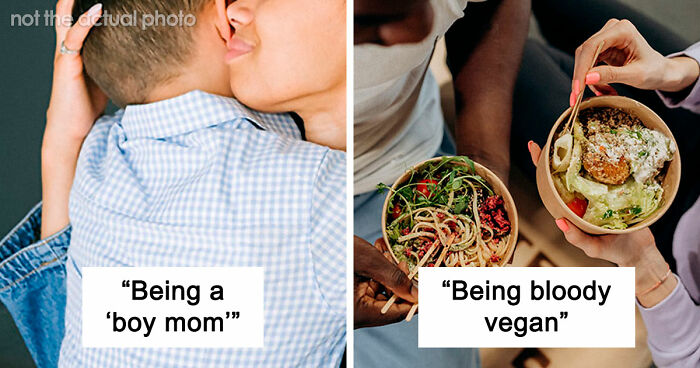
Veganism, keto, carnivore eating, or another diet.
Dietary choices can reflect health needs, ethics, culture, or preference. They become a one-person broadcast network when every meal comes with a sermon and everyone else’s plate receives an unsolicited performance review. -
CrossFit.
The classic joke says you never need to ask whether someone does CrossFit because they will tell you. Fitness communities can provide accountability and friendship; the problem begins when burpees become both an exercise and a theory of government. -
Cold plunges.
Some people try cold water and feel refreshed. Others emerge convinced they have discovered a secret that must be shared with every warm, comfortable coward still taking ordinary showers. -
Pickup trucks.
A truck can be useful for work, towing, farms, and outdoor activities. Alternatively, it can become a towering chrome identity monument that has never transported anything heavier than a drive-through order. -
Driving an electric car.
Owning an electric vehicle does not automatically make someone a visionary, environmental scientist, technology executive, or member of an elite interplanetary council. Sometimes it simply means the car was on sale. -
A motorcycle brand.
Certain motorcycle communities have perfected the transformation of a machine into clothing, friendships, vacations, home décor, and a complete philosophy. The motorcycle is no longer in the garage; spiritually, the garage is inside the owner. -
Crypto.
Crypto enthusiasts can discuss technology and markets intelligently. The whole-personality version treats every relative as a potential investor and every hesitation as proof that “people do not understand the future.” Investor.gov warns that social-media promotion, fear of missing out, and promises of easy returns can also expose people to fraud. -
Wine culture.
Enjoying wine is pleasant. Posting a glass beside every Tuesday-night emotion and owning six signs that say “It’s wine o’clock somewhere” suggests the beverage has hired a publicist. -
Cannabis culture.
Supporting legalization or using cannabis does not require turning every shirt, joke, vacation plan, social-media handle, and household object into a leaf-shaped announcement. -
A beard.
A beard can look excellent. It does not necessarily require a club, manifesto, specialized comb collection, lumberjack costume, and 40-minute explanation of artisanal conditioning oil.
Work, Family, and Social Roles
-
A job title.
Careers can provide pride and purpose, but “What do you do?” should not become “What are you?” A person is still a person after removing the email signature, company hoodie, and quarterly performance vocabulary. -
Being overworked.
Bragging about exhaustion turns poor boundaries into a competitive sport. The Centers for Disease Control and Prevention notes that insufficient sleep is associated with anxiety, depression, injuries, heart disease, and other serious conditions. Sleep deprivation is not a luxury watch. -
Entrepreneurship.
Starting a business takes courage. Yet not every freelancer needs to call themselves a disruptor, schedule coffee for 4:45 a.m., and explain that weekends are merely a limiting belief invented by employees. -
Multi-level marketing.
The transformation can happen quickly: an old classmate sends a friendly message, asks about your family, and introduces an “amazing opportunity” before you finish replying. The FTC warns that some MLM operations are illegal pyramid schemes and advises consumers to examine earnings claims and recruitment structures carefully. -
Being a parent.
Raising children naturally consumes time, energy, and attention. The one-note version assumes every conversation needs a birth story, school update, and 38-photo slideshoweven when someone merely asked to borrow a pen. -
Being a “boy mom” or “girl dad.”
Loving your children is wonderful. Turning their gender into an elaborate personal brand can flatten their individuality before they have even selected a favorite breakfast cereal. -
A child’s sport.
Youth athletics can build confidence and friendships. Meanwhile, some parents behave as though Saturday’s under-10 soccer match is a nationally televised championship and the volunteer referee has endangered the family legacy. -
Being a “dog mom,” “cat dad,” or pet parent.
Pets are beloved family members. Still, your coworker may not require a birthday invitation written in your terrier’s voice or a detailed account of what the cat thinks about interest rates. -
A partner’s profession.
Being married to a police officer, physician, attorney, athlete, or service member does not automatically confer the same training, authority, or workplace anecdotes. Supporting a partner is admirable; borrowing the uniform spiritually is optional. -
Military service.
Service can profoundly shape a person and deserves respect. Yet veterans are still individuals with different politics, hobbies, temperaments, musical tastes, and plans. A major life chapter does not have to become the only chapter.
Habits, Labels, and Online Behavior
-
Casually claiming a mental health diagnosis.
Awareness can reduce stigma, but using “OCD,” “bipolar,” or similar terms as synonyms for neatness, moodiness, or ordinary preferences can minimize serious conditions. NAMI specifically cautions against using diagnoses casually to describe minor habits. -
Performing illness for attention.
People with genuine conditions deserve support, privacy, and appropriate care. The issue is not discussing symptoms or advocating for awareness; it is turning unverified self-labels into content, status, or a weapon against questions. -
Recovery culture.
Recovery communities can be lifesaving, particularly during vulnerable periods. Over time, some people prefer to rebuild an identity that also includes work, creativity, friendship, family, and future goals. There is no shame in needing support, and no requirement to remain frozen in one chapter forever. -
Being sexually provocative.
Healthy sexuality is part of adult life. The one-topic personality, however, turns every joke, question, profile, and conversation into material that would make a human-resources department quietly close the blinds. -
Living in a famous city.
New York, Los Angeles, Austin, Miami, and other cities inspire fierce affection. Residents occasionally speak as though crossing the municipal boundary grants a new species classification and everyone elsewhere survives without coffee or culture. -
Hair color.
Redheads are not automatically fiery, blondes are not automatically carefree, and brunettes do not arrive with advanced degrees. Hair is capable of many impressive things, but writing a personality is not among them. -
Owning weapons.
Some people view firearms as tools, sporting equipment, collectibles, or part of a personal safety plan. The whole-personality version ensures every photograph, bumper sticker, shirt, holiday card, and kitchen conversation reminds you of the collection. -
Being confidently incorrect.
This person does not merely misunderstand something. They explain it loudly, reject evidence, and leave the conversation feeling victorious. Confidence is attractive until it starts driving without a license. -
TikTok trends.
A person discovers a phrase on Monday, adopts the matching lifestyle by Wednesday, and by Friday is teaching relatives why they have been cutting onions incorrectly for several generations. -
Not caring about anything.
Ironically, some people make detachment their entire personality. They dislike enthusiasm, mock sincerity, and treat emotional investment as embarrassing. Caring about nothing is still a brandjust one with very dull merchandise.
Experiences That Show How a Personality Becomes One-Note
The following composite experiences illustrate the difference between having a strong interest and forcing everyone else to live inside it.
The Dinner That Became a Campaign Rally
Imagine a group of old friends meeting for dinner after several months apart. One person has changed jobs, another recently moved, and someone else is learning to play guitar. Before anyone can exchange updates, one guest introduces the evening’s unofficial agenda: national politics.
A harmless comment about grocery prices becomes a speech. A story about a child’s school becomes a policy debate. When dessert arrives, the guest is showing polling charts on a phone while everyone else stares into their cheesecake and considers faking a fire drill.
The problem is not political engagement. Informed citizens should care about government. The problem is the disappearance of mutual conversation. One person is no longer exchanging ideas; they are delivering programming to a captive audience.
The Hobby That Took Over Every Room
Now consider someone who discovers cycling. At first, the hobby improves their health and gives them a friendly weekend community. Soon, they buy better equipment, learn repair skills, and sign up for a challenging event. All of that is positive.
Then cycling begins consuming every interaction. Vacations are judged by bike routes. Friends are ranked according to whether they ride. Every physical complaint receives the same prescription: buy a bicycle. Dinner invitations become nutritional consultations about carbohydrates. The person has not merely added a hobby; they have appointed it mayor of their life.
Friends may gradually stop asking questions because every path leads to the same destination. Ironically, the cyclist may interpret that silence as a lack of support rather than conversational fatigue.
The Parent Who Disappeared Behind the Role
Parenthood can legitimately reorder a person’s priorities. Babies need constant care, and young children generate enough stories to supply several television seasons. During the most demanding years, parents may have little energy for previous hobbies or spontaneous social plans.
Still, friends sometimes notice that every question is redirected toward the child. “How are you?” produces a report on preschool. “Have you watched anything good?” becomes a discussion of educational cartoons. Even another person’s major news may receive a quick acknowledgment before the conversation returns to sleep schedules.
This does not mean the parent is selfish. They may be overwhelmed, isolated, or genuinely unable to think beyond immediate responsibilities. A compassionate response is not to mock them, but to make room for the person behind the role: “What have you enjoyed lately that was just for you?”
The New Business Opportunity From an Old Friend
Another familiar experience begins with an unexpected message from someone you knew in high school. The opening sounds warm: they have been thinking about you, your family looks wonderful, and they would love to reconnect.
Three messages later, the reunion reveals its true purpose. They want to tell you about a wellness product, investment community, coaching system, or business opportunity that has supposedly created freedom, confidence, and an entirely new life.
What makes this uncomfortable is not simple selling. It is the feeling that friendship has become a sales funnel. The person’s language, relationships, and online presence now appear organized around recruitment. Even sincere compliments sound prewritten. You are no longer sure whether they miss you or merely need another name on a spreadsheet.
The Fan Who Experienced a Celebrity’s Feud Personally
Fandom can be joyful. People bond over music, movies, comedy, books, and sports. Problems begin when a fan treats criticism of a celebrity as a direct attack on themselves.
Suppose a singer releases a disappointing album. One listener says it is not their favorite. A devoted fan immediately investigates the listener’s social-media history, questions their intelligence, and writes a lengthy defense of a millionaire who has never heard of either person.
The emotional reaction is real even though the relationship is one-sided. Repeated exposure can create familiarity and attachment, making fans feel personally connected to a public figure. Healthy fandom leaves room for enjoyment, criticism, and the extraordinary possibility that two adults can prefer different albums without declaring war.
The Quiet Moment of Realization
Sometimes the person with the one-note identity notices the problem themselves. They scroll through months of posts and realize every photograph includes the same product, political slogan, workout, or parenting label. They meet someone new and struggle to describe themselves without mentioning work. A canceled event leaves them unusually lost because one community supplied nearly all their plans and friendships.
That realization can feel uncomfortable, but it is also an opportunity. Nobody needs to abandon a meaningful passion. The goal is expansion: call an old friend, read outside the usual subject, try a beginner’s class, volunteer somewhere new, or spend one evening without converting the experience into content.
A broader identity is not less authentic. It is often more resilient. When jobs end, children grow, teams lose, trends fade, and fandoms change, people benefit from having several sources of meaning rather than one emotional load-bearing wall.
How to Be Passionate Without Becoming a Walking Advertisement
Ask as Much as You Tell
A healthy conversation has traffic moving in both directions. Share your interests, then become curious about someone else’s. Enthusiasm becomes charming when it leaves room for company.
Keep More Than One Community
Friends from work, family, sports, creative activities, neighborhoods, and volunteer groups can support different parts of a person’s life. Multiple communities also reduce the pressure on one group to provide identity, entertainment, validation, and purpose all at once.
Notice When Disagreement Feels Personal
When criticism of a team, diet, celebrity, party, or brand feels like criticism of your worth, pause. The discomfort may indicate that the interest has become fused with your identity.
Maintain Interests That Cannot Be Monetized
Not every hobby needs a personal brand, affiliate link, productivity target, or content calendar. Do something because it is interesting, relaxing, or delightfully pointless.
Let Yourself Change
People outgrow communities and revise beliefs. Changing your mind does not make your former self fraudulent. It means your personality is alive rather than preserved in a display case.
Conclusion: A Personality Should Have More Than One Room
People naturally build identities around beliefs, relationships, occupations, communities, and passions. Those identities can provide meaning and genuine connection. The goal is not to become an emotionally neutral person with no strong preferences. Nobody is requesting beige wallpaper for the soul.
The healthier approach is to remain larger than any single label. Love your team, enjoy your fandom, practice your faith, support your cause, raise your children, build your career, or polish your motorcycle. Then ask someone else a question. Learn something unrelated. Leave one corner of your personality undecorated so a new interest has somewhere to sit.
Editorial note: These examples criticize repetitive, exclusionary, or performative behaviornot the underlying identities, diagnoses, beliefs, professions, recovery programs, hobbies, or communities. Many of the same identities discussed humorously here can provide essential support, dignity, safety, and belonging.