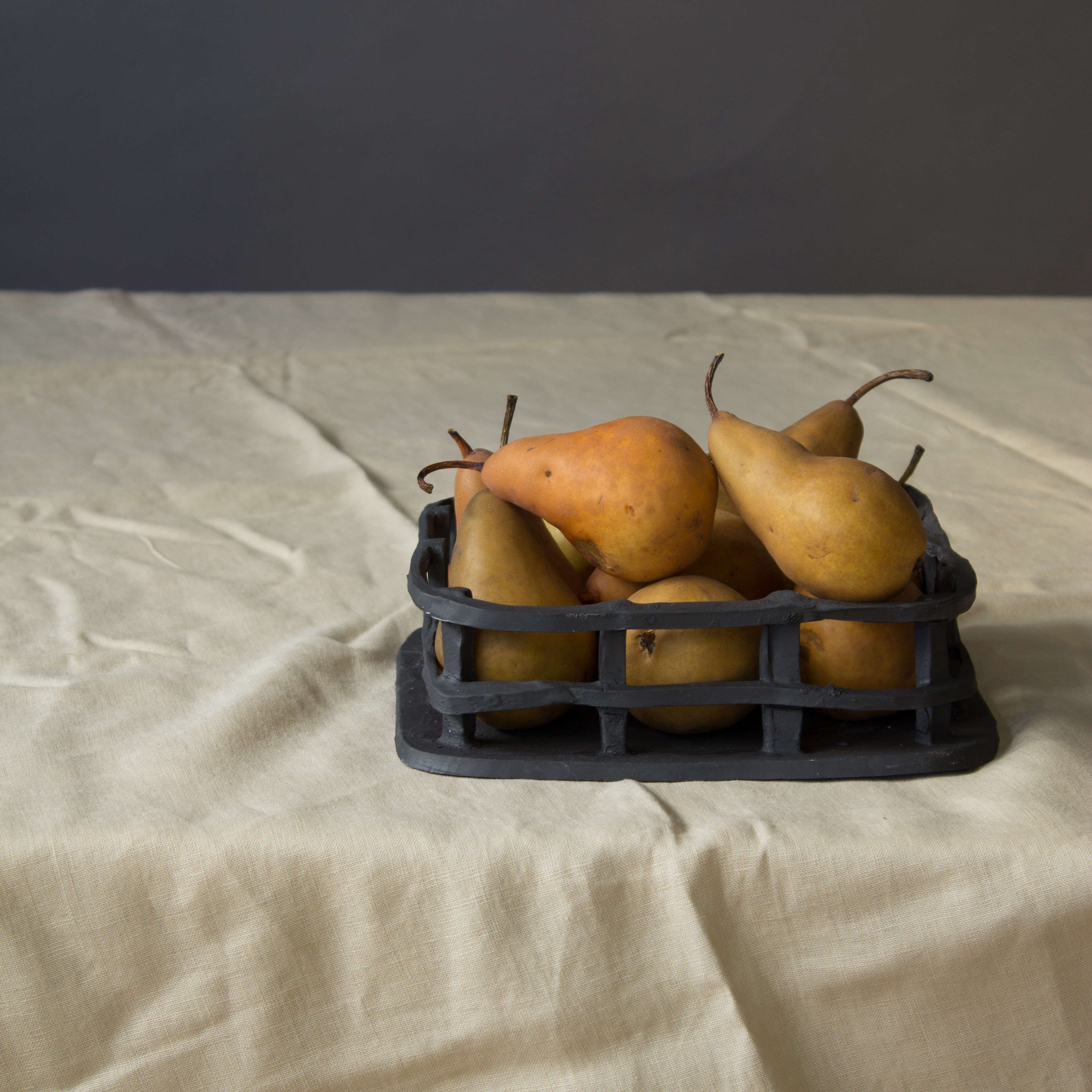
Editor’s note: The original Remodelista “Pastoral Table” roundup was published on November 18, 2018, so “this week” is best understood as part of an archived seasonal issue rather than a current weekly release. Its ideas, however, have aged remarkably wellunlike that mysterious cranberry sauce at the back of the refrigerator.
Some design stories are about buying a new sofa. Others are about repainting a room before you lose patience with it. The Pastoral Table issue is about something more immediate and more lovable: gathering people around a table that feels welcoming, unfussy, and just polished enough to suggest you did not set it while balancing a casserole dish on one hip.
Originally created as a Thanksgiving-season collection, this issue blends rustic interiors, handmade tableware, simple holiday hosting, modest DIY ideas, and small-space entertaining. It is not a manifesto demanding that you own 14 matching goblets, a professionally trained florist, or a dining room the size of a minor airport terminal. Instead, the issue makes a stronger argument: a memorable table begins with comfort, personality, and attention to the people sitting around it.
Whether you are planning a Thanksgiving dinner, a Friendsgiving gathering, a fall brunch, or a Tuesday-night meal with people who are brave enough to eat your experimental soup, these are the most worthwhile reads and ideas to take from the Pastoral Table issue.
Why the Pastoral Table Issue Still Feels Fresh
The word pastoral can sound a little grand, as though you should immediately acquire a field, a sheepdog, and a handwoven basket full of heirloom turnips. But in design, pastoral style is less about pretending to live in a nineteenth-century painting and more about building a home that feels grounded in natural materials, useful objects, and everyday rituals.
The Pastoral Table issue treats the dining table as the center of that ritual. It is where food lands, conversations stretch, children negotiate for dessert, and someone eventually asks whether there is more butter. A good table setting is not a museum display. It is a working stage for real life.
That is why the issue’s best ideas remain relevant. They favor linen over synthetic sparkle, handmade ceramics over identical restaurant-style plates, seasonal branches over towering floral arrangements, and adaptable furniture over one-use decorating gimmicks. The overall message is simple: make room for guests, make room for food, and make room for a little imperfection.
Start with the Architect-Inspired Thanksgiving Table
The most visually striking place to begin is the architect-inspired Thanksgiving table created by New York event designer David Stark. Rather than leaning into predictable orange pumpkins and a centerpiece that could block air traffic, the design uses a clean grid motif, mixed dinnerware, sculptural glassware, and simple fall branches.
The lesson is not that every host needs a collectible Italian table or custom ceramics. The real takeaway is that contrast creates energy. A modern black-and-white pattern can make seasonal foliage look more dramatic. A handmade bowl can feel even more special beside a simple glass tumbler. A table with a strict geometric structure can be softened by berries, branches, leaves, and food that looks genuinely delicious.
Borrow the Grid, Not the Shopping List
One of the easiest ways to recreate this look is to choose a visual framework. A checked napkin, striped runner, graph-paper-inspired placemat, or square dinner plate can become the organizing detail. Once you have one repeating shape, the rest of the table can loosen up.
Try a neutral tablecloth with dark checked napkins. Add mismatched white plates, a few dark serving bowls, and a small cluster of branches in low glass jars. The point is not perfection. The point is rhythm. Your table should feel coordinated without looking like it was assembled by a committee of nervous robots.
Another smart idea from the architect-inspired table is keeping floral arrangements low. Guests should be able to see one another without playing peekaboo around a vase of eucalyptus. Small bud vases, single stems, herbs, pears, or a few seasonal branches can create a fuller look without turning the center of the table into a shrubbery obstacle course.
Read the Catskills Farmhouse Tour for Lessons in Character
The Pastoral Table issue also leads readers into a Catskills home restored by Jersey Ice Cream Co. The house is an Arts and Crafts-era property with original architectural details, old fireplaces, antique finds, layered textures, and enough character to make a beige box-store showroom quietly reconsider its life choices.
What makes this house tour worth reading is not simply its historic setting. It shows how a home can respect the past without becoming stiff or overly precious. Original beams, old stonework, vintage furniture, painted woodwork, and salvaged pieces are used as living elements rather than museum exhibits.
Use What Your Home Already Knows
Most homes do not come with a grand ballroom, century-old leaded glass, or a fireplace worthy of a period drama. But every home has clues. Maybe yours has scratched oak floors, a chipped ceramic pitcher, a table inherited from a relative, old brass hardware, or a favorite chair with suspiciously specific squeaks.
The farmhouse story encourages you to notice those details instead of covering them up. A worn wooden table does not need to be hidden beneath layers of fussy décor. Let the surface show. Pair it with washed linen, simple candles, and serving dishes that have some weight and texture. The beauty comes from the combination of old and useful.
For holiday hosting, this approach is especially helpful. Instead of chasing a brand-new “perfect” seasonal look, build around what you already own. Use a family serving platter. Pull out the mismatched flatware. Display your favorite pottery. The table will feel more personal, and your guests will remember it longer than they remember whether every napkin ring matched.
Steal the Last-Minute Hosting Wisdom from Tricia Rose
One of the most practical reads in the Pastoral Table collection comes from Tricia Rose of Rough Linen, whose approach to holiday hosting is refreshingly sane. Her style is relaxed but considered: prepare early, use what you have, and do not let the table become another task that steals your enjoyment of the gathering.
The strongest hosting habit is setting the table ahead of time. Doing it the day before allows you to move slowly, experiment with a few arrangements, and notice what is missing before guests are ringing the doorbell. It also prevents the classic holiday scene in which someone is searching for clean napkins while the turkey is resting and three people are asking where the wine opener lives.
Set the Mood Before You Set the Rules
A relaxed holiday table does not require formal place settings. Start with the basics: a plate, napkin, water glass, flatware, and enough room for people to move comfortably. From there, add one or two intentional details. That might be linen napkins, handwritten place cards, a small vase of greenery, or candles at different heights.
There is also no rule saying your table must be symmetrical. In fact, a little variation often makes it more inviting. Use a few different ceramic bowls. Mix clear glasses with colored ones. Layer a runner over a tablecloth. Put fruit in a bowl that normally lives on the kitchen counter. A table should look lived in, not auditioning for a luxury hotel lobby.
The best hosting advice is also the easiest to forget: prioritize the gathering over the display. A beautiful table that leaves the host exhausted is not a victory. It is decorative hostage-taking.
Make Handmade Ceramics the Quiet Star of the Table
The Pastoral Table issue gives handmade ceramics their deserved moment. This is important because tableware is not just practical equipment. Plates, bowls, mugs, pitchers, and serving platters shape how a meal feels. A handmade ceramic bowl can make simple roasted vegetables look intentional. A slightly irregular plate can make a casual dinner feel special. Even a small ceramic salt cellar can make your table seem like it has its life together.
Handmade pottery adds texture, variation, and warmth. Unlike factory-matched dinnerware, it often carries visible marks of the maker: a soft glaze variation, a subtle curve, an uneven rim, or a fingerprint-like trace in the clay. Those details are not flaws. They are reminders that useful things can also be expressive.
How to Mix Ceramics Without Making a Mess
You do not need to replace every dish in your cabinet. Begin with one category: bowls, serving platters, mugs, or salad plates. Choose pieces that share a loose connection, such as a common color family, earthy glaze, or similar shape.
For a fall or Thanksgiving table, try creamy white dinner plates with brown, charcoal, olive, or muted blue ceramic bowls. Pair matte ceramics with clear glasses and simple stainless-steel flatware. The mix feels collected, not chaotic.
Keep the food in mind, too. A dark plate can make pale dishes stand out. A light serving platter can make roasted vegetables and herbs look abundant. Rustic pottery works especially well when the menu includes seasonal ingredients, warm bread, squash, grains, roasted fruit, or anything that arrives at the table with a respectable amount of butter.
Small-Space Entertaining Deserves Its Own Applause
One of the most useful themes in the Pastoral Table issue is that you do not need a giant dining room to host generously. Many people live with compact tables, apartment kitchens, narrow dining nooks, or rooms that must serve as office, breakfast area, laundry-folding headquarters, and occasional emotional support zone.
The answer is not to give up on gatherings. It is to think flexibly. A small dining table can become a buffet station. A kitchen counter can hold drinks. A sideboard can become dessert headquarters. Folding chairs can appear for the evening and disappear afterward like polite furniture ghosts.
Use Flexible Tables and Simple DIY Solutions
A sawhorse table is one of the issue’s most useful small-space inspirations. Two sturdy sawhorses and a wood plank can create a temporary dining surface for a holiday meal, a casual outdoor dinner, or a long buffet. Afterward, the pieces can be stored separately instead of occupying your home year-round.
For even smaller spaces, use a round table, bench seating, stools that tuck underneath, or a drop-leaf table that expands only when needed. A narrow console table can hold appetizers. A coffee table can become a dessert station. A few guests can eat at the table while others gather nearby with plates in hand. This is not a hosting failure. This is a living-room supper club.
Small-space entertaining often feels warmer because people are naturally closer together. Conversation moves more easily, food gets passed more often, and nobody is seated three zip codes away from the gravy boat.
Do Not Skip the Urbanites Bonus Reads
The Pastoral Table roundup also pointed readers toward stories from Remodelista’s Urbanites issue, including a renewed Detroit landmark, a minimalist oil lamp, and practical IKEA pieces designed to last. These may seem unrelated to a Thanksgiving table at first, but they share the same larger idea: good design should make everyday life feel richer.
The Detroit hotel story offers a lesson in preservation and reuse. Old buildings do not need to become frozen relics. They can be restored, adapted, and filled with new energy. At home, that might mean refinishing an old table, reupholstering a chair, using inherited dishes, or repairing something rather than replacing it at the first sign of a scratch.
The minimalist oil lamp story is a reminder that atmosphere does not have to be loud. A small lamp, candle, or warm pool of light can change the mood of an entire room. Turn off harsh overhead lighting, add a few lamps, and use candles safely on a stable surface. Suddenly, even an ordinary weeknight dinner gets a tiny promotion.
The IKEA recommendations make another important point: lasting design is not always expensive design. A well-chosen basic chair, storage solution, shelf, or serving cart can support your home for years. The secret is choosing fewer pieces that work hard rather than filling a room with decorative extras that have nowhere to sit when dinner starts.
Create Your Own Pastoral Table Reading List
Use the Pastoral Table issue as a starting point, then build your own reading and planning list around what your home actually needs. A useful sequence might look like this:
- Read one house tour for inspiration, especially one that celebrates old materials and lived-in spaces.
- Read one practical hosting guide that helps you plan ahead instead of panic-cleaning 20 minutes before guests arrive.
- Explore handmade ceramics or local makers for one useful piece you will reach for repeatedly.
- Find one small-space idea that makes entertaining easier, such as flexible seating or a temporary table.
- Choose one lighting or centerpiece idea that creates atmosphere without blocking conversation.
That is enough. You do not need to transform your home into a magazine spread overnight. Pick one improvement, make it useful, and let the rest of the room be honest about who lives there.
Experiences from the Pastoral Table: What a Good Gathering Actually Feels Like
The most memorable table experiences rarely begin with a perfect centerpiece. They begin with a door opening, coats landing on a chair, someone asking whether they should bring ice, and the host saying, “Yes, please,” even though there is probably already enough ice to supply a small fishing village.
A pastoral table is not defined by the number of candles, the price of the dishes, or whether the napkins coordinate with the decorative gourds. It is defined by the feeling that people can relax. It is the table where guests are comfortable setting down their elbows, reaching for another piece of bread, laughing too loudly, and telling the same story they told last year because it is apparently now part of the family constitution.
In a small apartment, this experience might involve balancing a platter on a bookshelf because the table is only big enough for four. In a larger home, it might mean using an old dining table with scratches from decades of homework, board games, craft projects, and meals that ran longer than expected. In either case, the table becomes meaningful because it is used.
There is something quietly powerful about preparing a meal and arranging a space for other people. You are saying, without making a speech about it, “I thought about your comfort. I saved you a place. I wanted this evening to happen.” That message does not require matching china. It can be delivered with a folded paper napkin, a bowl of soup, and a chair pulled closer to the table.
The best gatherings often include a little improvisation. Someone brings a dessert that does not fit in the refrigerator. A candle burns down faster than expected. The dog steals a roll. A child decides that the centerpiece is better worn as a hat. These moments are not interruptions to the evening. They are the evening.
That is why the Pastoral Table issue remains useful. It does not just encourage readers to decorate for a holiday. It encourages them to notice the dignity of ordinary domestic life: a linen cloth washed many times, a ceramic bowl passed from hand to hand, a repaired chair, a branch in a jar, a room warmed by lamps instead of glare.
When you set your own table, think less about impressing people and more about inviting them in. Choose a few objects you love. Make the food easy enough that you can sit down. Keep the centerpiece low. Let the bread basket be generous. And remember that the most beautiful part of any table is not the tablecloth, the flowers, or the glassware.
It is the fact that someone is sitting across from you.
Final Thoughts
The Pastoral Table issue is worth reading because it offers more than Thanksgiving table inspiration. It is a guide to thoughtful hosting, collected interiors, handmade ceramics, adaptable furniture, and the art of making everyday meals feel meaningful.
Read the architect-inspired tablescape for its bold mix of geometry and nature. Read the Catskills farmhouse tour for its respect for history and character. Read the holiday hosting advice for permission to slow down. Read the ceramic stories for a reminder that useful objects can be beautiful. And read the small-space ideas because nobody should need a ballroom to invite friends over for dinner.
Set the table early. Use what you have. Keep the flowers low. Save room for food, laughter, and the person who always arrives with an extra dessert. That is the real pastoral table: practical, personal, and pleasantly difficult to leave.