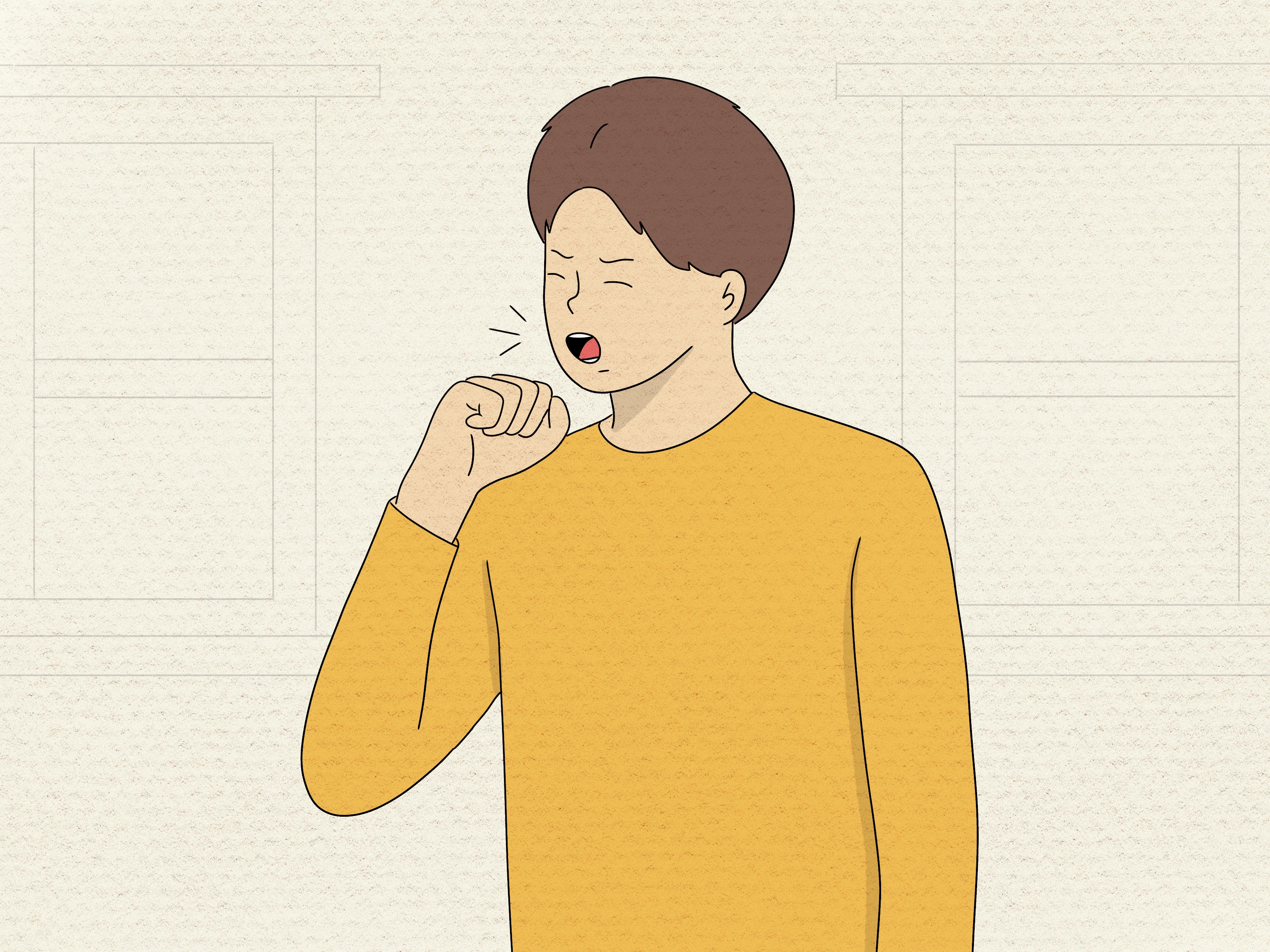
A random cough at school can feel like a social jump scare. One second you’re quietly taking notes, and the next you’re coughing in a room full of people who all suddenly look like amateur epidemiologists. The good news: a cough does not automatically mean disaster. The smarter move is not to fake anything, power through recklessly, or turn your backpack into a traveling germ exhibit. The smarter move is to handle it well.
This guide breaks down seven practical steps for dealing with a cough at school, whether it shows up during first period, in the cafeteria, or right when the class goes silent for a quiz. You’ll learn how to respond without panicking, how to protect people around you, and how to tell the difference between “annoying but manageable” and “I really need to check in with an adult.”
Why a Cough at School Feels Bigger Than It Is
School is one of the few places where every tiny sound gets noticed. Drop a pencil? Ten heads turn. Stomach growls? Suddenly it has a fan club. Cough once, and you may feel like you’ve headlined the morning announcements. That embarrassment can tempt students to ignore symptoms, hide how they feel, or keep pushing when they should slow down.
But coughing is not a personality flaw. It is a symptom. Sometimes it comes from a cold. Sometimes it is dry air, allergies, post-nasal drip, or a throat that feels like it lost a fight with the school heating system. The goal is not to “look normal” at all costs. The goal is to act responsibly, stay comfortable, and get help when you need it.
1. Pause and Figure Out What Kind of Cough You Have
Before you do anything else, take a quick mental inventory. Is it a dry tickly cough? A wet cough with mucus? A cough that started after laughing, running, or walking into a dusty classroom? A cough that comes with a sore throat, feverish feelings, body aches, or a runny nose?
This matters because context changes the right response. A brief dry cough from a dry throat may improve with water and a few calm minutes. A cough with fever, chills, or overall feeling-awful energy is a different story. A cough that makes it hard to breathe, talk, or settle down is not something to brush off.
Quick self-check questions
Ask yourself:
When did this start? Do I feel sick overall, or just irritated in the throat? Am I short of breath? Do I feel dizzy? Is this getting worse instead of better? Those answers will help you decide whether you need a simple reset or a visit to the nurse’s office.
2. Use Good Cough Etiquette Immediately
This is the move that helps everyone, including you. If you need to cough, cough into a tissue or into the inside of your elbow, not into the air and definitely not into your hand like it’s 2009 and no one has learned anything. Throw the tissue away as soon as possible. Then clean your hands.
That one habit makes a big difference in classrooms, hallways, buses, and cafeterias where people are packed close together. It is simple, respectful, and honestly one of the fastest ways to stop the “who just coughed?” side-eye from spreading across the room.
What this looks like in real life
If you feel a cough coming during class, turn away slightly, cough into your elbow, grab water if allowed, and sanitize or wash your hands at the first chance. Calm, quick, done. No dramatic scene required.
3. Sip Water and Calm the Throat Down
A surprising number of school coughs get worse because your throat is dry, irritated, or tired from talking all day. Drinking water can help soothe irritation and loosen mucus. Warm liquids can feel even better, though in school you may be working with whatever is in your bottle and whatever mystery temperature it has reached by third period.
If your school allows cough drops and a parent or guardian has approved them, that may also help with a dry, tickly cough. The key is to calm the irritation instead of constantly clearing your throat, which can keep the cycle going. Think of it as telling your throat, “We are lowering the drama level now.”
Small habits that help
Take smaller sips more often instead of chugging once. Breathe through your nose when possible. Avoid whispering, which can strain your throat more than regular talking. And if you have been yelling in gym, rehearsal, or lunch, your voice and throat may be asking for a truce.
4. Be Honest With a Teacher, Coach, or School Nurse
If the cough is frequent, distracting, painful, or comes with other symptoms, tell an adult at school. Not later. Not after three classes of pretending you’re fine while your body writes a very different essay. Teachers and school staff are there to help you make a good decision, not to judge you for having a symptom.
A school nurse may ask when the cough started, whether you have a fever, whether you are having trouble breathing, and whether anyone at home has been sick. That is normal. Honest answers help adults decide whether you can safely stay in class, need a break, or should go home.
What to say
Keep it simple: “I’ve had this cough since this morning and it’s getting worse,” or “I’m coughing a lot and I don’t feel well overall,” or “I’m having trouble catching my breath when I cough.” Clear beats dramatic every time.
5. Know When Staying Home Is the Smarter Move
Not every cough means you must miss school. But some combinations are strong signs that home is the better place. If your cough comes with fever, vomiting, trouble breathing, exhaustion, or you just feel too sick to function, staying home helps you recover and reduces the chance of spreading illness to other people.
This is where common sense matters more than perfect attendance mythology. Dragging yourself to school when you are genuinely sick is not heroic. It is exhausting, distracting, and often unhelpful for everyone around you. Rest is not laziness. It is part of getting better.
A useful rule of thumb
If you cannot focus, participate, or get through the day without feeling miserable, that is a sign to check in with a parent, guardian, or healthcare professional. School works better when your lungs are not staging a protest.
6. Watch for Red Flags Instead of Trying to Tough It Out
Most coughs improve with time, rest, fluids, and basic care. But some symptoms deserve faster attention. Trouble breathing, wheezing, chest pain, blue lips, coughing so hard you cannot talk normally, or a cough that keeps getting worse are not things to shrug off. Neither is a cough that lasts for weeks.
This is especially important for students with asthma, allergies, or a history of respiratory issues. A cough may be your body’s early warning sign that you need medicine, a breathing treatment, or a medical evaluation. “Maybe it’ll magically disappear by lunch” is not a healthcare plan.
When to involve a medical professional
Let an adult know right away if breathing feels difficult, your chest feels tight, or the cough has become intense and persistent. That is not overreacting. That is good judgment.
7. Recover Well So You Do Not Bring the Cough Back Tomorrow
What you do after school matters almost as much as what you do during school. Rest. Drink fluids. Follow any advice from your parent, guardian, nurse, or doctor. If your room air is dry, a clean cool-mist humidifier may help. For some people over age 1, honey can soothe a cough. And getting enough sleep gives your body a much better shot at recovering quickly.
Also, do not jump straight from “I coughed all day” to “I will stay up until 2 a.m. gaming with chips dust coating my throat.” Your future self would like a word. Recovery usually looks boring: water, rest, calmer routines, and less strain on your throat and body. Boring, yes. Effective, also yes.
Smart next-day thinking
Before heading back to school, ask: Are my symptoms improving? Am I fever-free? Can I get through the day without feeling awful? If the answer is no, it may be better to rest longer and avoid spreading germs.
Mistakes Students Make With Coughs at School
One common mistake is trying to hide it all day. That often leads to more coughing, more stress, and a rougher day overall. Another mistake is assuming every cough is “nothing,” even when other symptoms are piling on. On the flip side, some students panic after one cough and assume they are doomed. Usually, the truth is somewhere in the middle.
The best response is calm and practical. Cover the cough. Hydrate. Pay attention to your symptoms. Tell an adult if it is getting worse. Stay home when you are truly sick. These are not flashy strategies, but they work better than denial, embarrassment, or turning your backpack into a mobile pharmacy without permission.
How Friends, Teachers, and Parents Can Help
If a friend is coughing a lot at school, the most helpful move is not turning into a conspiracy theorist or making a scene. Offer water. Encourage them to see the nurse if they feel bad. Give them space if needed. Basic kindness goes a long way.
Teachers can help by letting students step out for water, a tissue, or a nurse visit without turning it into a courtroom cross-examination. Parents and guardians can help by checking symptoms honestly, keeping sick kids home when needed, and not treating every absence like a moral crisis. Sometimes a cough is just a cough. Sometimes it is a sign to pause and recover.
Experiences Students Often Have With a Cough at School
One student notices a scratchy throat during homeroom and assumes it is nothing. By second period, the room feels dry, the coughing starts, and now every quiet moment feels like a trap. They spend more energy trying not to cough than listening to the lesson. Finally they drink water, tell the teacher, and realize the world does not end when they ask for help.
Another student gets stuck in the cafeteria during a coughing fit and feels instantly embarrassed. A friend hands over a napkin, another points them toward water, and the moment becomes manageable instead of humiliating. That is often how these situations go in real life: much less dramatic when people respond with common sense.
Some students discover their cough is worse during PE, after running in cold air, or in dusty classrooms. Others realize it shows up with allergies, not illness. That pattern matters. It helps families and healthcare providers figure out whether the issue is a passing cold, asthma, post-nasal drip, or something else that needs attention.
There are also the students who try to power through when they clearly should not. They drag themselves through quizzes, lunch, and practice feeling miserable, then crash at home and feel even worse the next day. That experience teaches a hard lesson: forcing one “productive” school day can cost you three recovery days later.
Then there is the social part. A cough can make students feel awkward, isolated, or self-conscious, especially in the years when everyone already feels observed all the time. But most people are not thinking about your cough nearly as long as you are. They notice it, then go back to their own worries, unfinished homework, and whatever is happening in the group chat. The best thing you can do is handle it calmly and move forward.
For many families, the biggest challenge is deciding whether a child is well enough to attend school. That decision is rarely perfect. Some mornings are obvious. Others are murky. A student may feel okay at breakfast and much worse by 10 a.m. That is why communication matters so much. A quick, honest check-in with school staff can prevent a rough day from turning into a miserable one.
Students with chronic conditions often become experts in reading their own symptoms. They know the difference between a normal throat clear, an allergy cough, and the kind of cough that means action is needed. That self-awareness is valuable. It is not dramatic. It is responsible.
The biggest takeaway from real school experiences is simple: coughing at school is common, but handling it well matters. Students do best when they pay attention, use good hygiene, tell the truth about how they feel, and get help early instead of waiting until they are wiped out. That approach protects learning, health, and everyone else in the room.
Conclusion
A cough at school does not need to become a giant event, but it does deserve a smart response. The best approach is simple: notice what kind of cough you have, cover it properly, drink water, speak up when you feel worse, stay home when you are actually sick, and watch for warning signs. You do not need to be dramatic, and you definitely do not need to pretend everything is fine when it is not.
Good school health habits are not just about rules. They are about respect for yourself and the people around you. Handle the cough early, handle it honestly, and let good judgment do the heavy lifting.