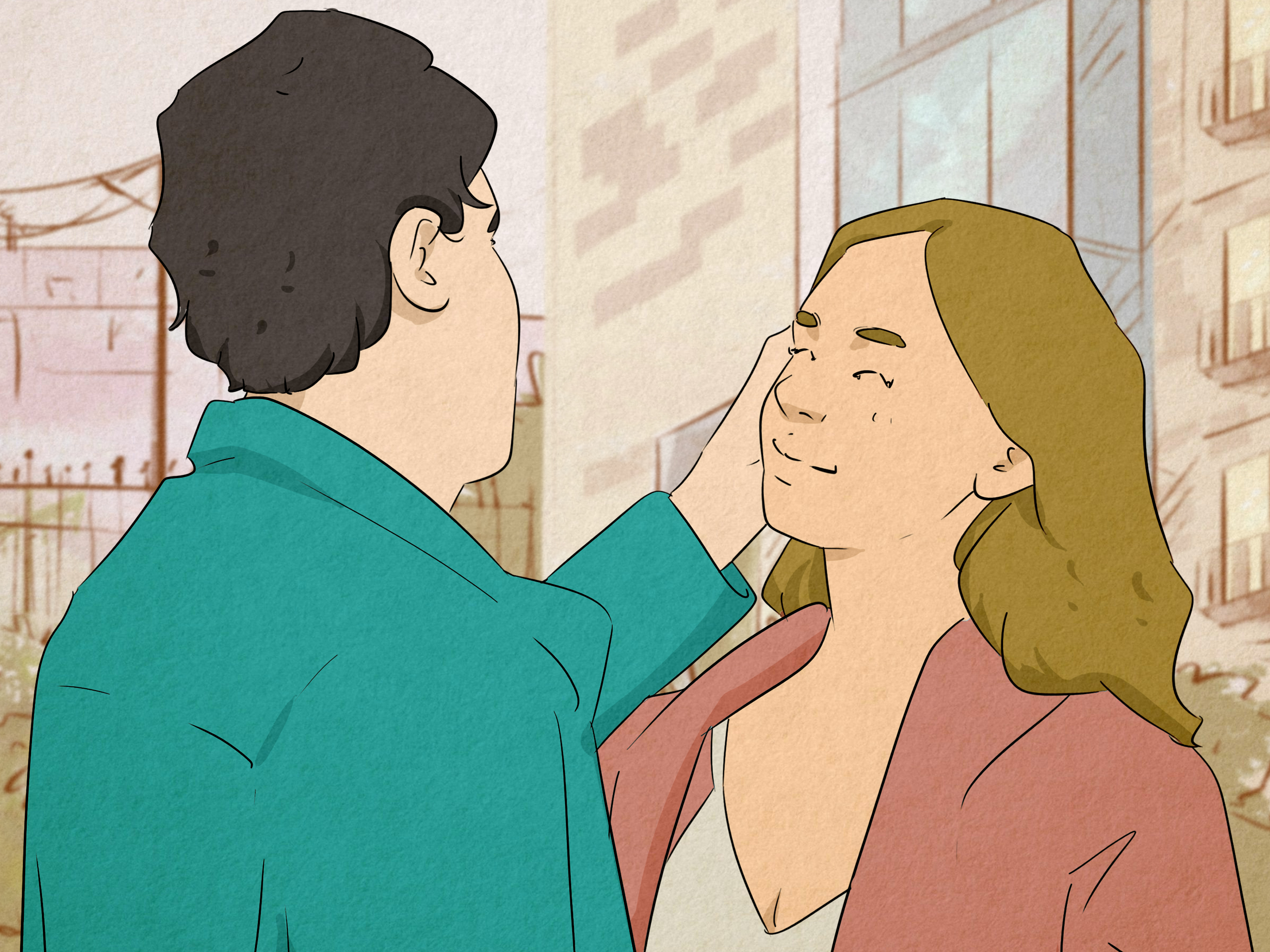
Note: In this article, “alpha body language” means calm, respectful confidencenot intimidation, arrogance, or acting like you are auditioning to become CEO of the jungle.
Introduction: Alpha Body Language Is Quieter Than You Think
When people hear the phrase alpha body language, they often imagine someone standing with their chest inflated, chin up, and arms spread wide like they just conquered the office coffee machine. But real confidence is not about taking up space at everyone else’s expense. It is about showing composure, presence, warmth, and self-control through your posture, facial expression, gestures, eye contact, and movement.
Alpha body language is the nonverbal communication style that makes a person appear confident, grounded, trustworthy, and socially aware. It is the opposite of nervous shrinking, aggressive posturing, or awkward overacting. The most effective “alpha” presence says, “I am comfortable with myself, and I am comfortable with you.” That is much more powerful than trying to look like a motivational poster with shoes.
Research and expert guidance on nonverbal communication consistently point to a few core ideas: posture matters, eye contact matters, facial expression matters, and context matters even more. One gesture alone rarely tells the whole story. Crossed arms could mean defensiveness, or it could mean the room is freezing. Looking away could signal discomfort, or it could mean someone is thinking carefully. Smart body language is not about decoding people like secret spy documents; it is about reading clusters of cues and improving the signals you send.
Below, you will learn what alpha body language really means, why it works, and 11 practical poses and tips you can use in meetings, interviews, dates, presentations, networking events, and everyday conversations.
What Is Alpha Body Language?
Alpha body language refers to nonverbal cues that communicate confidence, stability, leadership, and ease. These cues include an upright posture, relaxed shoulders, steady eye contact, open gestures, visible hands, controlled movement, and a calm facial expression. The goal is not to dominate the room. The goal is to look comfortable enough that other people feel comfortable around you.
The best alpha body language combines two qualities: presence and warmth. Presence shows that you are grounded and capable. Warmth shows that you are safe, respectful, and approachable. Presence without warmth can look cold or arrogant. Warmth without presence can look uncertain. Together, they create what many people call charisma, executive presence, or natural confidence.
Alpha Does Not Mean Aggressive
True confidence does not need to stare people down, interrupt, tower over others, invade personal space, or crush hands during a handshake. Those behaviors often make a person seem insecure, not powerful. Confident people do not need to prove they are confident every six seconds. They simply behave as if they belong in the room.
Think of alpha body language as the body language of someone who is prepared, calm, and attentive. They do not fidget constantly. They do not collapse into their chair. They do not hide their hands like they are smuggling office snacks. They listen, pause, gesture with purpose, and move with intention.
Why Body Language Matters
Body language shapes first impressions before your words have time to put on their shoes. In professional and social situations, people often make quick judgments about confidence, trustworthiness, interest, and emotional state based on posture, facial expression, gaze, tone, and movement.
That does not mean words are unimportant. The popular idea that “93% of communication is nonverbal” is often misused. Words matter a lot, especially when you are explaining facts, giving instructions, negotiating, or apologizing for eating the last slice of pizza. But when your words and body language conflict, people may trust the nonverbal message more. Saying “I’m excited to be here” while staring at the floor and folding yourself into a human paperclip sends mixed signals.
Alpha body language helps align your outer signals with your inner message. It makes you look engaged when you are listening, prepared when you are speaking, and calm when the pressure rises. The result is better communication, stronger credibility, and fewer moments where your body accidentally says, “Please send help.”
11 Alpha Body Language Poses & Tips
1. Stand Tall With a Relaxed Spine
The foundation of confident body language is posture. Stand with your feet about hip-width apart, your spine long, your shoulders relaxed, and your head level. Avoid puffing your chest out too much; that can look theatrical. Also avoid slouching, which can suggest boredom, insecurity, or low energy.
A strong posture does not mean stiffness. Imagine a string gently lifting the crown of your head while your shoulders drop naturally. This creates a balanced, grounded look. In meetings, interviews, and presentations, this simple adjustment can instantly make you appear more composed.
2. Keep Your Chin Level
Your chin position sends a surprisingly strong message. A chin that drops too low can make you look unsure or withdrawn. A chin lifted too high can appear smug or dismissive. The confident middle ground is a level chin, with your eyes looking forward.
When speaking, keep your head steady and avoid excessive nodding. Nodding is useful when listening, but constant bobbing can make you seem overly eager to please. A level head communicates calm authority. It says, “I am here, I am listening, and no, I am not mentally hiding under the conference table.”
3. Use Comfortable Eye Contact
Eye contact is one of the strongest signals of confidence and connection. The key word is comfortable. Confident eye contact does not mean staring until the other person starts looking for emergency exits. It means looking at someone while they speak, glancing away naturally, and returning your gaze with ease.
During conversation, aim for steady but relaxed eye contact. If direct eye contact feels intense, look near the person’s eyes, such as the bridge of the nose or eyebrows. In group settings, share your gaze around the room instead of locking onto one person like a human laser pointer.
4. Show Your Hands
Visible hands create trust. People tend to feel more comfortable when they can see your hands because hidden hands can subconsciously feel secretive or closed off. Keep your hands out of your pockets during important conversations, interviews, or presentations.
Use open palms occasionally when explaining ideas. Rest your hands lightly on a table, hold a pen without fidgeting, or let your arms hang naturally at your sides. The goal is not to wave your hands like you are directing airport traffic. The goal is to make your gestures clear, relaxed, and intentional.
5. Take Up Appropriate Space
Confident people do not shrink, but they also do not sprawl. Taking up appropriate space means standing or sitting in a way that looks open and relaxed without invading someone else’s comfort zone.
When standing, place your feet firmly rather than crossing your ankles tightly. When sitting, avoid collapsing inward with rounded shoulders and hidden hands. Sit back, keep your chest open, and angle your body toward the person speaking. This communicates engagement and self-assurance.
Personal space varies by culture, setting, relationship, and personality. Alpha body language respects that. If someone leans back or steps away, give them more room. Confidence with social awareness beats confidence with no brakes.
6. Use the Steeple Gesture Sparingly
The steeple gesturetouching fingertips together lightly in front of the bodycan signal thoughtfulness and confidence. It is often seen in leaders, speakers, and experts who are explaining something carefully. Used well, it says, “I have considered this.” Used too much, it says, “I watched one video on executive presence and now I am unstoppable.”
Use steepling briefly while listening or making a key point. Keep your hands relaxed and avoid holding the pose like a statue. The best gestures support your words; they should not become the main character.
7. Slow Down Your Movements
Nervous energy often shows up as fast, restless movement: tapping feet, shifting weight, clicking pens, touching the face, adjusting clothing, or checking the phone every few seconds. Alpha body language is slower and more deliberate.
Before speaking, take a small pause. When you gesture, let the movement finish. When you walk into a room, avoid rushing unless there is actual fire, free cake, or both. Controlled movement makes you look calm under pressure and gives your words more weight.
8. Lean In Slightly When Listening
A slight forward lean shows interest and engagement. It tells the other person, “I am paying attention.” This is especially useful in one-on-one conversations, interviews, coaching moments, and negotiations.
The key is subtlety. Leaning in a little shows interest. Leaning in too much can feel intense, especially if paired with unbroken eye contact. Keep your shoulders relaxed and your body angled naturally toward the speaker. Combine this with nodding, brief verbal acknowledgments, and open facial expressions.
9. Keep Your Facial Expression Calm and Responsive
Your face is part of your body language, and it talks even when you do not. A tense jaw, tight lips, raised eyebrows, or blank stare can send messages you never intended. Alpha body language includes facial control, but not emotional deadness. You are aiming for calm responsiveness, not “mysterious marble statue.”
Use natural smiles when greeting people. Let your expression match the conversation. Look thoughtful when listening, serious when the subject is serious, and warm when appropriate. A genuine half-smile can make confidence feel approachable instead of intimidating.
10. Mirror Subtly to Build Rapport
Mirroring means gently matching aspects of another person’s body language, such as pace, posture, tone, or energy. It can create a feeling of connection when done naturally. For example, if someone is speaking calmly and slowly, lowering your own pace can make the conversation feel smoother.
Do not copy every move. That becomes creepy fast, like a low-budget magic trick. Instead, mirror general energy. If the other person is relaxed, soften your posture. If they are enthusiastic, allow more animation. Subtle mirroring shows social intelligence and helps people feel understood.
11. Practice the Pre-Meeting Reset Pose
Before an interview, presentation, date, or difficult conversation, take 60 seconds to reset your body. Stand with your feet grounded, shoulders relaxed, chest open, arms loose, and breathing steady. You can place your hands lightly on your hips or let them rest at your sides. The goal is not to magically transform your hormones or become a superhero in business casual. The goal is to interrupt nervous shrinking and remind your body what calm confidence feels like.
Power posing has been debated in research, especially claims about dramatic hormone changes or guaranteed performance boosts. A more realistic approach is this: expansive, upright posture may help you feel less collapsed and more prepared, but it is not a substitute for competence, preparation, and emotional regulation. Use posture as a support tool, not a magic spell.
Common Alpha Body Language Mistakes to Avoid
Mistake 1: Confusing Confidence With Dominance
Dominance tries to control the room. Confidence contributes to the room. If your body language makes others feel small, cornered, or dismissed, it is not alpha in the useful sense. It is just poor communication wearing expensive shoes.
Mistake 2: Overdoing Eye Contact
Eye contact should feel like connection, not a staring contest at a county fair. Break eye contact naturally when thinking, taking notes, or shifting between people. This makes your gaze feel human instead of robotic.
Mistake 3: Hiding Behind Objects
Phones, laptops, bags, notebooks, and coffee cups can become shields. In a high-stakes conversation, reduce barriers when possible. Turn your body toward the person, keep your hands visible, and avoid checking your screen unless necessary.
Mistake 4: Fidgeting Without Awareness
Everyone fidgets sometimes. The problem is not one nervous movement; the problem is constant restless motion that distracts from your message. Notice your habits. Do you tap, twist rings, crack knuckles, touch your hair, or bounce your knee? Replace the habit with a calmer anchor, such as resting both feet on the floor or holding a pen still.
Mistake 5: Ignoring Context
Body language changes meaning depending on the situation. A firm posture in a presentation can look confident. The same posture during an emotional conversation may look cold if you do not soften your face or voice. Alpha body language is flexible. It adapts to the room.
How to Use Alpha Body Language in Real Situations
In a Job Interview
Walk in with steady posture, offer a natural greeting, sit upright, and keep your hands visible. Use eye contact when answering, but glance away briefly when thinking. Lean in slightly when the interviewer speaks. Avoid folding your arms tightly or shrinking into the chair. Your goal is to look prepared, interested, and easy to work with.
In a Presentation
Stand with your feet grounded and avoid pacing without purpose. Use gestures to emphasize key points. Pause after important statements. Look at different areas of the room instead of reading from slides. If you make a mistake, breathe, correct it, and continue. Calm recovery is one of the most confident body language signals you can show.
On a Date
Alpha body language on a date is not about acting mysterious or emotionally unavailable. It is about being relaxed, attentive, and respectful. Smile naturally, listen actively, maintain comfortable eye contact, and avoid checking your phone. Open posture and warm facial expressions matter more than trying to look like you have a personal brand called “Unbothered.”
In a Difficult Conversation
Keep your posture grounded, your voice steady, and your gestures controlled. Avoid pointing, looming, or crossing your arms aggressively. Let the other person finish speaking. A calm body helps prevent emotional escalation and shows that you can handle tension without turning into a thunderstorm in pants.
Alpha Body Language and Emotional Intelligence
The most powerful body language is not just confident; it is emotionally intelligent. Emotional intelligence means noticing how your behavior affects others and adjusting with respect. Sometimes the most confident move is not taking more space. Sometimes it is softening your tone, sitting at eye level, listening longer, or giving someone room to speak.
This matters because nonverbal communication is not universal in every detail. Cultural norms, neurodiversity, personal history, anxiety, and context all influence how people use and interpret body language. Some people avoid eye contact because of social anxiety, trauma, autism, cultural norms, or simple personality differences. That does not automatically mean they are dishonest or weak. A wise communicator avoids lazy conclusions.
Alpha body language should make you more aware, not more judgmental. Use it first to improve your own signals. Read others with humility.
How to Practice Confident Body Language
You can improve alpha body language through small, repeatable habits. Start by recording yourself during a practice presentation. Watch for posture, facial tension, filler gestures, and eye movement. You may discover that you sway, look down, or talk with your shoulders near your ears. Congratulations: you are human.
Next, choose one behavior to improve each week. For example, practice keeping both feet grounded during conversations. Then work on visible hands. Then practice pausing before answering questions. Trying to fix everything at once usually creates stiff, unnatural behavior. Confidence grows better in small doses.
Breathing also matters. Slow breathing relaxes the shoulders, face, and voice. Before entering a room, inhale through your nose, exhale slowly, and let your shoulders drop. This tiny reset can change your entire presence.
Personal Experiences and Practical Lessons About Alpha Body Language
One of the most useful lessons about alpha body language is that people often feel it before they can explain it. In everyday life, the person who seems most confident is rarely the loudest one in the room. More often, it is the person who listens without rushing, speaks without scrambling, and moves without looking like they are being chased by invisible bees.
Imagine a team meeting where two people present ideas. The first person has a strong proposal but speaks while hunched over a laptop, avoids eye contact, and ends every sentence as if asking permission to exist. The second person has a similar idea but sits upright, looks at the group, pauses before key points, and uses open hand gestures. Even if both ideas are equally good, the second person will often seem more credible. The difference is not intelligence; it is delivery.
Another common example happens during networking events. Many people enter the room already apologizing with their posture. Their shoulders round forward, their eyes scan for escape routes, and their hands cling to a drink like it is a flotation device. A more confident approach is simple: stand near the edge of a group, keep your chest open, smile lightly, and listen for a natural opening. You do not need a dramatic entrance. You just need to look available for conversation.
In interviews, alpha body language can help manage nerves. Most candidates feel some anxiety, and that is normal. The trick is not to eliminate nerves; it is to prevent nerves from driving the bus. Before the interview, stand tall, breathe slowly, and remind yourself to keep your hands visible. During the conversation, sit back instead of perching on the edge of the chair. When asked a tough question, pause for two seconds before answering. That pause may feel enormous internally, but externally it often looks thoughtful.
In dating, the best alpha body language is relaxed interest. People sometimes try to appear confident by acting detached, but detachment can look bored or arrogant. A better signal is attentive ease: facing the person, smiling when amused, maintaining comfortable eye contact, and not performing a personality you found on the internet five minutes ago. Confidence is attractive when it leaves space for the other person to feel interesting too.
In leadership situations, body language becomes especially important during stress. When a project goes wrong, everyone watches the leader’s face and posture. If the leader panics, sighs loudly, points fingers, or starts pacing like a malfunctioning printer, the room absorbs that anxiety. If the leader stays grounded, asks clear questions, and keeps an open posture, the team is more likely to stay focused. Calm is contagious. Unfortunately, so is chaos.
The biggest personal lesson is that alpha body language works best when it is built on real preparation and respect. You cannot posture your way out of not knowing what you are talking about. But when you combine preparation with strong nonverbal habits, your message becomes easier to trust. Your body stops fighting your words. That is the real win.
Conclusion: Real Alpha Body Language Is Calm Confidence
Alpha body language is not about dominating people, looking intimidating, or pretending to be someone you are not. It is about communicating confidence through posture, eye contact, gestures, movement, facial expression, and social awareness. The strongest presence is grounded, open, calm, and respectful.
Start with the basics: stand tall, relax your shoulders, keep your chin level, show your hands, use steady eye contact, slow your movements, and listen with your whole body. Then add emotional intelligence. Notice the context. Respect personal space. Adjust your energy to the room. The goal is not to look powerful at all costs; the goal is to make your confidence useful.
When done well, alpha body language helps you appear more credible, approachable, and composed. It supports better interviews, smoother presentations, stronger relationships, and more effective leadership. And the best part? You do not need to become a different person. You just need to let your body stop apologizing for your presence.