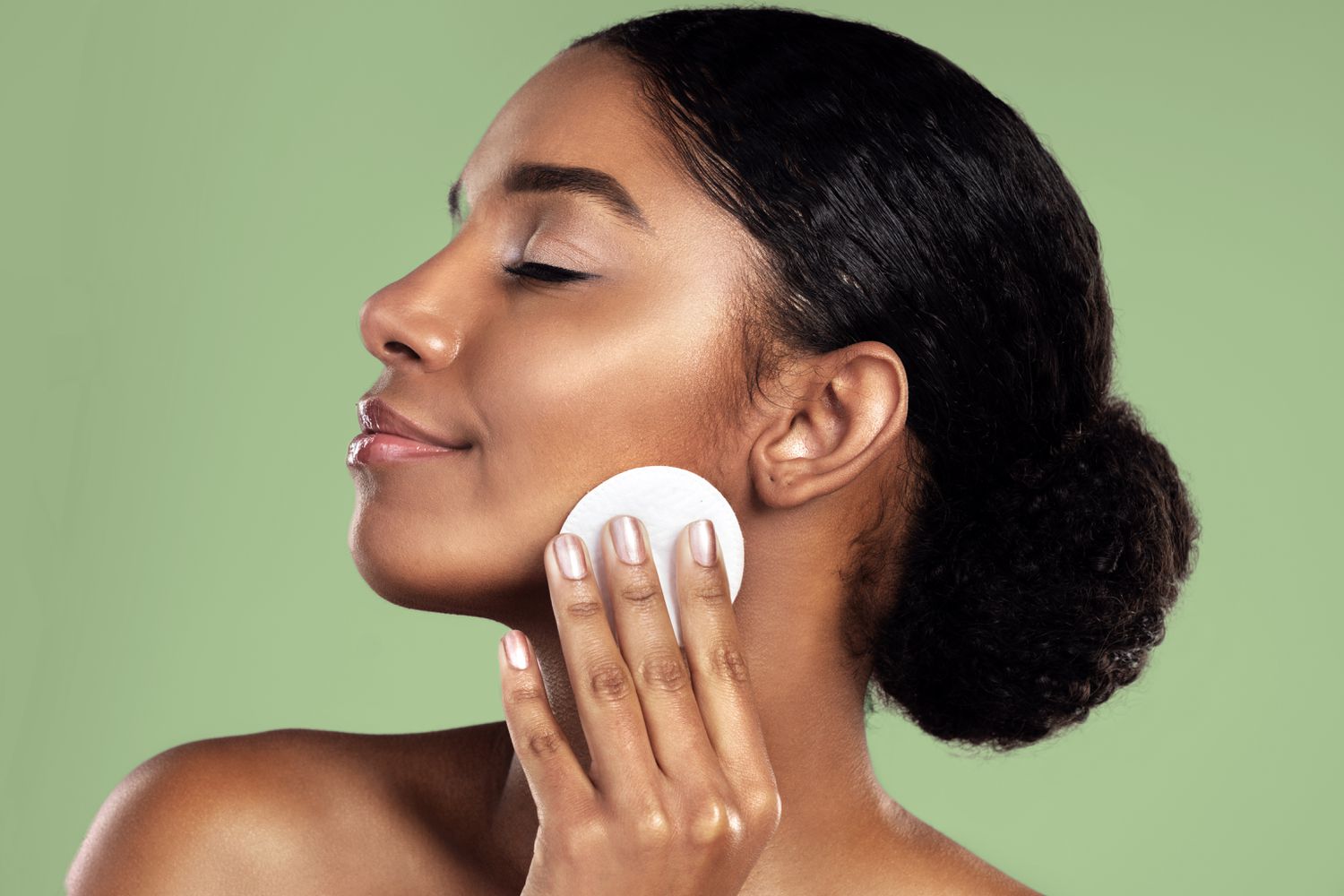
If skin care had a high school yearbook, toner would probably win Most Misunderstood. Some people swear it changed their skin. Others treat it like an unnecessary extra standing between them and bedtime. And honestly? Both camps have a point.
Modern toner is not the same harsh, alcohol-heavy liquid your skin may remember from the “burn now, glow later” era. Today’s formulas can hydrate, gently exfoliate, calm redness, remove leftover residue, and help target concerns like oiliness or dullness. But that doesn’t automatically make toner a must-have. For many people, it’s more of a “nice addition if it helps your goals” than a “your face will send a complaint to HR without it” situation.
So what does toner actually do for your skin? And do you really need it? Here’s the real answer, without the fluff, the fearmongering, or the imaginary promise that one bottle will turn your face into a moonlit glass dumpling.
What Is Toner, Exactly?
Toner is usually a lightweight, water-based skin care product applied after cleansing and before thicker treatments or moisturizer. Its job depends on the formula. Some toners focus on hydration. Others are designed for gentle exfoliation, oil control, soothing irritation, or brightening uneven-looking skin.
That’s why the word toner can be confusing. It’s really a category, not a single function. One toner may behave like a drink of water for dry skin, while another acts more like a mild exfoliating treatment for clogged pores. Same name, very different personalities.
Old-school toners were often closer to astringents. They stripped away oil and left skin feeling squeaky-clean, which sounded impressive but often translated to “your moisture barrier is now filing a grievance.” Newer formulas are generally smarter and more targeted.
What Does Toner Do for Your Skin?
1. It can add hydration fast
Many modern toners are basically hydration in a hurry. They often contain ingredients like glycerin, hyaluronic acid, panthenol, aloe, or amino acids that help draw water into the upper layers of skin. If your face feels tight after cleansing, a hydrating toner may make it feel softer and more comfortable almost immediately.
This is especially helpful for dry, dehydrated, or mature skin. Think of a hydrating toner as the skin care equivalent of handing your face a glass of water before the rest of your routine shows up.
2. It can remove leftover traces after cleansing
No, toner should not replace cleanser. But it can help remove residual makeup, sunscreen, oil, or cleanser that didn’t fully come off during washing. If you wear long-wear makeup, water-resistant sunscreen, or simply live in a city where your face collects the day like a magnet, toner can offer that extra cleanup step.
This doesn’t mean your cleanser failed. It just means real life happened.
3. It may help oily or acne-prone skin look less shiny
Certain toners contain ingredients that help cut excess oil and keep pores looking clearer. Common examples include salicylic acid, niacinamide, and sometimes witch hazel, depending on the formula. These ingredients can be useful for oily or acne-prone skin types that want a little more help between cleansing and treatment products.
That said, there’s a fine line between “fresh” and “stripped.” If your toner leaves your skin feeling tight, itchy, hot, or weirdly shiny in a bad way, it may be too aggressive.
4. It can gently exfoliate dull skin
Some of the most effective toners are exfoliating toners. These use acids such as glycolic acid, lactic acid, mandelic acid, or salicylic acid to help loosen dead skin cells. The payoff can include smoother texture, brighter-looking skin, fewer clogged pores, and a more even appearance over time.
Translation: if your skin has been looking a little tired, an exfoliating toner may help it stop acting like it stayed up all night watching true crime documentaries.
5. It can help soothe sensitive-feeling skinif you choose the right one
Toners aren’t always about acids and oil control. Some are designed to calm skin with ingredients like centella asiatica, allantoin, oat extract, thermal water, or panthenol. These can be useful when skin feels dry, stressed, or mildly irritated from weather, over-cleansing, or too many active products.
The catch: if you have sensitive skin, the wrong toner can make things worse just as quickly as the right one can make things better.
What Toner Does Not Do
Let’s clear up the marketing fog.
Toner does not permanently shrink pores. Pores do not have a magical zipper. Some toners can make them look temporarily less noticeable by removing oil or lightly tightening the surface, but they do not erase pore size.
Toner does not replace moisturizer. Even hydrating toner is usually too light to lock in moisture on its own. You still need a moisturizer if your skin needs one.
Toner does not fix every skin problem. If you’re dealing with persistent acne, rosacea, eczema, allergic reactions, or severe irritation, a toner is not the hero of this movie. That’s dermatologist territory.
Toner is not required for a complete routine. Plenty of people have healthy skin without ever using one. Cleanser, moisturizer, and sunscreen do the heavy lifting.
Do You Really Need Toner?
Here’s the short version: no, most people do not strictly need toner. But some people genuinely benefit from it.
If you have dry or sensitive skin
You may like a hydrating, fragrance-free toner with soothing ingredients. But you should probably skip harsh exfoliating formulas, strong fragrance, menthol, and high-alcohol products. Sensitive skin does not enjoy being “challenged.” It enjoys peace, quiet, and barrier support.
If you have oily or acne-prone skin
A toner can be useful if it contains ingredients like salicylic acid or niacinamide and you tolerate them well. It may help reduce extra shine, keep pores clearer, and support an acne routine. But if you’re already using exfoliating cleansers, retinoids, benzoyl peroxide, or prescription acne treatments, adding toner too quickly can tip your skin into irritation.
If you have combination skin
You’re the classic “maybe” case. A balanced toner can help in oily areas while still giving a little hydration. Some people with combination skin like using toner only on the T-zone, which is a smart move if your cheeks and forehead are not all reading from the same script.
If you have normal skin and a simple routine
You probably do not need toner unless you enjoy the experience or want a very specific benefit, such as extra hydration or mild exfoliation. If your cleanser, moisturizer, and sunscreen are already working, you are not obligated to complicate your life.
How to Choose the Right Toner for Your Skin Type
Choose a hydrating toner if your skin feels tight or flaky
Look for glycerin, hyaluronic acid, panthenol, aloe, squalane, or amino acids. These ingredients support moisture and comfort.
Choose a clarifying toner if your skin is oily or breakout-prone
Look for salicylic acid, niacinamide, or very gentle oil-controlling ingredients. Go slowly if you’re already using acne treatments.
Choose an exfoliating toner if your skin looks dull or textured
Look for glycolic acid, lactic acid, mandelic acid, or polyhydroxy acids. Use them a few nights a week at first, not twice a day like you’re trying to sand a coffee table.
Choose a calming toner if your skin gets reactive easily
Look for fragrance-free formulas with centella, oat, allantoin, panthenol, or thermal water. Minimal ingredient lists are often a plus.
Be cautious with these ingredients
Denatured alcohol, strong fragrance, essential oils, heavy menthol, eucalyptus, and aggressive combinations of acids can all be too much for some skin types. Witch hazel is not automatically bad, but formulas containing alcohol can be drying.
How to Use Toner Without Irritating Your Skin
Use toner after cleansing and before serum or moisturizer. If it’s a hydrating toner, you can press it into skin with clean hands. If it’s an exfoliating toner, apply a small amount with your hands or a soft cotton pad, depending on the formula.
Start slowly, especially with active ingredients. A hydrating toner may be fine once or twice daily. An exfoliating toner may be better two to four times a week at first. Follow with moisturizer, and if you use it in the morning, finish with sunscreen.
Also important: more is not better. If your face is stinging like it just heard terrible gossip, back off.
Common Toner Mistakes
One of the biggest mistakes is assuming that a burning sensation means the product is “working.” Usually, it means your skin is annoyed.
Another mistake is stacking too many exfoliants at once. If you use a scrub, an acid cleanser, a retinoid, and an exfoliating toner, your skin may respond by becoming red, flaky, or breakout-prone. That is not glow. That is chaos.
People also tend to choose toner based on hype instead of skin type. A toner that works for your favorite creator, your cousin, or the stranger with perfect skin on the internet may not work for you. Skin care is personal. Your face is not a democracy.
So, Is Toner Worth It?
Toner is worth it when it fills a gap in your routine. If your skin needs more hydration, gentler exfoliation, or a little help managing oil, the right toner can be a useful step. If your current routine is already keeping your skin calm, comfortable, and protected, toner may be optional at best and irritating at worst.
The smartest way to think about toner is not as a requirement, but as a tool. A good tool is helpful. A random tool used for the wrong job is just how you end up metaphorically hammering a screw.
Experiences Related to Toner: What It Often Feels Like in Real Life
For a lot of people, toner becomes one of those products they understand only after trying the right kind. Someone with dry skin might spend years thinking toner is a stinging, unnecessary step because they once used an old-school formula loaded with alcohol. Then they try a hydrating toner with glycerin and panthenol, pat it on after cleansing, and suddenly their skin feels less tight, makeup goes on better, and winter mornings stop feeling like their face has been shrink-wrapped. Their experience shifts from “Why does this product exist?” to “Oh, this is what toner was supposed to be doing all along.”
People with oily or acne-prone skin often describe a different experience. They may like toner because it helps remove that last trace of sunscreen or makeup and leaves their skin feeling cleaner without using another full wash. When the formula includes something like salicylic acid or niacinamide, they may notice fewer clogged pores, less shine by midday, or smoother texture over time. But they also tend to learn the hard way that overdoing it backfires. A toner that seems amazing for three days can turn into redness, tightness, peeling, or angry breakouts if it’s layered on top of too many other actives. In real life, the line between “helpful clarifying step” and “I have accidentally irritated my face” can be surprisingly thin.
Combination skin types often end up with the most mixed feelings. Their T-zone may love toner, while their cheeks act like they’ve been personally offended. Many end up adjusting how they use it rather than quitting it altogether. They might apply toner only to the forehead, nose, and chin, or use a hydrating toner daily and an exfoliating toner only a couple of nights a week. This kind of flexible use is common because real skin rarely behaves like a textbook category. It behaves like a moody roommate with changing preferences.
There’s also the experience factor that has nothing to do with dramatic before-and-after results. Some people simply enjoy toner. They like the light texture, the cooling feel, and the way it makes a routine feel complete. It can be a practical step, but it can also be a sensory one. Skin care is partly science and partly habit, and there is nothing wrong with liking a product because it makes the routine feel easier or nicer, as long as it isn’t irritating your skin or draining your budget for no reason.
On the other hand, plenty of people try toner, feel absolutely nothing special, and move on with their lives. That experience is valid too. If your skin already feels balanced with cleanser, moisturizer, and sunscreen, toner may not deliver a dramatic difference. In those cases, skipping it is not neglect. It’s efficiency.
What most real-world experiences have in common is this: toner works best when expectations are realistic. It is usually not a miracle product. It is a support product. The right one can make skin feel more comfortable, look a bit smoother, and help other steps fit more neatly into a routine. The wrong one can make your face feel like it lost an argument. And sometimes, the most useful discovery is not that toner changed everything, but that your skin never needed it in the first place.
Conclusion
So, what does toner do for your skin? Depending on the formula, it can hydrate, gently exfoliate, remove leftover residue, calm sensitive-feeling skin, or help reduce excess oil. That’s the good news.
Do you really need it? Usually, no. Not in the way you need cleanser, moisturizer, and sunscreen. Toner is optionalbut optional does not mean pointless. It just means it should earn its place in your routine.
If you choose one based on your skin type, use it correctly, and keep the rest of your routine simple, toner can be a genuinely useful step. If not, you can skip it without guilt and let your cleanser, moisturizer, and SPF continue doing the VIP work.
In other words, toner is not the main character of skin care. But in the right supporting role, it can still steal a scene.