Quick note: This article is for educational purposes only and should not replace medical advice, diagnosis, or treatment from a qualified healthcare professional.
Introduction: When Your Platelets Decide to Go Missing
A low platelet count, also called thrombocytopenia, can sound like one of those medical terms that needs its own translator. But the basic idea is simple: platelets are tiny blood cells that help your body form clots and stop bleeding. When there are too few of them, your body may have a harder time controlling bleeding after a cut, injury, dental work, surgery, or sometimes even without an obvious trigger.
Platelets are made in the bone marrow, the soft tissue inside certain bones where blood cells are produced. A normal platelet count is often around 150,000 to 450,000 platelets per microliter of blood. When the count drops below the normal range, doctors call it thrombocytopenia. The condition can be mild and temporary, or it can be a sign of something more serious that needs medical attention.
So, what causes a low platelet count? In most cases, the answer falls into three main categories: your body is not making enough platelets, your body is destroying or using them too quickly, or your spleen is trapping too many of them. Think of platelets like a team of tiny emergency repair workers. Thrombocytopenia happens when the factory slows down, the workers disappear too fast, or too many are stuck in storage.
What Are Platelets and Why Do They Matter?
Platelets are not full cells in the same way red or white blood cells are. They are small cell fragments that circulate in the bloodstream and rush to the scene when a blood vessel is injured. They stick together, help form a clot, and support the healing process. Without enough platelets, bleeding can last longer than expected.
Low platelets do not always cause symptoms. Some people discover thrombocytopenia only after routine blood work. Others may notice easy bruising, tiny red or purple dots on the skin called petechiae, frequent nosebleeds, bleeding gums, unusually heavy menstrual bleeding, or bleeding that takes longer to stop. More serious signs, such as blood in urine or stool, severe headache after an injury, confusion, or bleeding that will not stop, require urgent medical care.
Main Causes of a Low Platelet Count
The causes of thrombocytopenia can range from temporary viral infections to immune system problems, medication reactions, liver disease, pregnancy-related changes, and bone marrow disorders. The important thing is that a low platelet count is not a diagnosis by itself. It is a clue. Doctors use that clue, along with symptoms, medical history, medication use, physical exam, and additional tests, to find the reason.
1. The Bone Marrow Is Not Making Enough Platelets
Because platelets are produced in the bone marrow, anything that affects bone marrow function can reduce platelet production. This is one of the most important causes of a low platelet count.
Bone marrow may produce fewer platelets because of certain cancers, cancer treatments, infections, nutritional deficiencies, inherited conditions, or exposure to substances that damage blood-forming cells. For example, chemotherapy and radiation therapy can affect rapidly dividing cells, including cells in the bone marrow. That is why people receiving cancer treatment often have regular blood tests to monitor platelets, red blood cells, and white blood cells.
Some blood and bone marrow disorders, such as leukemia, lymphoma, myelodysplastic syndromes, or aplastic anemia, may also lead to thrombocytopenia. These conditions can interfere with normal blood cell production. In this situation, low platelets may appear along with anemia, frequent infections, fatigue, or abnormal white blood cell counts.
2. Viral and Bacterial Infections
Infections are a common reason platelet counts drop. Some infections temporarily suppress the bone marrow, while others trigger the immune system to destroy platelets faster than usual. Viral infections such as hepatitis C, HIV, Epstein-Barr virus, and other significant viral illnesses can be linked with thrombocytopenia.
Serious bacterial infections can also lower platelet counts. In severe infections, the body may use platelets rapidly as part of widespread inflammation and clotting activity. This can happen in sepsis, a medical emergency where infection causes a dangerous body-wide response. In plain English: the body pulls the fire alarm so hard that the platelet supply gets drained.
3. Immune Thrombocytopenia (ITP)
Immune thrombocytopenia, often shortened to ITP, happens when the immune system mistakenly attacks platelets. Instead of protecting the body from germs, the immune system gets confused and marks platelets as targets. The spleen and other immune organs then remove those platelets from circulation.
ITP can affect children and adults. In children, it may appear after a viral illness and sometimes resolves on its own. In adults, it may be more persistent. ITP can be primary, meaning no clear trigger is found, or secondary, meaning it is linked to another condition such as lupus, certain infections, immune disorders, or medication reactions.
People with ITP may have bruising, petechiae, nosebleeds, gum bleeding, or heavier-than-usual menstrual bleeding. However, some people have very few symptoms and only learn about it through a complete blood count test.
4. Medication-Related Thrombocytopenia
Some medications can cause a low platelet count by interfering with platelet production or by triggering immune destruction of platelets. This is called drug-induced thrombocytopenia.
Medicines linked to thrombocytopenia may include heparin, certain antibiotics, anti-seizure medications, chemotherapy drugs, and some over-the-counter or herbal products. Heparin-induced thrombocytopenia is a special case because it can increase the risk of dangerous clots even while the platelet count is low.
Here is the important part: never stop a prescribed medication on your own just because you read that it might affect platelets. Medication changes should be handled by a healthcare professional who can weigh risks, benefits, and alternatives. The internet is great for recipes, questionable for diagnosing blood disorders, and absolutely not a substitute for your doctor.
5. Enlarged Spleen and Platelet Trapping
The spleen helps filter blood and supports immune function. Normally, it stores some platelets. But when the spleen becomes enlarged, it can trap too many platelets, leaving fewer circulating in the bloodstream. This is known as platelet sequestration.
An enlarged spleen can be related to liver disease, certain blood disorders, infections, cancers, or inflammatory conditions. In liver disease, especially cirrhosis, pressure can build up in the blood vessels leading to the liver and spleen. This may enlarge the spleen and contribute to low platelets.
6. Liver Disease
Liver disease is a major cause of thrombocytopenia. The liver helps regulate many parts of the blood-clotting system. When liver function is impaired, platelet counts can drop for several reasons. The spleen may enlarge and trap platelets, the liver may produce less thrombopoietin, a hormone that helps stimulate platelet production, and clotting balance may become unstable.
People with chronic liver disease may have low platelets long before they notice obvious symptoms. That is why platelet count can sometimes be one of the early clues that the liver and spleen system needs closer evaluation.
7. Nutritional Deficiencies
The bone marrow needs nutrients to make healthy blood cells. Deficiencies in vitamin B12, folate, or sometimes iron may affect blood cell production and contribute to abnormal platelet counts. These deficiencies may happen because of poor intake, digestive disorders, certain medications, or conditions that affect absorption.
Nutritional causes are not the most dramatic explanation, but they are important because they may be treatable. A doctor may order blood tests to check vitamin levels if the pattern of blood counts suggests a deficiency.
8. Pregnancy-Related Low Platelets
Some people develop mild thrombocytopenia during pregnancy, especially later in pregnancy. This is often called gestational thrombocytopenia. It is usually mild and does not cause major problems, but it still needs monitoring.
Low platelets during pregnancy can also be related to more serious conditions, such as preeclampsia or HELLP syndrome. These conditions require medical care because they can affect both the pregnant person and the baby. In pregnancy, the cause of low platelets matters just as much as the number itself.
9. Autoimmune Diseases
Autoimmune diseases can cause the immune system to attack healthy tissues, including platelets. Conditions such as lupus and rheumatoid arthritis may be associated with thrombocytopenia. In these cases, low platelets may appear alongside joint pain, rashes, fatigue, inflammation, or other immune-related symptoms.
Autoimmune-related thrombocytopenia can overlap with ITP, and treatment depends on the severity of the platelet drop, bleeding risk, and underlying disease activity.
10. Increased Platelet Use in Clotting Disorders
Sometimes the platelet count drops because the body is using platelets too quickly. This can happen in serious clotting disorders where platelets are consumed in the formation of tiny clots throughout the body.
Examples include thrombotic thrombocytopenic purpura, disseminated intravascular coagulation, and other severe medical conditions. These are not “wait and see” situations. They often require urgent evaluation and treatment.
How Doctors Find the Cause
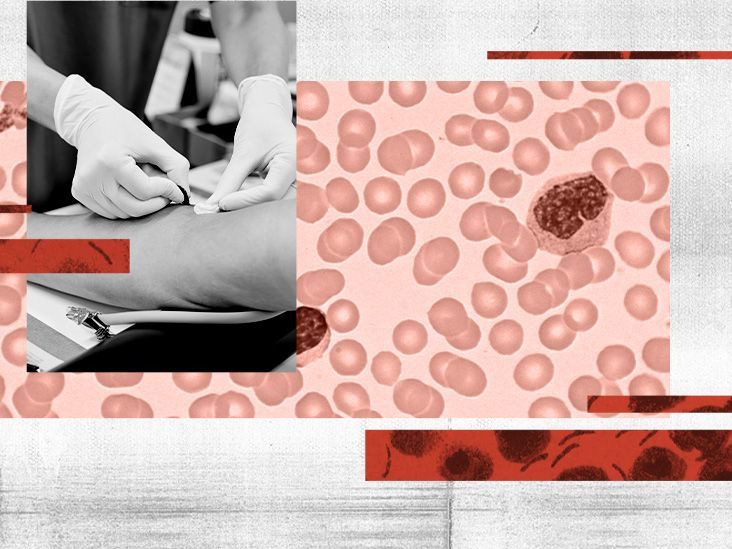
A low platelet count is usually found through a blood test called a complete blood count, or CBC. If the result is unexpected, doctors may repeat the test or check a blood smear under a microscope. This helps confirm the platelet count and rule out lab-related issues, such as platelet clumping that can make the count look falsely low.
Doctors may ask about recent infections, medications, supplements, alcohol use, family history, autoimmune symptoms, liver disease, pregnancy, bleeding symptoms, recent vaccines, travel, and exposure risks. Depending on the situation, additional tests may include liver function tests, viral testing, vitamin levels, immune markers, kidney function tests, or bone marrow evaluation.
When Is a Low Platelet Count Dangerous?
The seriousness of thrombocytopenia depends on the platelet number, the cause, and whether the person has bleeding symptoms. Mild thrombocytopenia may not cause symptoms at all. Moderate thrombocytopenia may increase bruising or bleeding risk. Severe thrombocytopenia can raise the risk of serious bleeding, especially if the count is very low or if the person is taking blood-thinning medications.
Seek urgent medical care for bleeding that will not stop, black or bloody stools, blood in urine, severe headache after a fall or hit to the head, sudden weakness, confusion, vision changes, or widespread unexplained bruising. These symptoms do not automatically mean disaster, but they do mean the body is waving a big red flag.
Can Thrombocytopenia Be Treated?
Treatment depends on the cause. If a medication is responsible, a doctor may change it. If an infection is involved, treating the infection may help the platelet count recover. If ITP is the cause, treatments may include observation, corticosteroids, immune therapies, medications that stimulate platelet production, or other specialist-guided options. If platelet counts are dangerously low or bleeding is serious, platelet transfusions may be used in certain situations.
For mild cases, treatment may not be needed right away. Doctors may simply monitor the platelet count and watch for symptoms. That may sound anticlimactic, but in medicine, “watchful waiting” is sometimes the responsible adult in the room.
Living With Low Platelets: Practical Safety Tips
People with low platelets should follow their clinician’s advice about activity, medications, and monitoring. In general, it may be wise to avoid contact sports or activities with a high risk of injury when platelet counts are very low. Use a soft toothbrush if gums bleed easily, avoid unnecessary aspirin or ibuprofen unless a doctor approves, and tell dentists or surgeons about thrombocytopenia before procedures.
It is also helpful to keep a list of medications and supplements. Some products may affect clotting or interact with treatment. When in doubt, ask a healthcare professional instead of letting a search engine play doctor in a tiny white coat.
Experiences Related to Low Platelet Count: What People Often Notice
Many people first learn they have thrombocytopenia by accident. They may go in for an annual physical, a pre-surgery blood test, or a routine checkup, and the CBC shows a platelet count below the normal range. The person may feel completely fine, which can make the result confusing. This is one reason low platelets can feel emotionally strange: the lab report says something is off, but the body may not be sending obvious signals.
One common experience is the “mystery bruise” problem. A person notices bruises on the legs or arms and cannot remember bumping into anything. Of course, everyone occasionally collects a random bruise from furniture, doorframes, or the sharp corner of a coffee table that clearly has a personal agenda. But when bruising becomes frequent, larger than expected, or paired with tiny red or purple dots on the skin, it is worth discussing with a clinician.
Another experience involves bleeding that seems slightly more dramatic than usual. A small cut may take longer to stop bleeding. Gums may bleed during brushing. Nosebleeds may happen more often. Menstrual bleeding may become heavier or last longer. These symptoms do not always mean severe thrombocytopenia, but they are important clues.
People being treated for cancer may experience low platelets as part of chemotherapy monitoring. In that setting, thrombocytopenia can affect treatment schedules, activity recommendations, and infection or bleeding precautions. Patients may be told to avoid high-risk activities, watch for bleeding symptoms, and report changes quickly. This can be frustrating because the platelet count may rise and fall depending on treatment cycles.
People with immune thrombocytopenia often describe the condition as unpredictable. Platelet counts can change, sometimes quickly. One test may look reassuring, while another may show a drop. That uncertainty can create anxiety, especially before dental work, surgery, travel, or sports participation. Keeping follow-up appointments and understanding personal warning signs can make the condition feel more manageable.
Pregnant people may hear about low platelets late in pregnancy and immediately worry. In many cases, pregnancy-related thrombocytopenia is mild, but doctors still monitor it carefully because some causes are more serious than others. The key experience here is learning that the same lab result can have different meanings depending on timing, symptoms, blood pressure, liver tests, and overall health.
For many families, thrombocytopenia becomes a lesson in not treating lab numbers like fortune cookies. A platelet count matters, but it is only one part of the story. The cause, trend, symptoms, and medical context all matter. Someone with stable mild thrombocytopenia and no symptoms may need very different care from someone with a sudden severe drop and active bleeding symptoms.
The most reassuring experience many people have is discovering that a low platelet count is sometimes temporary. A recent viral illness, medication reaction, or correctable deficiency may be the reason. But because some causes are serious, the safest approach is simple: do not panic, do not ignore it, and do not self-diagnose based on one number. Follow up, ask questions, and let the medical detective work happen properly.
Conclusion
A low platelet count, or thrombocytopenia, can happen for many reasons. The body may not be making enough platelets, platelets may be destroyed or used too quickly, or too many may be trapped in an enlarged spleen. Common causes include infections, immune thrombocytopenia, medication reactions, liver disease, pregnancy-related changes, nutritional deficiencies, autoimmune disease, cancer treatments, and bone marrow disorders.
The most important takeaway is that thrombocytopenia is not just a number on a lab report. It is a signal that deserves context. Some cases are mild and temporary. Others require fast medical attention. If you or someone you care about has a low platelet count, the smartest next step is a calm, careful conversation with a healthcare professional who can identify the cause and recommend the right plan.