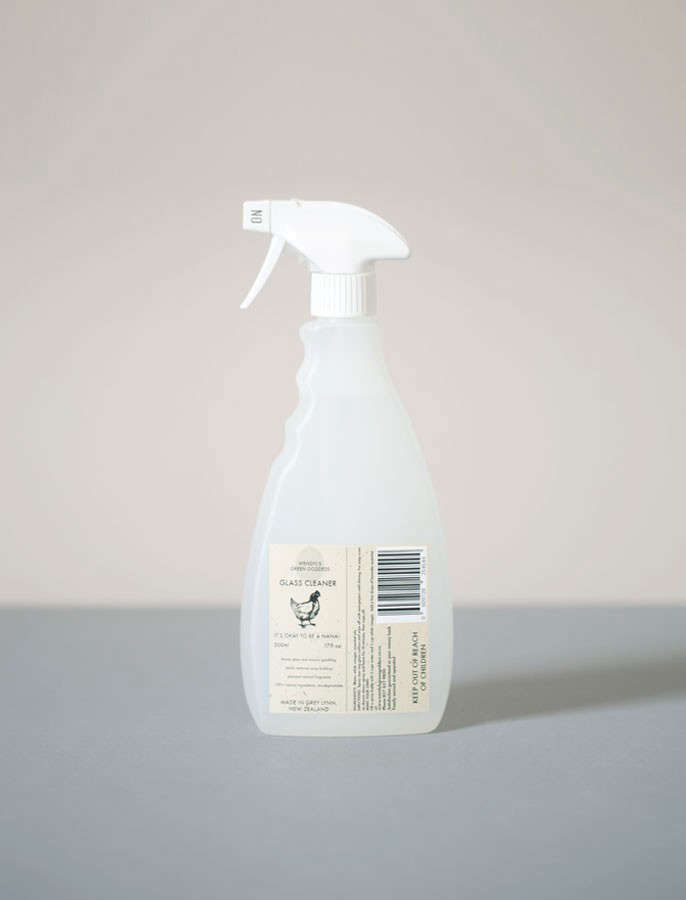
There are two kinds of people in the world: people who can clean a mirror without leaving streaks, and people who spend the next ten minutes tilting their heads like confused pigeons, trying to figure out where the smears came from. Wendyl Nissen’s Spray Glass Cleaner belongs to the first group. It is simple, old-fashioned, practical, and refreshingly free of the harsh chemical drama that often comes with modern cleaning products.
Wendyl Nissen, the New Zealand writer and green-living advocate behind the Green Goddess philosophy, became known for encouraging households to return to basic, earth-friendly ingredients. Her approach is not about making cleaning complicated. It is about making it sensible. Instead of loading a cupboard with twenty bottles that smell like a laboratory wearing perfume, she champions ingredients such as vinegar, water, essential oils, baking soda, and gentle soap.
Wendyl Nissen’s Spray Glass Cleaner follows that same charmingly direct idea. At its heart, it is a vinegar-based glass cleaner designed to cut through fingerprints, dust, cloudy residue, and the mysterious nose prints that appear on windows when pets believe they are neighborhood security guards. For readers in the United States looking for a natural glass cleaner, streak-free window spray, or DIY-style alternative to ammonia-heavy products, this cleaner offers a useful case study in how simple ingredients can still deliver serious shine.
What Is Wendyl Nissen’s Spray Glass Cleaner?
Wendyl Nissen’s Spray Glass Cleaner is best understood as part product, part philosophy. It represents a style of cleaning that favors recognizable ingredients over long chemical labels. Publicly available descriptions of the cleaner and related Green Goddess recipes describe a base built around vinegar and water, sometimes enhanced with a small amount of liquid detergent and essential oil for scent.
That may sound almost too simple. Where are the neon dyes? Where is the thunderbolt logo? Where is the promise that your window will become so transparent birds start filing insurance claims? But glass cleaning does not always need a complicated formula. In many homes, the main problems on glass are oils from skin, mineral spots from water, dust, light grease, and residue from previous cleaners. Vinegar, a mild acid, can help dissolve mineral deposits and loosen grime. Water carries the solution across the surface. A tiny amount of detergent can help lift greasy film. Essential oil gives the whole experience a friendlier scent than plain vinegar, which otherwise smells like a salad dressing with ambition.
Why Vinegar Works So Well on Glass
Vinegar has earned its place in old-school cleaning cabinets because it is acidic enough to tackle common household buildup but mild enough for many everyday jobs when used correctly. On windows and mirrors, vinegar is especially useful against hard-water marks, light soap film, fingerprints, and cloudy residue. It does not behave like a heavy polish or wax. It cuts, loosens, and evaporates cleanly when paired with the right wiping method.
That last phrase matters: the right wiping method. A good glass cleaner can still fail if it is used with a linty cloth, too much spray, or direct sunlight turning the glass into a hot plate. Streak-free glass is a partnership. The cleaner does its part, but the cloth, timing, and technique must also show up for work.
The Basic Cleaning Science
Glass looks smooth, but everyday life leaves plenty behind. Skin oils from hands, cooking vapors, toothpaste mist on bathroom mirrors, pet nose art, dust, pollen, and mineral-rich droplets can all cling to the surface. A vinegar-based spray helps break down or loosen several of these common residues. If a recipe includes a few drops of liquid soap, that soap can help emulsify oils so they wipe away more easily.
The beauty of Wendyl’s style is restraint. Too much soap can leave a film. Too much cleaner can create puddles. Too much fragrance can turn a small bathroom into a botanical thunderstorm. A minimalist glass cleaner works because it uses only what the glass needs and not a marching band more.
Natural Glass Cleaner vs. Conventional Glass Spray
Conventional glass cleaners often use solvents, surfactants, fragrance, dyes, and sometimes ammonia. Many work very well, especially on greasy or heavily handled glass. However, some people prefer to avoid strong chemical odors, particularly in smaller homes, bathrooms, apartments, nurseries, pet areas, or rooms with poor ventilation. U.S. environmental and respiratory-health guidance has repeatedly pointed out that some cleaning products can contribute to indoor air concerns, especially when sprayed often or used without airflow.
This does not mean every conventional cleaner is villainous. Your bottle of blue spray is not hiding in the pantry plotting world domination. But it does mean households have good reasons to consider simpler alternatives. A vinegar-based glass cleaner can be a practical choice for routine maintenance: mirrors, interior windows, glass tables, chrome fixtures, and cabinet glass. It is economical, easy to understand, and less likely to leave behind a heavy perfumed cloud.
Where Wendyl’s Approach Shines
Wendyl Nissen’s Spray Glass Cleaner shines in three situations. First, it is excellent for people who clean frequently and want a lighter daily option. Second, it appeals to families trying to reduce the number of highly scented or harsh-smelling products in the home. Third, it suits anyone who likes a cleaner that feels less like a chemical event and more like common sense in a spray bottle.
It is also a good reminder that “natural” does not mean careless. Vinegar is still acidic. Essential oils are concentrated. Glass cleaner should still be labeled, stored safely, kept away from children, and never mixed with bleach. The greenest cleaning routine is one that is both gentle and smart.
How to Use Wendyl Nissen’s Spray Glass Cleaner for Best Results
The difference between sparkling glass and sad, streaky glass often comes down to technique. Here is a practical method inspired by vinegar-based cleaning guidance and professional glass-cleaning habits.
Step 1: Dust First
Before spraying, remove dry dust from the glass, frame, sill, or mirror edge. If you skip this step, the cleaner turns dust into gray soup, and then you are not cleaning glass anymore; you are spreading tiny mud around with confidence.
Step 2: Spray Lightly
Use a light mist. Glass does not need to be drenched. Overspraying is one of the most common causes of streaks because the cloth becomes too wet and starts moving diluted grime instead of removing it. For mirrors, it is often better to spray the cloth rather than the glass. This prevents liquid from running behind the mirror frame, where moisture can damage backing over time.
Step 3: Wipe With Microfiber
A clean microfiber cloth is usually better than paper towels. Paper towels can leave lint, and some rough towels can smear rather than polish. Use one damp cloth to clean and a second dry cloth to buff. The two-cloth method sounds almost too fancy until you try it and realize your mirror no longer looks like it has weather patterns.
Step 4: Use Directional Strokes
Wipe in long vertical or horizontal strokes instead of frantic circles. Circular wiping can redistribute cleaner and create swirls. Directional strokes make it easier to see missed spots. For windows, some cleaners wipe the inside vertically and the outside horizontally. That way, if streaks appear, you know which side needs attention. It is detective work, but with fewer trench coats.
Step 5: Avoid Direct Sunlight
Do not clean hot glass in strong sun if you can avoid it. Heat makes the cleaner dry too quickly, leaving streaks before you have a chance to buff. A cloudy morning is ideal. The window does not need drama lighting; it needs patience.
Best Surfaces for This Cleaner
Wendyl Nissen’s Spray Glass Cleaner is best for standard glass and mirror surfaces. It can also be useful on some shiny household surfaces when tested first, but it should not be treated as an all-purpose cleaner for everything in sight.
Great Uses
Use it on bathroom mirrors, interior windows, glass cabinet doors, glass tabletops, picture-frame glass, and some chrome fixtures. It is also useful for removing light water spots from shower glass when buildup has not become too stubborn.
Use Caution
Avoid vinegar-based cleaners on natural stone such as marble, limestone, and travertine because acid can etch the surface. Be cautious around unsealed grout, delicate metal finishes, antique mirrors, electronics, tinted film, and specialty coated glass. When in doubt, test a small hidden area first. The five-second test can save a five-hundred-dollar regret.
Why Ingredient Simplicity Matters
One of the biggest advantages of Wendyl Nissen’s cleaning philosophy is transparency. When a cleaner is based on vinegar, water, a touch of soap, and essential oil, the user can understand what each ingredient is doing. There is comfort in that. A product does not need to sound like a chemistry exam to be effective.
Ingredient simplicity also helps reduce clutter. Many households own separate sprays for glass, counters, sinks, tubs, stainless steel, floors, and mysterious “multi-surface” purposes. Before long, the cleaning cupboard looks like a crowded bus station. A simple glass cleaner does one job clearly. It is not pretending to disinfect the entire universe. It cleans glass.
Is It Safe Around Kids and Pets?
A vinegar-based glass cleaner is generally a milder option than many strongly scented chemical sprays, but it still deserves basic safety habits. Keep the bottle labeled. Store it out of reach. Do not spray near eyes, pet bowls, food, open flames, or delicate surfaces. Avoid letting pets lick freshly cleaned glass or floors below sprayed areas. Essential oils may smell lovely to humans, but some can be irritating or unsafe for certain animals, especially cats and birds, depending on concentration and exposure.
Ventilation is also a good habit, even with gentler cleaners. Open a window or run a fan if you are cleaning several mirrors or large panes. Fresh air is the unsung hero of housework. It does not have a cute label, but it does excellent work.
How It Compares With DIY Glass Cleaner Recipes
Many U.S. green-cleaning recipes use the same family of ingredients: vinegar, water, cornstarch, rubbing alcohol, and small amounts of dish soap. Some recipes add cornstarch to help polish glass, while others include rubbing alcohol for faster evaporation. Wendyl’s version is more minimalist and more aromatic when essential oil is included.
If you are cleaning routine fingerprints and mirror haze, the simple vinegar-water approach is often enough. If you are dealing with exterior windows coated in pollen, smoke, road film, or greasy kitchen residue, a tiny amount of liquid detergent can improve performance. The trick is restraint. Add drops, not a generous squirt. Soap is helpful until it becomes the very film you are trying to remove.
Common Mistakes That Cause Streaks
Using Too Much Product
More spray does not equal more shine. It usually equals more wiping, more residue, and more muttering. Start with a light mist and add more only if needed.
Using Dirty Cloths
A cloth that previously cleaned a greasy stovetop should not be promoted to mirror duty. Use clean microfiber cloths reserved for glass. Wash them without heavy fabric softener, which can reduce absorbency and leave residue.
Cleaning in Full Sun
Sunlight dries cleaner too fast. Choose shade, cloudy weather, or indoor glass that is not warm to the touch.
Expecting a Cleaner to Fix Damaged Glass
Some cloudiness is not dirt. Hard-water etching, scratches, failed mirror backing, and damaged coatings may not disappear with any cleaner. A good glass spray removes residue; it cannot reverse physics, unfortunately.
Who Should Try Wendyl Nissen’s Spray Glass Cleaner?
This cleaner is a strong fit for people who prefer low-fuss, lower-odor, vinegar-based cleaning. It is especially appealing for renters, small-space dwellers, parents, pet owners, and anyone who wants a more natural cleaning routine without turning the laundry room into a science fair. It also suits people who enjoy the ritual of homemade-style cleaning: shake the bottle, mist the mirror, polish with a cloth, admire your reflection, and pretend the rest of the house is just as under control.
It may not be the best choice for people who dislike the smell of vinegar, even when essential oil is added. It may also be too gentle for neglected exterior windows that have been collecting grime since the last presidential administration. In those cases, pre-washing with mild soapy water and using a squeegee may be necessary.
Real-Life Experience: Living With Wendyl Nissen’s Spray Glass Cleaner
The first thing you notice about a vinegar-based glass cleaner like Wendyl Nissen’s is that it feels humble. There is no aggressive foam, no blue dye, no scent strong enough to make the hallway file a complaint. You spray it, and for one second the vinegar announces itself. Then the essential oil softens the mood, like someone opening a window after a pickle jar has been introduced to the room.
On bathroom mirrors, the cleaner is at its best. Toothpaste flecks, water specks, fingerprints, and general morning chaos wipe away easily when the mirror is cleaned with a light mist and microfiber cloth. The key is not to soak the surface. A small amount cleans better than a wet flood. After wiping with the first cloth, a quick buff with a dry cloth brings out the shine. The result is clear glass without the squeaky chemical smell that often lingers after conventional sprays.
On interior windows, the experience depends heavily on timing. Used on a cool, cloudy day, the cleaner performs beautifully. It cuts through ordinary dust and handprints and leaves the room looking brighter. Used on a sunny window at noon, it becomes less cooperative. The solution dries too quickly, and streaks appear like tiny handwritten notes saying, “Try again later.” Once you learn to clean in shade, the process becomes much easier.
Pet households may appreciate this cleaner because glass doors attract nose prints with supernatural speed. A vinegar-based spray handles those marks well, especially when used regularly. For a sliding door that doubles as a dog television screen, daily or every-other-day cleaning keeps buildup from becoming stubborn. The cleaner is not magic, but it does make the job quick enough that you stop resenting the dog for having hobbies.
Kitchen glass can be trickier. If the glass is near a stove, greasy residue may need a little extra help. A formula with a few drops of gentle dish soap works better here than plain vinegar and water. But the soap must be minimal. Too much creates a dull film that requires extra buffing. This is where Wendyl’s simple-cleaning mindset is useful: add only what the job requires, and no more.
The most satisfying part is the cupboard effect. Replacing a harsh-smelling glass spray with a simpler cleaner can make the whole cleaning routine feel calmer. Instead of suiting up emotionally for battle, you just clean the mirror. The bottle is easy to understand, easy to use, and easy to refill if you follow a homemade version. It turns glass cleaning from a dramatic chore into a small, pleasant reset. Your windows may not sparkle like a luxury hotel lobby every day, but they will look fresh, clear, and cared for. Sometimes that is exactly the kind of domestic victory worth celebrating.
Final Thoughts
Wendyl Nissen’s Spray Glass Cleaner is more than a window spray. It is a reminder that effective cleaning does not always require harsh odors, complicated formulas, or a cabinet full of specialized products. With vinegar, water, careful technique, and the right cloth, glass can become clean, bright, and streak-free without unnecessary fuss.
For U.S. readers interested in natural glass cleaner options, Wendyl’s approach fits neatly into a broader movement toward simpler, safer, and more transparent household care. It is not about rejecting every modern product. It is about asking a smarter question: what is the least complicated thing that works well? For everyday mirrors, windows, and glass surfaces, this spray has a very persuasive answer.
Note: This article is written for web publication in standard American English and synthesizes real product context, natural cleaning practices, and reputable household-cleaning guidance without adding source links or publishing artifacts.