Weight loss injections have gone from quiet medical tools to headline celebrities. Suddenly, everyone seems to know someone who is takifter watching a 30-second video. The reality is more nuancedand considerably more useful.
Prescription injections such as Wegovy, Zepbound, and Saxenda can produce meaningful weight loss for eligible patients. They may also improve blood sugar, blood pressure, cholesterol, sleep apnea, mobility, and other health concerns associated with obesity. However, these medications are not casual cosmetic treatments, instant fixes, or permission slips to ignore nutrition and exercise.
This guide explains how weight loss injections work, who may qualify, what results are realistic, which side effects deserve attention, and why long-term planning matters just as much as the number on the scale.
Medical note: This article provides general educational information and is not a substitute for personalized medical advice. Weight loss injections require evaluation, prescribing, and follow-up by a qualified healthcare professional.
What Are Weight Loss Injections?
Weight loss injections are prescription medications used as part of a medical plan for chronic weight management. The most widely discussed products influence hormones involved in hunger, fullness, blood sugar control, and digestion.
Some belong to a class called GLP-1 receptor agonists. GLP-1, short for glucagon-like peptide-1, is a hormone naturally released after eating. It helps signal that you have had enough food, supports insulin release when blood sugar is elevated, and slows the speed at which food leaves the stomach.
Tirzepatide works a little differently because it targets both GLP-1 and another hormone pathway called GIP. That dual action can create strong effects on appetite and metabolic health.
Common FDA-Approved Weight Loss Injections
- Wegovy: A once-weekly semaglutide injection approved for chronic weight management in eligible patients.
- Zepbound: A once-weekly tirzepatide injection approved for chronic weight management in adults. It is also approved for certain adults with obesity and moderate-to-severe obstructive sleep apnea.
- Saxenda: A once-daily liraglutide injection approved for chronic weight management.
Setmelanotide is another injectable obesity treatment, but it is reserved for certain rare genetic conditions and is not a general-purpose weight loss medication.
Ozempic, Wegovy, Mounjaro, and Zepbound: What Is the Difference?
Brand names can make this subject feel like a pharmaceutical game show, so here is the practical distinction.
Ozempic and Wegovy both contain semaglutide, but they are approved for different primary uses and may be prescribed at different doses. Ozempic is approved to treat type 2 diabetes and reduce certain health risks in eligible patients. Wegovy is the semaglutide product specifically approved for chronic weight management.
Similarly, Mounjaro and Zepbound both contain tirzepatide. Mounjaro is approved for type 2 diabetes, while Zepbound is approved for chronic weight management and certain cases of obesity-related obstructive sleep apnea.
A medication can sometimes be prescribed off-label, but that decision belongs to a licensed clinician. Patients should not switch brands, combine products, or change doses based on social media advice. Your cousin’s group chat is many things, but it is not an endocrinology clinic.
How Do Weight Loss Injections Work?
These injections do more than suppress appetite through willpower’s back door. They change biological signals that influence eating behavior and metabolism.
They Reduce Hunger
GLP-1-based medications affect areas of the brain involved in appetite. Many patients report fewer intrusive thoughts about food, less grazing between meals, and a greater ability to stop eating when satisfied.
They Increase Feelings of Fullness
Because food may leave the stomach more slowly, meals can feel satisfying for longer. That does not mean the stomach stops working, but it can mean that a smaller portion produces the fullness that previously required a much larger meal.
They Support Blood Sugar Control
Semaglutide, liraglutide, and tirzepatide can improve the body’s response to food and support insulin release when blood glucose is elevated. This is one reason these medications developed from treatments originally studied for diabetes.
They Can Change Food Preferences
Some people become less interested in rich, fatty, or highly sweet foods. Others simply feel indifferent toward foods that once seemed impossible to resist. This effect varies, and it should not be confused with developing a nutritionally complete diet automatically.
Who May Qualify for Weight Loss Injections?
For adults, prescription weight management medications are commonly considered for people with:
- A body mass index, or BMI, of 30 or higher.
- A BMI of 27 or higher plus at least one weight-related health condition, such as high blood pressure, type 2 diabetes, abnormal cholesterol, cardiovascular disease, or obstructive sleep apnea.
BMI is a useful screening measurement, but it is not a complete diagnosis. It does not distinguish muscle from fat, measure fat distribution, or reveal how excess weight is affecting a person’s organs and daily life. A thoughtful evaluation may also consider waist circumference, laboratory results, medications, eating patterns, mobility, sleep, mental health, and previous weight management attempts.
These treatments are generally intended for chronic disease managementnot for losing a few pounds before a vacation, wedding, reunion, or extremely judgmental pair of jeans.
How Much Weight Can You Lose?
Results vary according to the medication, dose, treatment duration, starting weight, side effects, lifestyle habits, health conditions, and whether the patient can continue treatment.
In a major clinical trial, adults taking weekly semaglutide for obesity lost an average of about 15% of their starting body weight over 68 weeks. In a major tirzepatide trial, average weight loss reached approximately 15% to 21% over 72 weeks, depending on the dose. Liraglutide generally produces more modest average reductions.
These are group averages, not guarantees. Some patients lose considerably more, while others lose less than 5% of their starting weight. A person weighing 240 pounds who loses 15% has lost 36 pounds. That can be clinically meaningful even if it does not match an airbrushed advertisement featuring someone hiking at sunrise.
Health benefits may appear before a dramatic visual change. Losing 5% to 10% of starting weight can improve blood sugar, triglycerides, blood pressure, liver health, mobility, and sleep for many people.
What Happens During Treatment?
Doses Usually Increase Gradually
Patients generally start at a low dose. The dose is then increased in stages, often at intervals of several weeks, depending on the product and the person’s response. This process is called dose escalation or titration.
Starting low gives the digestive system time to adjust. Increasing the dose faster than prescribed does not create a clever shortcut. It mainly creates a faster route to nausea, vomiting, dehydration, and regret.
The Injection Is Given Under the Skin
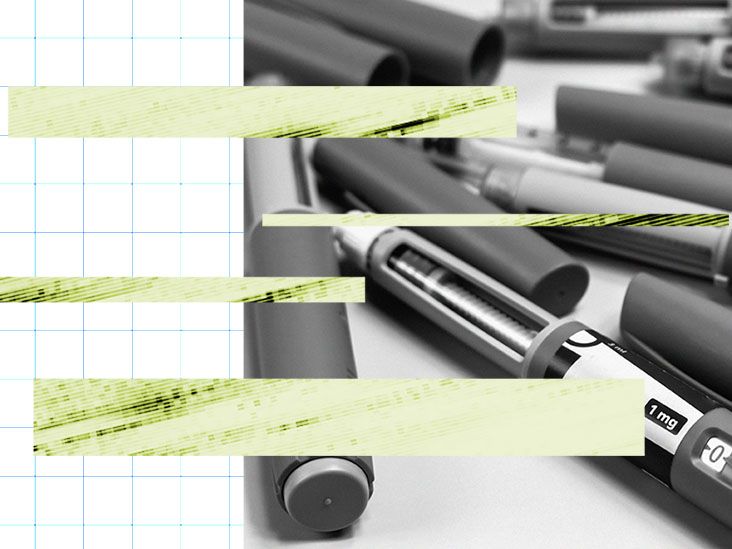
Depending on the product, the medication may come in a prefilled injection pen, vial, or multi-dose device. Common injection sites include the abdomen, thigh, and upper arm. Patients are typically told to rotate injection sites and follow the product’s storage and handling instructions.
Never share an injection pen, even if a new needle is attached. Follow the medication guide for missed doses instead of doubling the next injection.
Follow-Up Matters
A prescriber may monitor weight trends, side effects, blood pressure, blood sugar, kidney function, eating patterns, and other health markers. Follow-up also helps determine whether the medication is producing enough benefit to justify its risks, inconvenience, and cost.
Common Side Effects of Weight Loss Injections
Digestive symptoms are the most common side effects, especially when treatment begins or the dose increases. They may include:
- Nausea
- Vomiting
- Diarrhea
- Constipation
- Abdominal discomfort
- Heartburn, burping, or bloating
- Reduced appetite
- Fatigue or headache
- Injection-site irritation
For many patients, mild symptoms improve as the body adapts. Smaller meals, slower eating, sufficient fluids, and temporarily avoiding very fatty meals may help. A meal that resembles a deep-fried dare is rarely the ideal companion to a newly increased GLP-1 dose.
Persistent symptoms should not be dismissed as the price of success. Repeated vomiting, an inability to keep fluids down, severe constipation, or signs of dehydration require medical attention.
Serious Risks and Warning Signs
Although uncommon, serious complications can occur. Contact a healthcare professional promptly for severe or unusual symptoms.
Pancreatitis
Severe, persistent abdominal painsometimes extending to the back and occurring with or without vomitingcan be a warning sign of pancreatic inflammation.
Gallbladder Problems
Gallstones and gallbladder inflammation may occur, particularly during substantial or rapid weight loss. Symptoms can include upper abdominal pain, fever, nausea, or yellowing of the skin or eyes.
Kidney Injury From Dehydration
Vomiting and diarrhea can reduce fluid levels enough to affect the kidneys. Reduced urination, dizziness, extreme thirst, confusion, or an inability to drink fluids should be addressed quickly.
Low Blood Sugar
Hypoglycemia is more likely when these medications are combined with insulin or certain diabetes drugs. Shaking, sweating, confusion, weakness, rapid heartbeat, or unusual hunger may indicate low blood glucose.
Severe Allergic Reactions
Swelling of the face, lips, tongue, or throat; breathing difficulty; fainting; or a severe rash requires emergency care.
Thyroid Tumor Warning
Semaglutide, tirzepatide, and liraglutide products carry boxed warnings related to thyroid C-cell tumors observed in animal studies. It is not known whether they cause these tumors in humans. They should not be used by people with a personal or family history of medullary thyroid carcinoma or multiple endocrine neoplasia syndrome type 2.
Who Should Avoid or Use These Medications Carefully?
Weight loss injections may be unsuitable or require additional evaluation for people who are pregnant, planning pregnancy, breastfeeding, or living with certain digestive, pancreatic, kidney, gallbladder, endocrine, or eye conditions.
Weight loss is not recommended during pregnancy. Semaglutide must generally be discontinued well before a planned pregnancy because it remains in the body for an extended period. Patients using tirzepatide should discuss birth control with their prescriber because dose changes may affect the reliability of oral hormonal contraceptives.
People with severe gastroparesis or significant stomach-emptying problems may not be appropriate candidates. Anyone scheduled for surgery or deep sedation should tell the surgeon and anesthesia team that they use a GLP-1-based medication. Because these drugs delay stomach emptying, the medical team may adjust pre-procedure eating instructions or the medication plan. Do not stop a prescribed drug independently.
Do You Still Need Diet and Exercise?
Yes, although “diet and exercise” should mean more than surviving on lettuce while jogging with visible resentment.
The medication can make healthier choices easier by reducing hunger, but it cannot supply protein, fiber, vitamins, strength, sleep, or coping skills. A sustainable plan should include:
- Regular meals containing adequate protein.
- Vegetables, fruits, whole grains, beans, and other fiber-rich foods.
- Sufficient fluids, especially during nausea, diarrhea, or constipation.
- Resistance training to preserve muscle and physical function.
- Aerobic activity appropriate for the person’s health and mobility.
- Consistent sleep and treatment for conditions such as sleep apnea.
- Support for emotional eating, binge eating, or other eating concerns.
Rapid weight loss can include the loss of muscle as well as body fat. Protein intake and strength training are therefore not decorative extras. They help protect strength, metabolism, balance, and long-term health.
Will the Weight Return After Stopping?
Weight regain is common after discontinuing GLP-1-based treatment. When the medication is removed, appetite signals may strengthen and the biological pressures that defended the previous weight can return.
This does not mean the medication caused an addiction or that the patient failed. Obesity is a chronic disease, and chronic treatments often work only while they are being used. Blood pressure can rise after stopping blood pressure medication; nobody accuses the cuff of lacking discipline.
Some people may eventually reduce a dose or discontinue treatment under medical supervision, while others benefit from long-term therapy. Before beginning, discuss what maintenance could look like if insurance coverage changes, side effects develop, pregnancy is planned, or the medication becomes unavailable.
Cost, Insurance, and Compounded Products
Cost is one of the biggest barriers to treatment. Insurance coverage varies widely, and approval may require documentation of BMI, weight-related medical conditions, previous treatment attempts, or ongoing progress. Even when a prescription is covered, deductibles and copayments can be significant.
Ask the prescriber’s office and insurer about prior authorization, renewal requirements, covered alternatives, and what happens if the plan changes. Manufacturer savings programs may help some commercially insured or self-paying patients, but eligibility and terms can change.
Use caution with compounded, counterfeit, or illegally marketed products. Compounded medications are not FDA-approved versions of branded drugs, and the FDA does not review them in the same way for quality, safety, or effectiveness. Regulators have reported dosing mistakes, fraudulent labels, unapproved ingredients, and products advertised as identical to approved medications when they were not.
Purchase prescription medicine only through a legitimate, licensed pharmacy working from a valid prescription. A website that promises “research-grade semaglutide, no doctor needed” is not being charmingly rebellious. It is waving a red flag large enough to cover a football field.
Questions to Ask Before Starting a Weight Loss Injection
- Why do you recommend this medication for me?
- What health benefits are we targeting besides weight loss?
- Which side effects should prompt an urgent call?
- Could this interact with my diabetes medicines or birth control?
- How will we protect muscle and nutritional health?
- What laboratory tests or follow-up visits will I need?
- How much will treatment cost under my insurance plan?
- What is the plan if I cannot tolerate or afford the medication?
- Should I change the medication before surgery or pregnancy?
- What is our long-term maintenance strategy?
Realistic Experiences: What the First Months Can Feel Like
No two patients have exactly the same experience, but several patterns commonly appear during the first months of treatment. The following examples are composites designed to illustrate realistic situations rather than individual medical testimonials.
The First Injection May Feel Surprisingly Ordinary
Many people spend days worrying about the needle, only to discover that the injection itself takes seconds and causes little more than a pinch. The harder part may be learning the device, remembering the weekly schedule, and resisting the urge to stare at the injection site as though it might deliver breaking news.
Some people notice appetite changes within days. Others do not feel much until the dose has increased several times. A quiet first week does not necessarily mean the medication has failed. Starting doses are primarily intended to help the body adjust.
Fullness Can Arrive Earlier Than Expected
A typical early experience is preparing a familiar portion, eating half, and suddenly feeling finished. That moment can be encouraging, but it also requires new habits. Eating quickly may lead to uncomfortable fullness before the brain catches up. Patients often learn to serve smaller portions, pause during meals, and keep leftovers rather than treating an old serving size as a contractual obligation.
Food preferences may also change. A person who previously craved greasy takeout might find it unappealing, particularly near injection day. Yet reduced interest in food can create another problem: forgetting to eat until late afternoon and then feeling weak. Successful treatment still requires planned, nutrient-dense meals.
Side Effects Can Be Inconsistent
A patient may tolerate one dose for weeks and experience nausea after the next increase. Another may have no nausea but struggle with constipation. Rich meals, large portions, alcohol, inadequate fluids, and eating immediately before bed can make digestive symptoms more noticeable.
People often improve by eating smaller meals, choosing simpler foods during dose transitions, drinking regularly, and contacting their prescriber before symptoms become severe. Suffering silently is not a badge of honor, and constant vomiting is not evidence that the medicine is “working extra hard.”
The Scale May Move in Fits and Starts
Weight loss is rarely a straight line. A person may lose several pounds, remain stable for three weeks, and then begin losing again. Sodium, bowel habits, menstrual cycles, travel, stress, and changes in activity can temporarily influence scale weight.
Measurements such as waist size, blood pressure, blood sugar, mobility, sleep quality, and clothing fit may reveal progress during a scale plateau. A slower week is not an emergency, and independently increasing the dose can create unnecessary risk.
Social Situations May Feel Different
Restaurants, holidays, and family meals can become unexpectedly awkward when others notice smaller portions. Patients may hear comments ranging from supportive to spectacularly nosy. A simple response such as, “I’m following a medical treatment plan and feeling well,” can close the conversation without inviting a committee meeting about dinner.
Over time, the most successful experiences usually involve more than medication. Patients build meals around protein and produce, lift weights or perform resistance exercises, monitor hydration, attend follow-up visits, and prepare for maintenance. The injection can lower the biological volume of hunger, but the surrounding habits help turn that quieter signal into lasting health improvement.
Conclusion
Weight loss injections have changed obesity treatment by addressing biological drivers of hunger and weight regulation. Wegovy, Zepbound, and Saxenda can produce clinically meaningful results for eligible patients, particularly when combined with nutrition, activity, strength training, and regular medical follow-up.
They also come with limitations. Digestive side effects are common, serious complications are possible, insurance coverage may be unpredictable, and weight regain frequently occurs after treatment ends. The best choice is therefore not automatically the medication associated with the largest average weight loss. It is the treatment that fits the patient’s health history, goals, tolerance, finances, and long-term plan.
Think of a weight loss injection as a powerful medical toolnot a miracle, moral verdict, or celebrity accessory. Used carefully, it may make sustainable health changes far more achievable. Used carelessly, it can become an expensive lesson in why prescription labels contain so many words.