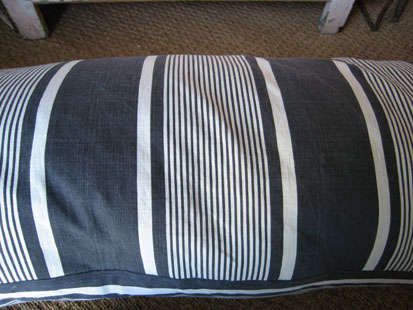
A Vintage Blue Ticking Bolster is one of those home decor pieces that looks humble at first glancejust a long pillow in blue-and-white stripesuntil you place it on a bed, bench, sofa, or reading chair and suddenly the whole room behaves better. It is the decorative equivalent of rolling up your sleeves: casual, useful, quietly stylish, and somehow always appropriate.
Ticking fabric began as a practical textile, not a design celebrity. Traditionally woven from sturdy cotton or linen, it was used to cover mattresses and pillows because its tight weave helped keep straw, feathers, wool, horsehair, and other old-fashioned stuffing materials from poking through. In other words, ticking was invented to stop beds from behaving like porcupines. Over time, its clean stripesespecially the beloved blue ticking stripemoved from utility rooms and farmhouse bedrooms into refined interiors, coastal cottages, French country homes, and modern spaces that need a little texture without too much fuss.
Today, the vintage blue ticking bolster has earned its place as a small but mighty styling tool. It adds pattern without visual chaos, history without heaviness, and comfort without the dreaded mountain of throw pillows that must be relocated every night before sleep. Whether you love antique textiles, farmhouse decor, cottage style, coastal interiors, or simply a good pillow that knows how to sit up straight, this classic piece deserves attention.
What Is a Vintage Blue Ticking Bolster?
A vintage blue ticking bolster is typically a long, cylindrical pillow made with or inspired by old ticking stripe fabric. The word “bolster” refers to the shape: long, rounded, and supportive. Unlike a square throw pillow, which mostly says, “Look at me, I am decorative,” a bolster adds structure. It can stretch across a bed, soften the back of a bench, support the lower back on a sofa, or bring a finished look to an accent chair.
The “blue ticking” part refers to the fabric pattern. Classic ticking usually features narrow vertical stripes in blue and white, though antique examples may include faded indigo, navy, slate blue, gray-blue, or even soft cornflower tones. The beauty of vintage ticking is that it often looks slightly worn, sun-faded, washed, and relaxed. It does not scream “brand new.” It whispers, “I have seen a few charming breakfasts and possibly a pie cooling on a windowsill.”
Why Blue Ticking Is So Recognizable
Blue ticking stripe fabric has a distinctive rhythm. The stripes are usually narrow, evenly spaced, and subtle enough to mix with other patterns. Compared with bold cabana stripes or nautical stripes, ticking feels more understated. It has a workwear quality, similar to denim or canvas, but with a softer domestic personality.
This is why it works in so many rooms. It can look rustic in a farmhouse bedroom, crisp in a coastal guest room, relaxed in a cottage living area, and surprisingly polished in a modern neutral space. The blue-and-white palette feels fresh, familiar, and easy to layer with wood, wicker, linen, brass, iron, rattan, leather, painted furniture, and vintage quilts.
The History Behind Ticking Fabric
Ticking fabric was originally created for durability. Before modern mattresses, bedding was often filled with natural materials that were not exactly spa-level luxurious. Straw, feathers, wool, and other fillings needed a strong covering. A tightly woven cotton or linen textile helped contain the stuffing and protected sleepers from uncomfortable pokes. This function-first textile eventually became known for its striped appearance, especially in muted shades like blue, brown, gray, red, and neutral tones.
Because ticking was sturdy, it was also used beyond bedding. Historically, similar durable striped textiles appeared in work aprons, utilitarian covers, sacks, and other household goods. The fabric was valued for strength, not glamour. But design has a funny habit of borrowing from practical life. What once belonged to mattresses and workrooms now appears in boutique interiors, designer pillows, antique markets, and carefully styled homes where “effortless” somehow took four hours and three coffee breaks.
From Mattress Cover to Design Classic
The rise of farmhouse, cottage, and vintage-inspired decorating helped bring ticking stripe fabric back into the spotlight. But ticking never truly disappeared. Its appeal is rooted in balance. It is patterned but not loud, traditional but not stuffy, casual but not sloppy. A vintage blue ticking bolster can make a room feel lived-in rather than staged, which is exactly what many homeowners want.
In interior design, the best patterns are often the ones that play well with others. Blue ticking stripe pairs naturally with florals, checks, plaids, toile, block prints, denim, grain sack textiles, white bedding, natural linen, and even modern solids. It can calm down louder patterns or wake up a plain sofa. Basically, it is the friend at the party who can talk to everyone.
Why a Bolster Shape Works So Well
The bolster pillow has a practical advantage over many decorative pillows: it adds a clear horizontal line. On a bed, one long bolster can replace several smaller pillows, creating a cleaner, more tailored look. On a sofa, it can sit neatly along the back or arm, offering support while still looking intentional. On a bench, it softens hard edges and makes the seat feel inviting.
A cylindrical bolster also introduces a different shape into a room. Many interiors are full of rectangles: windows, doors, picture frames, rugs, sofas, books, beds, and tables. A round bolster breaks up all those straight lines. It adds a gentle curve, which makes a space feel more relaxed and comfortable.
Decorative and Useful
A vintage blue ticking bolster is not just pretty. It can support the back while reading, prop up the knees while lounging, or serve as a cozy neck roll during a lazy Sunday afternoon. It should not be treated as a medical device, of course, but as a soft furnishing, it can make everyday sitting and resting more comfortable.
This is where the bolster earns bonus points. A square pillow may slide around like it has somewhere more important to be. A long bolster tends to stay put, especially when placed against a headboard, sofa back, or bench rail. It brings order to soft surfaces, which is a very fancy way of saying it makes the pillow pile look less like a fabric avalanche.
How to Style a Vintage Blue Ticking Bolster
The secret to styling a blue ticking stripe bolster pillow is to let it be charming without forcing it to be the star of a Broadway musical. Ticking is naturally subtle, so it works best when layered thoughtfully.
On a Bed
Place one long vintage blue ticking bolster across the front of sleeping pillows for a clean, classic look. It works beautifully with white sheets, linen duvets, cotton quilts, matelassé coverlets, and antique bed frames. For a farmhouse bedroom, pair it with a faded quilt and natural wood. For a coastal bedroom, combine it with crisp white bedding, woven shades, and pale blue accents. For a more modern bedroom, use it against solid bedding in ivory, oatmeal, charcoal, or soft gray.
If your bed already has patterned pillows, choose a ticking bolster with a quieter stripe. If the bedding is plain, a bolder blue stripe can provide just enough visual interest. The goal is harmony, not a pillow argument.
On a Sofa
A vintage ticking bolster can make a sofa feel relaxed and collected. Try placing it in the center of a neutral sofa with two square pillows at the sides. It also looks excellent on a slipcovered sofa, leather couch, or deep reading loveseat. Blue ticking especially complements natural textures such as jute rugs, wicker baskets, seagrass trays, wood coffee tables, and linen curtains.
For a more layered look, mix the bolster with floral pillows, small checks, faded denim, or block-print cushions. Keep the color palette connected by repeating blue, cream, white, or soft beige elsewhere in the room.
On a Bench or Window Seat
Benches and window seats practically beg for bolsters. A long ticking stripe bolster adds comfort and gives the seat a finished look. In an entryway, it can make a wood bench feel warmer. In a breakfast nook, it adds cottage charm. In a mudroom, it can soften built-in seating while still feeling durable and casual.
Blue ticking also hides small imperfections better than plain white fabric. That does not mean it is magically stain-proof. Coffee still has ambitions. But the stripe pattern is forgiving, especially in busy family spaces.
Decor Styles That Love Blue Ticking Bolsters
One reason the vintage blue ticking bolster remains popular is its flexibility. It belongs to no single style, which makes it easy to reuse as your taste changes.
Farmhouse Style
In farmhouse decor, ticking stripe feels completely at home. Pair it with painted furniture, vintage quilts, iron beds, wood floors, enamel pitchers, woven baskets, and simple cotton bedding. The blue stripe adds personality without breaking the relaxed country mood.
Cottage Style
Cottage interiors thrive on softness, comfort, and collected details. A vintage blue ticking bolster looks wonderful with floral curtains, ruffled bedding, old books, painted nightstands, and mismatched furniture. It adds just enough structure to keep the room from becoming overly sweet.
Coastal Style
Blue and white naturally suggest water, sky, and fresh air. A ticking stripe bolster can bring coastal charm without turning the room into a souvenir shop full of anchors. Pair it with white linen, driftwood tones, rope accents, pale oak, and natural woven textures for a clean seaside feel.
Traditional Style
In traditional rooms, ticking stripe can loosen things up. Place a blue ticking bolster on a formal chair, antique settee, or tailored bed to add a casual note. It works especially well with toile, checks, faded florals, and classic wood furniture.
Modern Rustic Style
For modern rustic interiors, use a ticking bolster as a bridge between old and new. The vintage fabric adds warmth, while the simple stripe keeps the look clean. Try it with black metal accents, neutral walls, reclaimed wood, and streamlined furniture.
How to Choose a Quality Vintage Blue Ticking Bolster
When shopping for a vintage blue ticking bolster, look beyond the pretty stripes. The best pieces have good fabric weight, secure seams, quality closures, and a shape that holds up well.
Check the Fabric
Authentic vintage ticking may feel thicker, tighter, or more textured than ordinary printed cotton. Some pieces are made from reclaimed mattress ticking, antique fabric panels, or vintage-inspired reproductions. True antique textiles often show fading, small repairs, irregularities, and signs of age. These details can add character, but they should not compromise the pillow’s usability.
If the fabric feels brittle, overly thin, or powdery, it may be too fragile for daily use. In that case, it might be better as a display piece in a low-traffic area.
Inspect the Construction
A good bolster should have strong stitching and a well-fitted insert. The ends may be gathered, tied, buttoned, or finished with flat circular panels. Zipper closures are practical because they allow the cover to be removed for cleaning. Ties and buttons add old-world charm, but they should be secure.
The insert matters, too. Down and feather inserts offer a softer, more relaxed shape. Polyester inserts are usually firmer and easier to maintain. Foam bolsters provide more structure. Choose based on how you plan to use the pillow: decorative, supportive, or both.
Care Tips for Vintage Ticking Fabric
Vintage fabric deserves gentle treatment. Even sturdy textiles can weaken with age, especially if they have been exposed to sunlight, moisture, repeated washing, or long storage. Before cleaning any vintage blue ticking bolster, inspect the fabric carefully.
Test Before Washing
Always test a hidden area for colorfastness. Use a clean, damp white cloth or cotton swab and press lightly on the blue stripe. If color transfers, avoid washing the piece at home. Blue dyes, especially in older textiles, may bleed if handled too aggressively.
Spot Clean Carefully
For minor marks, spot cleaning is often safer than full washing. Use cool water and a mild textile-safe soap. Dab gently rather than rubbing. Rubbing can damage fibers and spread the stain, which is not the dramatic plot twist anyone wants from a pillow.
Avoid Harsh Treatment
Do not use bleach on vintage ticking. Avoid hot water, strong detergents, aggressive scrubbing, wringing, and high-heat drying. If the pillow cover is removable and the fabric is strong and colorfast, hand washing in cool water may be appropriate. Lay it flat to dry away from harsh direct sunlight.
Store It Properly
If storing a vintage ticking bolster cover, make sure it is clean and completely dry. Avoid plastic bags for long-term storage because they can trap moisture. Use breathable cotton storage bags or acid-free tissue. Keep the fabric away from damp basements, hot attics, and direct sunlight.
Common Mistakes to Avoid
The vintage blue ticking bolster is easy to use, but a few mistakes can make it look less charming than it should.
Using Too Many Competing Stripes
Stripes mix beautifully with other patterns, but too many stripes at once can make a room feel like it is wearing barcode pajamas. If your rug, curtains, bedding, and pillows are all striped, give the eye a break with solids, florals, or textured neutrals.
Choosing the Wrong Scale
A tiny bolster may disappear on a king bed, while an oversized one may overwhelm a small chair. Measure before buying. For beds, longer bolsters create a more tailored look. For chairs, shorter bolsters are usually better. For benches, choose a length that leaves a little breathing room at each end.
Ignoring Fabric Fragility
A truly antique ticking textile may not be suitable for a household with pets, toddlers, snack enthusiasts, or anyone who believes grape juice belongs near upholstery. If the piece is rare or delicate, use it decoratively rather than functionally.
Why Vintage Blue Ticking Still Feels Fresh
Trends come and go, but ticking stripe has unusual staying power. Its secret is simplicity. The pattern is familiar, the color is calming, and the fabric carries a sense of honest utility. It feels neither overly polished nor carelessly casual.
Blue ticking stripe also works across seasons. In spring and summer, it feels crisp and airy. In fall, it pairs well with warm woods, leather, and woven textures. In winter, it looks cozy with quilts, wool throws, and candlelight. Very few decorative pillows can handle that kind of year-round schedule without demanding a vacation.
Buying Vintage vs. Vintage-Inspired
There is a difference between a true vintage blue ticking bolster and a new pillow made in a vintage style. Both can be excellent choices.
A true vintage piece offers age, character, and uniqueness. The fabric may come from old mattress covers, reclaimed textiles, or antique household linens. No two pieces are exactly alike. Small imperfections are part of the charm.
A vintage-inspired bolster, on the other hand, may be better for everyday use. New fabric is usually stronger, easier to clean, and available in consistent sizes. If you want the look of ticking stripe but need durability for a busy home, a reproduction fabric can be a smart choice.
Personal Experience: Living With a Vintage Blue Ticking Bolster
There is something quietly satisfying about bringing a vintage blue ticking bolster into a room. It is not the kind of decor item that arrives with fireworks. It does not demand a dramatic furniture rearrangement or make you question every life choice that led to your current curtain rods. Instead, it settles in naturally, as if it had always been there and was simply waiting for someone to notice.
One of the best ways to experience a ticking bolster is on a bed with simple white bedding. At first, the room may look clean but unfinished. Add the bolster, and suddenly the bed has a focal point. The blue stripes introduce pattern, but because ticking is narrow and orderly, the effect is calm. It is the difference between “I made the bed” and “I have my life together,” even if there is a laundry basket just outside the camera angle.
On a sofa, the experience is different but equally useful. A vintage blue ticking bolster can make a plain couch feel more collected. If the sofa is beige, gray, white, or navy, the pillow adds texture without fighting the furniture. It works especially well with a throw blanket casually folded over one arm. The combination says, “Please sit here and read a book,” not “This living room is for looking only.”
In a breakfast nook or window seat, the bolster becomes even more practical. A wood bench may look charming, but after fifteen minutes, your back may begin filing a complaint. A firm cylindrical bolster adds comfort while keeping the area tidy. Square pillows often slump, migrate, or fall into mysterious gaps. A bolster behaves better. It stays in line and gives the whole seat a finished edge.
Another enjoyable part of using vintage ticking is how easily it mixes with other textiles. Pair it with a faded floral pillow and it feels cottage-like. Add a navy throw and it becomes coastal. Set it against raw linen and it looks quietly European. Combine it with a red check or antique quilt and it leans farmhouse. The same pillow can travel from bedroom to living room to entry bench without looking lost.
There is also a tactile pleasure to good ticking fabric. It often has more body than ordinary printed cotton. The texture feels sturdy but not stiff, casual but not flimsy. When the blue has faded a little, the fabric gains depth. That worn-in color is hard to fake perfectly, although many modern reproductions come close. True vintage ticking has tiny irregularities that make it feel human.
The only caution is care. A vintage blue ticking bolster may look tough, but age can make fabric unpredictable. I would never treat an older cover like a modern machine-washable pillowcase unless I knew the fabric was strong and colorfast. Spot cleaning, airing out, and using the pillow in lower-traffic areas can help preserve it. If pets are involved, choose wisely. Cats, in particular, have never met a charming textile they did not consider a personal throne.
In everyday decorating, the vintage blue ticking bolster earns its keep because it solves several problems at once. It adds pattern to plain rooms, softens hard furniture, supports lounging, and brings a sense of history without making the home feel like a museum. It is simple, useful, and stylish in a way that does not expire at the end of a trend cycle.
Perhaps that is the real charm. A vintage blue ticking bolster does not try too hard. It simply offers a stripe, a shape, a bit of comfort, and a small connection to the practical textiles of the past. In a world full of overdesigned decor, that kind of honesty feels refreshing.
Conclusion
A Vintage Blue Ticking Bolster is more than a striped pillow. It is a piece of textile history, a flexible decorating tool, and a practical accent that can make beds, sofas, benches, and chairs feel more complete. Its roots in durable mattress ticking give it authenticity, while its blue-and-white stripe makes it timeless and easy to style.
Whether you choose a true antique textile or a vintage-inspired reproduction, the key is to balance beauty with function. Look for quality fabric, thoughtful construction, appropriate sizing, and gentle care methods. Style it with natural materials, soft neutrals, florals, checks, quilts, or crisp white bedding. Let it add charm without clutter.
In the end, the blue ticking bolster proves that great design does not always need to shout. Sometimes it just needs to stretch across a bed, sit neatly on a sofa, and remind everyone that simple stripes can still steal the show.
Note: This article was created from synthesized real-world information about ticking fabric history, vintage textile care, bolster pillow use, and American interior styling practices.