Your kidneys are basically the world’s most overachieving water managers. They decide whether to save water, dump water,
or turn your bladder into a “now boarding” gate with no delays. When something seems offtoo much peeing, too little peeing,
weird sodium levels, dehydration that won’t quityour clinician may order a urine osmolality test.
This test doesn’t judge you for how many coffees you had before noon. It measures how concentrated your urine is,
which helps explain what your body is doing with water and dissolved particles (like sodium, chloride, potassium, urea,
and sometimes glucose). And yes, it can be surprisingly revealingkind of like reading your body’s group chat.
What Is a Urine Osmolality Test?
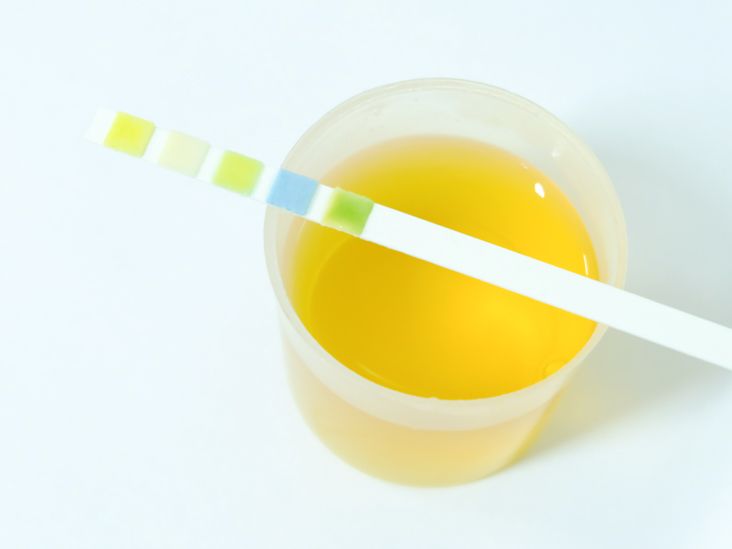
A urine osmolality test measures the concentration of particles dissolved in your urine. The higher the
osmolality, the more “stuff” is packed into each kilogram of water in the sample. The lower the osmolality, the more your
urine resembles “lightly flavored water” (sorry).
Osmolality is reported as mOsm/kg (milliosmoles per kilogram). Unlike some other urine tests,
osmolality focuses on particle concentration rather than color, bubbles, or vibes.
Osmolality vs. “Is My Urine Dark?”
Dark urine can happen for plenty of reasons (dehydration, vitamins, foods, some medications). Osmolality gives clinicians a
more reliable, numeric look at whether your kidneys are concentrating urine appropriately for your situation.
Why Your Clinician Might Order One
Urine osmolality is often ordered to evaluate hydration status, fluid balance, and how well
your kidneys can concentrate or dilute urine. It’s also frequently paired with serum osmolality and electrolytes,
because the “urine story” makes more sense next to the “blood story.”
Common reasons include
- Unexplained frequent urination (or unusually low urine output)
- Dehydration or suspected overhydration
- High or low blood sodium (hyponatremia or hypernatremia workups)
- Suspected diabetes insipidus (a water-balance disorder, not the “blood sugar” diabetes)
- Possible SIADH (syndrome of inappropriate antidiuretic hormone secretion)
- Kidney disease or concerns about kidney concentrating ability
- Severe vomiting/diarrhea or other causes of major fluid shifts
Think of it this way: when your body needs to conserve water, your kidneys should concentrate urine. When your body has
plenty of water, your kidneys should dilute it. If the urine concentration doesn’t match the situation, clinicians start
asking “why.”
How Your Kidneys Use Osmolality (A Quick, Non-Boring Tour)
Your body tries to keep blood osmolality within a fairly tight range. When the blood becomes more concentrated,
hormones like ADH (antidiuretic hormone) signal the kidneys to hold onto water. Result: more concentrated urine.
When blood becomes more diluted, ADH drops, and the kidneys let more water go. Result: more diluted urine.
This dance is why urine osmolality can be helpful in sorting out problems involving ADH, kidneys, heart/liver issues,
dehydration, and certain electrolyte imbalances.
Preparation: How to Get Ready (Without Accidentally Sabotaging the Test)
Many urine osmolality tests require little to no special prep. But sometimes your clinician may ask for specific conditions
so results are easier to interpret.
Possible instructions you might get
- Fluid restriction for 12–14 hours before the test (in certain scenarios) to see how well your kidneys can concentrate urine.
- Medication pause for drugs that can affect resultsonly if your clinician instructs you to do so.
-
Tell your clinician if you recently had anesthesia, received IV contrast dye for imaging,
or use supplements/herbal products that might influence hydration or kidney handling.
Important: don’t stop prescribed medications on your own. The goal is a useful test, not an unexpected plot twist.
Procedure: How the Sample Is Collected
The urine osmolality test is typically done with a random urine sample, but in some cases it’s collected over
24 hours. The method depends on what your clinician is investigating.
Option 1: Clean-catch (midstream) urine sample
This is the most common approach. It helps reduce contamination from skin bacteria.
- Clean the genital area using provided wipes/solution.
- Start urinating into the toilet (this clears the urethra of contaminants).
- Without stopping the stream, collect urine midstream in the sterile cup.
- Finish urinating into the toilet, seal the cup, and return it as instructed.
If you’re collecting a sample for an infant, a urine-collection bag may be used. The theme here is “clean and contained,”
not “creative and experimental.”
Option 2: 24-hour urine collection
A 24-hour collection may be used when clinicians want a fuller picture across an entire day (because bodies love changing
their minds hour-to-hour).
- On the morning you start, urinate and discard that first specimen (note the time).
- Collect all urine for the next 24 hours in the provided container.
- Refrigerate or keep the container cool during collection, as instructed.
- At the same time the next morning, collect the final urine specimen and add it to the container.
- Return the collection promptly, following transport instructions.
Common mistakes with 24-hour collections: forgetting a sample, “rounding down” the time, or storing the container in a warm
place. Your lab wants accuracynot a scavenger hunt.
How the Lab Measures Osmolality (The Science Bit, But Make It Friendly)
Many labs measure urine osmolality using freezing point depression. Dissolved particles lower the freezing
point of water; the more particles, the bigger the drop. In other words, the lab is basically checking how much your urine
refuses to freeze like plain water. Science: petty, but effective.
Understanding Results: What the Numbers Mean
First, a key truth: there isn’t one “perfect” urine osmolality number for everyone, all the time. Osmolality naturally
changes based on fluid intake, diet, activity, and health. That’s why clinicians interpret your result alongside your
symptoms and other labs (like sodium, glucose, BUN/creatinine, and sometimes serum osmolality).
Typical reference ranges (general guidance)
- Random specimen: roughly 50 to 1200 mOsm/kg
- After fluid restriction (12–14 hours): often expected to be greater than ~850 mOsm/kg in many settings
- 24-hour urine: some labs cite around 300 to 900 mOsm/kg
Your lab report’s reference interval is the one your clinician will use. Also, “normal” is contextual: a value can be “in range”
but still inappropriate for your hydration state.
High urine osmolality: what it can suggest
High urine osmolality means concentrated urine. Depending on the situation, common explanations may include:
- Dehydration or fluid loss (your kidneys are conserving water)
- SIADH (inappropriately concentrated urine for the blood’s dilution state)
- Adrenal insufficiency (including Addison disease)
- Heart failure or shock states (complex fluid-handling signals)
- Glucose in the urine (which can pull water and increase solute load)
- High blood sodium situations where the body is trying to correct water balance
Low urine osmolality: what it can suggest
Low urine osmolality means dilute urine. Possible causes include:
- Drinking a lot of fluid (sometimes just “overhydration,” sometimes medical)
- Diabetes insipidus (problem with ADH production or kidney response)
- Kidney tubular injury (reduced ability to concentrate)
- Kidney failure (depending on the broader picture)
- Low blood sodium scenarios where urine concentration patterns help narrow causes
- Severe kidney infection (in certain contexts)
Patterns clinicians care about (with examples)
Numbers matter, but patterns matter more. Here are a few simplified examples of how clinicians think about urine osmolality:
-
Dehydrated person + low urine osmolality: This can be “inappropriately dilute” and may suggest a concentrating problem.
Example: If someone is clinically dehydrated and their urine osmolality is around 200 mOsm/kg, that’s often considered unexpectedly low. -
Low blood sodium + high urine osmolality: This may support conditions where the body is holding onto water (SIADH is one consideration),
but interpretation also needs urine sodium and the overall clinical picture. -
Excessive thirst/urination + persistently dilute urine: Raises suspicion for diabetes insipidus or primary polydipsia,
leading to follow-up testing.
Clinicians may also compare urine osmolality to serum osmolality (sometimes as a ratio) to understand whether urine concentration
fits the body’s needs at that moment.
Urine Osmolality vs. Urine Specific Gravity
Both tests estimate how concentrated urine is, but they do it differently:
-
Urine specific gravity measures density relative to water. It’s quick and common (often via dipstick),
but can be influenced by certain substances. -
Urine osmolality directly reflects the number of dissolved particles and is often considered more precise
for evaluating kidney concentrating/diluting ability.
In many workups, osmolality is preferred when clinicians need a more accurate read on water handling and solute concentration.
What Happens After the Test?
If your result raises questions, clinicians may order related labsoften as a “bundle” to make the interpretation meaningful.
Common add-ons include:
- Serum osmolality
- Urine sodium (especially in hyponatremia evaluation)
- Blood sodium, potassium, glucose, BUN/creatinine
- Additional hormone testing (in select cases involving ADH-related disorders)
- Specialized testing (like structured water-deprivation testing) when diabetes insipidus is being evaluated
The urine osmolality test is incredibly usefulbut it’s rarely a standalone diagnosis. It’s a clue, not the entire mystery novel.
Frequently Asked Questions
Does a urine osmolality test hurt?
No. It’s regular urination into a cup (or a collection container). The most uncomfortable part is usually trying to aim while
following instructions like you’re disarming a tiny lab device.
How long does it take to get results?
Many labs can run it quickly, but turnaround varies by facility and whether other tests are bundled. Your clinician’s office
can tell you what’s typical in your area.
Can I drink water before the test?
Unless you’re specifically told to restrict fluids, most people can follow normal hydration. If you’re instructed to limit
fluids, follow that guidance carefully so the result answers the right question.
What can affect results besides hydration?
Diet (especially high protein), certain medications, recent contrast dye for imaging, and other medical factors can influence
osmolality. Always share a full medication/supplement list with your clinician.
Experiences That Feel Very Real (Because They Are, Just Not Always Talked About)
Let’s be honest: no one daydreams about a urine osmolality test. People don’t scrapbook the memory. But the experience can be
smootherand less awkwardwhen you know what to expect. Here are the “human” parts that patients commonly run into, plus a few
sanity-saving tips.
1) The clean-catch learning curve is real. Even though the steps are simple, the moment you’re holding a sterile
cup and reading instructions like a NASA checklist, you may suddenly forget how to pee normally. Many people describe it as
trying to perform a totally natural bodily function while also doing a careful choreography: clean, start, stop thinking,
midstream capture, don’t touch the inside of the cup, don’t spill, don’t panic. The best tip? Read the steps once before you
begin, then commit. Overthinking is the enemy of aim.
2) Fluid restriction can feel like a miniature desert documentary. If your clinician asks you to limit fluids
for 12–14 hours, you might notice how many everyday habits involve sipping somethingwater, tea, sparkling water, “just a little
coffee.” People often say the toughest part is not the thirst itself but the reflex. You open the fridge on autopilot.
You stare at a glass like it’s a romantic interest. If you’re restricted, plan ahead: brush your teeth early, avoid salty foods,
and keep yourself busy (quiet activities helpintense workouts and dehydration do not).
3) 24-hour collection is a logistics test disguised as a lab test. If you’re doing the 24-hour version, people
commonly report that the hardest part is remembering every single time. The second-hardest part is figuring out where to store
the container. (Yes, you may have to refrigerate it. Yes, that feels weird. No, you’re not the first person to wonder if it’s
“allowed.”) Practical tips patients swear by: set phone alarms, keep the container in a consistent spot, and ask the lab for
clear written instructions. Also: if you miss a collection, tell the lab/cliniciandon’t try to “make up” a missing sample
with optimism.
4) The results can be surprisingly comforting. A lot of people go into this test worried they’re “doing something wrong”
because they’re peeing too much or too little. Seeing a number (and having someone explain it) can take the mystery out of it.
For example, someone who drinks tons of water all day may finally understand why their urine is consistently dilute. Another
person might realize their body is concentrating urine appropriately, suggesting the issue lies elsewhere. Even when results
are abnormal, having a clear clue can be a step toward reliefbecause vague symptoms are stressful, and clarity is calming.
5) The follow-up is where the story usually gets solved. Many patients describe the urine osmolality test as the
“first domino.” If it’s paired with blood sodium, serum osmolality, urine sodium, and kidney function tests, the picture becomes
much clearer. People often feel frustrated when they hear, “We need a few more labs,” but that’s usually how clinicians separate
look-alike conditions. The experience of getting answers tends to be incremental: clue, context, confirmation. If you can,
ask your clinician what pattern they’re evaluating (hydration issue? ADH issue? kidney concentrating issue?). Understanding the
why makes the process feel less like random testing and more like a plan.
Bottom line: the experience is mostly quick, occasionally inconvenient, and often genuinely useful. Your kidneys have been
quietly doing their job your entire lifethis test is just a snapshot of how they’re handling the water-and-solute balancing act
right now. And if you can master the clean-catch without spilling, congratulations: you’ve earned an honorary degree in
“adulting under pressure.”
Conclusion
The urine osmolality test is a straightforward way to measure how concentrated your urine is and how effectively
your kidneys are managing water and dissolved particles. It’s commonly used to evaluate fluid balance, investigate abnormal
urination patterns, and support the workup of conditions like dehydration, SIADH, and diabetes insipidus. The most important
takeaway: the number only becomes meaningful when matched with your symptoms, hydration state, and companion labs such as
serum osmolality and electrolytes.