Some pendant lamps brighten a room. Others make a room feel as if it has suddenly gotten a better personality. A Norwegian black pendant lamp belongs in the second category. It does not float into a space like a polite little ceiling accessory, quietly asking permission to exist. It arrives with mood, confidence, and the unmistakable energy of something that has spent a lot of time around pine forests, winter darkness, and design people who own very good wool coats.
The title “Until The Light Takes Us” sounds like a dramatic indie film, a black-metal album, or the sort of sentence someone whispers before turning on a lamp that costs more than their first sofa. In this case, it is a fitting way to describe a striking Norwegian pendant light associated with designer Øyvind Wyller and Magnor’s In Darkness lamp: a piece that takes the usual idea of Scandinavian lighting and gives it a darker, moodier, more cinematic twist.
And honestly, good for it. Scandinavian design is often described with words like airy, blond wood, clean, and minimal. All true. But that version only tells half the story. Nordic design is also about surviving long winters gracefully. It is about making darkness feel intentional instead of gloomy, and making light feel precious instead of taken for granted. A black pendant lamp from Norway captures that tension beautifully. It is restrained, practical, sculptural, and just a little brooding. In other words: very attractive.
The Lamp Behind the Dramatic Title
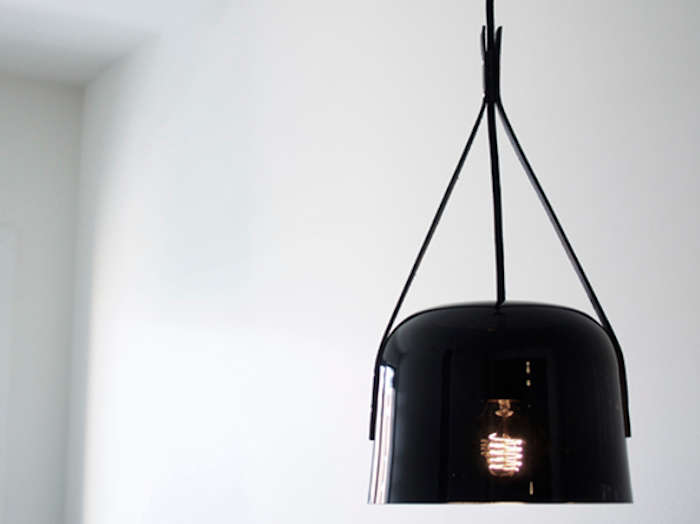
The specific object that inspired this title is not your average matte-black dome from a big-box lighting aisle. It is a pendant lamp defined by a dark hand-blown glass shade, black leather straps, and a glow that feels filtered rather than blasted into the room like a fluorescent interrogation scene. That combination matters. The glass brings softness. The leather introduces texture and craft. The darkness of the shade creates mood, but the light beneath it remains useful. It is not a decorative blackout curtain hanging from the ceiling. It is a working lamp with atmosphere.
That balance is what makes it memorable. A lot of dramatic lighting either leans too hard into sculpture and forgets the “light” part, or it becomes so practical that it might as well be wearing orthopedic shoes. This Norwegian pendant does neither. It sits in that sweet spot between art object and useful fixture, which is exactly where the best home lighting lives.
Its styling also feels distinctly Norwegian. There is an honesty to the materials, a reluctance to add unnecessary embellishment, and a willingness to let contrast do the heavy lifting. Black glass. Black leather. Bright bulb. Simple suspension. No frantic extra details. No decorative nonsense doing jazz hands in the background. Just a confident form doing exactly what it came to do.
Why a Norwegian Black Pendant Lamp Makes Perfect Sense
If you think a black pendant lamp sounds a bit intense, Norway would like a word. Scandinavian design developed in a region where long, dark winters shape how people think about interiors. When daylight is limited, light becomes emotional as much as functional. Rooms are designed not only to work well, but to feel calm, warm, and deeply livable. That is why Scandinavian style pairs minimalism with comfort instead of coldness.
So while outsiders often associate Nordic interiors with pale woods and white walls, darker accents make total sense within that world. A black pendant lamp acts like punctuation in a soft, quiet room. It grounds the space. It adds depth. It keeps a minimalist interior from drifting into visual sleepiness. Think of it as the espresso shot in a latte-colored room.
There is also something deeply satisfying about a fixture that reflects the Nordic relationship with light itself. A black shade intensifies the perceived glow beneath it. Instead of flooding every corner equally, it creates direction. Focus. Drama. Suddenly, the dining table matters more. The reading chair feels more intimate. The room develops zones instead of one flat layer of brightness. That is not gloom. That is design with a point of view.
What Makes This Kind of Pendant So Visually Powerful
1. The color black adds instant structure
Black has a neat little superpower in interiors: it creates definition. In a mostly neutral room, a black pendant lamp can act almost like an outline in a drawing, clarifying where the eye should go. It gives a ceiling plane more dimension and helps anchor furniture below. Over a dining table, it turns a functional setup into a composition.
That said, black must be handled with some finesse. Too much of it without contrast can flatten a room. That is why the best black lighting works with texture, reflection, and layered materials. Dark glass has more life than a dead-flat finish. Leather has warmth that keeps the piece from feeling sterile. The result is rich rather than harsh.
2. The materials keep the mood sophisticated
A pendant like this succeeds because it does not rely on color alone. The hand-crafted glass introduces variation. The leather suspension detail makes it feel tactile and human. Those touches matter in minimal interiors, where every element has to earn its place. When a room has fewer distractions, the materials had better be interesting. This lamp understands the assignment.
3. The light is diffused, not aggressive
One of the smartest things about a darker glass pendant is the way it softens the mood. The room gets a dimmer, more atmospheric quality, while the area below the fixture remains usable. That makes this style ideal for places where you want both beauty and function, such as a dining area, a breakfast nook, or a side table in a moody living room. It is the design equivalent of speaking in a calm, low voice and somehow still commanding the room.
Where a Black Pendant Lamp Works Best
Over a dining table
This is the most obvious placement, and also the best one. A pendant lamp over a dining table creates intimacy and visual focus. It gives the table its own zone, which matters in open-plan homes where dining spaces can otherwise look like they wandered in from another floor plan. A dark pendant is especially effective here because dining benefits from softer, more flattering light. Nobody wants to eat pasta under lighting that makes dinner feel like a tax audit.
As a rule of thumb, pendant fixtures are often hung about 30 to 36 inches above the tabletop. That height usually keeps the lamp visually connected to the table without blocking sightlines. For long rectangular tables, multiple pendants or a linear suspension can work beautifully, especially if you want rhythm rather than one giant focal point.
Above a kitchen island
A black pendant lamp can also look spectacular over an island, especially in kitchens that mix pale wood cabinetry, white walls, or warm stone surfaces. The contrast is immediate and elegant. Here, though, function matters even more. If the kitchen needs serious task lighting for chopping, cooking, and pretending to understand sourdough, the pendant should be part of a layered lighting scheme rather than the only source of illumination.
That is where ambient and task lighting come in. Recessed lights, under-cabinet lighting, and targeted illumination at the sink can handle the heavy lifting, while the pendant delivers mood and style. In other words, let the ceiling cans do the spreadsheets and let the pendant wear the fabulous coat.
In a living room or reading corner
This style of lamp can be unexpectedly strong in a living room, especially when suspended over a side table or placed above a conversation area. It turns a basic seating zone into a destination. If your room lacks architectural drama, the pendant can provide some. If your room already has drama, congratulations, now it has a co-star.
In a bedroom
For people who are tired of bedside lamps hogging tabletop space, a pendant can be a stylish alternative. A black glass pendant beside the bed feels moody, tailored, and a little luxurious. Pair it with soft bedding, light wood, and a restrained palette, and suddenly your bedroom looks like the kind of place people describe with phrases like “boutique hotel energy.”
How to Style It Without Turning Your Home Into a Villain Lair
The trick to styling a Norwegian black pendant lamp is contrast. Let it stand out against softer, quieter surfaces. Pale oak, ash, limestone, linen, plaster, and off-white walls all make excellent companions. They keep the fixture dramatic without making the room feel heavy. A dark lamp in a dark room can work, but it needs enough variation in finish and texture to stay legible.
Wood is especially important here. Scandinavian design often uses natural materials to soften minimalism, and a black pendant looks fantastic against warm wood tones. Leather dining chairs, woven stools, ceramic vases, wool throws, and matte painted surfaces all help support the lamp’s darker mood without competing with it.
Metal accents should be used with some restraint. Brass can warm things up. Blackened steel can sharpen the look. Chrome can push the room more modern. But the star of this show is the pendant itself, so the supporting cast should not audition for a spin-off.
Also consider bulb temperature. A fixture this moody deserves a warm bulb, generally in the soft-white range. Cool-toned light can make even beautiful design feel clinical. Warm light, by contrast, plays nicely with black glass, wood grain, and evening ambiance. It makes the pendant feel intentional rather than severe.
Is a Black Pendant Lamp Practical?
Yes, with a few caveats. Dark finishes can show dust more readily than lighter ones, and glass always appreciates a gentle cleaning routine if you want it to keep looking expensive. But from a design standpoint, black is surprisingly versatile. It works with Scandinavian interiors, modern rustic rooms, industrial spaces, minimalist apartments, and even more traditional homes that need one crisp contemporary note.
Scale matters, too. A sculptural black pendant can feel thrilling in a room with enough breathing space, but in a cramped area it may become visually bossy. Before choosing one, think about the room’s ceiling height, the table size, and how much visual weight already exists in the space. Pendant lighting should feel deliberate, not like a very stylish accident.
Fortunately, the best black pendants solve this through thoughtful proportion. They are substantial enough to register as design statements, yet simple enough not to overwhelm. That is the sweet spot. You want guests to say, “That lamp is amazing,” not, “Why does your ceiling look like it is plotting something?”
Why This Lamp Still Feels Fresh
Design trends come and go with astonishing confidence. One year everything is bouclé. The next year every chair looks like it was carved by a cloud. Through all that churn, a well-made pendant lamp with honest materials and a strong silhouette has staying power. The Norwegian black pendant lamp endures because it is not gimmicky. It is grounded in craftsmanship, proportion, and atmosphere.
More importantly, it taps into a broader shift in how people want their homes to feel. We are less interested in spaces that are merely bright and more interested in spaces that are layered, emotional, and personal. We want rooms with contrast. Rooms with shadows. Rooms that know how to be quiet. A moody black pendant fits that desire perfectly.
So yes, the name Until The Light Takes Us is dramatic. Happily, the lamp earns it. It captures something essential about Norwegian design: the idea that darkness is not the enemy of comfort. Sometimes it is the reason comfort matters in the first place. A great light fixture does not just illuminate a room. It changes how the room feels after sunset. This one does that with style, restraint, and just enough menace to stay interesting.
Experience Section: Living With a Norwegian Black Pendant Lamp
The first thing you notice when living with a lamp like this is that it changes the evening. Not the whole evening in some life-coach, “new you by Tuesday” way, but in a quieter, more convincing way. You walk into the room after sunset, switch it on, and the space suddenly develops a center of gravity. The table is no longer just a table. It becomes the place where the day winds down, where tea looks more intentional, where takeout somehow feels plated even when it absolutely is not.
Morning is different. In daylight, the lamp reads as a sculptural object. The dark glass has presence even when it is off, and the leather detail gives it a handmade, almost tailored quality. It does not disappear into the ceiling the way many fixtures do. It waits. That sounds overly poetic for a lamp, but good design often gets away with things ordinary objects cannot.
At dinner, the effect is strongest. The glow below the shade makes the surface of the table look richer. Wood grain appears deeper. Ceramic plates look better. Bread seems more deserving of butter. Conversations feel slightly more focused because the light pulls everyone inward. Even silence improves. A room lit well knows how to host silence without making it awkward.
There is also a strange comfort in the contrast. The lamp is black, but the feeling it creates is warm. That is the real trick. It looks dramatic from across the room, yet up close it feels intimate rather than cold. Guests usually notice it quickly, then ask where it is from, then spend a few seconds pretending they were not staring at the ceiling. It is a conversation starter, but not in an exhausting way. More “good taste with a pulse,” less “look what I imported from a design fair and now must explain for 20 minutes.”
In daily life, it encourages restraint. Once a lamp this strong is in the room, you stop feeling the need to overdecorate. Fewer objects are needed. Better objects make more sense. The room becomes calmer because the pendant is already doing enough. That may be its greatest luxury: not just that it looks beautiful, but that it makes everything around it work a little harder and clutter a little less.
And then there is winter. This is where the lamp finally shows off. On gray afternoons and dark evenings, when daylight leaves early and the room needs emotional support, a pendant like this makes total sense. It does not try to mimic daylight. It does something smarter. It accepts the darkness and responds with warmth, focus, and mood. That feels deeply Scandinavian, and deeply human, too.
Conclusion
A Norwegian black pendant lamp is more than a stylish ceiling fixture. It is a lesson in contrast, restraint, and atmosphere. It proves that Scandinavian design is not only about pale palettes and minimal furniture, but also about understanding how light behaves, how materials feel, and how a room should function after dark. The best version of this idea, embodied by the moody elegance of the In Darkness pendant, turns black glass and leather into something surprisingly warm, practical, and unforgettable.
Note: This article is formatted for direct web publishing and intentionally excludes raw source links and placeholder citation artifacts.