When your child catches a cold, the whole house somehow knows. The sniffles start. The tissues vanish. The couch becomes a recovery ward. And at some point, usually around 2:17 a.m., you find yourself wondering whether a runny nose really needs this much drama.
The good news is that most colds in children are mild and get better with time. The less-fun news is that kids get them a lot. Between school, daycare, playgrounds, and the universal toddler habit of touching absolutely everything, children can pick up several colds each year. That does not mean you are doing anything wrong. It means your child is, unfortunately, very good at being a child.
If you are looking for safe, practical ways to treat colds in children, this guide covers what actually helps, what is mostly hype, what to avoid, and when it is time to call the pediatrician. No magic potion here, just smart, evidence-based care for little humans with big sniffles.
What a Cold in Children Really Is
A common cold is a viral infection that affects the nose, throat, and upper airways. It is not caused by cold weather itself, and it is not something antibiotics can fix. Viruses are the culprits, which is why your child can feel miserable for a few days and then gradually improve without any prescription treatment.
Typical symptoms of a cold in children include:
- Runny or stuffy nose
- Sneezing
- Sore throat
- Mild cough
- Watery eyes
- Low-grade fever
- Reduced appetite
- Feeling tired, cranky, or clingy
One detail that worries many parents is mucus color. Clear mucus can turn white, yellow, or green after a couple of days, and that change alone does not mean your child needs antibiotics. It is a common part of how a cold progresses. In other words, green snot is not automatically a medical emergency. Sometimes it is just your child’s nose being unnecessarily theatrical.
The Goal of Treating Colds in Children
There is no cure for the common cold. The real goal is to help your child feel more comfortable while the illness runs its course. That means easing congestion, keeping them hydrated, calming a cough, improving sleep, and watching for signs that the illness is becoming something more serious.
For most children, treatment is all about supportive care. Think comfort, not combat. You are not “killing the cold.” You are helping your child ride it out with fewer tears, less coughing, and hopefully a little more sleep for everyone in the house.
What Actually Helps When a Child Has a Cold
1. Fluids, Fluids, and a Bit More Fluids
Hydration matters because fever, mouth breathing, and poor appetite can leave children dried out faster than parents expect. Offer water, milk, broth, popsicles, or warm soup depending on your child’s age and preferences. Small, frequent sips often work better than one heroic cup of water they refuse after a single dramatic sniff.
For babies, continue breast milk or formula. If congestion makes feeding harder, try clearing the nose before feeds. A stuffy baby often wants to eat but cannot figure out how to breathe and drink at the same time, which is a design flaw parents everywhere would like to formally report.
2. Saline Drops or Spray for a Stuffy Nose
Saline nasal drops or spray are simple, safe, and surprisingly effective. They help loosen thick mucus so it can drain more easily. For babies and toddlers who cannot blow their noses well, saline followed by gentle suction with a bulb syringe or nasal aspirator can make a big difference, especially before naps, bedtime, and feedings.
This is one of the best home treatments for colds in children because it addresses the symptom that causes many of the others. If your child can breathe through their nose, they are more likely to sleep, eat, and behave like themselves instead of a tiny, congested union organizer.
3. A Cool-Mist Humidifier
Dry air can make irritated nasal passages and throats feel worse. A cool-mist humidifier adds moisture to the air and may help children breathe more comfortably at night. Clean the machine exactly as directed so it does not become a science project with a power cord.
Choose cool mist rather than warm mist, especially around young children, because hot steam and hot water can cause burns. If you do not have a humidifier, spending a little time in a steamy bathroom may also help loosen secretions and calm coughing.
4. Honey for Coughs in Children Over Age 1
If your child is at least 1 year old, a small amount of honey may help reduce coughing, especially at night. It can soothe the throat and may improve sleep for both child and parent, which is the closest thing to a family wellness miracle during cold season.
Never give honey to babies under 1 year old because of the risk of infant botulism. For older children, you can offer a spoonful of honey or mix it into warm water or tea if age-appropriate.
5. Rest Without Turning the House into a Monastery
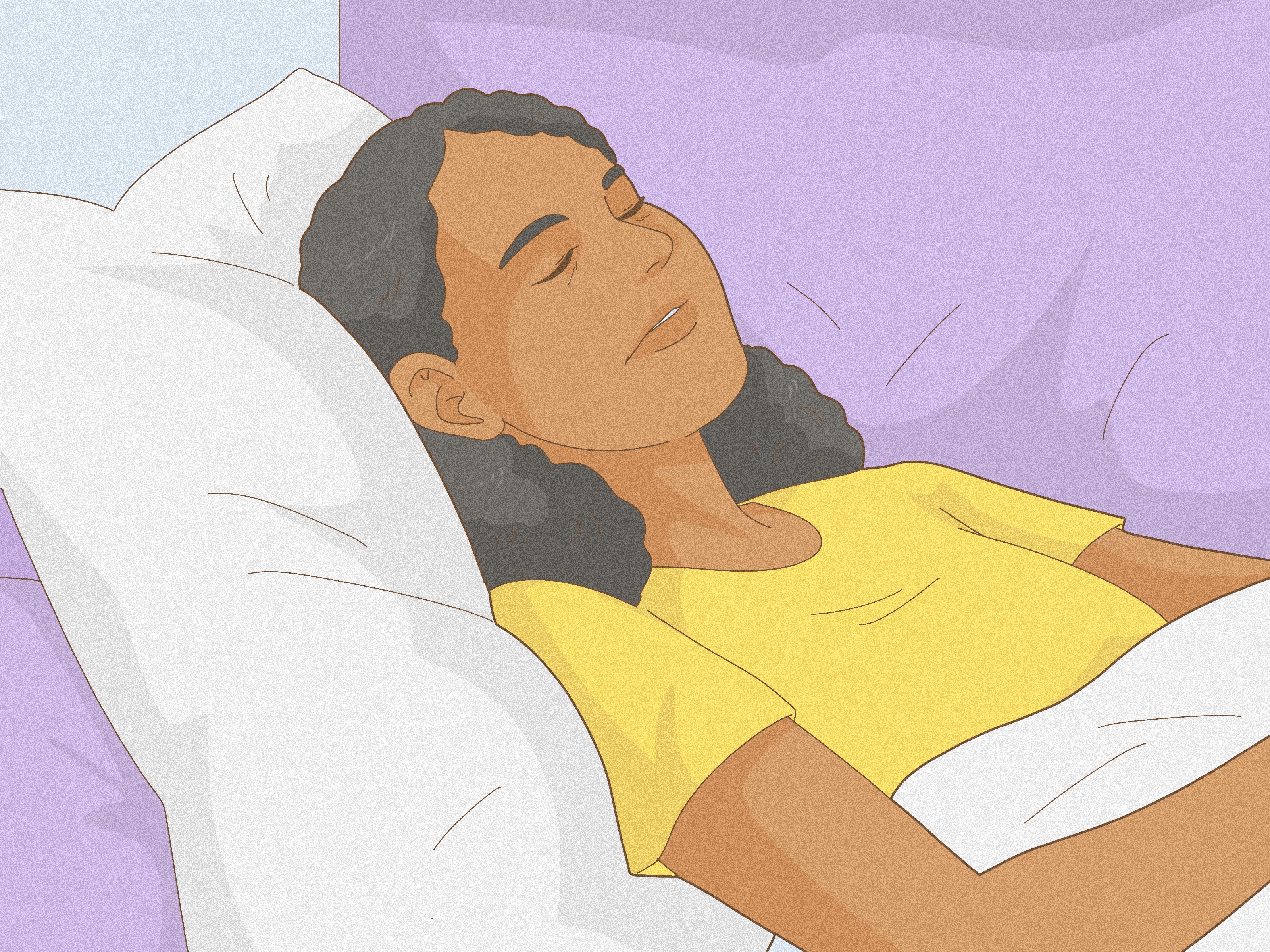
Children do need rest when they are sick, but that does not always mean they will quietly nap under a blanket while sipping soup like a movie character. Some children bounce around even when congested. That is okay. Let them take it easy, reduce demanding activities, and prioritize sleep, but do not panic if they are not lying still like a Victorian patient.
6. Fever and Pain Relief Used Correctly
If your child is uncomfortable, acetaminophen or ibuprofen may help with fever, sore throat, headache, and general misery. Follow the dosing instructions based on your child’s weight and age, and use a medicine with only one active ingredient when possible.
Important safety note: ibuprofen is generally not used in babies younger than 6 months unless a clinician advises it. Aspirin should not be given to children or teens because of the risk of Reye syndrome. When in doubt, call your pediatrician or pharmacist before giving medicine, especially to infants.
What Usually Does Not Help Much
Over-the-Counter Cough and Cold Medicines
This is where many parents understandably want a shortcut. Unfortunately, over-the-counter cough and cold medicines are not recommended for children under age 4, and experts urge caution even in older children. These products have not shown strong benefit in young kids and can cause serious side effects when misused.
For children ages 4 to 6, many pediatric sources recommend using cough and cold medicine only if a doctor specifically says to. For older children, always follow the package directions carefully and avoid combining multiple products that contain the same ingredients.
Antibiotics
Antibiotics do not treat viral colds. They work against bacterial infections, not the routine viruses behind most runny noses and coughs. Using antibiotics when they are not needed will not make a simple cold end faster, and it can contribute to side effects and antibiotic resistance.
If your child develops a bacterial complication such as an ear infection, sinus infection, or pneumonia, that is a different story. But for an ordinary cold, antibiotics are not the answer.
Supplements That Promise the Moon
Parents will find no shortage of supplements, syrups, gummies, and “immune boosters” marketed like they belong in a superhero origin story. The evidence for many of these products in children is limited or inconsistent. Some may not help at all, and others may not be appropriate for a child’s age or medical history.
If you are considering zinc, echinacea, or herbal remedies, check with your pediatrician first. “Natural” is not the same thing as “safe for every child.”
How Long Does a Cold Last in Children?
Many colds improve within about 7 to 10 days, although a cough can linger a bit longer. Nasal congestion and runny nose often peak early, then slowly ease. The trend matters more than the calendar. A child who is gradually improving is usually on the right track, even if the process feels slower than a Monday afternoon in a waiting room.
Call your child’s doctor if symptoms are getting worse instead of better, if the illness seems unusually severe, or if the cough drags on well beyond the expected window.
When to Call the Pediatrician
Most colds can be managed at home, but some symptoms deserve medical attention. Contact your pediatrician if your child has:
- A fever of 100.4°F (38°C) or higher and is younger than 3 months old
- Trouble breathing, fast breathing, wheezing, or working hard to breathe
- Signs of dehydration, such as very little urine, dry mouth, no tears, or refusing fluids
- Ear pain or drainage from the ear
- Severe sore throat, unusual sleepiness, or worsening irritability
- A fever that is very high, lasts several days, or returns after going away
- Symptoms that last more than 10 days without improvement
- A cough that is worsening or lasts for weeks
Seek urgent care right away if your child is struggling to breathe, looks blue around the lips, is hard to wake, or seems seriously ill. Parents know their child best. If something feels off, trust that instinct.
How to Help Prevent Future Colds
You cannot place your child in a bubble, tempting as that may be during peak cold season. But you can lower the odds of constant infections with a few basics:
- Teach frequent handwashing with soap and water
- Encourage coughing or sneezing into an elbow
- Avoid sharing cups, utensils, and towels
- Keep children away from secondhand smoke
- Clean high-touch surfaces during illness
- Keep sick children home when possible
- Stay current on recommended vaccines, including the flu vaccine
None of these steps is perfect on its own, but together they reduce spread. Cold prevention is less about one miracle trick and more about boring habits that turn out to be annoyingly effective.
Bottom Line: Treat the Child, Not Just the Cold
When treating colds in children, the smartest approach is usually the simplest one. Focus on comfort. Offer fluids. Use saline for congestion. Try a cool-mist humidifier. Use honey for children over 1. Give fever medicine carefully if your child is uncomfortable. Skip antibiotics unless a doctor says they are needed. And be cautious with over-the-counter cough and cold products.
The real art of cold care is not doing everything. It is doing the right things, safely, and knowing when a normal cold is no longer acting normal.
Common Caregiver Experiences with Treating Colds in Children
One of the most common experiences parents describe is the bedtime cold that seems manageable at 6 p.m. and dramatically worse by 11 p.m. During the day, a child may be stuffy but playful. At night, congestion ramps up, the cough gets louder, and suddenly everyone in the house is negotiating with a humidifier. This is a classic cold-care moment. The nose gets more blocked when kids lie flat, so saline and gentle suction before bed often become the MVPs of the evening.
Another familiar experience is the appetite crash. A child who normally treats snacks like a competitive sport may suddenly reject everything except applesauce, toast, and maybe half a popsicle. That can be stressful for caregivers, but short-term reduced appetite is common during a cold. Most parents learn that hydration matters more than winning the dinner battle for a day or two. When the child starts asking for food again, that is often one of the first signs the worst of the cold is passing.
Many families also notice that younger children do not really know how to “rest” when sick. Some melt into a blanket nest and watch cartoons with glassy eyes. Others sprint through the living room, cough dramatically, and then ask for crackers as if nothing happened. Parents quickly figure out that energy level alone does not tell the whole story. A child can have enough energy to play a little and still benefit from extra sleep, fluids, and a lighter schedule.
Then there is the cough question. Parents often say the cough is the symptom that makes them the most anxious, especially when it hangs around after the runny nose improves. A lingering cough can sound awful even when a child is otherwise recovering well. That is one reason honey for children over 1, warm fluids, and moist air become popular home routines. These steps do not make the virus disappear, but they can make the cough less irritating and help both child and parent get more sleep.
A very real experience for many caregivers is learning what not to do. Plenty of parents admit that before they spoke with a pediatrician, they assumed antibiotics, adult cold medicine in tiny amounts, or a cabinet full of “multi-symptom” products might help. Over time, they learn that the safest plan is often less flashy: one-ingredient fever medicine if needed, no aspirin, cautious use of anything over the counter, and a call to the doctor when symptoms cross from “ordinary cold” into “something is not right.”
Caregivers also talk about the emotional side of treating colds in children. A sick child may become clingier, fussier, or more wakeful. Parents may feel helpless because there is no instant fix. But in many cases, children improve with the small, repetitive acts of care that seem almost too simple to matter: wiping a nose, offering a drink, changing the pillowcase, sitting nearby during a coughing spell, and checking the temperature for the fourth time because peace of mind counts too.
Perhaps the most universal experience is that parents become surprisingly skilled over time. After a few rounds of cold season, many can spot the difference between a routine sniffle and a child who needs to be seen. They learn which cup a sick child will actually drink from, how much saline the toddler will tolerate, and the exact point where “just a little congested” becomes “nobody in this room is sleeping until we clear that nose.” It is not glamorous expertise, but it is expertise all the same.
And that may be the hidden truth about treating colds in children: families get through them not with perfection, but with calm, consistency, and a little humor. Because sometimes the best treatment plan is good information, a steady hand, and the ability to function on less sleep than any adult should ever be asked to tolerate.