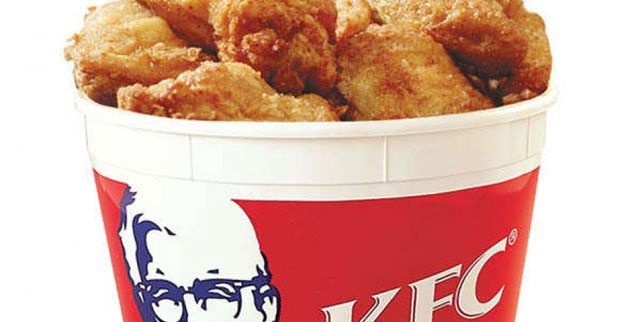
Some recipes are called “secret” because they are guarded by giant restaurant chains, handwritten on suspiciously greasy index cards, or passed down by an aunt who says, “I’ll tell you when you’re older.” Others are only secret because nobody bothered to notice the tiny details that make them taste incredible.
This guide unlocks ten copycat-inspired comfort-food recipes that capture the flavors people crave: crisp chicken, saucy burgers, creamy pasta, fluffy cinnamon rolls, cheesy soup, and more. These are not claimed to be official restaurant formulas. They are homemade versions built around smart techniques, balanced seasoning, and the glorious truth that extra butter is occasionally a personality trait.
Note: These recipes are independently created, restaurant-inspired home recipes. Brand names are mentioned only as familiar flavor references, not as endorsements or official partnerships.
What Makes a Recipe Feel “Secret”?
The best secret recipes are rarely about one mysterious ingredient. More often, they rely on layers: a tangy brine before frying, a pinch of acid in a creamy sauce, a little starch for crunch, or an overnight rest that makes dough taste less like flour and more like destiny.
Restaurant-style food also depends on contrast. Think crispy chicken with soft buns, salty fries with tangy sauce, sweet cinnamon filling with cream cheese frosting, or sharp Cheddar softened by silky soup. Once you understand those flavor balances, you can create meals that feel familiar without needing a vault, a spy movie soundtrack, or a retired executive in sunglasses.
Top 10 Secret Recipes to Make at Home
1. Crispy Pickle-Brined Chicken Sandwich
This copycat-style chicken sandwich gets its personality from a short pickle-brine soak. The brine adds salt, tang, and enough flavor to keep the chicken interesting even before it hits the breading.
What you need: Boneless chicken thighs or breasts, dill pickle brine, buttermilk, all-purpose flour, cornstarch, paprika, garlic powder, black pepper, cayenne, oil for frying, brioche buns, butter, and dill pickle chips.
The secret move: Soak the chicken in pickle brine for 30 to 45 minutes, then dip it in buttermilk before dredging it in flour mixed with cornstarch and seasonings. The cornstarch helps create a lighter, crunchier crust. Fry until deeply golden and fully cooked, then place the chicken on a butter-toasted bun with pickles. Simple? Yes. Boring? Absolutely not.
2. Double-Stack Smashburger With Tangy House Sauce
A great burger does not need a skyscraper of toppings. It needs hot metal, thin beef patties, sharp cheese, soft bread, and a sauce that makes you question whether you should keep a jar in your refrigerator at all times.
What you need: Ground beef with moderate fat, sliced American cheese, potato buns, finely diced onion, shredded lettuce, pickle chips, mayonnaise, yellow mustard, ketchup, sweet pickle relish, garlic powder, paprika, and black pepper.
The secret move: Form small loose beef balls instead of pre-shaped patties. Place them on a very hot skillet and smash hard with a sturdy spatula. Leave them alone long enough to develop a dark crust. Mix mayonnaise, mustard, ketchup, relish, paprika, garlic powder, and pepper for a creamy burger sauce with sweet, tangy, savory energy. Two thin patties are more exciting than one thick one because science has apparently decided crispy beef edges are happiness.
3. Double-Fried Crispy French Fries
Restaurant fries are rarely magical because of one seasoning. Their real superpower is texture: a crisp exterior, a fluffy center, and enough salt to make you temporarily forget every healthy decision you made that morning.
What you need: Russet potatoes, white vinegar, salt, neutral frying oil, and optional garlic powder or smoked paprika.
The secret move: Cut the potatoes into even sticks and rinse away excess surface starch. Simmer them gently in water with a splash of vinegar until just tender, then dry them completely. Fry once at a lower temperature to cook the centers, cool them, and fry again at a higher temperature until golden and crisp. Season immediately. The double fry may sound dramatic, but fries deserve drama.
4. Creamy Garlic Parmesan Alfredo Pasta
Homemade Alfredo sauce can be richer, smoother, and more flavorful than many restaurant versions because you control the cheese, the garlic, and the amount of sauce that ends up coating your shirt.
What you need: Fettuccine, unsalted butter, minced garlic, heavy cream, freshly grated Parmesan, Pecorino Romano, black pepper, a tiny pinch of nutmeg, and reserved pasta water.
The secret move: Melt butter and gently cook the garlic until fragrant, not brown. Add cream and let it simmer briefly, then whisk in freshly grated cheese off lower heat. Toss the pasta directly in the skillet with splashes of pasta water until the sauce turns glossy and clings to every strand. Pre-shredded cheese can make sauces grainy, so grate your own when possible. Your wrists may complain, but your pasta will applaud.
5. Crispy-Edge Pan Pizza
Pan pizza has one mission: create a crust so crunchy around the edges that you briefly stop caring what toppings are on it. Luckily, the secret is less complicated than it looks.
What you need: Bread flour, water, instant yeast, salt, olive oil, shredded mozzarella, brick cheese or low-moisture mozzarella, tomato sauce, oregano, and your favorite toppings.
The secret move: Make a wetter dough than you might expect and let it rest in the refrigerator overnight. The slow rest develops flavor and gives the dough a better chew. Oil a cast-iron skillet or metal pan generously, press in the dough, and place cheese all the way to the edge before adding sauce. That edge cheese caramelizes into a crispy, salty crust that is basically pizza jewelry.
6. Creamy Broccoli Cheddar Soup
Broccoli Cheddar soup is one of those recipes that somehow makes vegetables feel like a warm blanket. The trick is building creaminess without turning the bowl into melted cheese with emotional baggage.
What you need: Broccoli florets and stems, carrot, onion, garlic, butter, flour, chicken or vegetable broth, milk, sharp Cheddar, a small potato, Dijon mustard, and black pepper.
The secret move: Cook the broccoli stems, onion, carrot, and potato until tender, then blend part of the mixture for body. Add small broccoli florets later so the soup still has texture. Stir in freshly shredded sharp Cheddar at the end over low heat. A small spoonful of Dijon adds depth without shouting, “Hello, I am mustard and I have entered the soup.”
7. Velvety Cottage Cheese Egg Bites
Egg bites are the ideal breakfast for people who want something warm, protein-packed, and portable enough to eat while pretending they are not late.
What you need: Eggs, cottage cheese, shredded Gruyère or Monterey Jack, cooked bacon or sautéed spinach, salt, pepper, and optional roasted red peppers.
The secret move: Blend the eggs and cottage cheese until completely smooth before adding fillings. The cottage cheese creates a soft, custardy texture without making the bites taste like a health lecture. Pour the mixture into a greased silicone muffin mold, place it in a water bath, and bake gently until just set. The low, moist heat keeps the egg bites tender instead of rubbery.
8. Pillow-Soft Cinnamon Rolls
Cinnamon rolls should be tender enough to pull apart with your fingers and sticky enough to justify keeping napkins nearby. The best versions stay soft after cooling, which is where one old-school baking trick comes in handy.
What you need: Flour, milk, yeast, sugar, butter, eggs, cinnamon, brown sugar, cream cheese, powdered sugar, vanilla, and salt.
The secret move: Make a quick tangzhong by cooking a small amount of flour with milk until it becomes a thick paste. Add it to the dough for cinnamon rolls that stay softer longer. Fill the dough generously with butter, brown sugar, and cinnamon, then cut the rolls with unflavored dental floss for neat spirals. Finish with cream cheese frosting while the rolls are still slightly warm. This is not subtle food. It is breakfast wearing a velvet cape.
9. Sticky-Sweet Orange Chicken
This orange chicken recipe is built for people who love crispy chicken but do not enjoy waiting for delivery while staring at a food-tracking map like it is a military operation.
What you need: Boneless chicken thighs, cornstarch, flour, egg, orange juice, orange zest, soy sauce, rice vinegar, brown sugar, garlic, ginger, red pepper flakes, and green onions.
The secret move: Coat small chicken pieces in a mixture of cornstarch and flour for a thin crisp shell. Fry the chicken separately from the sauce. In another pan, simmer orange juice, zest, soy sauce, vinegar, brown sugar, garlic, ginger, and red pepper flakes until glossy. Toss the chicken in the sauce only at the last minute so it stays crunchy instead of becoming a sad orange sponge.
10. Shatter-Crust Apple Hand Pies
Apple hand pies are portable, nostalgic, and dangerous because it is very easy to convince yourself that one small pie is not really dessert. Then you eat three. This is a judgment-free zone.
What you need: Pie dough, tart apples, brown sugar, granulated sugar, cinnamon, lemon juice, cornstarch, butter, egg wash, and coarse sugar.
The secret move: Dice the apples small so the filling cooks quickly and stays inside the pastry. Cook the apples briefly with butter, sugar, cinnamon, lemon juice, and cornstarch until thickened, then cool before filling the dough. Seal the edges firmly, cut a few steam vents, brush with egg wash, and bake until deeply golden. For an extra-crisp finish, dust with coarse sugar before baking.
How to Make Copycat Recipes Taste Better Than the Original
The goal is not to make food identical down to the last breadcrumb. It is to recreate the memory: the crunch, the creamy sauce, the warm smell of cinnamon, or the salty fries that somehow disappear before the main meal arrives.
Use fresh ingredients where they matter most. Freshly grated cheese melts better than bagged cheese. Fresh garlic has more aroma than garlic powder. Real citrus zest gives sauces a brighter flavor than bottled juice alone. Good bread can make an ordinary sandwich feel restaurant-worthy, while bad bread can turn a beautiful chicken cutlet into a very expensive-looking disappointment.
Do not skip rest time. Dough improves with patience. Fried foods stay crisper when served immediately. Sauces often taste better after sitting for a few minutes. And soups almost always become more flavorful the next day, assuming nobody raids the refrigerator at midnight with a spoon.
Experiences: What Cooking Secret Recipes at Home Teaches You
Making secret recipes at home is more than an attempt to dodge a drive-thru line. It becomes a small kitchen experiment, a family activity, and occasionally a comedy show starring one person who thought they could flip a burger with a fork.
The first experience most home cooks notice is that restaurant food is often less mysterious than it seems. A crispy chicken sandwich may look impossible until you realize it is built from a few familiar elements: seasoned chicken, flour, oil, a soft bun, pickles, and timing. The “secret” is not a hidden laboratory ingredient. It is the order in which things happen. Brine first. Bread carefully. Fry at the right temperature. Toast the bun. Assemble immediately. Suddenly, dinner feels less like a mystery and more like a delicious engineering project.
There is also a strange kind of confidence that comes from making a successful copycat recipe. The first time you pull a pan pizza from the oven and hear the cheese crackle around the edges, you may feel like you should receive a tiny chef’s hat in the mail. When your cinnamon rolls stay soft the next morning, you begin wondering what other baked goods you can improve with a little technique and reckless optimism.
Cooking these recipes can also create useful family traditions. One household might turn Friday into burger night, with everyone choosing their own toppings. Another might make egg bites on Sunday for easy weekday breakfasts. A group of friends may gather for a “copycat taste test,” where everyone brings a homemade version of a favorite takeout item. This is especially fun because somebody will inevitably create a dish that looks suspicious but tastes amazing, while someone else produces a beautiful plate that somehow contains too much cinnamon. Both deserve applause.
Secret recipes are also perfect for learning how personal taste works. Maybe you prefer extra pickles on chicken sandwiches. Maybe your Alfredo needs more black pepper. Maybe your orange chicken should be less sweet and more spicy. At home, you can adjust everything without worrying that a cashier will quietly judge your request for “a little more sauce, but not too much sauce, except actually yes, a lot of sauce.”
The best part is that these recipes encourage curiosity. Once you learn how a creamy sauce comes together, you can create new versions with roasted garlic, herbs, mushrooms, or lemon. Once you understand double-fried potatoes, you can try sweet potatoes, wedges, or seasoned curly fries. Once you master soft yeast dough, cinnamon rolls can become orange rolls, chocolate rolls, or savory cheese-and-herb spirals.
In the end, the real secret is not the exact ingredient list. It is paying attention. Taste as you cook. Notice texture. Adjust seasoning. Serve food while it is at its best. And remember that a meal made at home does not need to be perfect to become memorable. Sometimes the slightly crooked hand pie, the overstuffed burger, or the cinnamon roll that escaped its pan is the one everyone talks about later.
Conclusion
These top 10 secret recipes prove that restaurant-style comfort food can be recreated at home with ordinary ingredients and a few smart techniques. Whether you are craving a crispy chicken sandwich, creamy Alfredo, fluffy cinnamon rolls, or glossy orange chicken, the key is to focus on texture, seasoning, timing, and contrast. Make the recipes your own, keep the best tricks, and do not be surprised when your kitchen suddenly becomes the most popular restaurant in the house.