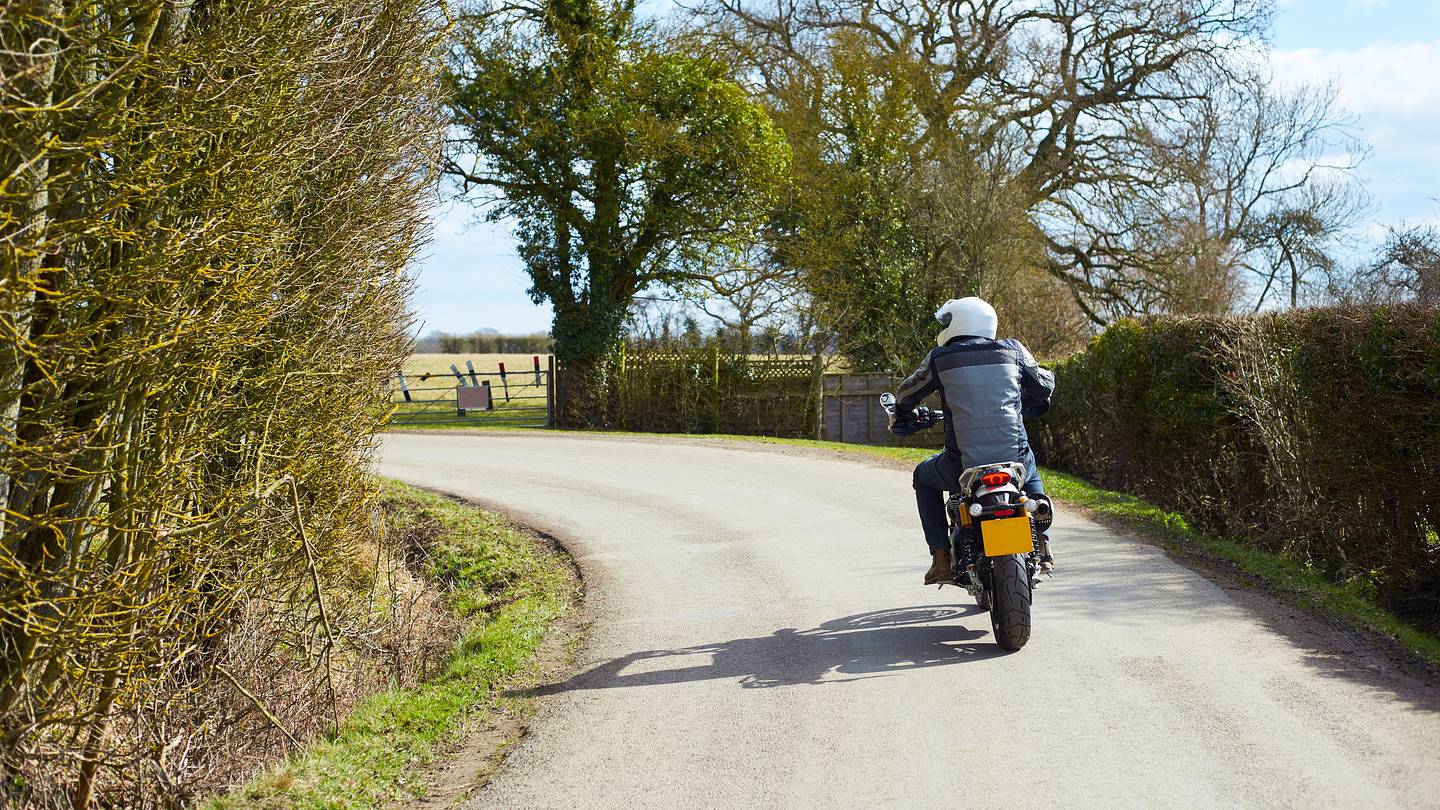
There are few motorcycle accessories that scream “totally normal, nothing suspicious happening here” less convincingly than a flipped license plate. It is the two-wheeled equivalent of wearing sunglasses indoors and pretending that makes you invisible. To the rider using it, a plate flipper may feel clever, rebellious, or just plain practical. To everyone else, including cops, toll agencies, and the unlucky person trying to identify a reckless rider after a close call, it looks exactly like what it is: a way to dodge accountability.
That does not mean every rider with a weirdly angled rear tag is a criminal mastermind in a leather jacket. Some bikes are modified with tail tidies, custom fenders, or brackets that push legality right up to the edge. But when a rider deliberately flips, folds, hides, or obscures a license plate, the reasons are usually not mysterious. They tend to fall into a few familiar buckets, and none of them are as cool as the person doing it probably imagines.
This article breaks down the three sneaky reasons why motorcyclists flip their license plates, why the trick keeps showing up in traffic enforcement stories, and why it is usually a very bad trade: a tiny moment of anonymity in exchange for a giant invitation to legal trouble.
Why Plate Flipping Gets So Much Attention
Motorcycles already occupy a strange space in traffic enforcement. They are smaller than cars, harder to see, quicker to accelerate, and often carry only a rear plate. That means the license plate does a lot of heavy lifting. It is the simplest way for toll systems, traffic cameras, witnesses, and police to connect a machine on the road to a registered owner.
So when that one identifying marker suddenly disappears, folds upward, or points at the moon like it has developed stage fright, people notice. Lawmakers notice. Toll authorities notice. Police definitely notice. And honest riders notice too, because the behavior reflects badly on everyone sharing the lane.
The truth is less glamorous than riders with secret-agent fantasies might hope. Most plate flipping is not about freedom. It is about avoiding consequences. More specifically, it is about avoiding three kinds of consequences.
1. They Want To Dodge Tolls, Speed Cameras, and Red-Light Tickets
This is the biggest reason, and also the least surprising. Modern roads are packed with systems that rely on clear, readable license plates. Cashless tolling gantries photograph plates. Speed cameras capture plates. Red-light systems capture plates. If the plate cannot be read, the machine has a much harder time turning a bad decision into a bill.
That is the whole appeal. A rider blasts through a toll point, zips past a camera, or flies through an intersection, and the plate is hidden for just long enough to turn “citation issued” into “good luck proving it.” In that moment, a flipper feels like a magic trick. Not a classy Vegas magic trick, though. More like a backyard trick where the rabbit is actually a misdemeanor.
Why This Tempts Riders
Motorcyclists often know their machines occupy gaps in enforcement systems. A bike is narrower, faster off the line, and easier to lose visually in traffic than a sedan. Some riders figure that if the plate is unreadable for even a second or two, that is enough to beat the camera. Add a bit of overconfidence, a bit of internet bravado, and the usual “I’m only doing it sometimes” logic, and the temptation writes itself.
There is also a psychological trick at work. Toll evasion and camera avoidance feel victimless to the person doing it. No face-to-face confrontation. No flashing red lights in the mirror. No officer leaning down to the helmet visor with that unmistakable look of disappointment. It can feel less like breaking the law and more like gaming a system. That is exactly why some riders convince themselves it is harmless.
But the “victimless” story falls apart fast. Unpaid tolls do not vanish into the sky. Lost revenue gets pushed onto other drivers, agencies, and infrastructure budgets. Camera enforcement loses effectiveness when repeat offenders deliberately hide from it. And once a rider is caught, the original toll or ticket may be the least expensive part of the problem.
The Bad Bargain
What makes this reason especially sneaky is how small the short-term reward can be. A few skipped tolls. One avoided ticket. Maybe two. In exchange, the rider risks plate-obstruction charges, toll-evasion penalties, equipment violations, registration problems, and in some places even harsher consequences for possessing or using a device designed to hide a tag.
In other words, it is a remarkably inefficient crime. It is like robbing a vending machine and then leaving your résumé at the scene.
2. They Want To Make Reckless Riding and Identification Harder
The second reason is less about saving money and more about creating distance between the rider and the behavior. Plate flipping is attractive to people who know they are about to ride like an absolute menace. That can mean high-speed runs, aggressive weaving, stunt riding, street takeovers, illegal racing, or fleeing after a dangerous maneuver. The plate is the first thing a witness, camera, or officer tries to capture. Remove that, and the rider hopes the rest of the details blur together.
That logic explains why flipped or obscured plates come up so often in discussions about reckless riding. If a bike tears down the road on one wheel, threads through traffic, clips a mirror, or disappears after a near-collision, a readable plate can turn a scary story into an actionable report. A hidden one turns the whole incident into “black sport bike, maybe,” which is not exactly detective gold.
The Hit-and-Run Problem
This is where the issue stops being merely obnoxious and starts becoming dangerous. When a plate is unreadable, it is harder for victims and witnesses to identify the vehicle after a crash or a hit-and-run. That matters even if the rider did not set out to cause harm. A person who first flips a plate to dodge one speeding ticket may later discover that same hidden tag becomes a major problem after a panic stop, a sideswipe, or a collision at an intersection.
And despite what some riders imagine, the plate is not the only clue investigators use. Cameras capture body position, helmet color, decals, fairings, damage patterns, routes, time stamps, and travel direction. Automated license plate reader networks and standard surveillance tools are not helpless just because a rider decided to play peekaboo with the rear tag. In some cases, a hidden plate draws even more scrutiny because it signals intent.
The Irony Nobody Mentions
Here is the funny part: a flipped plate often makes a rider more memorable, not less. A motorcycle with a strangely mounted, obviously obscured, or mechanically altered plate has “pull me over” energy. It is not subtle. It is not slick. It is a giant blinking sign that says, “Please examine the rest of this bike and my decision-making while you’re at it.”
So while the rider thinks the flipped plate makes identification harder, it also increases the odds of attracting attention before anything else even happens. That is not invisibility. That is pre-announcing the plot twist.
3. They Are Hiding Bigger Problems With the Bike or Registration
The third reason is the one riders tend not to brag about: sometimes the plate is flipped because the bike should not really be on the road in the first place. Maybe the registration is expired. Maybe the plate does not belong to that bike. Maybe the tag is altered, borrowed, fake, or connected to another problem the rider would prefer not to discuss in daylight.
This is why plate enforcement is not just about tolls and speeding. Readable plates also help police flag stolen vehicles, spot fictitious tags, and trace bikes connected to other offenses. Once that system is disrupted, a rider may gain a thin layer of anonymity, but law enforcement sees something more serious: a vehicle trying not to be identified at all.
From Minor Shortcut to Major Suspicion
Many riders probably start with a smaller motive. They remove a plate for a photo shoot. They tuck it under the tail for a cleaner look. They install a bracket that makes the bike look racier. Then they realize that the less visible the plate becomes, the more convenient that invisibility feels. Soon the aesthetic excuse turns into a practical one, and the practical one becomes a pattern.
That is how a cosmetic modification slides into suspicious territory. A cop may not know whether the rider is hiding toll violations, an expired registration, a fake tag, or a bike tied to a criminal investigation. But that uncertainty does not help the rider. It usually makes the stop more serious, not less.
And once investigators start looking, plate flipping rarely stays a stand-alone issue. It can open the door to extra citations, impoundment, registration headaches, court costs, and a closer look at whether the vehicle itself is lawfully equipped and lawfully operated.
Why This Trend Keeps Backfiring
For something marketed or discussed like a clever trick, plate flipping backfires with impressive consistency. It creates suspicion. It undermines any claim of innocent intent. It adds a visible sign of premeditation to whatever else the rider is doing. And it gives officers, courts, and agencies a nice neat argument that the rider was not merely unlucky; the rider was trying to avoid being identified.
That matters because intent changes how behavior is viewed. A speeding rider is one problem. A speeding rider using a mechanism to hide the bike’s identity looks like someone trying to defeat enforcement on purpose. That is a much worse story to explain in traffic court.
Even riders who are not doing anything else illegal often underestimate how much trouble an obscured plate can create. The excuse is usually something like, “I just wanted a cleaner tail section,” which sounds less convincing when the plate is folded up so high it is basically trying to inspect the taillight from underneath.
What Smart Riders Do Instead
Honest riders who care about style do what smart riders in every era have done: they work within the rules. They use legal brackets. They keep the tag visible. They replace bent or cracked mounts. They avoid tinted covers and gimmicky hardware. They make sure the plate is clean, upright enough to read, and illuminated when required.
That approach may not feel thrilling, but it has one major advantage over a flipper: it does not turn a routine ride into a rolling confession.
It also protects the reputation of motorcycling generally. Riders already deal with lazy stereotypes about speed, noise, and recklessness. Hidden plates feed those stereotypes on a silver platter. A visible, legal plate may not win any garage beauty contests, but it does signal something valuable: the rider is willing to own the machine and the choices made on it.
Final Thoughts
So why do motorcyclists flip their license plates? Usually for one of three reasons: to dodge tolls and traffic cameras, to make reckless riding harder to trace, or to hide bigger issues with the bike, the plate, or the registration. None of those reasons are noble. None of them are especially original. And none of them age well once a rider is stopped, photographed, or dragged into court explaining why the rear tag was suddenly practicing yoga.
The plate flipper fantasy depends on one big illusion: that hiding a little piece of metal somehow erases responsibility. In the real world, it usually does the opposite. It tells everyone watching that the rider expected trouble before the ride even started. That is not rebellious mystique. That is paperwork with extra steps.
Real-World Experiences Riders Keep Repeating
Talk to enough riders, officers, toll workers, and commuters, and you hear the same pattern over and over. The first version usually starts with a rider who swears the hidden plate is only for “special situations.” Maybe it flips up on highways with toll gantries. Maybe it gets tucked out of sight during a weekend blast with friends. Maybe it comes out only when the rider thinks traffic cameras are doing more work than actual human beings. In the rider’s mind, the device is temporary, controlled, and clever. In reality, that little habit changes how every other person on the road reads the bike. It stops looking customized and starts looking evasive.
Another common experience is the rider who treats the plate like part of the styling package. The bike has the tidy tail, the tiny signals, the loud pipe, the ultra-clean rear end, and then the plate gets pushed farther and farther from where a normal person would expect it to be. At first, the rider says it is just aesthetics. Then comes the traffic stop. Then comes the conversation about visibility. Then comes the realization that what looked sharp in the garage looked suspicious from fifty feet away. Plenty of riders learn the hard way that “custom” and “concealed” are not the same thing in the eyes of the law.
There is also the group-ride version of the story. One or two riders in the pack are behaving normally, one rider is pushing it, and another has the magical disappearing tag. Everyone thinks it is funny right up until there is a close call, a mirror gets clipped, or somebody blasts through a toll point and the cameras catch enough to trigger attention. Suddenly the whole ride feels less like a Sunday cruise and more like a police report waiting to happen. Nothing ruins biker camaraderie faster than discovering your riding buddy brought felony-adjacent energy to a coffee run.
Then there is the enforcement side. Officers and traffic investigators routinely treat obscured plates as a signal that the stop may reveal more than one problem. A hidden plate can mean unpaid tolls. It can mean a fake registration. It can mean the rider expects to run. It can mean nothing more than bad judgment, but even that is enough to invite a closer look. The practical experience, again and again, is that riders who hide plates do not create less hassle. They create more suspicion. And suspicion has a way of expanding the conversation.
Even the riders who “got away with it” for a while often describe the same ending: a growing pile of stress. They start checking mirrors more. They worry about cameras more. They avoid certain roads. They invent explanations in advance. What began as a shortcut turns into a weird little side job managing risk from a problem they created themselves. That is the least glamorous part of the whole thing. Flipping a plate is sold like freedom, but for many riders it becomes the opposite: one more thing to hide, one more thing to explain, and one more reason every ride feels a little less carefree than it should.