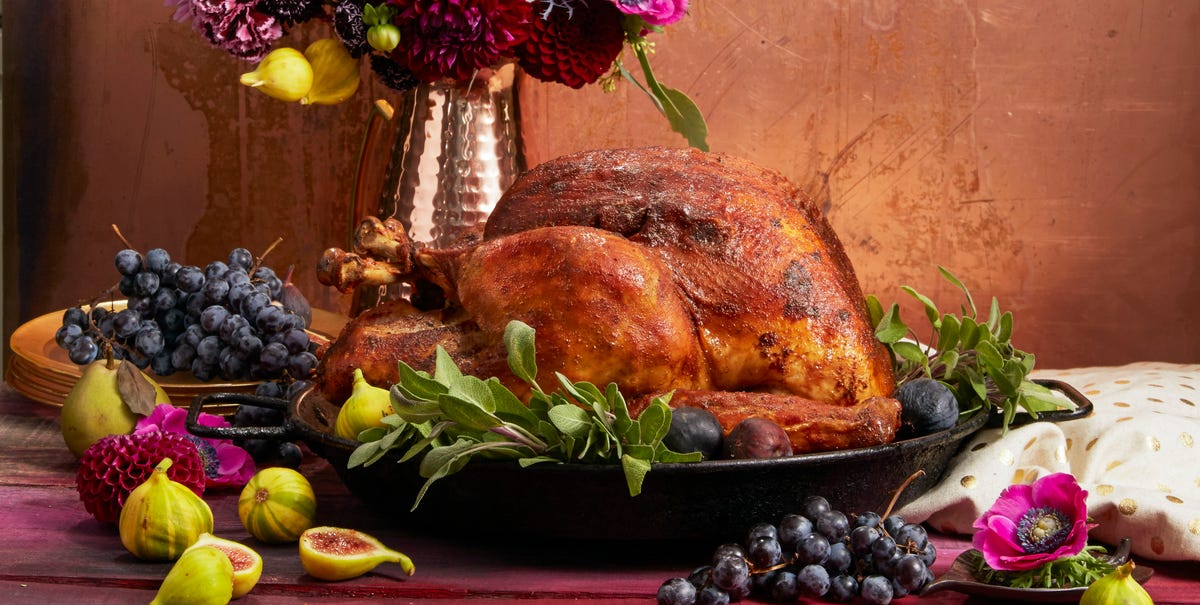
Turkey has a funny way of turning even confident home cooks into people who suddenly distrust every appliance they own. The oven is suspicious. The thermometer is suspicious. The bird itself looks like it knows something you do not. But the secret to a juicy roast turkey is not a family spell, a $300 pan, or basting every seven minutes like you are polishing a sports car. The most reliable turkey roasting temp is simple: roast at 325°F and cook the turkey until the thickest parts reach a safe internal temperature of 165°F.
That combination is the sweet spot for most home kitchens. A 325°F oven gives the bird enough steady heat to cook safely and evenly without blasting the breast meat into dry, chalky sadness. The 165°F internal temperature keeps food safety in the conversation, which is helpful because nobody wants Thanksgiving remembered as “the year everyone met the stomach flu.”
Still, juicy turkey is not only about one number. It is about temperature control, seasoning, resting, thermometer placement, and knowing when to ignore the tiny pop-up timer that came with the bird. Let’s walk through the roasting temperature that delivers dependable results, plus the practical tricks that keep the meat moist, the skin golden, and the cook emotionally available for mashed potatoes.
What Is the Best Turkey Roasting Temp?
The best all-purpose turkey roasting temperature is 325°F. This is the oven temperature recommended by major food-safety guidance for roasting whole turkey, and it is also the temperature many trusted turkey experts and recipe developers use because it balances safety, even cooking, and moisture retention.
At 325°F, the oven is hot enough to move the turkey through the cooking process at a steady pace, but gentle enough to reduce the risk of drying out the breast before the thighs finish. Turkey is not shaped like a tidy loaf of bread. The breast is thick, lean, and prone to drying. The thighs and legs contain more connective tissue and usually benefit from a slightly higher finished temperature. A moderate oven gives both sections a fair chance to behave.
The Simple Rule
For a classic whole roast turkey, use this rule:
- Set the oven to 325°F.
- Cook until the breast, thigh, and wing areas reach 165°F.
- Let the turkey rest before carving.
This method works for unstuffed whole turkeys, turkey breasts, and many traditional holiday roasting methods. If your recipe starts at a higher heat, such as 425°F or 450°F for browning, it should still reduce to a moderate roasting temperature afterward. The flashy hot start is for color; the steady 325°F roast is where the real work happens.
Why 325°F Works So Well for Juicy Turkey
Turkey breast meat is lean, which means it does not have much fat to protect it from overcooking. Roast too hot for too long, and moisture escapes quickly. Roast too low, and the turkey may spend too much time in an unsafe temperature range. A 325°F oven sits in the practical middle: hot enough for safe roasting, moderate enough for juicy results.
Think of 325°F as the calm adult in the kitchen. It does not panic. It does not scorch the skin while the thigh is still underdone. It gives the turkey time to cook through without turning the outer layers into edible packing material.
Should You Roast Turkey at 350°F Instead?
You can roast turkey at 350°F, and many recipes do. It can create nice browning and slightly reduce cooking time. However, 325°F is more forgiving, especially for larger birds. If you are nervous, cooking your first Thanksgiving turkey, or juggling six side dishes and one emotionally fragile gravy, 325°F is the safer bet.
Should You Roast Turkey at 425°F?
A high-temperature roast can brown skin quickly, but it also increases the chance that the breast meat will overcook before the dark meat catches up. Some recipes use a short high-heat start or finish, then roast at 325°F. That can work beautifully. But roasting the entire turkey at very high heat requires more attention, accurate thermometer use, and usually a smaller bird.
The Internal Temperature Matters More Than the Clock
Cooking time charts are helpful, but they are not the boss. Your thermometer is the boss. A turkey’s exact cooking time depends on its weight, shape, starting temperature, whether it is stuffed, how often you open the oven, the accuracy of your oven, and whether the bird is lounging in a deep roasting pan or raised on a rack.
The safe internal temperature for turkey is 165°F. Check it in the thickest part of the breast, the innermost part of the thigh, and near the wing, avoiding bone. If the turkey is stuffed, the center of the stuffing must also reach 165°F. Stuffing inside a bird is delicious in theory, but it is also a tiny bread sponge sitting in the poultry danger zone. Be precise.
Where to Place the Thermometer
Insert an instant-read thermometer into the thickest part of the breast from the side, not straight down through the top. For the thigh, aim for the meatiest area where the thigh meets the body, but do not touch bone. Bone conducts heat differently and can give a misleading reading. If your thermometer hits bone, pull back slightly and test again.
A leave-in probe thermometer is also useful because it lets you monitor progress without constantly opening the oven door. Every time the oven door swings open, heat escapes, the cooking time stretches, and your turkey quietly judges you.
How Long to Roast Turkey at 325°F
Use timing as a planning guide, not a finish line. At 325°F, an unstuffed turkey generally cooks in about 13 to 15 minutes per pound, though actual time may vary. A stuffed turkey usually takes longer because the stuffing must also reach a safe temperature.
| Turkey Weight | Approximate Time at 325°F | Best Doneness Check |
|---|---|---|
| 8 to 12 pounds | About 2.75 to 3 hours | Thermometer reads 165°F |
| 12 to 14 pounds | About 3 to 3.75 hours | Check breast and thigh |
| 14 to 18 pounds | About 3.75 to 4.25 hours | Check several spots |
| 18 to 20 pounds | About 4.25 to 4.5 hours | Use a probe if possible |
| 20 to 24 pounds | About 4.5 to 5 hours | Verify all thick areas |
Start checking earlier than the chart suggests. A turkey can move from “almost there” to “why does this taste like printer paper?” faster than expected, especially near the end of roasting.
The Juicy Turkey Formula: 325°F Oven, 165°F Internal, 30-Minute Rest
The most reliable juicy turkey formula is not complicated:
- Dry the turkey well.
- Season it generously.
- Roast it at 325°F.
- Use a thermometer, not vibes.
- Rest it before carving.
Resting is where many cooks accidentally sabotage themselves. When turkey comes out of the oven, the juices are still moving aggressively through the meat. Slice immediately, and those juices spill onto the cutting board. Let the turkey rest for 20 to 45 minutes, depending on size, and the meat relaxes enough to hold onto more moisture.
For a medium turkey, 30 minutes is a strong target. Larger birds can rest longer. This also gives you time to finish gravy, reheat rolls, and pretend you were calm the entire day.
Should You Pull Turkey Before It Reaches 165°F?
Many experienced cooks remove turkey from the oven when the breast reaches around 160°F because carryover cooking can raise the temperature during resting. This can help prevent dry breast meat. However, the safety-first target remains 165°F in the thickest areas of the turkey. If you use the carryover method, you need an accurate thermometer and enough resting time for the temperature to rise properly.
For beginners or anyone cooking for a crowd, the simplest approach is to confirm 165°F with a reliable thermometer. For more advanced cooks, pulling the breast slightly earlier while ensuring the final rested temperature reaches 165°F can produce excellent results. Either way, guesswork is not the seasoning we are using today.
How to Keep Turkey Breast from Drying Out
The breast is the diva of the turkey. It wants attention, protection, and maybe a dressing room with better lighting. Because white meat dries more easily than dark meat, the goal is to slow the breast down while allowing the legs and thighs to finish.
Use Foil When Needed
If the breast skin browns too quickly, loosely tent it with foil. Do not wrap it tightly like leftovers. A loose tent shields the skin from direct heat while still allowing air to circulate.
Roast on a Rack
A rack lifts the turkey above the pan juices and helps hot air move around the bird. If you do not have a rack, use thick onion slices, carrots, celery, or crumpled foil to elevate the turkey. Bonus: vegetables under the bird make the drippings taste better.
Dry Brine for Better Flavor
Dry brining means seasoning the turkey with salt ahead of time and letting it rest uncovered or loosely covered in the refrigerator. The salt first draws out moisture, then dissolves and moves back into the meat, improving flavor and helping the turkey retain juiciness. It also dries the skin surface, which encourages browning.
For best results, dry brine the turkey 24 to 48 hours before roasting. Use kosher salt, season under the skin when possible, and let the bird air-dry in the fridge. It may look unimpressive during this stage. Trust the process. Many great meals begin with something sitting in the refrigerator looking mildly abandoned.
Butter, Oil, or Both?
Butter adds flavor and browning, while oil helps the skin crisp because it contains no water. You can use softened butter under the skin for flavor and a light coating of oil on the outside for better browning. Add herbs, garlic, lemon zest, black pepper, or smoked paprika if you want more personality.
Avoid packing too much butter on the outside of the skin. Butter contains milk solids that can brown quickly and sometimes burn. Under the skin is where butter does its best work. Outside, a thin layer is enough.
Should You Baste Turkey?
Basting looks dramatic, and it makes the kitchen smell like a holiday movie. But it is not required for juicy meat. In fact, frequent basting can extend cooking time because you keep opening the oven. It can help with surface flavor and color, but it does not magically moisturize the inside of the turkey.
If you love basting, do it sparingly. Once every 45 minutes is plenty. If you want crispy skin, skip heavy basting toward the end so the skin has a chance to dry and crisp.
Stuffed vs. Unstuffed Turkey
An unstuffed turkey is easier to cook evenly. The cavity allows heat to circulate, and you do not have to wait for the stuffing to hit 165°F. A stuffed turkey takes longer, and by the time the stuffing is safe, the breast may be overcooked.
If you love stuffing, consider baking it separately in a casserole dish. You still get the crispy edges, savory flavor, and zero anxiety about whether the center of the bird is hiding a risky bread situation. For extra turkey flavor, moisten the dressing with turkey stock or pan drippings.
Common Turkey Roasting Mistakes to Avoid
Roasting Straight from the Refrigerator
A cold turkey can cook unevenly. Let the bird sit at room temperature for about 45 to 60 minutes before roasting. Do not leave it out for hours. This is turkey, not a houseplant.
Trusting the Pop-Up Timer
Pop-up timers are convenient but not precise enough for juicy turkey. They often trigger at higher temperatures, which may mean overcooked breast meat. Use a real thermometer.
Carving Too Soon
Carving immediately is one of the fastest ways to lose moisture. Rest the turkey. Make gravy. Light a candle. Find the serving spoon someone put in the refrigerator for reasons no one will explain.
Forgetting the Thighs
The breast may finish before the thighs. Always check both. Dark meat can handle a higher temperature and often tastes better when cooked beyond the minimum, but the key is making sure the whole bird is safely cooked without sacrificing the breast.
A Practical Step-by-Step Method for Juicy Roast Turkey
- Thaw safely. Thaw frozen turkey in the refrigerator, allowing about 24 hours for every 4 to 5 pounds.
- Dry the skin. Pat the turkey very dry with paper towels.
- Season well. Salt the turkey in advance if possible, or season generously before roasting.
- Preheat to 325°F. Give the oven enough time to fully heat.
- Use a rack. Place the turkey breast-side up in a shallow roasting pan.
- Add aromatics. Onion, celery, carrots, herbs, citrus, and garlic add flavor to drippings.
- Roast steadily. Keep the oven door closed as much as possible.
- Check temperature early. Start checking before the estimated cooking time ends.
- Rest before carving. Give the turkey at least 20 to 30 minutes.
- Carve correctly. Remove the legs first, then slice the breast against the grain.
Kitchen Experience Notes: What Actually Helps on Turkey Day
After cooking turkey in real kitchens, not fantasy kitchens where counters are always clean and nobody asks when dinner will be ready, one lesson stands above all others: the thermometer changes everything. The first time you roast turkey by time alone, you spend the final hour staring through the oven window as if the bird might start giving updates. The first time you roast with a thermometer, the process becomes calmer. You know what is happening inside the meat, which is where the truth lives.
A 325°F oven is especially helpful when the day is busy. On Thanksgiving or any big dinner day, the turkey is rarely the only thing happening. There are casseroles waiting for oven space, rolls rising under a towel, gravy demanding attention, and someone asking whether the cranberry sauce is “supposed to look like that.” A moderate roasting temperature gives you a wider margin for success. It is not so aggressive that five extra minutes ruins the bird, and it is not so low that you start wondering whether dinner will happen tomorrow.
One of the best habits is checking the turkey in stages. Around the halfway point, look at the skin color. If the breast is browning too fast, tent it loosely with foil. If the pan is dry, add a splash of stock. Near the final hour, start checking internal temperature more often. The temperature rises slowly at first, then faster near the end. That final stretch is where juicy turkey is won or lost.
Dry brining is another experience-based upgrade that feels almost too simple. Salt the turkey ahead of time, let it rest in the refrigerator, and suddenly the meat tastes seasoned all the way through instead of just politely salted on the surface. The skin also browns better because it has had time to dry. It is the kind of method that makes people think you worked harder than you did, which is one of the highest forms of cooking wisdom.
Resting the turkey can feel risky when everyone is hungry, but it is worth defending. A rested turkey slices cleaner and tastes juicier. Cover it loosely if your kitchen is cool, but do not seal it tightly or the skin can soften. Use the resting time to finish gravy, warm side dishes, and clear the carving station. A turkey that rests for 30 minutes is not late; it is completing its final act.
Finally, remember that turkey does not need perfection to be memorable. A slightly uneven patch of skin, a wing that got extra bronze, or a carving job that looks more “rustic farmhouse” than magazine cover will not ruin dinner. What matters most is safe temperature, good seasoning, enough resting time, and slices that land on the plate moist and flavorful. Roast at 325°F, trust your thermometer, and the turkey will do its part.
Conclusion: The Turkey Roasting Temp You Can Trust
The best turkey roasting temp for juicy results every single time is 325°F, paired with a verified internal temperature of 165°F. That is the dependable combination for safety, tenderness, and holiday sanity. Higher heat can help with browning when used strategically, but steady moderate roasting gives most home cooks the best chance at a turkey that is golden outside, moist inside, and worthy of second helpings.
Do not rely on the clock alone. Do not carve too early. Do not let a pop-up timer boss you around. Use a proper thermometer, check the breast and thigh, rest the bird, and season with confidence. The turkey does not have to be mysterious. It just needs the right temperature, a little patience, and a cook who knows when to stop poking it.