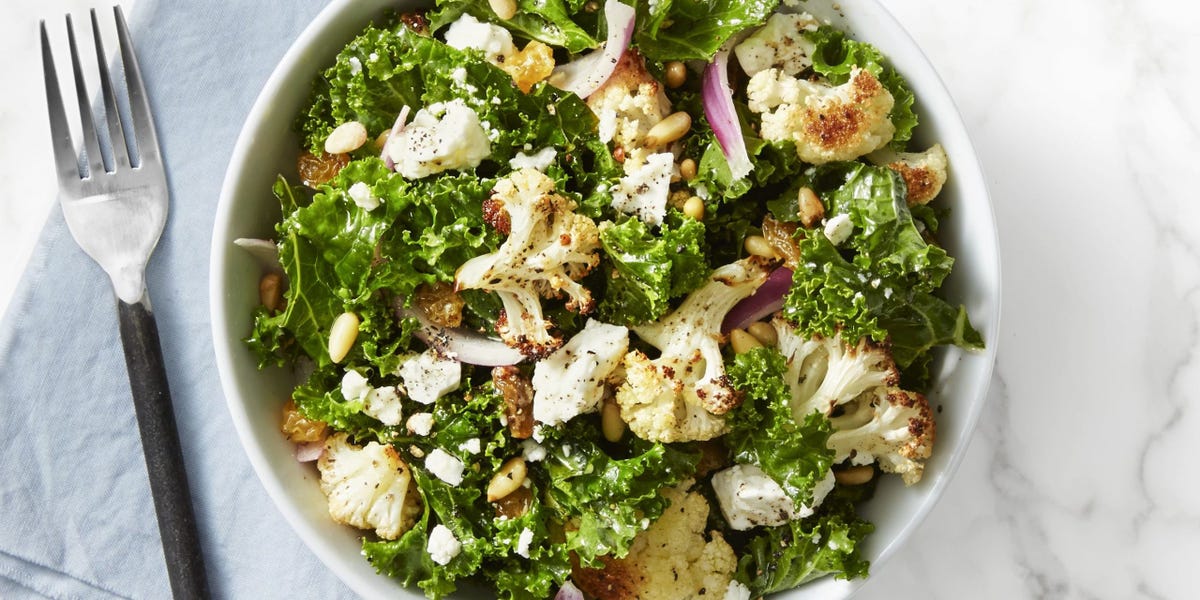
If your idea of a heart-healthy salad is a sad pile of lettuce whispering, “Please add croutons,” this kale and roasted cauliflower salad is here to stage a delicious intervention. It is warm, crunchy, lemony, satisfying, and sturdy enough to survive lunch prep without collapsing into a puddle of regret by noon.
This easy kale and roasted cauliflower salad recipe brings together two vegetable powerhouses: leafy green kale and golden, caramelized cauliflower. Add a bright lemon dressing, a little extra-virgin olive oil, toasted nuts or seeds, and a sprinkle of herbs, and suddenly you have a salad that feels less like “I am being responsible” and more like “I accidentally made something restaurant-worthy.”
Even better, this recipe fits beautifully into a heart-healthy eating pattern. It is rich in fiber, naturally colorful, low in added sugar, easy to keep moderate in sodium, and built around plant-forward ingredients. No, one salad will not turn you into a cardiology superhero overnight. But regularly choosing meals like this can support better everyday habits, and that is where the magic happens.
Why Kale and Roasted Cauliflower Make a Heart-Smart Team
Kale and cauliflower belong in the same “vegetables that look humble but secretly carry the team” category. Kale brings deep green color, hearty texture, fiber, vitamin K, vitamin C, and plant compounds. Cauliflower brings mild sweetness, a tender bite, fiber, vitamin C, and the magical ability to become crispy-edged when roasted properly.
Together, they help create a salad that is filling without being heavy. That matters because heart-healthy eating is not only about what you remove from your plate. It is also about what you add: more vegetables, more whole foods, more fiber, more satisfying textures, and more flavor that does not depend on a salt shaker doing all the emotional labor.
The Fiber Factor
Fiber is one of the quiet heroes of a heart-healthy diet. It helps make meals more filling, supports digestion, and is associated with better cholesterol and blood sugar patterns when eaten as part of a balanced diet. Kale and cauliflower both contain dietary fiber, and the salad becomes even more satisfying when you add chickpeas, lentils, quinoa, farro, pumpkin seeds, walnuts, or almonds.
Think of fiber as your meal’s built-in pacing system. It helps slow things down, keeps you fuller longer, and makes a vegetable-based dish feel like actual food instead of “a side salad wearing a tiny hat.”
Potassium, Sodium, and the Blood Pressure Conversation
Many heart-healthy eating recommendations encourage more potassium-rich foods and less excess sodium. Potassium is found in many fruits, vegetables, beans, nuts, and dairy foods, while too much sodium is common in packaged and restaurant meals. This salad naturally leans in the right direction: vegetables first, fresh lemon for brightness, herbs for flavor, and just enough salt to make the ingredients sing rather than shout.
If you have kidney disease or take medications that affect potassium, ask your healthcare provider before making major changes to potassium intake. A salad can be innocent, but your medical context gets the final vote.
The Easy Kale and Roasted Cauliflower Salad Recipe
This recipe serves four as a side dish or two as a hearty main. It is flexible, meal-prep friendly, and forgiving enough for weeknights when your brain has exactly 14% battery left.
Ingredients
- 1 medium head cauliflower, cut into small florets
- 1 large bunch kale, stems removed and leaves finely chopped
- 2 tablespoons extra-virgin olive oil, divided
- 1 tablespoon lemon juice, plus more to taste
- 1 teaspoon lemon zest
- 1 teaspoon Dijon mustard
- 1 small garlic clove, grated or finely minced
- 1/4 teaspoon black pepper
- 1/4 teaspoon kosher salt, divided, or to taste
- 1/3 cup toasted walnuts, almonds, or pumpkin seeds
- 1/4 cup chopped parsley or dill
- 1/4 cup crumbled feta, optional
- 1/2 cup cooked chickpeas, lentils, quinoa, or farro, optional for a heartier salad
Instructions
- Preheat the oven: Set your oven to 425°F. Line a sheet pan with parchment paper for easier cleanup.
- Roast the cauliflower: Toss cauliflower florets with 1 tablespoon olive oil, half the salt, and black pepper. Spread them out in a single layer. Roast for 22 to 28 minutes, flipping once, until golden on the edges and tender inside.
- Massage the kale: Place chopped kale in a large bowl. Add a small pinch of salt and 1 teaspoon lemon juice. Massage with clean hands for 1 to 2 minutes until the leaves turn darker, softer, and less chewy. Yes, you are giving kale a spa treatment. It has earned it.
- Make the dressing: In a small bowl, whisk together the remaining olive oil, lemon juice, lemon zest, Dijon mustard, garlic, and a little black pepper.
- Build the salad: Add the warm roasted cauliflower to the kale. Toss with dressing, herbs, nuts or seeds, and optional chickpeas or grains.
- Finish and taste: Add feta if using. Taste and adjust with more lemon, herbs, or pepper. Keep salt moderate and let acid, garlic, and herbs do the heavy lifting.
Why Roasting Cauliflower Changes Everything
Raw cauliflower is crisp and clean, but roasted cauliflower is a whole different character. Heat transforms its flavor from mild and slightly cabbage-like into nutty, sweet, and caramelized. The edges brown, the centers soften, and suddenly the vegetable that used to be ignored on party trays becomes the main event.
The key is spacing. Do not crowd the pan. Crowded cauliflower steams instead of roasts, and steamed cauliflower is fine, but it does not have the crispy golden personality we are chasing. Use two sheet pans if needed. Your cauliflower deserves personal space, just like anyone who has ever been trapped in an elevator with someone eating tuna.
How to Make Kale Taste Good, Not Like Homework
Kale has a reputation. Some of it is deserved. If you tear giant raw leaves into a bowl and call it lunch, kale may fight back. The trick is to chop it finely, remove the tough stems, and massage it with a little acid and salt.
Massaging kale softens the leaves, reduces bitterness, and helps the dressing cling to every bite. It takes less than two minutes and makes the difference between “I should eat this” and “I want another forkful.” If you use lacinato kale, also called Tuscan or dinosaur kale, the texture is usually softer and slightly sweeter. Curly kale works too, especially when chopped small.
Heart-Healthy Flavor Boosters
A heart-smart salad should not taste like punishment. The best flavor comes from contrast: warm and cool, creamy and crunchy, bright and savory, rich and fresh.
Use Lemon Instead of More Salt
Lemon juice and zest wake up the entire bowl. Acid can make food taste more vibrant, which helps you rely less on sodium. Try adding lemon gradually, tasting as you go. The goal is bright and lively, not “salad lemonade.”
Add Healthy Fats in Smart Amounts
Extra-virgin olive oil adds richness and helps the salad feel satisfying. Nuts and seeds add crunch, plant-based fats, minerals, and a toasty flavor. Walnuts, almonds, sunflower seeds, and pumpkin seeds all work well. Keep portions reasonable: a little goes a long way, especially when toasted.
Bring in Plant Protein
For a main-dish version, add chickpeas, lentils, edamame, tofu, quinoa, or farro. These ingredients turn the salad into a more complete meal and help keep hunger from returning 47 minutes later with a dramatic entrance.
Recipe Variations for Every Mood
Once you master the base recipe, you can change the flavor profile without relearning dinner. Here are a few easy directions.
Mediterranean Kale and Cauliflower Salad
Add cherry tomatoes, cucumber, parsley, olives, chickpeas, and a small amount of feta. Use lemon, garlic, oregano, and olive oil in the dressing. This version tastes like it should be eaten on a patio, preferably with good weather and zero emails.
Sweet and Savory Fall Version
Add diced apple, dried cranberries with no or low added sugar, toasted pecans, and roasted sweet potato cubes. Use apple cider vinegar in the dressing. This one is excellent for holiday tables when you want something fresh between the casseroles.
Spicy Weeknight Version
Add smoked paprika and chili flakes to the cauliflower before roasting. Toss the finished salad with a lemon-tahini dressing. Add chickpeas for protein and crunch them on the sheet pan if you like extra texture.
Meal Prep Tips
This kale and roasted cauliflower salad is unusually meal-prep friendly because kale is sturdier than tender greens. Spinach may wilt if you stare at it too intensely, but kale can handle dressing, leftovers, and a commute.
- Roast ahead: Cook the cauliflower up to three days in advance and refrigerate it in an airtight container.
- Keep crunch separate: Store nuts and seeds separately until serving so they stay crisp.
- Dress strategically: Kale can handle dressing, but if you want maximum freshness, store dressing separately and toss before eating.
- Refresh leftovers: Add a squeeze of lemon before serving to bring the flavor back to life.
- Follow food safety basics: Refrigerate leftovers promptly in shallow containers and use them within three to four days.
What to Serve With Kale and Roasted Cauliflower Salad
As a side dish, this salad works with grilled salmon, roasted chicken, turkey burgers, bean soup, lentil stew, or whole-grain pasta. As a main dish, add a protein and a whole grain. Try chickpeas and quinoa for a vegetarian bowl, or salmon and farro for a dinner that feels fancy without requiring a reservation.
You can also tuck leftovers into a wrap with hummus, spoon them over brown rice, or top them with a poached egg for breakfast. Salad for breakfast may sound suspicious, but once you add an egg, people start calling it “brunch” and suddenly everyone relaxes.
Common Mistakes to Avoid
Using Wet Kale
After washing kale, dry it well. Wet leaves dilute the dressing and make the salad taste flat. A salad spinner is ideal, but a clean kitchen towel works too.
Skipping the Massage
Unmassaged kale can be tough. Take the extra minute. Your jaw will send a thank-you note.
Underseasoning the Cauliflower
Heart-healthy does not mean flavorless. Use herbs, spices, garlic, pepper, lemon zest, smoked paprika, cumin, or vinegar. Keep sodium moderate, but do not be afraid of seasoning.
Overcrowding the Sheet Pan
If the cauliflower pieces overlap too much, they steam. Spread them out so the edges brown. Golden edges are where the flavor lives.
Estimated Nutrition Notes
Exact nutrition will vary depending on portions and add-ins, but the base salad is naturally rich in vegetables and fiber, with heart-smart fats from olive oil and nuts or seeds. To keep it lighter, use less cheese or skip it. To make it more filling, add beans, lentils, tofu, fish, chicken, or whole grains.
If you are watching sodium, measure salty ingredients like feta, olives, capers, or packaged toppings. If you are taking warfarin or another medication affected by vitamin K, keep your intake of leafy greens consistent and follow your clinician’s guidance. Kale is nutritious, but it is not the time to surprise your medication routine with a giant green plot twist.
of Experience: What This Salad Taught Me About Eating Better Without Being Dramatic
The first time I made a kale and roasted cauliflower salad, I expected it to be healthy in the way some foods are healthy: technically impressive, emotionally unavailable. I pictured myself chewing politely, nodding at the bowl, and then opening the pantry 20 minutes later like a raccoon with a debit card.
Instead, the roasted cauliflower came out golden and nutty, the kale softened after a quick massage, and the lemon dressing made everything taste bright. I added toasted walnuts because I believe crunch is not optional, and suddenly this “responsible salad” had actual personality. It was hearty, warm in places, fresh in others, and satisfying enough that I did not immediately begin negotiating with a bag of chips.
The biggest lesson was that heart-healthy cooking works best when it feels abundant. People often think eating well means removing all the fun: less salt, less sugar, less saturated fat, fewer ultra-processed snacks, fewer giant portions. Those changes can matter, but if the plate looks empty, the plan will not last. This salad works because it adds things: more color, more texture, more vegetables, more herbs, more lemon, more crunch, more “Hey, I would actually eat this again.”
I also learned that kale is not the villain. Kale is simply misunderstood and occasionally underprepared. If you chop it too large and skip the massage, it behaves like lawn clippings with ambition. But when you slice it thin, rub it with lemon, and pair it with warm roasted vegetables, it becomes tender and flavorful. It just needs a little attention, which is relatable.
Another practical discovery: this salad is excellent for people who get bored easily. One week I made it Mediterranean with chickpeas, dill, and feta. Another week I used tahini, cumin, and crispy roasted chickpeas. In colder months, I added roasted sweet potato and apple. The base stayed the same, but the salad never felt repetitive. That matters because healthy routines fail when they taste like copy-and-paste leftovers.
Finally, this recipe made meal prep feel less like a punishment. Roasted cauliflower stores well, kale stays sturdy, and the dressing can sit in a jar waiting for its moment. On busy days, having these parts ready makes lunch easier than ordering something expensive that arrives slightly soggy and emotionally confusing.
So yes, this kale and roasted cauliflower salad is easy. It is also flexible, filling, budget-friendly, and genuinely enjoyable. It supports heart-healthy eating not by shouting “wellness” at you, but by making vegetables taste good enough to crave. That is the kind of healthy recipe that sticks around.
Conclusion
This kale and roasted cauliflower salad recipe proves that heart-healthy meals do not have to be boring, bland, or complicated. With roasted cauliflower, massaged kale, lemon dressing, herbs, and crunchy nuts or seeds, you get a dish that is fresh, satisfying, and easy enough for a weeknight.
Use it as a side, build it into a full meal, or prep the components ahead for quick lunches. The real win is not perfection. It is creating a repeatable recipe that makes vegetables taste exciting and helps you build a healthier pattern one delicious bowl at a time.
Note: This article is for general nutrition and wellness education only. It is not medical advice. If you have heart disease, kidney disease, diabetes, food allergies, or take medications affected by vitamin K or potassium, speak with a qualified healthcare professional about the best eating plan for your needs.