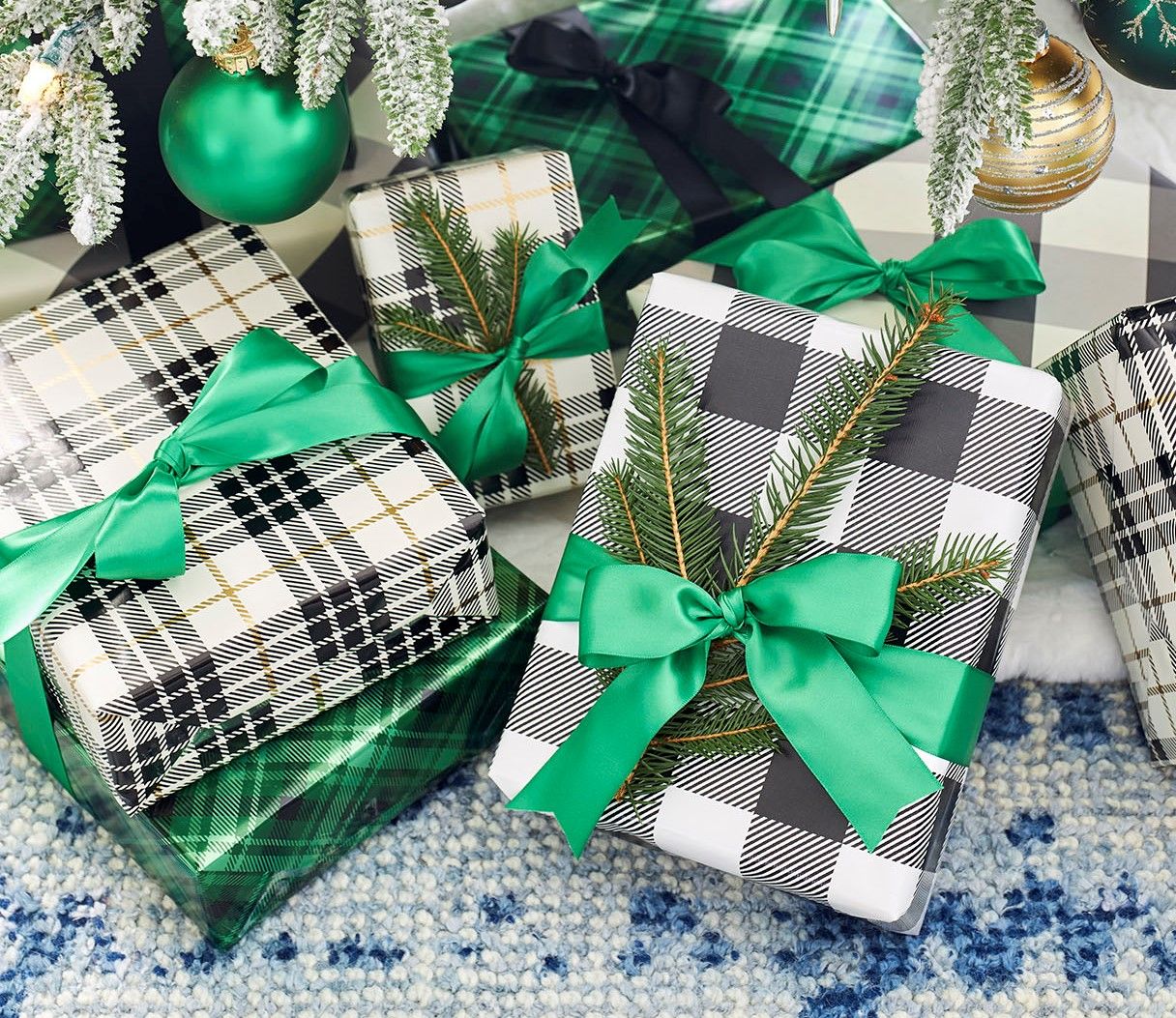
Some people wrap gifts with the calm confidence of a luxury department store employee. Others wrestle with paper, lose the tape, cut one side too short, and end up creating what can only be described as a festive burrito with emotional damage. If you belong to the second group, the Japanese gift wrapping technique may feel like discovering a secret cheat code for the holidays.
This brilliant method, often called Japanese diagonal gift wrapping, uses angled placement, smart folding, and minimal tape to create a crisp, polished package. It looks elegant, saves time, reduces paper waste, and makes even a basic box of cookies look like it was prepared by someone with excellent posture and a matching stationery collection.
Japanese wrapping culture is also much deeper than a viral gift hack. It connects to traditions such as furoshiki, the art of wrapping gifts and everyday items in cloth, and origata, a formal paper-folding tradition tied to respect, etiquette, and presentation. In other words, the wrapping is not just decoration. It is part of the gift.
What Is the Japanese Gift Wrapping Technique?
The technique most people refer to today is the Japanese diagonal wrapping method. Instead of placing a rectangular box straight in the center of the paper, you set it at an angle. Then you fold the paper over the corners in a sequence that uses the paper more efficiently and creates tidy triangular folds.
The result is clean, fast, and surprisingly satisfying. Once you understand the motion, it can feel like the wrapping paper is doing half the work for you. The box rotates through the folds visually, even though your hands are simply pulling, creasing, and tucking. It is part geometry, part etiquette, and part “why did nobody teach me this before?”
This technique is often associated with Japanese department stores, where speed and presentation both matter. A beautifully wrapped item communicates care before the recipient even opens it. The magic is that the method does not require expensive paper, professional tools, or a black belt in ribbon curling. It mainly requires the right angle and a little patience during the first few attempts.
Why This Japanese Gift Wrapping Technique Is So Brilliant
It Uses Paper More Efficiently
Traditional wrapping often begins with a large sheet of paper, a hopeful guess, and a pair of scissors hovering like a tiny judge. Cut too much and you waste paper. Cut too little and suddenly one corner of the box is exposed like it missed dress code.
Diagonal wrapping solves much of that problem because the paper crosses the box from corner to corner. This helps the sheet cover the surface with less extra bulk. When sized correctly, the folds meet neatly without creating thick, lumpy layers. It is especially useful for rectangular boxes, books, flat packages, and small gifts.
It Looks Professional Without Being Complicated
The diagonal folds create crisp edges and layered triangles that look intentional. Even plain kraft paper looks elevated when folded this way. Add twine, a small tag, a sprig of greenery, or a velvet ribbon, and suddenly your gift has “boutique counter” energy instead of “wrapped on the floor at midnight” energy.
Because the technique naturally hides seams along the edges and corners, the final package appears smoother than many standard wrapping jobs. It also avoids the bulky end flaps that can make small boxes look like they are wearing paper earmuffs.
It Can Be Faster Once You Practice
The first time you try Japanese diagonal wrapping, you may need to pause and mentally negotiate with the paper. That is normal. By the third or fourth box, the movement starts to make sense. Once the rhythm clicks, the process becomes fast: position, fold, crease, rotate the paper around the gift, tuck, tape, done.
That makes it a fantastic technique for birthdays, weddings, holiday parties, teacher gifts, hostess gifts, and any situation where you suddenly remember you need to wrap five presents and leave the house in twelve minutes.
Japanese Wrapping Culture: More Than a Pretty Package
In Japanese gift-giving, presentation often carries meaning. The way something is wrapped can express respect, thoughtfulness, seasonality, and attention to detail. The gift is not simply hidden inside paper. It is introduced.
This is one reason Japanese wrapping techniques feel so refined. They are not only about covering an object; they are about creating a moment. A carefully folded package says, “I considered this.” That message matters whether the gift is a handmade candle, a box of tea, a cookbook, or a pair of socks that are much nicer than the socks people usually buy for themselves.
Furoshiki: The Reusable Cloth Wrapping Tradition
Furoshiki is a traditional Japanese wrapping cloth used to wrap, carry, and present items. It is usually square and can be made from cotton, silk, rayon, polyester, or other fabrics. Instead of tape and paper, you use folds and knots. The cloth becomes part of the presentation and can be reused by the recipient as a scarf, lunch wrap, tote-style carrier, drawer liner, or future gift wrap.
Furoshiki is especially appealing today because it fits beautifully with sustainable living. It reduces single-use wrapping paper, avoids disposable plastic bows, and turns the wrapping into a second gift. A vintage scarf, tea towel, bandana, cloth napkin, or fabric square can all work. The technique is flexible enough for books, bottles, boxes, jars, and oddly shaped gifts that would otherwise become a wrapping-paper crime scene.
Origata: The Art of Paper Folding With Meaning
Origata is a formal Japanese paper-wrapping tradition that uses folded paper to convey respect and purpose. Historically, different folds and styles were used for different occasions. The beauty of origata lies in restraint: clean lines, balance, and a sense that every fold belongs exactly where it is.
Modern diagonal gift wrapping is not the same as ceremonial origata, but it shares a similar appreciation for structure and intention. The lesson is simple: wrapping does not need to be loud to be beautiful. Sometimes one sharp crease says more than a glitter bow the size of a cabbage.
How to Do the Japanese Diagonal Gift Wrapping Method
You do not need special supplies. Start with a rectangular or square box, wrapping paper, scissors, and tape. A bone folder is helpful for sharp creases, but the side of a ruler or your fingers can do the job.
Step 1: Place the Box Diagonally
Lay your wrapping paper face down. Place the box near one corner of the paper at a diagonal angle, not straight. The box should sit so the paper can fold over the top and cover the corners. Before cutting, test by pulling the paper over the gift. If it reaches across the top and around the sides, you are in good shape.
Step 2: Fold the First Corner Over the Box
Bring one corner of the paper up and over the box. Smooth it across the top and crease the edge. This first fold anchors the shape and shows you where the rest of the paper will travel. Use one small piece of tape if needed, but do not go wild. Tape is helpful; tape should not become structural engineering.
Step 3: Fold One Side Inward
Pull the paper from one side across the box, keeping the edge snug. Press along the corner to create a clean triangle. The key is tension: not so tight that the paper tears, but not so loose that the gift looks like it is wearing pajamas.
Step 4: Continue Around the Box
Repeat the motion on the next side. Pull, smooth, crease, and tuck. The paper should begin forming neat overlapping folds. If an edge looks uneven, fold the raw edge inward before taping it down. That small move instantly makes the package look more polished.
Step 5: Finish With the Final Tuck
Bring the last flap over the box, tuck in any excess paper, and secure it with tape. Run your fingers along the edges to sharpen the shape. The finished gift should look clean, compact, and intentional, with diagonal lines that add quiet visual interest.
Best Gifts for Japanese Diagonal Wrapping
This technique works best on boxes with clear edges. Books, boxed candles, skincare sets, puzzles, chocolate boxes, tea samplers, and small electronics are excellent candidates. If the item is soft, round, or extremely irregular, place it in a box first or use furoshiki instead.
For bottles, jars, and round containers, cloth wrapping is usually easier. A furoshiki wrap can gather around the object and tie at the top, creating a charming knot that looks decorative without needing ribbon. For flat gifts, diagonal paper wrapping creates a sleek envelope effect.
Paper, Fabric, and Finishing Touches That Work Best
Choose Paper That Creases Well
Medium-weight wrapping paper is ideal. Very thin paper tears easily, while thick paper may resist the crisp folds that make this technique shine. Kraft paper is a great beginner option because it creases beautifully and pairs well with natural accents.
Use Fabric for a Sustainable Upgrade
If you want a reusable version, choose a square cloth large enough to wrap around the gift comfortably. Cotton is easy to handle, silk looks luxurious, and tea towels are practical because the recipient can use them afterward. A good rule of thumb is to choose fabric with enough diagonal length to cover the gift and still allow room for tying.
Add Simple Decorations
The wrapping itself is already elegant, so decorations can stay minimal. Try cotton twine, satin ribbon, dried orange slices, pressed leaves, pine sprigs, wax seals, or handwritten tags. For a modern look, use solid paper and a monochrome ribbon. For a playful look, use patterned paper and skip the extra decorations entirely.
Common Mistakes and How to Fix Them
Mistake 1: Starting With Too Little Paper
If the paper does not reach around the box, the folds will not magically cooperate. Before cutting, test the coverage by lifting the paper over the gift from multiple sides. It is better to check first than to discover a tiny exposed corner after you have already committed emotionally.
Mistake 2: Letting the Paper Go Slack
Loose paper creates wrinkles and bulky edges. Keep gentle tension as you fold. Smooth each panel before moving to the next. Think of it as making a bed, but smaller and less likely to involve fitted-sheet drama.
Mistake 3: Overusing Tape
Too much tape can make the gift look messy and harder to open. The Japanese diagonal method usually needs only a few small pieces. Let the folds do most of the work. Tape should be the quiet assistant, not the main character.
Mistake 4: Ignoring the Raw Edge
If the cut edge of the paper is uneven, fold it under before securing the final flap. This creates a clean finished seam and hides scissor wobble. Nobody needs to know your cutting line looked like a mountain range.
Why This Technique Is Perfect for Modern Gift Giving
Modern gift giving often has two goals: make the present feel special and avoid unnecessary waste. Japanese gift wrapping techniques fit both. Diagonal wrapping uses paper efficiently and looks refined. Furoshiki eliminates disposable paper entirely and gives the recipient something reusable. Both methods encourage a more thoughtful approach to presentation.
They also help gifts feel personal. A carefully wrapped package can turn an ordinary item into a memorable gesture. A cookbook wrapped in a linen tea towel feels warm and kitchen-ready. A candle wrapped in patterned cotton feels cozy before it is even lit. A book wrapped diagonally in kraft paper with a handwritten tag feels like it came from a charming independent shop, even if you wrapped it next to a laundry basket.
Creative Ideas for Using Japanese Gift Wrapping
For Holiday Gifts
Use kraft paper, red twine, and a small evergreen sprig for a simple winter look. For furoshiki, choose plaid fabric, deep green cotton, or a festive tea towel. The recipient can reuse the cloth in the kitchen or save it for next year.
For Birthdays
Pick bright patterned paper and let the diagonal folds become part of the design. Add a small card tucked under the final fold instead of taping it on top. It feels intentional and keeps the package clean.
For Weddings
Use white, ivory, or soft gray paper with a satin ribbon. For cloth wrapping, silk or linen creates an elegant finish. A small dried flower or calligraphy tag can make the gift feel formal without becoming fussy.
For Food Gifts
Tea, chocolates, cookies, jars of jam, and specialty oils are wonderful candidates. Use paper for boxed food gifts and furoshiki for jars or bottles. A tea towel wrap is especially practical because it suits the food theme and can be reused.
Personal Experience: What Happens When You Actually Try It
The first time I tried the Japanese diagonal gift wrapping technique, I expected elegance. What I got was confusion, two pieces of tape stuck to my sleeve, and a box that looked like it had been wrapped during mild turbulence. The problem was not the technique. The problem was my confidence. I had watched the method look effortless and assumed my hands would immediately understand the assignment. They did not.
On the second try, I slowed down. I placed the box diagonally, tested the paper coverage before cutting, and made each fold one at a time. That changed everything. The trick is not speed at first. The trick is learning how the paper wants to move. Once I stopped forcing it into a traditional straight-wrap mindset, the folds started lining up.
By the third box, the technique felt almost relaxing. Pull one corner over. Crease. Fold the side. Smooth the top. Tuck the edge. Tape. Suddenly the package looked clean and deliberate. I used simple brown paper, but the diagonal lines made it look like something from a small design shop where everyone speaks softly and owns excellent scissors.
The biggest surprise was how little decoration the gift needed afterward. Usually, when wrapping looks rough, people try to distract from it with a giant bow. This method did not need that. A small piece of twine and a handwritten tag were enough. The folds were already doing the visual work.
I also tried a furoshiki-style wrap with a cotton scarf. That experience felt completely different but just as satisfying. Instead of cutting and taping, I folded the fabric around a small box and tied the corners into a knot. The result looked warm and personal. It also solved one of the most annoying wrapping problems: oddly shaped gifts. Fabric is forgiving in a way paper is not. Paper judges every corner. Fabric says, “No worries, we can work with this.”
For anyone trying this at home, my best advice is to practice on a book or a sturdy box before using your nicest paper. Choose paper that creases easily. Do not rush the first few attempts. Make the folds sharp with your fingers, and fold under any uneven cut edge before the final tape. If using fabric, choose a square that is comfortably larger than the gift. Too-small fabric leads to tiny knots and unnecessary frustration.
What I like most about Japanese gift wrapping is that it changes the mood of giving. Instead of treating wrapping as the annoying final step, it becomes part of the gesture. You are not just hiding the gift. You are presenting it. That tiny shift makes even a modest present feel more thoughtful.
It also makes wrapping less wasteful. With diagonal paper wrapping, you can often use less paper and avoid bulky scraps. With furoshiki, you can skip disposable paper altogether. A scarf, tea towel, or cloth napkin can become both wrapping and bonus gift. That is practical, pretty, and just smug enough to feel satisfying.
In the end, this Japanese gift wrapping technique is brilliant because it solves several problems at once. It is fast once learned, beautiful without being flashy, and adaptable for many occasions. It brings a little ceremony to the everyday act of giving. And, perhaps most importantly, it gives hope to people whose usual wrapping style could politely be described as “seasonal chaos.”
Conclusion
The Japanese gift wrapping technique proves that a small change in angle can make a big difference. By placing the gift diagonally and folding with intention, you can create a clean, elegant package without wasting paper or relying on oversized bows to save the day. Add the broader traditions of furoshiki and origata, and the lesson becomes even richer: wrapping is not just a cover. It is a message.
Whether you use paper, fabric, ribbon, twine, or a vintage scarf from the back of your closet, the goal is the same. Make the gift feel considered before it is opened. That is the brilliance of Japanese gift wrapping. It turns presentation into part of the present.
Note: This article is based on real Japanese wrapping practices, including diagonal gift wrapping, furoshiki cloth wrapping, and origata-inspired presentation principles, rewritten as original SEO-friendly editorial content for web publication.