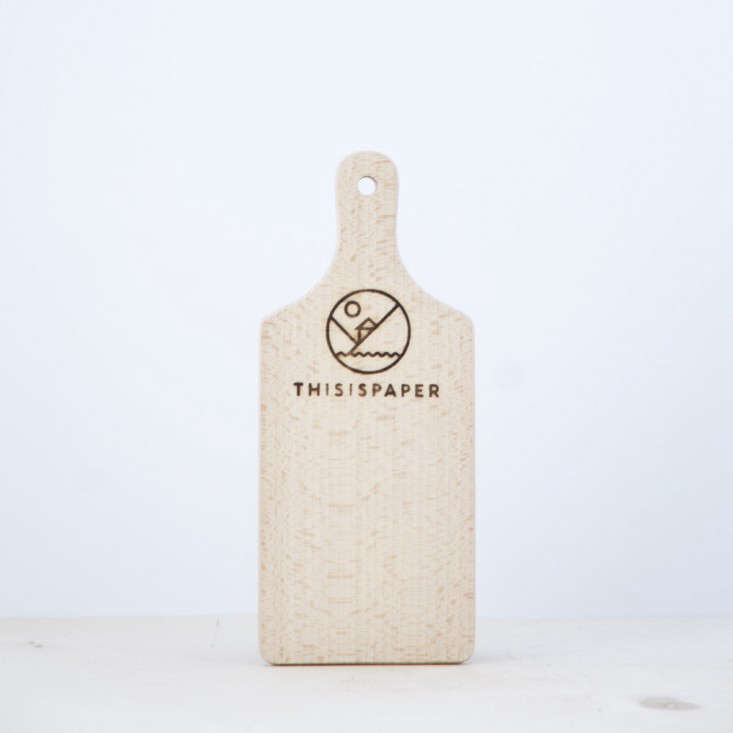
At first glance, the phrase “This Is Paper Cutting Board” sounds like a kitchen riddle. Is it a board made of paper? A cutting board for paper crafts? A minimalist object that whispers, “I own exactly one linen apron”? The real answer is more interesting: the original This Is Paper Cutting Board is a simple, traditional beech-wood board with a handle, designed in the calm, functional style that makes everyday kitchen tools feel quietly beautiful.
But there is also a second search intent hiding inside the title. Many people looking for a “paper cutting board” are actually curious about paper-composite cutting boards: modern boards made from compressed paper fibers and food-safe resin. These boards are often dishwasher-safe, lightweight, heat-resistant, and popular with home cooks who want something lower-maintenance than wood but less plasticky than plastic.
So, let’s slice through the confusion like a sharp chef’s knife through a cucumber. This article explains what the This Is Paper Cutting Board is, why beech wood remains a classic cutting-board material, how paper-composite boards compare, and how to choose, use, clean, and love a cutting board without turning your kitchen into a science experiment with onions.
What Is the This Is Paper Cutting Board?
The This Is Paper Cutting Board is a compact wooden kitchen board associated with the design-forward Thisispaper shop aesthetic. It has been described as a traditional cutting board with a handle, made from high-quality beech wood, with the logo manually burned into the surface. Its listed dimensions are approximately 12 x 28 cm, making it more of a small prep board, serving board, or breakfast board than a giant butcher-block workhorse.
That small size is part of the charm. Not every kitchen tool needs to be a dramatic countertop monument. A board like this is useful for slicing lemons, cutting a small loaf, serving cheese, prepping herbs, or making one very elegant sandwich that somehow tastes better because it was assembled on wood instead of a plate balanced on the edge of the sink.
Why the Name Confuses People
The name “This Is Paper Cutting Board” can easily be misunderstood. “This Is Paper” refers to the brand or shop context, not necessarily the material. The board itself is not described as a disposable paper board. It is a wooden cutting board, specifically beech wood. However, because “paper cutting board” is now commonly used to describe paper-composite boards, the phrase attracts two audiences: design lovers searching for the original product and practical cooks searching for non-plastic cutting-board alternatives.
That makes the topic surprisingly rich. One side is about design simplicity and natural wood. The other is about modern kitchen materials, sustainability, food safety, and convenience. In other words, this tiny board opens the door to the entire cutting-board universe. Not bad for something that fits next to a coffee mug.
Why Beech Wood Works Well for Cutting Boards
Beech wood is a traditional cutting-board material because it offers a useful balance of hardness, density, and workability. It is firm enough to handle regular chopping but not so brutally hard that it destroys your knife edge after a week of dinner prep. In kitchen terms, that is diplomacy.
A good wooden cutting board should feel stable under the knife. It should not slide around like it has weekend plans. Beech has a fine, even grain and a pale, warm appearance that suits minimalist kitchens, rustic kitchens, and the kind of kitchens where someone owns both cast iron and oat milk.
Wood also has a tactile quality that plastic and glass rarely match. When you cut on wood, the knife lands with a softer, quieter feel. That may sound like a small thing, but anyone who cooks daily knows that kitchen comfort matters. The board is not just a surface; it is part of the rhythm of cooking.
Best Uses for a Small Beech Cutting Board
A compact beech cutting board is best used for light to medium prep. Think citrus, fruit, herbs, bread, shallots, garlic, small vegetables, cheese, and serving snacks. It is also great as a table board for breakfast: toast, butter, jam, and maybe a boiled egg if you are feeling European before 9 a.m.
For heavy raw-meat prep, a larger board may be more practical. Raw chicken, juicy roasts, and big meal-prep sessions need more working space and easier containment. A small handled board can do the job in a pinch, but it shines brighter as a daily prep and serving piece.
Paper-Composite Cutting Boards: The Other Meaning of “Paper Cutting Board”
Paper-composite cutting boards are not flimsy sheets of office paper having a career crisis. They are engineered boards made by compressing layers of paper or wood fiber with resin under heat and pressure. The result is a dense, durable surface that can look a little like wood, behave a little like plastic, and clean up more easily than many traditional wooden boards.
Popular paper-composite boards are often marketed as lightweight, nonporous, dishwasher-safe, knife-friendly, and heat-resistant up to around 350°F, depending on the brand and model. They are commonly used by home cooks who want the convenience of plastic without some of plastic’s drawbacks, especially concerns about scratching, staining, and long-term wear.
This material category is especially appealing in modern kitchens because it solves an everyday problem: people want a cutting board that looks good, does not demand monthly oiling, does not warp easily, and can survive a trip through the dishwasher. In other words, people want a cutting board with adult responsibilities and low emotional needs.
Beech Wood vs. Paper Composite
Beech wood and paper composite both have strong advantages, but they serve slightly different personalities in the kitchen.
A beech cutting board feels traditional, natural, and beautiful. It is ideal for people who enjoy kitchen objects with character and do not mind hand-washing and drying them carefully. Over time, wood develops a patina, and with proper care, it can remain useful and attractive for years.
A paper-composite board is more practical for cooks who prioritize easy cleaning. Many paper-composite boards are dishwasher-safe, thin, and lightweight. They are excellent for weeknight cooking, small kitchens, campers, and anyone who has ever looked at a sink full of dishes and thought, “Absolutely not.”
Plastic boards are still common and useful, especially for raw proteins because many are dishwasher-safe and affordable. However, plastic boards can develop deep knife grooves, stain, and eventually need replacing. Glass boards are easy to sanitize but are notoriously harsh on knives. Marble and stone boards look luxurious but are better for pastry or serving than daily chopping, unless your hobby is sharpening knives while sighing deeply.
Food Safety: The Cutting Board Rules That Actually Matter
Whether you choose beech wood, paper composite, bamboo, plastic, or another food-safe material, the most important rule is simple: prevent cross-contamination. Use one board for raw meat, poultry, and seafood, and another board for fresh produce, bread, cheese, and ready-to-eat foods.
This is not culinary fussiness. Raw proteins can carry bacteria that should not be transferred to salad greens, fruit, or bread. A tomato does not need to experience what happened to the chicken. Keep them separate, and everyone stays happier.
Clean After Every Use
After using a cutting board, scrape off food bits, wash the board with hot, soapy water, rinse it thoroughly, and dry it well. For wooden boards, avoid soaking. Wood is durable, but it does not enjoy spa treatments in the sink. Long soaking can cause swelling, warping, cracking, and general kitchen sadness.
Paper-composite boards may be dishwasher-safe if the manufacturer says so. Always check the specific product instructions because not every composite board is identical. If dishwasher-safe, place it securely so it does not bang around like a cymbal during the wash cycle.
Know When to Replace a Cutting Board
All cutting boards wear out eventually. Deep grooves, cracks, splitting, persistent odors, mold, or stains that will not clean properly are signs that the board may need to retire. A cutting board with hard-to-clean cuts can trap food particles and bacteria. Sentiment is lovely, but not when it smells like last month’s onions.
How to Care for a Beech Wood Cutting Board
If you own a small beech board like the This Is Paper Cutting Board, care is straightforward. Wash it by hand with warm water and mild dish soap. Dry it immediately with a towel, then stand it upright so air can circulate on both sides.
Every few weeks, or whenever the surface looks dry, apply food-grade mineral oil or a cutting-board conditioner. This helps reduce moisture absorption and keeps the wood from looking tired. Do not use cooking oils such as olive oil or vegetable oil because they can become sticky or rancid over time. Your cutting board should smell like clean wood, not forgotten salad dressing.
For deodorizing, sprinkle coarse salt on the surface and rub it gently with half a lemon. This classic method can help freshen the board after garlic, onions, or fish. Rinse lightly, dry thoroughly, and oil afterward if the wood looks thirsty.
How to Care for a Paper-Composite Cutting Board
Paper-composite boards are usually lower-maintenance than traditional wood. Many can go into the dishwasher, do not require oiling, and resist cracking or warping better than untreated wood. They are useful for busy households, small apartments, and meal-prep routines.
Still, “low maintenance” does not mean “indestructible.” Avoid using any cutting board as a landing pad for scorching-hot pans unless the manufacturer confirms it can handle that temperature. Some paper-composite boards are heat-resistant up to around 350°F, but heat resistance is not the same as permission to abuse it with a blazing cast-iron skillet straight from the broiler.
To remove odors or stains, wash with warm, soapy water and use a non-abrasive scrub pad. Baking soda paste can help with stubborn smells. If the board develops deep gouges, replace it. A good board is a tool, not a museum artifact.
Design Appeal: Why Simple Cutting Boards Are Having a Moment
Kitchen design has shifted toward objects that are both useful and attractive. People no longer want every tool hidden in a drawer. A beautiful cutting board can live on the counter, hang from a hook, or serve snacks directly at the table. This is where a handled beech board earns its keep.
The This Is Paper Cutting Board fits into the broader trend of quiet, functional design: natural materials, simple silhouettes, compact size, and a handmade feeling. It does not need a neon silicone border, a built-in tablet stand, or seventeen “smart” features. It is a board. It cuts things. It looks good doing it. Honestly, that is refreshing.
Small boards are also practical in real homes. Not everyone has a giant island, a walk-in pantry, and a copper pot collection arranged like a cooking-show backdrop. Many people cook in apartments, shared kitchens, dorm-style spaces, RVs, and narrow galley kitchens. A compact cutting board can be easier to store, wash, and use daily.
How to Choose the Right Cutting Board for Your Kitchen
The best cutting board depends on how you cook. If you make big dinners, carve roasts, or prep many vegetables at once, choose a large board with plenty of surface area. If you mostly make breakfast, snacks, sandwiches, cocktails, or quick dinners, a smaller board may be more convenient.
Choose by Material
Choose wood if you love natural texture, knife-friendly surfaces, and timeless design. Choose paper composite if you want dishwasher-safe convenience with a warm, modern look. Choose plastic if you need inexpensive, color-coded boards for raw meat and high-volume prep. Choose bamboo if you want a renewable material, though it may feel harder on knives than some woods. Avoid glass for serious chopping unless your knives have wronged you personally.
Choose by Size
A board around 8 by 10 inches is useful for fruit, garnishes, and small prep. A medium board around 12 by 16 inches is a versatile everyday choice. A large board of 18 inches or more is better for serious meal prep, bread, carving, and batch cooking. The This Is Paper Cutting Board, at about 12 x 28 cm, belongs in the compact category.
Choose by Cleaning Style
If you enjoy hand-washing and caring for beautiful tools, wood is satisfying. If you want to cook and clean fast, paper composite or dishwasher-safe plastic may fit your routine better. The secret is to buy the board that matches your real life, not the fantasy version of you who makes sourdough every morning and oils the butcher block while classical music plays.
Creative Ways to Use the This Is Paper Cutting Board
Because the This Is Paper Cutting Board is small and handled, it works beautifully beyond basic chopping. Use it as a cheese board for two, a toast board, a lemon-and-herb prep board for cocktails, or a simple serving tray for cookies, olives, nuts, or sliced fruit.
It also makes a charming prop for food photography. The pale beech surface helps colorful ingredients stand out, while the handle adds visual interest. Place a sliced pear, a small knife, a linen napkin, and a wedge of cheese on it, and suddenly your kitchen looks like it has a newsletter.
For gift giving, a small wooden board pairs well with artisanal jam, honey, tea towels, a cheese knife, or a loaf of good bread. It is personal without being overly specific. You do not need to know someone’s ring size or favorite skincare acid. Everyone can use a nice board.
Common Mistakes to Avoid
The first mistake is putting a wooden board in the dishwasher. Unless a manufacturer specifically says the board is dishwasher-safe, do not do it. Heat, water, and detergent can cause wood to warp or crack.
The second mistake is using one board for everything. Even if you clean carefully, separate boards are safer and more convenient. Keep a raw-protein board and a produce-or-bread board. Color coding helps if your household includes people who believe “I rinsed it” is a complete sanitation plan.
The third mistake is ignoring deep knife marks. A few surface scratches are normal. Deep grooves that hold residue are not. Replace the board when it can no longer be cleaned thoroughly.
The fourth mistake is buying only for looks. A beautiful board that is too small for your cooking style will become a decorative rectangle. A practical board that you hate looking at may stay in the cabinet. Aim for both function and pleasure. The best kitchen tools are the ones you reach for without thinking.
Is a Paper Cutting Board Eco-Friendly?
Eco-friendliness depends on the material, sourcing, durability, manufacturing process, and how long you use the board. A beech wood cutting board made from responsibly sourced wood can be a smart long-term choice if cared for properly. The longer it lasts, the better its environmental story becomes.
Paper-composite boards can also be appealing because many are made from paper or wood fibers and are designed to last a long time. Some brands use certified paper sources and promote lower-maintenance durability. However, because composites include resin, they are not the same as plain wood. The best approach is to choose a reputable maker, use the board for years, and avoid disposable kitchen habits whenever possible.
The most sustainable cutting board is often the one you actually maintain and do not replace every few months. A cheap board that warps, cracks, stains, and goes to the trash quickly is not a bargain. It is just a future landfill item with knife marks.
Experience Notes: Living With a Small Board Like This
A small cutting board changes how you cook in ways that sound tiny until you experience them. The first difference is speed. When you need to slice one apple, mince one clove of garlic, cut a lemon wedge, or make a quick sandwich, pulling out a large board feels like unfolding a banquet table to eat a granola bar. A compact handled board is easy to grab, use, rinse, and return to its hook.
The second difference is atmosphere. A wooden board has warmth. Even a simple breakfast feels more intentional when toast is cut on a beech board instead of directly on a plate. It turns ordinary food into a small ritual. That may sound dramatic, but kitchens are built from little rituals: morning coffee, chopping herbs, buttering bread, slicing fruit for someone you like enough to share fruit with.
In everyday use, a board like the This Is Paper Cutting Board is especially good for “half-prep” moments. These are the little jobs that happen around real cooking: trimming scallions before ramen, cutting a lime for sparkling water, slicing cheddar for a snack plate, chopping parsley at the last second because dinner looks beige, or cutting a baguette while pretending you live near a charming bakery instead of a parking lot.
The handle matters more than it seems. It makes the board easy to lift, carry, hang, and serve from. If you are bringing cheese, fruit, or bread to a table, the board becomes part of the presentation. If you are transferring chopped herbs into a pan, the handle gives you control. If your counter space is limited, hanging the board from a hook keeps it accessible and decorative at the same time.
There are limits, of course. A small wooden board is not the best choice for carving a roast chicken, breaking down a watermelon, or prepping ten pounds of vegetables. It can feel cramped if you are chopping large onions or juicy tomatoes. For raw meat, many cooks prefer a separate larger board that can be sanitized aggressively. That is not a failure of the small board; it is simply a reminder that tools have roles. You would not ask a butter knife to split firewood.
The best experience comes from treating this kind of board as a daily companion rather than an all-purpose hero. Keep it for clean, quick, beautiful tasks. Wash it promptly. Dry it upright. Oil it when it looks pale or dry. Do not abandon it in the sink under a soup pot. That is not care; that is board betrayal.
Over time, small marks will appear. This is part of owning wood. A cutting board that never changes probably never gets used. Light knife marks, a soft patina, and a slightly deeper color can make a wooden board feel personal. It becomes evidence of lemons sliced, herbs chopped, bread shared, and meals assembled when everyone was hungry and patience was running low.
Compared with paper-composite boards, the beech board asks for more care but gives back more character. Compared with plastic, it feels calmer and looks better on the table. Compared with a giant butcher block, it is easier to handle and store. That is the sweet spot: not the only cutting board you need, but possibly the one you use more often than expected.
Conclusion
The This Is Paper Cutting Board is more than a simple piece of beech wood with a handle. It represents a style of kitchen tool that values usefulness, beauty, and restraint. It is compact, natural, easy to reach for, and ideal for small prep jobs and casual serving. At the same time, the phrase “paper cutting board” points to a broader category of modern paper-composite boards that offer dishwasher-safe convenience and durable everyday performance.
If you love traditional materials, hand-washing rituals, and warm minimalist design, a beech board is a wonderful choice. If you want low-maintenance cleanup and a non-plastic-feeling surface, paper composite may be your best friend. The smartest kitchen may include both: a beautiful wood board for bread, fruit, herbs, and serving, plus a larger easy-clean board for messier prep.
In the end, the best cutting board is not the trendiest one. It is the board that makes cooking easier, safer, and more enjoyable. If it also looks good leaning against the backsplash, that is not vanity. That is kitchen morale.
SEO Tags
Note: This article is based on real product information, current cutting-board material knowledge, and established U.S. food-safety guidance. It is written as original web-ready content with no source-link blocks or citation placeholders.