Some Instagram pages promise inspiration, personal growth, or carefully curated photos of breakfasts nobody has time to prepare. Others understand what people really need: a confused animal, an oddly specific caption, and a joke about avoiding responsibilities until they become significantly larger responsibilities.
The Instagram account Queen Betch Memes belongs firmly in the second category. The page built its identity around chaotic, random, and painfully relatable humorthe kind of material that makes you laugh before quietly wondering whether the person who created it has been reading your group chat. An earlier roundup of the account likewise emphasized its mix of hilarious, unpredictable, and relatable posts.
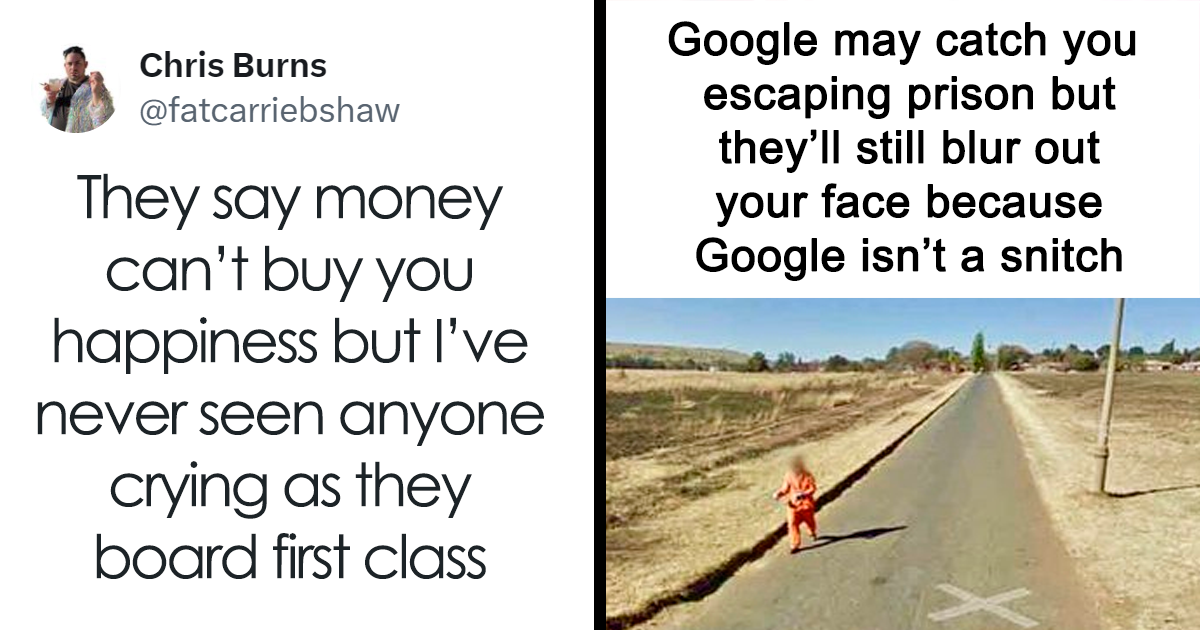
That formula works because memes compress an entire situation into a tiny package. Merriam-Webster defines an internet meme as an amusing or interesting item, often a captioned image or video, that spreads widely online. The word itself originally described ideas, behaviors, and styles passed from person to person within a culture.
Below are 50 of the funniest themes and joke setups represented by this gloriously unpredictable corner of Instagram. Rather than reproducing original images or captions, the list describes the humor, situations, and experiences that make these memes so shareable.
Why Random and Funny Memes Work So Well
Random meme pages rarely follow a single topic. One post may joke about dating, the next about office meetings, and the next about a raccoon that looks as though it has just received an unexpected electricity bill. That lack of predictability is part of the appeal. Every swipe offers a fresh opportunity to feel seen, attacked, entertained, or all three.
Instagram remains an important home for this style of humor. Half of American adults reported using the platform in Pew Research Center’s 2025 social-media survey, with adoption especially strong among younger adults.
The platform’s ranking systems also learn from interactions such as viewing, liking, sharing, saving, and commenting. In practical terms, sending one office meme to a coworker can encourage Instagram to supply enough workplace comedy to carry both of you through the next quarterly planning session.
Memes are more than disposable jokes. The Library of Congress treats image macros, reaction GIFs, online slang, and viral formats as forms of digital folklore worth documenting. Like traditional jokes and stories, they are copied, adapted, and reshaped as they move between communities.
50 Random and Funny Memes That Understand the Assignment
Work, Money, and the Daily Struggle
-
The Five-Minute Break That Becomes a Lifestyle: You open Instagram for a moment and return forty minutes later with no memory of how you arrived at a video about medieval cooking.
-
The Meeting That Could Have Been an Email: Everyone sits silently while a presentation explains information already written in the invitation.
-
Payday’s Brief Visit: Your paycheck enters the account, looks around, pays three bills, and leaves without saying goodbye.
-
The Monday Morning Transformation: Sunday-you had dreams. Monday-you is negotiating with the alarm clock like a hostage mediator.
-
The “Quick Question” From a Coworker: It begins with one sentence and ends with you accidentally becoming project manager.
-
Opening the Work Chat After Vacation: The notification count suggests civilization collapsed while you were eating snacks near a body of water.
-
Trying to Look Busy: Nothing says productivity like switching between spreadsheets with the urgency of someone defusing a bomb.
-
The Printer Smells Fear: It works perfectly until you need one important document five minutes before a deadline.
-
Budgeting With Confidence: You build a beautiful monthly budget and immediately destroy it by ordering food because cooking feels emotionally complicated.
-
Professional Email Translation: “Just following up” secretly means, “I have asked three times, Patricia.”
Relationships and Social Survival
-
The Friend Who Says “I’m Outside”: They are not outside. They have not left home. They may still be choosing shoes.
-
Accidentally Liking an Old Photo: One misplaced thumb turns casual profile browsing into a full emergency evacuation.
-
The Group Chat Detective: A friend analyzes punctuation, response time, and emoji selection as though preparing evidence for court.
-
When Someone Says “We Need to Talk”: Your brain immediately reviews every mistake you have made since elementary school.
-
Making Plans While Feeling Social: Future-you is assigned obligations by a reckless optimist who temporarily borrowed your body.
-
The Couple Choosing Dinner: One person rejects every suggestion while insisting they genuinely do not care.
-
Seeing Your Best Friend Type for Too Long: That message is either excellent gossip or a legally significant confession.
-
The Relative Who Asks Personal Questions: Holiday dinner suddenly becomes a press conference about marriage, children, income, and why you look tired.
-
Sending a Risky Text: You throw the phone across the room as though physical distance can reverse digital communication.
-
The “Fine” That Is Not Fine: A single four-letter word carries enough emotional information to power a small city.
Food, Sleep, and Other Essential Activities
-
Looking for a Snack After Already Checking: Nothing has changed inside the refrigerator, but optimism demands another inspection.
-
The Midnight Chef: At noon, cooking feels exhausting. At 12:43 a.m., you are suddenly prepared to make restaurant-quality pancakes.
-
Ordering the Same Meal Again: The menu contains thirty options, yet emotional security tastes exactly like your usual order.
-
One More Episode: The next thing you know, birds are singing and the streaming service is asking whether you remain conscious.
-
Trying to Sleep After Remembering Something Embarrassing: Your brain retrieves a minor social error from 2012 and presents a remastered edition.
-
The Alarm Clock Betrayal: You personally selected the alarm time, yet its arrival still feels like a targeted attack.
-
Eating Something Too Hot: Instead of waiting, you chew bravely while steam exits your ears and your ancestors express disappointment.
-
Buying Healthy Groceries: The vegetables slowly become decorative objects while the emergency frozen pizza completes another successful mission.
-
The Restaurant Plate Exchange: You did not want fries until someone else’s fries appeared within reach.
-
Waking Up Two Minutes Before the Alarm: Those stolen minutes feel more valuable than land, gold, or emotional stability.
Technology and Internet Chaos
-
The Password Requirements: The website demands a capital letter, a symbol, a number, an ancient rune, and proof of courage.
-
Updating an App at the Worst Time: A simple task becomes impossible because the software has chosen this moment to reinvent itself.
-
The Phone Battery at One Percent: Suddenly every charger becomes sacred and every outlet becomes a possible source of salvation.
-
Searching One Minor Symptom: Five minutes later, the internet has diagnosed you with twelve illnesses and a condition last documented in 1847.
-
Autocorrect Creating Conflict: Your phone changes one harmless word and nearly ends a friendship, employment contract, or family reunion.
-
Watching a Tutorial at Double Speed: The instructor sounds pursued by wolves, but at least the introduction no longer lasts nine minutes.
-
Closing a Tab Without Reading It: You saved it for six months because it seemed important. Apparently, today was its execution date.
-
The Wi-Fi Stops Working: Everyone in the house emerges from separate rooms and gathers near the router like frightened villagers.
-
Receiving a Voice Message Longer Than Three Minutes: Congratulations, your friend has released a podcast episode directly into your inbox.
-
Seeing Your Screen-Time Report: Your phone presents the evidence without sympathy, context, or legal counsel.
Animals, Absurdity, and Pure Meme Energy
-
The Cat Watching You Clean: Its expression suggests you are performing household labor incorrectly and should be removed from management.
-
The Dog Hearing a Cheese Wrapper: An animal that ignored five direct commands suddenly detects plastic movement from two rooms away.
-
The Raccoon With Human Problems: Nothing improves a joke about poor decisions like a small masked animal standing beside an overturned trash can.
-
A Bird Screaming at Nothing: Finally, a visual representation of opening your inbox on Monday morning.
-
The Horse in an Unexpected Location: No elaborate caption is required. Sometimes the entire joke is simply that nobody expected a horse there.
-
The Tiny Animal With Enormous Confidence: It weighs less than a sandwich but appears ready to challenge the federal government.
-
The Unflattering Childhood Photo: Every family owns evidence that you once dressed like a substitute teacher attending a tropical wedding.
-
The Historical Painting With Modern Dialogue: A solemn royal portrait becomes much funnier when the subject is worried about unread messages.
-
The Object With a Face: Two screws and a badly placed handle transform an ordinary appliance into a creature experiencing deep concern.
-
The Meme That Makes Absolutely No Sense: You cannot explain why a blurry frog beside a microwave is funny. You only know it has changed you.
What Makes These Funny Instagram Memes So Shareable?
They Turn Private Thoughts Into Group Jokes
The best relatable memes do not introduce completely new ideas. They recognize thoughts people already have but rarely express: the suspicious optimism of checking an empty refrigerator twice, the emotional danger of a long “typing” notification, or the universal belief that printers choose violence.
Sending such a meme communicates more than “this is funny.” Depending on the recipient, it can also mean “this is us,” “I know you do this,” “I am thinking about you,” or “please explain why you disappeared from the group chat after suggesting brunch.”
They Require Almost No Setup
Traditional jokes often need a beginning, middle, and carefully timed conclusion. A successful meme may need only a familiar image and six words. The audience supplies the missing background from personal experience and shared internet knowledge.
This collaborative quality helps explain why researchers and cultural institutions treat memes as meaningful communication rather than disposable nonsense. Smithsonian and Library of Congress materials describe them as evolving cultural forms that spread through imitation, adaptation, and community participation.
They Offer a Small Emotional Reset
Funny content cannot repair every stressful situation, and endless scrolling is not a substitute for addressing real problems. However, research suggests that humorous memes can generate positive emotional responses and help some viewers process difficult feelings through recognition and shared humor. Studies of pandemic-related and mental-health memes have also examined their role in coping, emotional regulation, and social connection.
In other words, the meme about answering one email and needing a three-hour recovery period will not finish your workload. It may, however, remind you that thousands of other people are also staring at their laptops with the enthusiasm of a damp sock.
A Reader’s Experience: Falling Into the Random Meme Rabbit Hole
The experience usually begins innocently. You open Instagram while waiting for coffee, standing in line, or avoiding a task that has been moved from “important” to “gently threatening.” The first meme is about sleep. It is mildly funny. You like it and continue scrolling.
The second meme features a dog refusing to leave bed. This one is more personal. You send it to a friend who has canceled breakfast twice. Within seconds, the friend responds with three laughing emojis and a meme about people who schedule events before noon. A conversation has begun without either person forming a complete sentence.
Next comes an office meme. It describes the precise expression people make when a manager says, “Let’s circle back.” You send it to a coworker. The coworker replies with a screenshot from yesterday’s meeting. You both understand that the exchange must never reach human resources.
After several posts, the page begins to feel less random. Its topics may jump from dating to groceries to anxious cats, but the emotional logic remains consistent. Each post locates a small inconvenience, exaggerates it, and transforms it into a shared performance. Being tired becomes a dramatic identity. Forgetting a password becomes an epic battle. Canceling plans becomes an act of spiritual renewal.
The comment sections add another layer. Someone tells a related story. Another person tags a friend with no explanation. A third insists the meme was clearly created about them personally. Even weak jokes can become funnier when hundreds of people contribute their own interpretations.
Eventually, you encounter a meme so oddly specific that it feels impossible for a stranger to have made it. Perhaps it concerns practicing an argument alone and then forgetting every prepared sentence during the actual conversation. Perhaps it captures the strange confidence of planning an entirely new life at 1 a.m. Whatever the subject, the reaction is immediate: save, share, and stare into the distance for a moment.
Then the algorithm adjusts. Because you paused on animal memes, Instagram offers more animals. Because you shared workplace humor, your feed becomes an unofficial archive of professional exhaustion. The platform’s recommendation tools are designed to respond to activity and gradually personalize suggested content, although users can also reset or reshape those recommendations.
At some point, you notice that twenty minutes have passed. The coffee is cold. The original task remains untouched. Yet you have checked on two friends, exchanged jokes with a coworker, and discovered a photograph of a goat whose expression perfectly summarizes your financial situation.
That is the real experience offered by a random meme page. It is not simply passive entertainment. It is a library of ready-made reactions and social signals. A meme becomes a greeting, an apology, a complaint, a warning, or a low-effort wellness check. “I saw this and thought of you” may be one of the internet’s simplest forms of affectioneven when the image in question is a possum screaming inside a recycling bin.
Enjoying Meme Pages Without Ruining the Joke
Good meme-page etiquette is not complicated. Credit original creators when they are identifiable, avoid removing watermarks, and do not assume that every image found online is free for commercial reuse. In the United States, fair use depends on several factors, including purpose, amount used, the nature of the original work, and the effect on its market. It is not an automatic exemption applied to everything labeled a meme.
Context also matters. A joke shared privately between friends may feel very different when reposted by a large commercial account. Humor aimed upward at a powerful institution is not identical to humor that humiliates an ordinary person. The funniest pages recognize that comedy can be chaotic without becoming cruel.
Finally, remember that the feed is designed to continue. Enjoy the jokes, send the best ones to people who will appreciate them, and occasionally place the phone face down. The raccoons will still be there when you return.