A sunny garden bed can be a glorious thing: butterflies floating in like tiny VIP guests, blooms glowing from breakfast to sunset, and neighbors slowing down just long enough to pretend they are not taking mental notes. But full sun also has a dramatic side. It can bake weak plants, dry out shallow roots, and turn a poorly planned flower bed into a crispy botanical cracker by August.
The good news? A beautiful summer garden does not have to demand daily watering, constant deadheading, or the kind of emotional support usually reserved for houseplants named Harold. With the right plant choices, smart spacing, good soil preparation, and a simple care routine, you can create an easy-care summer garden plan that shines in a sunny spot all season long.
This guide walks you through a practical, low-maintenance garden design built around sun-loving perennials, drought-tolerant flowers, ornamental grasses, pollinator-friendly plants, and a few strategic annuals for extra color. The goal is simple: a garden that looks intentional, blooms generously, survives summer heat, and does not make you cancel weekend plans just to rescue it with a watering can.
Why a Sunny Spot Is Perfect for a Summer Garden
Most flowering plants that create big summer color need at least six hours of direct sunlight per day. A full-sun location gives plants the energy they need to produce sturdy stems, abundant flowers, and rich foliage color. It also helps many perennials grow more compactly instead of stretching awkwardly toward the light like they are trying to hear gossip from the next yard.
However, sun alone is not enough. The best sunny summer garden combines three things: plants that actually enjoy heat, soil that drains well, and a layout that allows every plant to breathe. When those pieces work together, the garden becomes easier to maintain because you are not fighting nature. You are politely partnering with it.
The Easy-Care Summer Garden Plan at a Glance
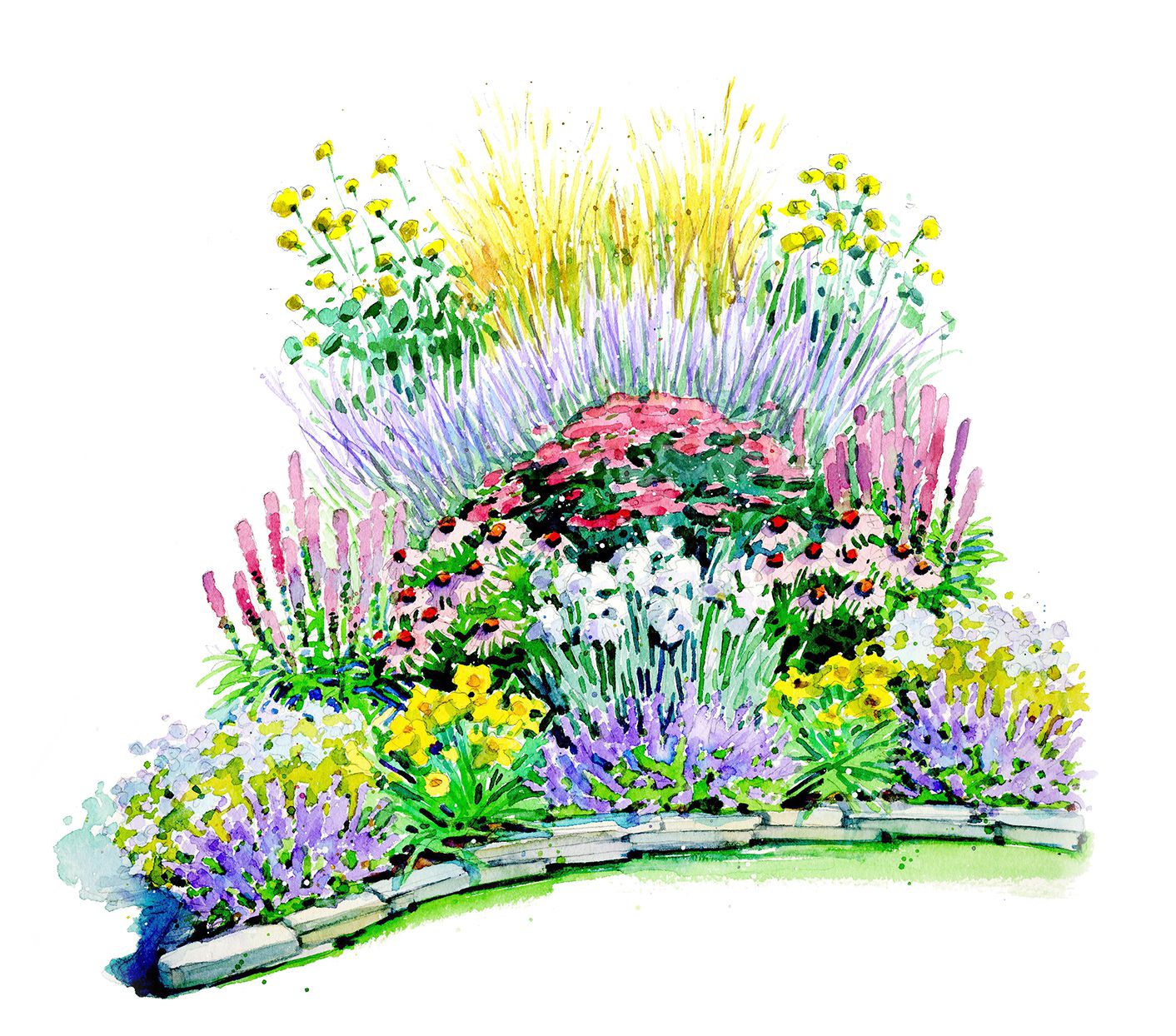
This plan works well for a border, foundation bed, driveway edge, curbside strip, or open backyard area that receives strong sun. A good starter size is about 8 feet deep by 12 feet wide, but the design can be expanded or reduced. The secret is not the exact measurement; it is the layering system.
Basic Layout
Place taller plants toward the back or center, medium-height flowering perennials in the middle, and low-growing plants along the front edge. Repeat plant groups in odd numbers, such as three salvias, five coneflowers, or three clumps of sedum. Repetition makes the bed look designed instead of looking like a plant clearance sale had a very exciting afternoon.
Suggested Plant Layers
Back layer: ornamental grasses, tall garden phlox, Russian sage, or upright coneflowers.
Middle layer: black-eyed Susan, salvia, bee balm, yarrow, coreopsis, blanket flower, and sedum.
Front layer: catmint, creeping phlox, low sedum, thyme, dwarf salvia, or compact annuals such as marigolds and zinnias.
This combination gives you height, movement, color, texture, and pollinator appeal without requiring complicated maintenance. It also creates a long bloom window, with early summer flowers giving way to midsummer color and late-season seed heads.
Best Plants for a Sunny, Low-Maintenance Summer Garden
The strongest easy-care summer garden starts with plants that can handle sun, heat, and occasional dry spells once established. Here are some dependable choices for a sunny garden plan.
1. Salvia
Salvia is one of the hardest-working perennials for full sun. It produces spikes of purple, blue, pink, white, or red flowers and attracts bees, butterflies, and hummingbirds. It prefers well-drained soil and does not ask for much fertilizer. Trim spent blooms after the first flush, and many varieties will reward you with more flowers.
2. Coneflower
Coneflower is a summer classic for a reason. It tolerates heat, comes back year after year, and offers daisy-like blooms in shades of purple, pink, white, orange, yellow, and red. Leave some seed heads in place at the end of the season, and birds may stop by for a snack. It is basically a garden buffet with petals.
3. Black-Eyed Susan
Black-eyed Susan brings cheerful yellow blooms that light up sunny beds from midsummer into fall. It looks especially good with purple salvia, blue catmint, ornamental grasses, and sedum. This plant is a smart choice when you want color that feels warm, bold, and happy without needing fussy care.
4. Catmint
Catmint is soft, billowy, fragrant, and wonderfully forgiving. It forms mounds of gray-green foliage topped with lavender-blue flowers. It can soften hard edges along walkways and looks beautiful spilling slightly over the front of a bed. Shear it back after the first big bloom to refresh the plant and encourage another round of flowers.
5. Sedum
Sedum is a champion for sunny, well-drained locations. Its fleshy leaves store moisture, helping the plant tolerate dry conditions after establishment. Upright varieties such as autumn-blooming sedums add structure in late summer, while creeping types make excellent front-of-border fillers.
6. Yarrow
Yarrow has ferny foliage and flat-topped flower clusters in yellow, white, pink, peach, and red. It is drought tolerant once established and thrives in leaner soils. In rich soil, it may flop, which is a polite reminder that not every plant wants the deluxe buffet treatment.
7. Ornamental Grasses
Ornamental grasses add movement, height, and late-season beauty. Switchgrass, little bluestem, fountain grass, and feather reed grass can provide structure even when flowers fade. They also reduce the need for constant replanting because many are perennial and require only a seasonal cutback.
8. Tall Garden Phlox
Tall garden phlox adds fragrant clusters of summer flowers in pink, lavender, white, and red. It performs best in sunny locations with good air circulation. Give it space, avoid crowding, and water at the base rather than splashing the leaves to reduce disease issues.
9. Coreopsis
Coreopsis, also called tickseed, produces bright yellow, gold, pink, or red flowers depending on the variety. It works beautifully in the middle of a sunny bed and can bloom for a long stretch. Deadheading helps keep it tidy, but many modern varieties are naturally generous bloomers.
10. Zinnias and Marigolds
Perennials are the backbone of an easy-care garden, but annuals can be the confetti. Zinnias and marigolds love sun and bring fast, vivid color. Use them to fill gaps while perennials mature, or tuck them into the front of the bed for extra summer sparkle.
How to Prepare the Sunny Garden Bed
Before planting, spend a little time improving the site. This is the part that feels less glamorous than buying flowers, but it saves time later. Garden preparation is like stretching before exercise: easy to skip, very noticeable when ignored.
Check the Sun
Observe the area for a full day. A true sunny spot should receive at least six hours of direct sun. Morning sun with some afternoon shade can work in hot climates, but many sun-loving perennials bloom best with strong light.
Improve Drainage
Most easy-care summer plants dislike soggy roots. If water stands in the bed after rain, loosen compacted soil and mix in compost. Raised beds or slightly mounded planting areas can help in heavy clay soil. Good drainage is especially important for plants such as salvia, sedum, yarrow, and lavender-like perennials.
Remove Weeds Before Planting
Pull weeds, dig out persistent roots, and avoid planting into a messy bed. Weeds compete for water and nutrients, and they always seem to grow faster than the plants you actually paid for. Starting clean gives your new garden a fair chance.
Add Compost, Not Too Much Fertilizer
A modest layer of compost improves soil structure and helps roots establish. Avoid heavy fertilizing unless a soil test shows a need. Many drought-tolerant perennials grow stronger and sturdier in average soil than in overly rich soil.
Step-by-Step Planting Plan
Step 1: Place the Tall Plants First
Start with the back layer. Add ornamental grasses, tall phlox, Russian sage, or taller coneflowers. These plants create the visual frame of the garden. Space them according to mature width, not the tiny size they are in the nursery pot. Baby plants are adorable liars; they get bigger.
Step 2: Add the Middle Bloomers
Plant groups of salvia, black-eyed Susan, coreopsis, yarrow, bee balm, and sedum in the middle. Repeat colors and shapes to create rhythm. For example, use purple salvia in three separate spots to guide the eye through the bed.
Step 3: Soften the Front Edge
Finish with catmint, low sedum, creeping phlox, thyme, or compact annuals. These plants help the bed look full and polished. A soft front edge also hides bare stems from taller plants behind them.
Step 4: Water Deeply After Planting
New plants need consistent moisture while roots establish. Water deeply after planting, then monitor the soil. The first year is the most important. Once the root systems are established, many of these plants become much more tolerant of heat and dry weather.
Step 5: Mulch the Bed
Add a 2- to 3-inch layer of organic mulch such as shredded bark, pine straw, chopped leaves, or composted wood chips. Keep mulch a few inches away from plant crowns and stems. Mulch helps conserve soil moisture, reduce weeds, and moderate soil temperature, which is exactly the kind of multitasking we respect.
Simple Summer Care Schedule
Spring
Cut back last year’s dead stems, remove winter debris, divide overcrowded perennials if needed, and refresh mulch. Spring is also a good time to fill gaps with new plants before summer heat arrives.
Early Summer
Water new plants regularly, check for weeds, and pinch or trim leggy growth if needed. Add plant supports early for taller flowers rather than waiting until they flop dramatically across the walkway.
Midsummer
Deadhead spent flowers on salvia, coreopsis, zinnias, and marigolds to encourage fresh blooms. Shear catmint lightly after flowering. Water deeply during extended dry periods, especially in the first year.
Late Summer to Fall
Let some seed heads remain for birds and winter interest. Sedum, coneflower, ornamental grasses, and black-eyed Susan can look beautiful after flowers fade. A garden does not need to be perfectly shaved to be healthy.
Design Tips That Make the Garden Look Professional
Use Repetition
Repeating the same plant in several areas makes the garden feel calm and intentional. A single coneflower can look lonely. A group of five looks like a design decision.
Mix Flower Shapes
Combine spikes, daisies, clusters, mounds, and grasses. Salvia adds vertical lines, coneflower brings daisy shapes, yarrow offers flat flower plates, and grasses add airy movement. This variety keeps the garden interesting even when only a few plants are blooming.
Plan for Foliage, Not Just Flowers
Flowers come and go, but foliage carries the garden between bloom cycles. Gray-green catmint, blue-green grasses, glossy sedum leaves, and ferny yarrow foliage all add texture. A strong summer garden looks good even on days when it is between floral fireworks.
Choose a Color Theme
For a sunny, cheerful look, combine yellow black-eyed Susan, purple salvia, pink coneflower, and blue catmint. For a softer cottage feel, use lavender, white, pale pink, and silver foliage. For bold curb appeal, add orange zinnias, red salvia, and golden coreopsis.
Common Mistakes to Avoid
Planting Too Closely
Small plants tempt gardeners to crowd them. Resist. Proper spacing improves air circulation, reduces disease pressure, and allows mature plants to form natural shapes.
Watering Lightly Every Day
Shallow watering encourages shallow roots. Water deeply and less frequently once plants are established. New plants need more attention, but the long-term goal is strong roots that can handle normal summer stress.
Ignoring Your Climate
A plant that thrives in Minnesota may struggle in Arizona, and a plant that loves dry western summers may sulk in humid southern heat. Check your USDA Hardiness Zone, local rainfall patterns, and soil type before buying.
Forgetting Pollinators
Sun gardens are excellent places to support bees, butterflies, hummingbirds, and other beneficial insects. Choose a range of bloom times and flower shapes. Avoid unnecessary pesticides, especially when plants are flowering.
My Experience with an Easy-Care Sunny Summer Garden
The first time I planted a full-sun summer garden, I made the classic beginner mistake: I bought whatever looked pretty at the garden center in May. This is a dangerous strategy because garden centers in May are basically casinos with petunias. Everything looks promising, your judgment gets cloudy, and suddenly you are pushing a cart full of plants with no plan and one decorative watering can you absolutely did not need.
By July, the truth arrived wearing sunscreen. Some plants thrived, some sulked, and a few disappeared so completely I wondered if they had joined a witness protection program. The biggest lesson was simple: full sun is not automatically friendly. It rewards the right plants and exposes the wrong ones. Once I stopped treating the bed like a random flower collection and started designing it as a layered, low-maintenance system, everything changed.
The most successful version of the garden began with structure. I planted ornamental grasses in the back, not because they were flashy in spring, but because I knew they would carry the bed later in the season. That choice paid off. By August, when some flowers slowed down, the grasses stood tall and moved beautifully in the breeze. They made the whole garden feel alive, even on quiet days.
Next came the dependable bloomers. Salvia became one of my favorite plants because it looked polished with very little help. After the first bloom, I cut it back lightly, and it came back with another round of color. Catmint surprised me even more. It softened the front edge, spilled gently over the border, and made the bed look fuller than it really was. It also handled heat better than several fussier plants I had tried before.
Sedum taught me patience. In spring, it looked neat but not exciting. In summer, it became a strong mound of clean foliage. By late summer, it produced flowers just when the garden needed a fresh act. Coneflowers and black-eyed Susans brought the bright, cheerful color that made the sunny bed feel like summer instead of just a patch of well-organized leaves.
The biggest practical improvement was mulch. Before mulching, I felt like I was constantly weeding and watering. After adding a good layer of organic mulch, the soil stayed moist longer and weeds became easier to manage. It did not eliminate maintenance entirely, but it turned the garden from “daily chore” into “pleasant weekend check-in.” That is a major lifestyle upgrade.
I also learned not to panic when the garden looked sparse at first. Perennials need time. The first year is about roots. The second year is about confidence. By the third year, the garden finally looks like it read the design plan and decided to cooperate. Filling temporary gaps with zinnias or marigolds helped keep things colorful while the perennials matured.
Another lesson: easy-care does not mean no-care. It means the care is predictable and forgiving. A sunny summer garden still needs water during establishment, occasional deadheading, seasonal cleanup, and a watchful eye during extreme heat. But when the plant choices are right, those tasks feel manageable. You are guiding the garden, not babysitting it through a meltdown.
The reward is worth it. A well-planned sunny garden becomes a small daily celebration: bees working the salvia, butterflies landing on coneflowers, grasses glowing in evening light, and flowers still blooming when other parts of the yard look tired. It proves that low-maintenance landscaping does not have to be dull. With the right plan, a sunny spot can become the brightest, easiest, happiest part of the yard.
Conclusion
An easy-care summer garden plan for a sunny spot is all about choosing plants that enjoy the conditions you already have. Instead of forcing thirsty, shade-loving, high-maintenance plants to survive in blazing sun, build the garden around heat-tolerant perennials, ornamental grasses, drought-tolerant flowers, and pollinator-friendly blooms that naturally perform well in bright light.
Start with good soil preparation, arrange plants in layers, repeat key varieties, mulch generously, and focus on deep watering during the first year. After that, your sunny garden can settle into a reliable rhythm of spring cleanup, summer color, and late-season texture. It will not be completely effortless, because plants are living things and occasionally dramatic, but it can be beautifully manageable.
With salvia, coneflower, black-eyed Susan, sedum, catmint, yarrow, phlox, and ornamental grasses working together, your sunny garden bed can shine through summer with less stress and more style. In other words, you get the glow without the garden guilt. That is the kind of summer plan worth planting.