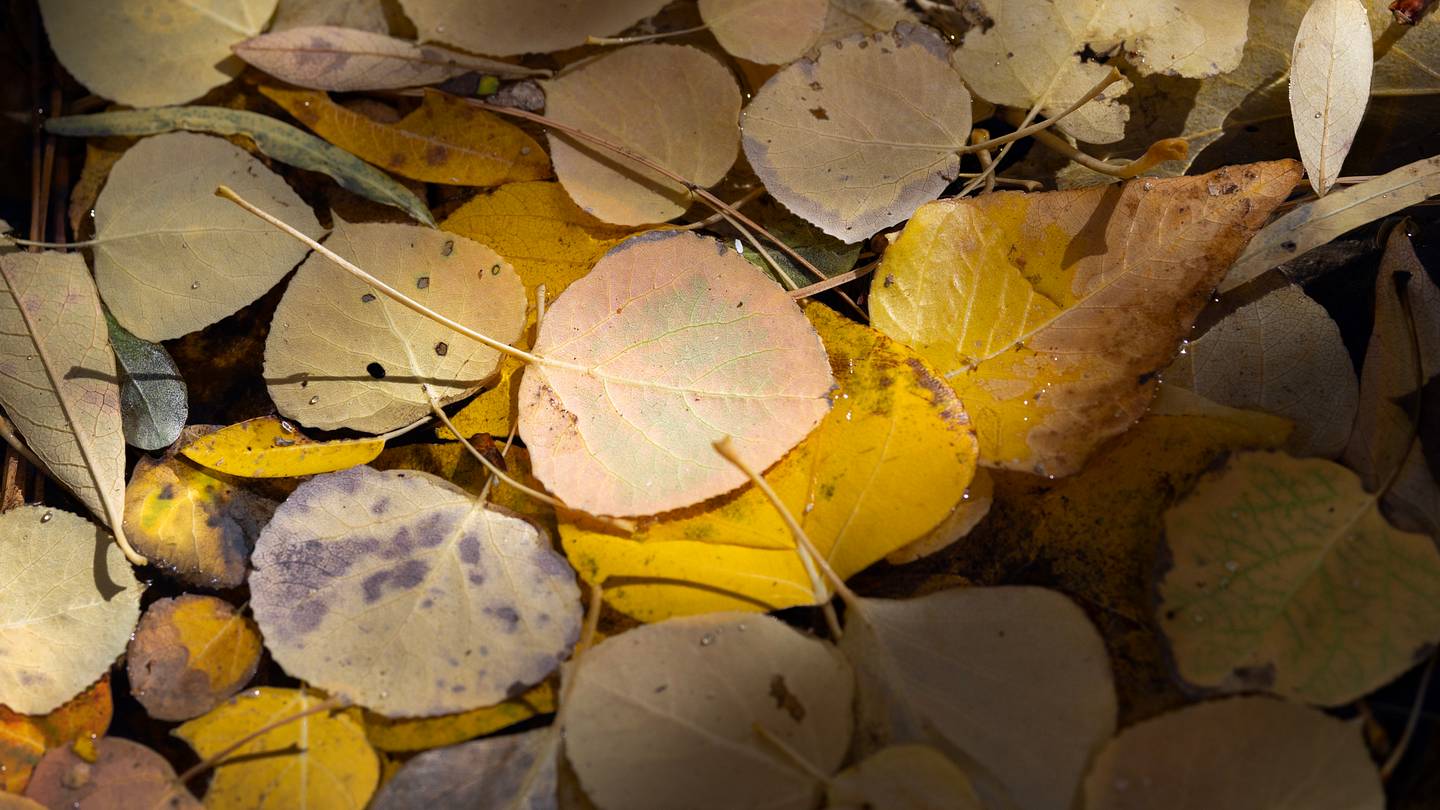
Every fall, the sidewalk becomes a crunchy carpet, the trees perform their annual color concert, and the air suddenly smells like someone opened a jar labeled “cozy.” That rich, earthy, slightly sweet scent rising from fallen leaves is not just a seasonal mood enhancer. It is chemistry, biology, weather, and memory all working together like a tiny autumn orchestra hiding under your shoes.
The smell of fallen leaves comes from decomposing plant material, soil microorganisms, moisture, volatile organic compounds, and the unique way cool autumn air carries scent. In simple terms, leaves do not smell like fall because they are “old.” They smell that way because they are being transformed. A leaf on the ground is not trash; it is a busy biochemical cafeteria where bacteria, fungi, insects, and earthworms clock in for the breakfast shift.
Understanding the science behind why fallen leaves smell the way they do helps explain why a walk through a park in October feels so different from one in July. It also reveals something surprisingly elegant: the aroma of autumn is the scent of nutrients returning to the soil.
What Makes Fallen Leaves Smell Like Fall?
The familiar smell of fallen leaves is created by a mix of compounds released as leaves break down. These compounds include plant oils, sugars, alcohols, acids, and gases produced during microbial decomposition. Scientists often group many of these airborne molecules under the broad label of volatile organic compounds, or VOCs. “Volatile” means they evaporate easily, which is a fancy way of saying they can float into your nose and make your brain say, “Ah yes, sweater weather.”
When leaves are still attached to a tree, they are living factories. They use sunlight to produce energy through photosynthesis, move water and nutrients, and maintain their structure. Once autumn arrives, shorter days and cooler temperatures signal many deciduous trees to shut down chlorophyll production. Chlorophyll is the green pigment that helps leaves capture sunlight. As it fades, yellow and orange pigments become visible, and red pigments may develop in some species.
At the same time, the tree forms a separation layer at the base of each leaf stem. Eventually, the leaf drops. Once it reaches the ground, its cells begin to dry, crack, and collapse. That is when the scent story really begins.
The Chemistry of a Dead Leaf Is Surprisingly Lively
A fallen leaf may look still, but chemically it is anything but boring. Inside that leaf are cellulose, hemicellulose, lignin, proteins, waxes, pigments, tannins, sugars, and trace minerals. Each of these substances breaks down at a different speed and contributes in different ways to the smell of leaf litter.
Cellulose: The Main Course for Decomposers
Cellulose is a major structural material in plant cell walls. It gives leaves shape and strength. Many bacteria and fungi can break cellulose into simpler sugars, which they use as food. As this happens, the leaf softens and darkens. Some of the byproducts released during this process contribute to the mild, sweet, hay-like notes that often rise from a pile of dry leaves.
Lignin: The Tough, Woody Ingredient
Lignin is more stubborn. It helps plants stay rigid and resist decay, which is excellent for the plant but mildly annoying for microbes looking for an easy snack. Fungi are especially important in breaking down lignin and other complex plant materials. As lignin decomposes, it can contribute deeper, woodier, mustier aromas. This is one reason old leaf piles smell more forest-floor than fresh-cut grass.
Tannins and Plant Oils: The Bitter-Sweet Accent Notes
Many leaves contain tannins, the same general family of compounds that gives tea and red wine their dry, mouth-puckering character. Fallen oak leaves, for example, can have a slightly leathery, bitter smell because of their tannin-rich chemistry. Plant oils and waxes also remain trapped in leaf tissue until drying, crushing, rain, or microbial activity releases them into the air.
Microbes Are the Real Perfume Makers
The smell of fallen leaves is not just the smell of leaves. It is also the smell of the soil community waking up for dinner. Bacteria, fungi, actinomycetes, protozoa, mites, springtails, beetles, and earthworms all help turn leaf litter into humus-rich soil. Of these, microorganisms are especially important because they release many of the odor molecules we associate with damp earth and autumn woods.
Actinomycetes are particularly famous for creating that earthy scent. These bacteria-like organisms grow in soil and decomposing organic matter. They produce compounds such as geosmin, a molecule with a powerful earthy aroma. Human noses are extremely sensitive to geosmin, which is why even tiny amounts can make a forest path smell like rain, soil, mushrooms, and nostalgia got together for a group photo.
Another compound often connected with earthy smells is 2-methylisoborneol, commonly shortened to 2-MIB. Like geosmin, it is produced by certain microorganisms and can contribute to musty, soil-like aromas. These molecules are also part of the reason freshly turned garden soil and damp leaf piles smell so alive.
Why Wet Leaves Smell Stronger Than Dry Leaves
A dry leaf pile can smell pleasant, but add rain and the scent becomes louder. Moisture helps release trapped plant oils and soluble compounds from leaf tissues. It also creates a better environment for microbial activity. Bacteria and fungi need moisture to work efficiently, and when they get it, decomposition speeds up.
Rain also helps push scent molecules into the air. When raindrops hit soil, leaves, or porous ground, they can create tiny bubbles and aerosols that carry aromatic compounds upward. This is part of the same broader reason the world smells so fresh after rain. In a leaf-covered yard, rain does not merely wet the leaves; it turns the whole ground layer into a seasonal scent diffuser.
However, there is a difference between pleasantly damp and swampy. A well-aerated layer of leaves tends to smell earthy and sweet. A thick, compacted, waterlogged mat of leaves can become oxygen-poor. When oxygen drops, anaerobic microbes take over and may produce sour, sulfurous, or rotten odors. Translation: a fluffy leaf pile says “autumn walk,” while a sealed, soggy leaf pancake says “please reconsider your yard maintenance strategy.”
Temperature and Air Change the Way Fall Smells
The smell of fallen leaves is also shaped by autumn weather. Cooler air often feels cleaner and sharper than hot summer air. Humidity, temperature, wind, and atmospheric stability all affect how scent molecules travel and how long they linger near the ground.
In fall, lower temperatures can slow the rapid dispersal of some odors, allowing earthy aromas to hang around sidewalks, trails, and gardens. Cool, damp mornings are especially good at holding scent close to the ground. That is why a leaf-covered path may smell strongest when the air is crisp, the sun is low, and the grass still has dew on it.
Warm afternoons create a different effect. As the sun heats leaves, more volatile compounds may evaporate, producing a drier, toastier aroma. A pile of sun-warmed maple leaves can smell faintly sweet, while a shaded pile of damp oak leaves may smell darker and more soil-like.
Different Trees, Different Leaf Aromas
Not all fallen leaves smell the same. Tree species matter because each type of leaf has its own chemistry, thickness, waxiness, nutrient content, and decomposition speed.
Maple Leaves
Maple leaves often break down relatively quickly, especially when shredded or exposed to moisture. Their scent can lean sweet and soft, partly because their tissues are less leathery than some tougher leaves. A maple-heavy sidewalk after rain often smells like classic “fall candle,” minus the marketing department.
Oak Leaves
Oak leaves tend to be tougher and higher in tannins. They decompose more slowly and can smell more woody, dry, and slightly bitter. In a forest, oak leaf litter often creates that deep, old-library-meets-mushroom aroma that makes hikers suddenly use words like “loamy.”
Pine Needles
Pine needles are not broad leaves, but they add their own scent to autumn ground cover. Their resins and terpenes create a sharper, cleaner, more evergreen smell. Mixed with damp deciduous leaves, pine needles can make the forest floor smell fresh, resinous, and slightly spicy.
Sweetgum, Birch, and Poplar
Some trees produce leaves with distinctive oils or resins that add complexity to the fall aroma. Birch can have a faintly wintergreen-like note, while poplar and sweetgum may create lighter, slightly green or balsamic impressions depending on moisture and decay stage.
The Role of Fungi: Autumn’s Quiet Recycling Crew
Fungi deserve their own spotlight because they are some of the best decomposers in the leaf-litter world. They send threadlike structures called hyphae through dead plant material, releasing enzymes that break complex molecules into smaller pieces. Without fungi, forests would become giant stacks of undecayed plant leftovers. Nature does not enjoy clutter either.
As fungi work, they can contribute musty, mushroom-like, and earthy aromas. Some of these smells come from fungal metabolism; others come from the leaf compounds fungi help release. This is why a damp woodland trail after several days of fall rain can smell deeper and richer than a freshly raked yard.
Fungal activity also changes over time. Freshly fallen leaves smell lighter and more plant-like. After a few weeks, as fungal networks spread and tissues soften, the smell becomes more soil-like. By late autumn, a leaf pile may smell less like leaves and more like compost in progress.
Why the Smell Feels So Emotional
The science explains the molecules, but the feeling of the smell is also neurological. The human sense of smell is closely linked to memory and emotion. Odor signals connect strongly with brain regions involved in memory processing, which is why one breath of fallen leaves can send someone straight back to school bus mornings, football games, pumpkin patches, or jumping into leaf piles before anyone explained ticks, laundry, or adult responsibilities.
Fall leaf smell is also seasonal. Because many people experience it only during a specific part of the year, the brain treats it like an annual bookmark. The aroma becomes tied to routines: first jackets, shorter days, Halloween decorations, Thanksgiving plans, and that one neighbor who starts decorating for winter while the pumpkins are still emotionally present.
Is the Smell of Fallen Leaves Good or Bad?
In most natural settings, the smell of fallen leaves is a sign of healthy decomposition. Earthy, sweet, woody, mushroom-like, or slightly spicy aromas usually mean oxygen, moisture, microbes, and plant material are interacting in a normal way.
Bad odors are different. If leaves smell strongly rotten, sour, sewage-like, or sulfurous, the pile may be too wet, too compacted, or lacking oxygen. This can happen in clogged gutters, neglected yard bags, storm drains, or thick leaf mats. In those cases, the smell is less “autumn romance” and more “microbial traffic jam.”
For gardeners, the lesson is simple: shredded leaves, good airflow, and balanced moisture create better decomposition and better smells. Leaves can be used as mulch, compost material, or habitat for beneficial insects. Instead of sending every leaf away, many landscapes benefit from keeping some leaf litter in garden beds, under shrubs, or in compost piles.
How to Smell Fall Like a Scientist
You do not need a lab coat to observe the science of fallen leaves. Try comparing different leaf smells on a walk. Pick up a dry maple leaf and crush it gently. Notice the papery, faintly sweet scent. Then smell damp leaves near a shaded tree. The aroma will likely be heavier and earthier. Walk near pine needles, and the smell may turn resinous and crisp.
After rain, pay attention to how the scent rises from the ground. On a cold morning, notice how the smell seems to sit low and dense. On a breezy afternoon, it may vanish quickly. These differences are not imaginary. They are the result of chemistry meeting weather in real time.
Also notice location. A city sidewalk with fallen leaves may smell different from a forest trail because soil exposure, pollution, pavement heat, drainage, and plant diversity all influence the aroma. A park with mixed tree species usually offers a more complex scent than a single-species street planting.
Experiences Related to the Science Behind Why Fallen Leaves Smell the Way They Do
One of the easiest ways to understand the smell of fallen leaves is to stop treating it like background scenery. The next time you walk through a leaf-covered park, slow down and compare the scent in different places. Under a large oak, the smell may be darker and drier, almost like old wood and tea. Near a maple-lined street after rain, the aroma may feel softer, sweeter, and more familiar. Beside a pine or cedar, the air may sharpen with resinous notes that cut through the heavier smell of decay.
In my experience, the strongest “classic fall” smell usually appears after a light rain followed by cool, still air. That combination seems to unlock everything at once. Moisture loosens compounds from leaf tissues, microbes become more active, and the cool air keeps the aroma close to the ground. It is the kind of morning when every step releases a quiet puff of scent, as if the sidewalk has decided to brew its own seasonal tea.
Backyard leaf piles tell an even clearer story. A fresh pile of dry leaves smells delicate, dusty, and slightly sweet. It is pleasant, but not intense. Leave that pile for a week, especially if it gets damp, and the smell changes. It becomes richer, deeper, and more earthy because decomposition has started. The leaves darken, fungi begin exploring the pile, and small creatures move in like tiny tenants with excellent composting skills.
There is also a big difference between a healthy leaf pile and a neglected, compacted one. A loose pile that gets air smells like forest floor. A soggy pile trapped in a plastic bag can smell sour and unpleasant. That difference is one of the best real-life lessons in aerobic versus anaerobic decomposition. Oxygen is the polite guest at the microbial dinner party. Remove it, and the party gets weird fast.
Gardeners often notice that shredded leaves smell better as they break down than whole leaves left in thick mats. Shredding increases surface area, which helps microbes work more evenly. It also prevents leaves from sealing together into wet layers. A bin of shredded leaves mixed with a little soil or finished compost can develop a mellow, earthy smell that hints at future garden fertility. It is not glamorous, but neither is turning last month’s yard clutter into next season’s soil treasure.
The smell of fallen leaves also changes the way people experience familiar places. A school path, neighborhood sidewalk, hiking trail, or backyard can feel completely different in October because scent adds emotional depth to the scene. You may not consciously identify geosmin, fungi, lignin, or plant oils, but your nose notices. Your brain connects that scent with memory, weather, color, and time passing.
That is the magic of fallen leaves: the smell is both scientific and personal. It is made from real molecules and real microbial work, yet it feels like a mood. The fragrance of autumn is not one single thing. It is crushed plant tissue, damp soil, cool air, fungal enzymes, bacterial chemistry, tree species, rain, and memory combining into one unmistakable signal: the season has turned, and the ground is quietly getting ready to feed the future.
Conclusion
The science behind why fallen leaves smell the way they do is a story of transformation. Leaves fall, cells break open, plant oils escape, microbes arrive, fungi spread, and volatile compounds drift into the air. Moisture strengthens the scent, cool weather shapes it, and soil organisms add the unmistakable earthy notes that make autumn smell like autumn.
So the next time you catch that cozy scent on a walk, remember: you are not just smelling leaves. You are smelling photosynthesis after its retirement party, microbes doing gourmet chemistry, and the forest floor recycling itself with impressive style. Fall smells beautiful because decay, in nature, is not an ending. It is a very fragrant beginning.