A potted garden is proof that you do not need an estate, a greenhouse, or a suspiciously perfect British accent to grow something beautiful. Sometimes all you need is a sunny step, a sturdy planter, a bag of good potting mix, and the willingness to whisper encouraging things to basil like it is a nervous intern on its first day.
Container gardening has become one of the most practical and joyful ways to bring nature closer to everyday life. A planter can turn a front porch into a welcome sign, a balcony into a salad bar, a patio into a sanctuary, and a dull corner into a tiny botanical drama. The secret is not buying the prettiest pot and hoping the plant “figures it out.” The secret is matching every planter to a purpose: food, fragrance, shade, privacy, color, structure, low-maintenance beauty, or pure rejuvenation.
This guide explores how to build a smart, stylish potted garden with the right planter for every role. Think of it as interior design for plants, except the furniture needs drainage and occasionally gets aphids.
Why the Potted Garden Works So Well
The beauty of a potted garden is flexibility. Unlike an in-ground bed, a planter can move when the sun shifts, when frost threatens, when guests arrive, or when you decide the lemon tree looks more dramatic beside the chair. Containers allow renters, apartment dwellers, busy homeowners, and small-space gardeners to grow flowers, herbs, vegetables, shrubs, and even small trees without digging up the yard.
Potted gardens are also forgiving. If one container fails, the whole garden does not collapse into tragedy. You can replace a tired annual, move a thirsty fern to shade, refresh soil, or swap spring pansies for summer coleus. It is gardening with a reset button, which is useful because plants are living things and occasionally they make editorial decisions you did not approve.
The Golden Rule: Match the Planter to the Purpose
A planter is not just a decorative bowl for roots. It is a miniature growing environment. The best container supports the plant’s root depth, moisture needs, light exposure, mature size, and style. A tomato in a tiny pot is not charming; it is a hostage situation. A succulent in a soggy, oversized planter is equally doomed, just slower and more dramatic.
Before choosing a planter, ask four questions:
- What will grow here: herbs, flowers, vegetables, shrubs, houseplants, or a mixed design?
- How much sun does the location receive each day?
- How often can I realistically water?
- Do I need beauty, privacy, food, fragrance, mobility, or calm?
Once the purpose is clear, the planter almost chooses itself.
Drainage: The Unsexy Hero of Container Gardening
If container gardening had a commandment, it would be this: thou shalt provide drainage. A planter without drainage holes can trap water around roots, reduce oxygen, and invite root rot. Few plants enjoy sitting in stagnant water, and those that do are usually aquatic plants with very specific life goals.
Choose containers with holes or slits at the bottom. If your dream planter has no drainage, use it as a cachepot: keep the plant in a nursery pot with holes, place it inside the decorative container, remove it for watering, let it drain, and then return it. This gives you style without turning the roots into soup.
Also, skip the old myth that gravel inside the bottom of a pot improves drainage. It often creates a perched water zone above the gravel, keeping the soil wetter where the roots actually live. Better drainage comes from proper holes, the right potting mix, and avoiding overwatering.
Choosing the Right Planter Material
Terracotta for Breathable Charm
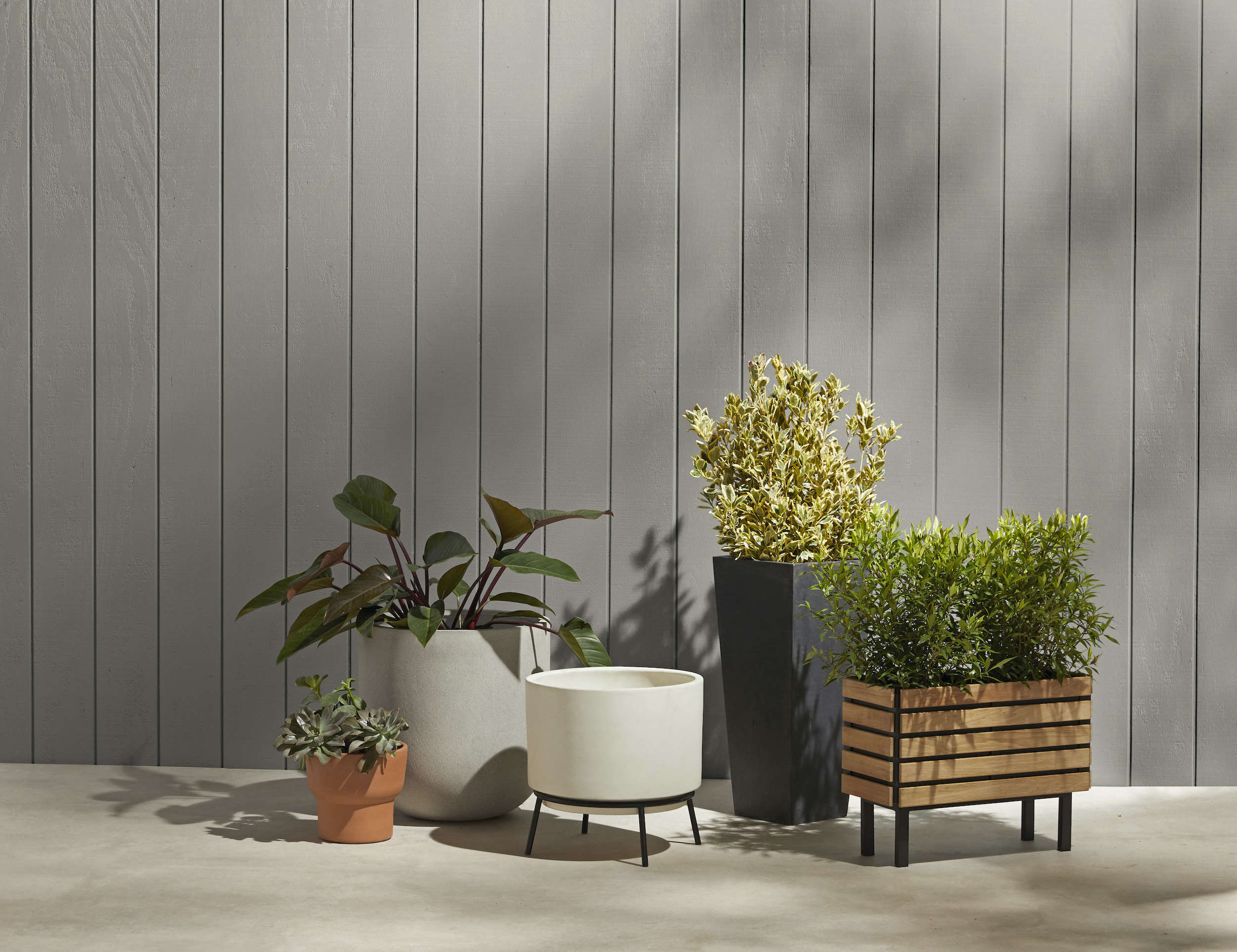
Terracotta is classic, warm, and beautifully imperfect. It allows moisture to evaporate through its porous sides, which can be helpful for herbs, succulents, and Mediterranean plants such as rosemary, thyme, and lavender. The trade-off is that terracotta dries quickly, especially in hot sun or windy locations. It may also crack in freezing weather if left wet outdoors.
Glazed Ceramic for Color and Moisture Control
Glazed ceramic planters hold moisture longer than unglazed clay and bring strong color, shine, and personality to patios and porches. They are great for flowers, tropical foliage, and statement plantings. Because ceramic can be heavy, place large pots where you want them before filling them. Your back will send a thank-you card.
Plastic and Resin for Lightweight Practicality
Plastic and resin containers are lightweight, affordable, and often better at holding moisture. They are useful for balconies, hanging baskets, and large container gardens where weight matters. High-quality resin can mimic stone or ceramic while being easier to move.
Metal for Modern Style
Metal planters offer a crisp, architectural look, but they can heat up quickly in direct sun. Use them thoughtfully, especially for plants with sensitive roots. A liner or inner nursery pot can help buffer temperature swings.
Wood for Warmth and Large Roots
Wooden planters, barrels, and boxes are excellent for vegetables, small shrubs, and patio trees. They insulate roots better than metal and offer a natural look. Choose rot-resistant wood or food-safe liners for edible gardens, and make sure water can drain freely.
Fabric Grow Bags for Vegetables
Fabric grow bags are practical for tomatoes, peppers, potatoes, and herbs. They are lightweight, easy to store, and encourage air movement around roots. They dry faster than solid containers, so they need attentive watering, especially in summer.
Planters for Herbs: The Kitchen Garden Within Reach
An herb planter is one of the easiest ways to begin a potted garden. Herbs reward small efforts with big flavor. A few snips of basil, parsley, mint, or chives can make dinner taste like you tried harder than you did.
For most herbs, a pot 10 to 12 inches wide works well, though deeper-rooted herbs may need more room. Mediterranean herbs such as rosemary, thyme, oregano, and sage prefer excellent drainage and plenty of sun. Basil, parsley, cilantro, and mint appreciate more consistent moisture.
Do not plant mint directly with polite herbs unless you enjoy botanical domination. Mint is enthusiastic. Give it its own pot so it can live its best life without annexing the neighborhood.
Planters for Vegetables: Small Space, Serious Harvest
Vegetable container gardening is ideal for patios, balconies, decks, and sunny front steps. Leafy greens, radishes, scallions, bush beans, peppers, eggplants, tomatoes, cucumbers, and strawberries can all grow in containers when given enough root space, sun, water, and nutrients.
Small greens such as lettuce and spinach can grow in shallower boxes, while tomatoes, peppers, and eggplants need deeper, wider containers. A five-gallon container is a common starting point for one tomato plant. Potatoes need much more room, while strawberries can thrive in hanging baskets, troughs, or tiered planters.
Choose compact, patio, bush, or dwarf varieties when possible. These plants are bred for smaller spaces and are less likely to turn your balcony into a jungle gym. Support tomatoes and cucumbers early with cages, stakes, or trellises so you do not damage roots later.
Planters for Flowers: Instant Color, Maximum Applause
Flower planters are the extroverts of the garden. They greet guests, soften steps, frame doors, and distract from the fact that you still have not painted the fence. For long-lasting displays, combine plants with similar light and water needs.
The classic container design formula is “thriller, filler, spiller.” The thriller is the tall focal point, such as ornamental grass, canna, salvia, angelonia, or a dramatic foliage plant. The filler is the rounded middle layer, such as petunias, begonias, coleus, calibrachoa, or geraniums. The spiller trails over the edge, using plants such as sweet potato vine, trailing verbena, bacopa, dichondra, creeping Jenny, or ivy.
This formula works because it gives the pot height, fullness, and movement. It is basically a haircut for plants: volume on top, shape in the middle, a little drama at the ends.
Planters for Shade: Cool, Calm, and Lush
Shade planters can be just as striking as sunny containers. Instead of chasing nonstop blooms, lean into foliage texture and color. Ferns, caladiums, hostas, heuchera, begonias, impatiens, coleus, and creeping Jenny can create rich combinations in low-light spaces.
Use lighter-colored pots to brighten shaded corners. White, cream, pale gray, soft green, and weathered terracotta can keep a dim porch from feeling heavy. Add a tall fern or upright caladium as a focal point, then layer trailing plants at the rim.
Planters for Privacy and Structure
A potted garden can also solve design problems. Need privacy from the neighbor’s window? Use tall planters with bamboo, ornamental grasses, dwarf evergreens, or columnar shrubs. Need to define a seating area? Place matching containers at the corners. Need to make a patio feel like a room? Use large pots as living architecture.
Large containers are better for shrubs and small trees because they provide root volume and resist drying out too quickly. They also look more intentional. One generous planter with a healthy plant often looks better than five tiny pots scattered like garden confetti.
Self-Watering Planters for Busy Gardeners
Self-watering planters are excellent for people who travel, forget, or maintain a complicated relationship with watering cans. These containers use a reservoir that allows moisture to move upward through the potting mix as plants need it. They are especially useful for hanging baskets, balcony gardens, and thirsty vegetables.
However, self-watering does not mean self-raising. You still need to refill the reservoir, check the soil, clean the system, and avoid using them for plants that prefer dry conditions. Succulents and lavender, for example, do not want a bottomless smoothie bar.
Soil: Do Not Use Dirt from the Yard
Container plants need potting mix, not heavy garden soil. Bagged potting mixes are typically lighter and designed to hold moisture while allowing air movement around roots. Garden soil can compact in pots, restricting drainage and oxygen.
A good container mix may include ingredients such as peat moss or coconut coir, compost, perlite, vermiculite, bark, or other organic materials. Some mixes contain slow-release fertilizer; others do not. Read the label so you know what you are giving your plants.
For annual flowers and vegetables, refreshing potting mix each season helps reduce disease pressure and improves performance. For larger long-term planters, remove the top few inches of old mix and replace it with fresh compost-enriched potting mix when repotting is not practical.
Watering Without Drama
Containers dry out faster than garden beds because they have limited soil volume and more exposed surface area. Small pots, terracotta pots, hanging baskets, and containers on hot pavement may need water daily in summer, sometimes twice daily during heat waves.
Water deeply until moisture runs from the drainage holes. This encourages roots to use the full container instead of hovering near the surface like nervous guests near the snack table. Morning watering is usually best because plants can hydrate before the hottest part of the day.
Check moisture with your finger. If the top inch or two feels dry for most annuals and vegetables, it is time to water. For succulents and drought-tolerant herbs, wait longer. For thirsty plants, add mulch on top of the potting mix, group containers to reduce heat exposure, and move stressed plants into temporary shade during extreme heat.
Feeding a Potted Garden
Container plants need regular feeding because nutrients wash out with frequent watering. Slow-release fertilizer can provide a steady baseline, while water-soluble fertilizer can support heavy feeders such as tomatoes, petunias, and flowering annuals.
Follow label directions. More fertilizer does not mean more flowers; sometimes it means burned roots, floppy growth, and a plant that looks personally betrayed. Feed lightly and consistently, especially during active growth.
Designing a Rejuvenation Garden in Pots
The word “rejuvenation” belongs naturally in the potted garden conversation because containers invite daily contact with living things. A potted garden gives you small rituals: watering before work, pinching basil at lunch, deadheading flowers in the evening, checking new leaves after rain. These are tiny acts, but they add up to a calmer relationship with your space.
To design a rejuvenating potted garden, think beyond color. Include fragrance, texture, sound, and touch. Lavender, rosemary, scented geranium, mint, lemon balm, jasmine, and basil bring aroma. Ornamental grasses add movement. Ferns and lamb’s ear offer soothing texture. A small water bowl with aquatic plants can add reflective calm. Edible herbs and greens create the satisfaction of harvesting something you grew yourself.
Place rejuvenation planters where you will actually see and use them: beside a reading chair, near the kitchen door, along a morning coffee route, or outside a bedroom window. A peaceful planter hidden behind the garage is less “sanctuary” and more “plant storage.”
Seasonal Planter Ideas for Year-Round Interest
Spring
Use pansies, violas, snapdragons, parsley, chives, lettuce, tulips, daffodils, and early herbs. Spring planters should feel fresh, bright, and slightly optimistic, like opening windows after a long winter.
Summer
Choose heat-tolerant annuals, tropical foliage, basil, tomatoes, peppers, eggplant, lantana, verbena, coleus, zinnias, and ornamental grasses. Summer containers need consistent water and strong design because this is their main performance season.
Fall
Refresh tired pots with mums, ornamental kale, asters, sedum, grasses, heuchera, parsley, and trailing ivy. Add pumpkins or gourds if you like seasonal flair, but do not bury plant crowns under decorative produce. The plants did not sign up to be centerpieces.
Winter
In cold climates, use evergreen boughs, small conifers, holly, winterberry, dried seed heads, branches, and weather-resistant containers. In warmer regions, continue with cool-season flowers, herbs, and leafy greens.
Sustainable Choices for the Potted Garden
A thoughtful potted garden can conserve resources. Choose durable planters instead of flimsy pots that crack after one season. Reuse nursery containers for seed starting. Select regionally appropriate plants that do not demand constant watering. Group plants with similar moisture needs so one pot is not thirsty while its neighbor is drowning.
Mulch the surface of larger containers to reduce evaporation. Use drip irrigation or self-watering systems for efficient moisture delivery. Add compost where appropriate, but avoid overfertilizing, especially outdoors where runoff can affect waterways. If planting for pollinators, include flowers that provide nectar and pollen across the season.
Common Potted Garden Mistakes to Avoid
- Choosing a pot that is too small: Small pots dry quickly and restrict roots.
- Ignoring drainage: Pretty pots still need a way to release excess water.
- Mixing incompatible plants: Do not pair cactus with impatiens unless you enjoy drama.
- Using garden soil: Heavy soil compacts in containers and limits air movement.
- Overcrowding: Plants grow. Give them space to become their adult selves.
- Forgetting fertilizer: Frequent watering flushes nutrients from pots.
- Watering on autopilot: Check the soil, not the calendar.
A Season in Pots: Experience Notes from a Rejuvenating Potted Garden
The first thing a potted garden taught me is that plants are honest but not always polite. A fern will tell you it is thirsty by collapsing like a Victorian poet on a fainting couch. A succulent will quietly rot if you love it too much with the watering can. Basil, meanwhile, has the emotional range of a diva: glorious when happy, offended by cold, and deeply suspicious of neglect.
My most successful potted garden started with a practical goal: I wanted a greener patio without committing to a full landscape project. The space was small, hot in the afternoon, and not particularly charming. It had a chair, a table, and the personality of a storage unit. I began with three planters: a deep pot for a patio tomato, a terracotta bowl for thyme and oregano, and a larger glazed container filled with coleus, trailing sweet potato vine, and a tall ornamental grass.
The transformation was not instant, but it was surprisingly emotional. The tomato became a daily check-in. I noticed new flowers, tied stems to a small cage, and celebrated the first green fruit as if I had personally invented agriculture. The herb pot changed how I cooked. Suddenly, a plain omelet had thyme. Roasted potatoes got oregano. Tomato sauce received basil from a nearby pot, and I became the sort of person who says, “Let me grab some herbs,” which is dangerously close to becoming a lifestyle.
The flower planter did something different. It made the patio feel cared for. The tall grass moved in the breeze, the coleus brought color even when nothing was blooming, and the trailing vine softened the edge of the pot. That one container did more for the mood of the space than any outdoor accessory I had considered buying. A cushion is nice. A living arrangement that changes every week is better.
There were failures, naturally. I planted mint with basil once, which was like inviting a marching band to share a studio apartment with a violinist. The mint took over. I also learned that small black nursery pots on hot pavement can become tiny root ovens. After moving them onto pot feet and grouping them where they received morning sun instead of brutal afternoon heat, the plants recovered.
The greatest benefit was not the harvest or even the beauty. It was the ritual. Five quiet minutes with a watering can in the morning changed the pace of the day. Deadheading flowers after work became a reset button. Trimming herbs before dinner created a tiny sense of abundance. The potted garden did not solve every stress, of course; no planter has yet paid an electric bill. But it made the home feel more alive, and that feeling mattered.
That is the real promise of a potted garden from rejuvenation: it brings restoration down to a human scale. You do not need a grand garden. You need one pot that invites you to pause. Then perhaps another. Before long, the porch, balcony, patio, or windowsill becomes a living map of small decisions that made life greener.
Conclusion: Every Planter Should Earn Its Place
The best potted garden is not a random collection of containers. It is a purposeful, flexible, living design. One planter can grow dinner. Another can frame a doorway. Another can create privacy, fragrance, color, shade, or a moment of calm after a long day. When you choose the right size, material, soil, drainage, and plant combination, a container becomes more than a pot. It becomes a tiny garden with a job.
Whether your goal is a kitchen herb garden, a balcony vegetable patch, a lush front porch, a pollinator-friendly patio, or a rejuvenating corner for morning coffee, there is a planter for the purpose. Start with one container you can care for well. Give it good drainage, quality potting mix, proper light, and regular attention. Then enjoy the quiet magic of watching something grow because you made room for it.
Note: This article was written for web publication in original American English and synthesized from real container-gardening, plant-care, design, sustainability, and wellness guidance. It contains no source-link placeholders or contentReference tags.