If your inbox looks anything like most founders’ inboxes, it’s a jungle out there. Product updates swing from the vines, webinar invites hiss from the shadows, and somewhere in the distance a “limited-time growth hack” screams for attention. That is exactly why the idea behind the new and improved SaaStr newsletter matters. It is not just another email. It is an attempt to turn chaos into curation, noise into signal, and “I’ll read that later” into “Okay, fine, I’m opening this now.”
SaaStr has long built its reputation as a go-to resource for SaaS founders, operators, and revenue leaders. What made the newsletter upgrade interesting is that it reflected a bigger shift in how modern SaaS audiences consume content. Readers no longer want a glorified list of blog links dumped into their inbox like leftover conference swag. They want a smarter package: fast insights, relevant commentary, multimedia, timely takeaways, and just enough personality to remind them a human made this thing.
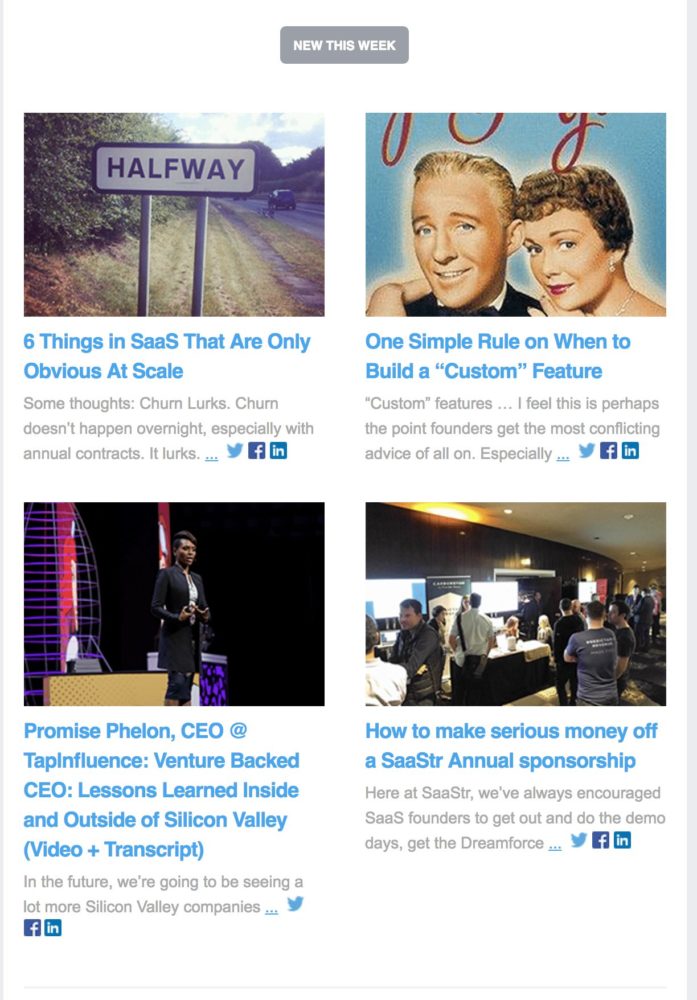
That is where the improved SaaStr newsletter gets it right. Instead of acting like a robotic content conveyor belt, it evolved into a sharper editorial product. It brought together short video clips from SaaStr events, curated highlights from social conversations, podcast picks, top archive posts, and select links from around the web. In plain English, it stopped acting like a filing cabinet and started acting like a host.
What Changed in the SaaStr Newsletter?
Originally, SaaStr described its newsletter as a simple way to push site posts to people who wanted them by email. Useful? Sure. Memorable? Not exactly. The improved version added more value for readers who were already consuming a lot of SaaStr content and wanted the best material packaged more intelligently.
1. It added exclusive and short-form video content
This was a smart move. SaaS audiences are busy, and video clips from major events can deliver one tactical idea in a fraction of the time a long article takes to read. Instead of making readers hunt through event recaps or hour-long talks, the newsletter brought bite-size insights directly to the inbox. That makes the content feel fresh, premium, and easier to consume during a coffee break or between meetings.
2. It pulled in social highlights
SaaStr also started featuring content from social activity because the pace of conversation had grown too fast to track casually. That matters because good newsletters do not merely repeat what is already on the website. They connect the dots across channels. If your audience follows your blog, your podcast, your LinkedIn posts, your event clips, and your hot takes on social media, a strong newsletter becomes the weekly “best of” that saves them from digital scavenger hunting.
3. It leaned harder into curation
The improved newsletter continued to surface the best of SaaStr, SaaStr-on-Quora, podcast content, older archive gems, and worthwhile articles from elsewhere on the internet. This is where the newsletter starts behaving like a trusted editor instead of an overeager intern with copy-paste privileges. Curation says, “We know your time is limited, so we already sorted the pile.” That is the kind of energy founders appreciate.
4. It made the offer more compelling
SaaStr has also positioned its newsletter around perks: the best SaaS advice, event discounts, free tickets to smaller events, special video content, and insider-style extras. That transforms the subscription from a passive content signup into a value exchange. Readers are not just receiving emails. They are joining an ecosystem.
Why the Upgrade Was So Smart
At a strategic level, the new and improved SaaStr newsletter reflects what great B2B newsletters have learned the hard way: email is not just a distribution channel. It is owned media. That distinction matters. Social platforms can throttle reach, algorithms can change moods faster than a toddler in a grocery store, and search traffic can fluctuate. But an email list is direct access to your audience, as long as you earn the right to stay in their inbox.
That is also why the newsletter had to become more than a digest. A simple post roundup can work for a while, but over time, readers need a reason to keep opening. The best SaaS newsletter strategy blends utility, curation, consistency, and voice. You want readers to think, “This will save me time,” not, “This will create homework.”
The improved SaaStr newsletter also mirrors a larger content truth: people do not subscribe because you publish. They subscribe because you filter. In an age of endless content, curation itself becomes the product. The smartest newsletters are not trying to say everything. They are choosing what is worth saying now.
What Makes a Great SaaS Newsletter Today?
If you strip away the branding and look at the mechanics, the improved SaaStr newsletter succeeds because it follows the same principles that power strong newsletters across B2B media, creator publishing, and SaaS marketing.
It has a clear promise
A newsletter should answer one question instantly: why should I subscribe? SaaStr’s answer is simple and strong. Get the best SaaS insights, special content, and occasional perks delivered to your inbox. That is concrete. That is easy to remember. And importantly, it feels useful instead of vague.
It respects how people read
Readers scan emails. They do not settle in with a newsletter the way they settle in with a Sunday novel and a dramatic blanket. Good email design is built for fast comprehension: clear hierarchy, short paragraphs, strong subheads, obvious calls to action, and mobile-friendly formatting. If the layout feels cluttered, the reader is gone before your brilliant insight on net retention ever gets a chance to shine.
It sounds like a person
Voice matters. One reason so many corporate newsletters fail is that they read like they were approved by nine committees and one very nervous legal department. Strong newsletters sound consistent, recognizable, and human. SaaStr’s broader brand voice has always leaned direct, tactical, and conversational, and that makes the newsletter feel connected to the rest of the brand rather than stitched together from spare marketing parts.
It uses one inbox to showcase many assets
One great newsletter can spotlight blog content, video, podcasts, live events, archive posts, social commentary, and promotional offers without feeling messy, if the editorial packaging is sharp. That is one of the most useful lessons from SaaStr’s improvement. A newsletter can be the front door to your whole content engine.
It understands deliverability is not optional
No matter how strong your content is, none of it matters if your emails do not land in the inbox. Modern newsletter strategy requires list hygiene, proper authentication, predictable sending patterns, clear opt-ins, and content that feels trustworthy. In other words, deliverability is the part of email marketing that is boring until it ruins your week.
It measures business outcomes, not vanity alone
Opens can be directionally useful, but they are not the whole story. For SaaS brands, the better questions are deeper: did readers click into product education, register for events, return to the site, engage with sales content, adopt features, or move closer to pipeline and revenue? The improved SaaStr newsletter works because it is not just content for content’s sake. It supports a broader community and business ecosystem.
Lessons SaaS Brands Can Steal from the SaaStr Playbook
Build a newsletter like a product, not a chore
The difference between a forgettable email and a strong newsletter is usually editorial thinking. A product has a clear audience, a defined outcome, and a reason to exist. A chore is what happens when someone says, “We should probably send something on Thursday.” If you want people to care, design the newsletter with intention.
Curate harder than you create
Not every issue needs to be stuffed with brand-new material. Sometimes the smartest move is selecting the three most valuable things your audience should pay attention to this week. That could be one article, one clip, one opinion, and one practical resource. Less can absolutely be more, especially when your subscribers already have too much to read.
Use events and media as newsletter fuel
SaaStr’s event ecosystem gives it a constant stream of insights, clips, and lessons. That same principle works for smaller brands too. Webinar snippet? Newsletter. Customer quote? Newsletter. Product lesson from support tickets? Newsletter. Founder memo? Also newsletter. If you are already generating ideas elsewhere, your email should be one of the easiest places to repurpose them well.
Reward subscribers with exclusivity
Discounts, first looks, bonus clips, exclusive commentary, or insider roundups all give readers a reason to stay subscribed. You do not need to bribe your audience with confetti cannons. But you do need to make subscription feel like access, not obligation.
Stay consistent without becoming predictable
Consistency is crucial, but consistency does not mean monotony. The best newsletters keep the same editorial promise while refreshing the format, angle, or featured sections enough to stay lively. Think of it like a favorite restaurant: you want familiar quality, but you still appreciate a special now and then.
Why “Improved” Is the Real Keyword Here
The most interesting word in the title is not “SaaStr.” It is “improved.” That word signals something many brands resist admitting: the first version of a newsletter is rarely the best version. Strong email programs evolve. They sharpen the value proposition, clean up the format, rethink frequency, improve segmentation, refine voice, and learn what readers actually respond to.
That is why the SaaStr newsletter upgrade feels relevant beyond SaaStr itself. It is a reminder that even successful content brands need to revisit their inbox experience. If your newsletter still behaves like a stale RSS feed with a logo taped onto it, the fix is not more volume. The fix is more editorial usefulness.
In the modern SaaS world, a newsletter should do at least one of four things well: save time, teach something, open doors, or make readers feel more connected to the market they work in. The best ones do all four. That is the real leap from old-school email blast to improved newsletter product.
Reader Experiences: What a Better SaaS Newsletter Feels Like in Real Life
Let’s talk about the human side for a minute, because this is where newsletter strategy stops being a framework and starts becoming an experience. Imagine a founder opening their inbox at 6:42 a.m. There are customer issues, investor follow-ups, two calendar reminders, and one mysterious “quick question” email that will definitely not be quick. In that environment, a weak newsletter gets ignored. A strong one earns a click because it promises to make the reader smarter in five minutes, not busier for fifty.
That is the difference a better newsletter creates. Instead of feeling like another demand on attention, it feels like a shortcut. You open it and immediately see a tight set of ideas: one sharp insight from an event speaker, one useful operator lesson, one curated article worth your time, and maybe one offer you actually care about. Suddenly the newsletter is not clutter. It is your cheat sheet.
There is also a trust factor that builds over time. When a newsletter repeatedly delivers quality, readers begin to rely on it in a quiet but meaningful way. They might not announce it with fireworks, but they start scanning for it in the inbox. They save issues. They forward links to teammates. They reference advice in meetings. That is when a newsletter stops being content and becomes part of workflow.
For marketers and content teams, the experience is just as revealing. A stronger newsletter often creates cleaner internal focus. Instead of asking, “What random thing should we send this week?” the team starts asking, “What would be most helpful to our audience right now?” That shift sounds subtle, but it changes everything. It creates discipline. It forces prioritization. It turns the newsletter into an editorial product with standards, not just a distribution habit.
There is a community effect, too. Great newsletters make subscribers feel like insiders. Not in an obnoxious velvet-rope way, but in a practical sense. Readers feel closer to the conversations, events, trends, and voices shaping their industry. For a SaaS audience, that matters. Founders and operators want to feel informed before the broader market catches up. A good newsletter gives them that edge, or at least gives them the feeling that they are not falling behind while everyone else is quoting some new growth framework on LinkedIn.
And then there is the emotional truth nobody says out loud enough: relief is underrated. A well-made newsletter relieves decision fatigue. It says, “You do not have to read twenty tabs. Start here.” In a world overflowing with dashboards, feeds, podcasts, alerts, and content calendars, that kind of clarity is refreshing. It makes the reading experience feel lighter, faster, and more useful.
That is why the new and improved SaaStr newsletter works as more than a small media update. It reflects a better reader experience. It recognizes that inbox real estate is expensive, attention is fragile, and value must be obvious almost instantly. When a newsletter does that well, subscribers feel it. They may not write love poems about segmentation or inbox placement, but they do keep opening the emails. In newsletter land, that is basically a standing ovation.
Conclusion
The new and improved SaaStr newsletter is a smart case study in how to modernize a SaaS email product without losing the core brand. By shifting from a simple blog-post push to a richer editorial mix of video, curated insights, archive picks, social highlights, and subscriber perks, it became more useful, more readable, and more aligned with how busy B2B audiences actually consume information.
The lesson is simple: a great SaaS newsletter is not built by sending more. It is built by editing better. If you can help readers find what matters faster, package it clearly, and keep showing up with consistent value, your newsletter stops being an inbox obligation and starts becoming a habit. And in SaaS, habits are where the real growth lives.