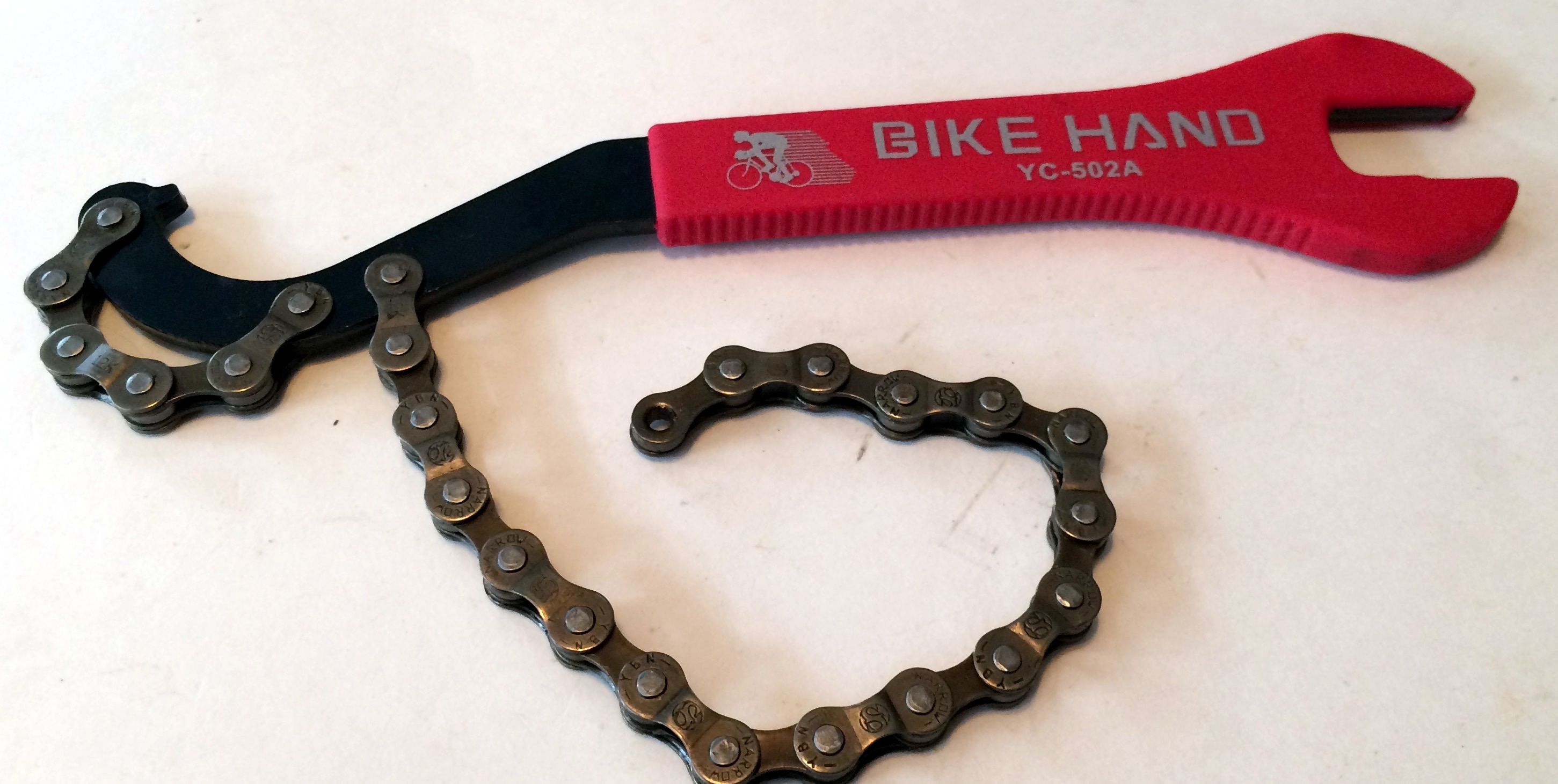
Every home has a drawer, shelf, toolbox, garage corner, or mysterious plastic bin where “useful someday” goes to retire. It is the kingdom of the almost-helpful: the avocado slicer that worked once, the laser level bought during a burst of DIY confidence, the tiny wrench from a flat-pack furniture kit, and the battery-powered gadget that requires more emotional support than electricity.
The funny thing is, many useless tools are not truly useless. They are useless to us. A professional carpenter may use a specialty clamp every week. A serious baker may love a dough whisk. A cyclist may treasure a spoke wrench. But in the average American home, certain tools and gadgets become clutter mascots: too specific to use often, too expensive to toss, too sentimental to donate, and too oddly shaped to store neatly.
This article is not a war on tools. A good tool can save time, money, and several dramatic sighs. The problem begins when tools multiply faster than actual projects. So let’s open the drawer, peek into the garage, and gently roast the most useless tools you can’t seem to part withwhile also figuring out which ones deserve a second chance and which ones should finally leave the witness protection program under the sink.
Why We Keep Useless Tools in the First Place
Before judging the clutter, let’s admit the truth: tools come with hope. A new gadget whispers, “You are about to become the kind of person who makes perfect omelets, builds floating shelves, repairs faucets, sharpens knives, and organizes the garage by category.” That is powerful marketing. It turns a $14.99 object into a whole lifestyle.
We also keep tools because of the “just in case” trap. What if you need that tiny Allen key? What if the pineapple corer becomes essential during a tropical brunch emergency? What if the broken glue gun can be repaired with another tool you also never use? Soon, the home becomes a museum of hypothetical competence.
There is also guilt. We spent money on the thing. Someone gave it to us. It came in a fancy kit. It looks professional. It has a rubberized grip. Surely, anything with a rubberized grip must matter. But the real test is not whether a tool looks useful. The real test is whether it has earned its space.
The Useless Tool Test: Keep, Donate, or Goodbye Forever
Before we list the usual suspects, use a simple three-question test:
1. Have I used it in the last year?
Seasonal tools get some grace. Snow shovels, pruning shears, or holiday light clips may only appear once a year. But if a tool has survived three summers, two moves, and one garage cleanout without being touched, it may be living rent-free.
2. Does another tool do the same job better?
A chef’s knife can handle many jobs that single-use kitchen gadgets claim to solve. A basic screwdriver set can outperform a drawer full of mystery bits. A measuring tape may do more for your home than three novelty measuring gadgets combined.
3. Would I buy it again today?
This question is brutally effective. If the answer is “absolutely not,” then you are not keeping a tool. You are keeping a receipt-shaped regret.
Kitchen Gadgets That Pretend to Be Tools
The kitchen is where useless tools often achieve their highest form. That is because cooking gadgets are designed to look clever, colorful, and harmless. They sit near the checkout counter and promise to remove every inconvenience from life, one fruit at a time.
The Avocado Slicer
The avocado slicer is the celebrity of unnecessary kitchen tools. It usually slices, pits, and scoops in one cheerful motionat least in the promotional video. In real life, an avocado can be handled with a knife and spoon in less time than it takes to find the gadget. Yet people keep avocado slicers because they feel specific, and specific feels professional. Nothing says “I have my life together” like owning a device shaped around one green fruit with commitment issues.
The Egg Separator
Egg separators are charming, especially the novelty ones that make breakfast feel like a cartoon. But most cooks can separate an egg using the shell, clean hands, or a slotted spoon. Unless you bake often and truly love the tool, it may be taking up prime drawer space while pretending to be essential.
The Garlic Peeler Tube
The silicone garlic peeler is one of those gadgets that feels magical when it works and ridiculous when it does not. Roll the clove, shed the skin, feel briefly like a culinary wizard. But if you only cook with garlic once a month, the tube becomes just another small object hiding under measuring spoons.
The Banana Slicer
The banana slicer is perhaps the purest example of a useless tool because the banana comes with its own handle and can be sliced with any ordinary knife. Still, it remains popular as a gag gift, which is fair. Some tools are not purchased to solve problems. They are purchased to start conversations and confuse future generations cleaning out the drawer.
Garage Tools That Look Impressive But Rarely Work
The garage is where useless tools gain size and confidence. Unlike kitchen gadgets, garage tools often arrive in heavy cases. They have voltage numbers, attachments, and instruction manuals thick enough to stop a draft under the door. This makes them harder to declutter because they look serious.
The Ultra-Specific Socket You Needed Once
Somewhere in many garages is a socket, bit, or wrench purchased for one stubborn bolt on one Saturday afternoon. It saved the day, then vanished into the drawer forever. Is it useless? Not exactly. But if you cannot identify what it fits, where it came from, or why it is sticky, it may not deserve a starring role in your toolbox.
The Cheap Multi-Tool That Does Everything Poorly
A good multi-tool can be useful. A bad multi-tool is a pocket-sized disappointment with pliers that pinch, a knife that barely cuts, and a screwdriver that strips screws while insulting your ancestors. We keep these because they feel practical, but many are emergency tools at best and finger traps at worst.
The Laser Level Bought During a Home Improvement Fantasy
Laser levels can be excellent for hanging cabinets, shelves, tile, and anything that requires precision. But in some homes, the laser level was bought after watching one renovation video and has not seen daylight since. If you use it, keep it. If it has become a small tripod-mounted symbol of your unrealized accent-wall era, consider whether a simple bubble level is doing the real work.
The “Emergency” Tool Kit With 97 Pieces and 11 Useful Ones
Large tool kits can be great when they are well curated. The problem is the bargain kit packed with filler: duplicate bits, awkward handles, soft metal tools, tiny tape measures, and pliers that feel like they were designed by someone who has only heard rumors of hands. A smaller kit with a good hammer, screwdrivers, pliers, adjustable wrench, utility knife, tape measure, level, and cordless drill will usually beat a giant kit full of decorative metal.
Cleaning Tools That Create More Work Than They Save
Cleaning tools are especially dangerous because they promise a tidier life. Unfortunately, some of them require cleaning, charging, assembling, storing, and emotionally forgiving.
The Mini Vacuum That Cannot Handle Real Crumbs
Mini vacuums seem perfect for desks, cars, and kitchen counters. But if the suction is weak and the dust cup is smaller than a cough drop, the tool becomes a plastic pet that lives on a charger. A decent handheld vacuum can be useful. A weak one is just a noise machine for crumbs.
The Specialty Mop With Proprietary Pads
Any tool that requires a constant supply of special refills should be judged carefully. If it cleans well and fits your routine, wonderful. If you stopped using it because buying the pads felt like subscribing to a floor-cleaning tax, it may be time to switch to something simpler and washable.
The Blind Duster With Too Many Fingers
Blind dusters look brilliant until you actually use them and realize blinds are still annoying. Some work fine, but many end up abandoned because a microfiber cloth does the job with less storage drama. The more a cleaning tool looks like a creature from the deep sea, the more suspicious you should be.
Outdoor Tools That Rest Quietly Between Good Intentions
Outdoor tools are often seasonal, so they are harder to judge. But there is a difference between “used every spring” and “buried behind the camping chairs since 2018.”
The Leaf Blower for a Yard With Three Leaves
Leaf blowers can be genuinely useful for large yards, driveways, patios, and fall cleanup. But if your outdoor space is tiny, a broom may be faster, quieter, cheaper, and less likely to make neighbors stare through the blinds. The right tool depends on the job. Buying contractor-level power for balcony-level chores is how tool clutter gets its cardio.
The Manual Edger You Used Once and Then Respected Too Much
Manual edging tools look simple until you remember soil has opinions. If you enjoy yard work, keep it. If edging the lawn once made you question all your life choices, the tool may belong with someone who finds peace in straight borders.
The Hose Attachment Collection
Spray nozzles, foam cannons, watering wands, expandable hoses, sprinkler headsthe hose area can become a gadget ecosystem. Keep the attachments that match your actual chores. If one leaks, sprays sideways, or requires a plumber’s confidence to attach, it has completed its journey.
Tech Tools and Cables: The Junk Drawer’s Final Boss
No discussion of useless tools is complete without the technology drawer. This is where old chargers, random adapters, mystery cables, retired earbuds, ancient remotes, and battery-powered gadgets form a tangled nest of denial.
The Cable With No Known Device
Everyone has at least one cable that looks important but connects to nothing currently alive in the home. The fear is that the moment you recycle it, a forgotten device will emerge and demand that exact cord. A good strategy is to label unknown cords for a short trial period. If no device claims them, they can go.
The Old Phone Kept “As a Backup”
Keeping one functional backup phone may be reasonable. Keeping four retired phones, two with cracked screens and one that still thinks it is 2016, is not a technology plan. Before recycling or donating electronics, remove personal data and check safe disposal options, especially for devices with lithium-ion batteries.
The Battery Tester No One Trusts
A battery tester can be useful. But many households own one and still test batteries by putting them into a remote and pressing buttons with increasing frustration. If the tool does not change your behavior, it is not a tool. It is a tiny courtroom where batteries are judged and then returned to the drawer anyway.
When a Useless Tool Is Actually Worth Keeping
Not every rarely used tool should be tossed. Some tools are valuable because they solve a specific problem safely and well. A basin wrench may sit unused for years, then save you during a faucet repair. A stud finder may not come out weekly, but it can prevent a wall-hanging disaster. Safety glasses, work gloves, a fire extinguisher, and a good flashlight may not be glamorous, but they are not clutter. They are quiet heroes.
The key is to separate rarity from uselessness. A tool can be rarely used and still worth keeping if it is hard to borrow, expensive to replace, safety-related, or essential for your home’s systems. On the other hand, a tool used rarely, easily replaced, poorly made, and duplicated by something better is a strong candidate for donation, recycling, or retirement.
How to Declutter Useless Tools Without Regret
Make a “Maybe” Box
Put questionable tools in a clearly labeled box with a date. Store it somewhere accessible but not prime real estate. If you do not open the box in six months, you have your answer. This method works because it removes the panic of immediate decision-making while still creating a deadline.
Group Tools by Task
Instead of sorting by size or emotional burden, group tools by what they do: cooking, repairs, yard work, cleaning, electronics, painting, and automotive. Duplicates become obvious. You may discover you own five tape measures, four bottle openers, and enough Allen keys to build a tiny metal porcupine.
Keep the Best Version
If you have duplicates, keep the one that works best. Not the newest. Not the one that came in the prettiest package. The one you actually reach for. A sturdy screwdriver beats six flimsy ones. A sharp chef’s knife beats a drawer full of vegetable gadgets. A reliable adjustable wrench beats three mystery wrenches that fit nothing but regret.
Donate What Still Works
Usable hand tools, kitchen gadgets, and small appliances may be welcomed by donation centers, community workshops, schools, tool libraries, or neighbors. Clean them first. Include parts and instructions if you have them. Do not donate broken, rusty, unsafe, or incomplete tools unless the organization specifically accepts repairable items.
Recycle Electronics and Batteries Properly
Battery-powered gadgets, old electronics, and lithium-ion batteries should not be casually tossed in the trash. Check local recycling programs, electronics recyclers, or household hazardous waste options. The goal is not just decluttering your home; it is avoiding fires, waste, and the deeply unsatisfying feeling of doing the wrong thing with a dead gadget.
Personal Experiences: The Tools We Keep Even When They Mock Us
Most people have at least one useless tool they defend with the passion of a lawyer in a movie. Mine is not one tool, but a category: tiny furniture-assembly tools. Every time a bookshelf, desk, or nightstand enters the house, it brings a small Allen key like a souvenir from the Land of Mild Frustration. I know I do not need all of them. I know many are identical. And yet they gather in a drawer because throwing them away feels like tempting fate. The moment they are gone, surely a chair will wobble, a bed frame will squeak, and the only solution will be the exact L-shaped piece of metal I discarded with confidence.
Then there are kitchen gadgets. The avocado slicer is easy to laugh at until you remember how persuasive it looked in the store. It promised clean slices, less mess, and the feeling of being someone who hosts brunch without looking up recipes. In practice, it sat in the drawer while the knife and spoon did the work. Still, for months, it survived every decluttering session because it seemed too specific to be useless. That is the trick: the more specific a tool is, the more it convinces you that you must be missing its genius.
The garage tells a similar story. Many homeowners keep tools from past projects as trophies. A tile spacer from a bathroom update. A paint edger from the year of the “simple weekend refresh” that somehow took four weeks. A cheap stud finder that beeped at random and made every wall feel haunted. These tools become memory objects. They remind us of ambition, mistakes, repairs, and the strange pride of fixing something without calling anyone.
One of the most common experiences is buying a tool during a burst of optimism. You watch a video, read a guide, and suddenly a new skill feels five minutes away. The tool arrives. You open it. You admire it. Maybe you use it once. Then real life returns, and the tool becomes part of the background scenery. It is not failure. It is just the gap between aspirational shopping and actual routines.
The best lesson is not to stop buying tools. It is to buy them closer to the moment of real need. Borrow first when possible. Rent specialty tools for one-time jobs. Choose versatile basics before shiny unitaskers. And when a tool has done its job, let it move on. A useless tool in your home may be useful in someone else’s. That avocado slicer could find its soulmate. That extra wrench could land in a beginner’s toolbox. That mini vacuum could finally meet a crumb it can handle.
Decluttering useless tools is strangely satisfying because it is not just about objects. It is about admitting who you are now, not who you imagined you would become during a midnight shopping scroll. Maybe you are not a pineapple-coring person. Maybe you are not a tile-cutting person. Maybe you are simply a person who needs one good knife, one reliable drill, and a drawer that opens without sounding like a hardware store falling down the stairs. That is not defeat. That is wisdom with a label maker.
Conclusion: Keep the Tools That Earn Their Space
The most useless tools you can’t seem to part with usually survive because they carry hope, guilt, humor, or memory. Some deserve to stay. Many do not. The goal is not to create a minimalist home where every drawer looks like a showroom and nobody owns a banana slicer for comedic reasons. The goal is to make your space work better.
Keep the tools that solve real problems. Keep the tools that are safe, reliable, and suited to your actual life. Let go of the gadgets that duplicate better tools, the broken devices waiting for a miracle, and the specialty items that belong to a version of you who apparently made decorative citrus garnishes every Thursday.
A good tool should make life easier, not heavier. If it saves time, improves safety, supports a hobby, or brings genuine joy, keep it proudly. If it only creates clutter and guilt, thank it for its service and send it on its way. Your drawers will open more smoothly, your garage will breathe again, and your future self may finally stop asking why you own three melon ballers.