Aging is a strange little bargain. You gain wisdom, better stories, and the ability to spot a bad couch from across the showroom. But your immune system? It may start acting like an old security guard who still knows the job but occasionally misplaces the keys. The immune system does not simply “shut down” with age. Instead, it changes. Some defenses become slower, some become noisier, and some become less precise. That shift can make older adults more vulnerable to infections, slower to recover, and sometimes less responsive to vaccines.
This age-related immune remodeling is often called immunosenescence. Another closely related idea is inflammaging, a term used to describe low-grade, long-lasting inflammation that can increase with age and contribute to chronic disease risk. Together, these changes help explain why a mild respiratory bug may be a two-day inconvenience for one person and a two-week ordeal for another.
The good news is that aging does not mean your immune system is doomed to spend retirement in a recliner with a blanket. Lifestyle, preventive care, nutrition, sleep, vaccination, social connection, and medical follow-up all matter. The goal is not to create a superhero immune system. That would be exhausting and probably come with a cape-cleaning bill. The goal is a balanced immune system: alert when it needs to fight, calm when it needs to rest, and supported by daily habits that make its job easier.
What Happens to the Immune System as We Age?
Your immune system has two major branches: innate immunity and adaptive immunity. Innate immunity is the fast-response team. It includes barriers like skin, as well as immune cells that react quickly when germs invade. Adaptive immunity is the specialized team. It learns from past infections and vaccines, using T cells and B cells to recognize specific threats and build immune memory.
With age, both branches can change. The innate immune system may become more inflammatory, sometimes reacting in a low-level way even when there is no active infection. Meanwhile, adaptive immunity may become less flexible. This matters because the body needs fresh immune responses to recognize new viruses, respond to vaccines, and control abnormal cells.
One important player is the thymus, a small organ behind the breastbone where many T cells mature. The thymus naturally shrinks over time, especially after puberty. As thymus activity declines, the body produces fewer new T cells. That means the immune system may rely more heavily on older memory cells and have fewer “rookie” cells ready to recognize unfamiliar threats. Think of it as a library with many classic books but fewer new titles arriving on the shelves.
Immunosenescence: When Immune Defense Gets Slower
Immunosenescence is not one single event. It is a collection of age-related immune changes that can affect infection risk, vaccine response, wound healing, cancer surveillance, and inflammation control. Older adults may still mount strong immune responses, but those responses may take longer or may not be as targeted as they once were.
Fewer New Immune Cells
A younger immune system usually has a large pool of naïve T cells, which are immune cells that have not yet encountered a specific pathogen. These cells are useful because they can respond to new infections. As people age, the number and variety of naïve T cells tend to decline. At the same time, memory immune cells from past exposures can accumulate. Memory cells are valuable, but if the system becomes too dependent on them, it may have less room to respond creatively to new threats.
Weaker Vaccine Response
Vaccines still play a major role in protecting older adults, but the immune response to vaccination may be less robust with age. That is why certain vaccines are designed specifically for older adults, such as higher-dose or adjuvanted flu vaccines. These formulas are meant to give the immune system a stronger nudge. It is not cheating; it is smart coaching.
Slower Recovery
When immune coordination changes, recovery can also slow down. A cold may linger. A wound may take longer to heal. Fatigue after infection may feel heavier. This does not mean every older adult will recover slowly, but it does mean recovery deserves patience, hydration, nutrition, and medical attention when symptoms are severe or unusual.
Inflammaging: When the Alarm System Stays On
Inflammation is not the villain. In fact, acute inflammation is one of the body’s best tools. When you cut your finger or catch an infection, inflammation helps recruit immune cells, isolate damage, and begin repair. The problem begins when inflammation does not turn off properly.
Inflammaging describes a pattern of chronic, low-grade inflammation associated with aging. It may be influenced by cellular damage, abdominal fat, long-term stress, poor sleep, chronic infections, environmental exposures, and metabolic conditions such as diabetes. Unlike the dramatic swelling of a sprained ankle, chronic inflammation can be quiet. It may not announce itself with flashing lights. It may simply contribute, over time, to higher risk for heart disease, cognitive decline, arthritis, frailty, and other age-related conditions.
Researchers are still studying how universal inflammaging is. Some newer studies suggest that aging and inflammation do not always move together in a simple, predictable line. Lifestyle, environment, infection history, genetics, nutrition, and metabolic health all appear to shape the story. That is actually encouraging. If inflammation patterns are partly influenced by modifiable factors, then healthy aging is not just about counting birthdays. It is about shaping the terrain in which the immune system operates.
Why Older Adults Face Higher Risk From Infections
Respiratory infections such as flu, COVID-19, RSV, and pneumonia can be more serious in older adults. Several factors overlap. The immune response may be slower. The lungs may have less reserve. Chronic conditions such as heart disease, diabetes, kidney disease, or COPD can make infections harder to handle. Some medications, including immunosuppressive treatments, may reduce immune strength. And if appetite, mobility, or hydration decline during illness, recovery can become even more challenging.
This is why prevention matters. Hand hygiene, good ventilation, staying home when sick, wearing masks in high-risk settings when appropriate, and keeping recommended vaccines up to date are not glamorous habits. They are the immune system’s backup singers. They may not get the spotlight, but the performance is better when they show up.
How Aging Affects Vaccine Protection
Vaccines train the immune system to recognize a threat before the real thing arrives. In older adults, the training still works, but the response may be less intense or may fade faster. This is one reason public health guidelines often give special attention to older adults for flu, COVID-19, RSV, shingles, and pneumococcal vaccines.
It is important to understand that a vaccine does not need to prevent every infection to be valuable. For older adults, the biggest win is often reducing severe illness, hospitalization, complications, and death. In other words, vaccination may not always keep the burglar off the porch, but it can help keep the burglar from getting into the kitchen and stealing the good snacks.
Because vaccine recommendations can change, older adults should review their vaccine schedule with a healthcare professional at least once a year. This is especially important for people with chronic conditions, weakened immunity, cancer treatment history, transplant history, or medications that affect immune function.
The Role of Nutrition in Immune Aging
The immune system is not built out of motivational quotes. It needs protein, vitamins, minerals, healthy fats, fiber, and enough calories to function. Poor nutrition can weaken immune defenses, reduce muscle mass, slow wound healing, and increase frailty risk.
A healthy eating pattern for immune aging usually emphasizes vegetables, fruits, beans, lentils, whole grains, nuts, seeds, fish, lean proteins, and healthy fats. Protein is especially important because aging bodies may need more support to maintain muscle. Muscle is not just for lifting grocery bags in one heroic trip. It is also tied to mobility, metabolic health, recovery, and resilience during illness.
Vitamin D, vitamin B12, zinc, and omega-3 fatty acids are often discussed in relation to aging and immunity. However, more is not always better. Supplements can help when someone has a deficiency, limited diet, absorption problem, or medical reason to use them, but they should not replace balanced meals or professional guidance. A cabinet full of supplements does not automatically equal a stronger immune system. Sometimes it just equals expensive urine and a confused liver.
Exercise: A Daily Message to the Immune System
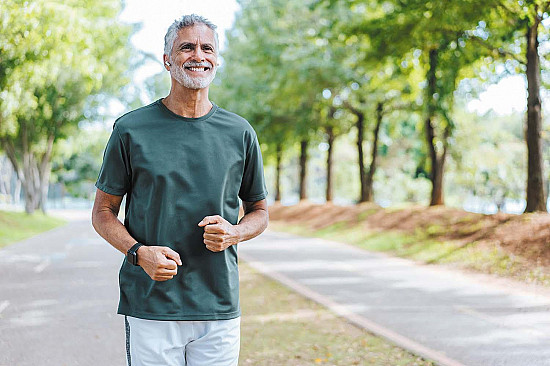
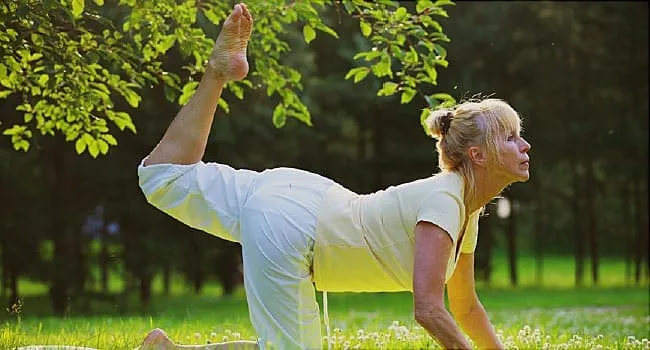
Regular physical activity is one of the most reliable ways to support healthy aging. Exercise improves circulation, helps regulate inflammation, supports muscle and bone health, improves sleep, and may help the immune system patrol the body more efficiently. Moderate activity can include brisk walking, cycling, swimming, dancing, gardening, or resistance training.
Strength training deserves special attention. Age-related muscle loss can increase fall risk, reduce independence, and make recovery from illness harder. Two or more days a week of resistance exercise, adapted to ability level, can help preserve strength. That might mean weight machines, resistance bands, bodyweight movements, or supervised physical therapy exercises.
The key is consistency, not punishment. A 20-minute walk most days is better than one dramatic workout followed by six days of complaining to the sofa. For older adults with medical conditions, balance issues, or long periods of inactivity, a healthcare provider or physical therapist can help create a safe plan.
Sleep, Stress, and the Immune System
Sleep is when the immune system files paperwork, repairs equipment, and updates the security manual. Poor sleep can disrupt immune signaling, increase inflammation, and make it harder to recover from illness. Older adults may experience lighter sleep, earlier waking, pain-related sleep disruption, or medication effects. Still, sleep quality can often improve with consistent wake times, morning light exposure, reduced evening alcohol, limited late caffeine, and a cool, dark bedroom.
Stress also matters. Short-term stress can sharpen alertness, but chronic stress can keep the body in a state of hormonal tension. Over time, this may contribute to inflammation, poor sleep, unhealthy eating patterns, and reduced immune balance. Stress management does not need to look like a luxury spa commercial. It can be a walk, a phone call, prayer, meditation, music, journaling, stretching, gardening, or simply saying no to the third committee meeting that somehow became your entire Tuesday.
Chronic Conditions and Immune Resilience
Immune aging rarely happens in isolation. Diabetes, heart disease, obesity, kidney disease, lung disease, autoimmune disorders, cancer, and depression can all influence immune function. Some conditions increase inflammation. Others affect circulation, tissue repair, or infection risk. Medications may also change immune responses.
Managing chronic conditions is one of the most practical ways to support immune health. Keeping blood sugar, blood pressure, cholesterol, lung symptoms, and medication routines under control can reduce the burden on the body. Preventive care visits may feel ordinary, but they are part of the immune strategy. The immune system performs better when the rest of the body is not constantly dealing with avoidable chaos.
Gut Health and Immune Aging
A large portion of immune activity is connected to the gut. The gut lining, microbiome, and immune cells communicate constantly. With age, changes in diet, medications, illness, and reduced fiber intake can alter the gut microbiome. A less diverse microbiome may be linked with inflammation and weaker resilience.
Fiber-rich foods such as beans, oats, berries, vegetables, nuts, seeds, and whole grains help feed beneficial gut bacteria. Fermented foods like yogurt with live cultures, kefir, sauerkraut, kimchi, and miso may also support microbial diversity for some people. Of course, the gut is not a trendy nightclub where every probiotic gets automatic VIP access. People with weakened immune systems or serious illness should ask a clinician before using probiotic supplements.
Warning Signs That Deserve Medical Attention
Some changes should not be brushed off as “just getting older.” Frequent infections, infections that last unusually long, unexplained weight loss, persistent fever, night sweats, slow-healing wounds, unusual fatigue, shortness of breath, confusion during illness, or repeated falls should be discussed with a healthcare professional. Older adults may not always show classic infection symptoms. For example, a urinary infection or pneumonia may appear as sudden confusion, weakness, appetite loss, or a decline in function.
Early attention can prevent small problems from becoming major ones. The immune system may be older, but it still appreciates good teamwork.
Practical Ways to Support Immunity as You Age
Keep Vaccines Current
Review flu, COVID-19, RSV, shingles, tetanus, and pneumococcal vaccine recommendations with a healthcare provider. Recommendations may vary by age, health status, and vaccine history.
Build a Protein-Rich Plate
Include protein at meals from sources such as fish, poultry, eggs, dairy, beans, lentils, tofu, nuts, or lean meats. Pair it with colorful plants and high-fiber carbohydrates.
Move Most Days
Aim for a mix of aerobic activity, strength training, balance work, and flexibility. The best exercise is the one you can safely repeat.
Prioritize Sleep
Create a steady sleep routine and talk with a healthcare professional if snoring, pain, frequent urination, anxiety, or medications are disrupting rest.
Manage Stress Before It Manages You
Daily stress relief can help lower the body’s inflammatory load. Small practices done consistently often work better than occasional grand gestures.
Stay Socially Connected
Loneliness and isolation can affect health. Social connection supports mood, motivation, movement, and routine. A strong immune plan may include friends, family, neighbors, clubs, faith communities, or volunteer work.
Real-Life Experiences: What the Immunity Challenge Looks Like Day to Day
For many people, immune aging becomes noticeable not through a dramatic medical moment but through small changes. A 68-year-old may say, “I used to bounce back from colds in three days. Now I need a full week and a documentary series.” That experience is common. Recovery can take longer because the immune system, lungs, muscles, and energy reserves are all working with less margin.
Consider the experience of a retired teacher who catches the flu from a grandchild. In her forties, she might have powered through with tea, soup, and mild complaining. In her seventies, the same infection may bring deeper fatigue, dehydration risk, and a cough that lingers. Her best defense is not one magic trick. It is a layered plan: annual flu vaccination, early medical advice when symptoms worsen, fluids, rest, nutritious meals, and help from family so she does not have to “be tough” while carrying laundry baskets like an Olympic event.
Another common experience involves wound healing. A small scrape from gardening may take longer to close in an older adult, especially if circulation is poor or blood sugar is high. This does not mean gardening must stop. It means gloves, cleaning wounds promptly, watching for redness or swelling, and managing diabetes or vascular disease become part of the routine. Prevention is not boring when it keeps you doing what you love.
Some older adults notice that stress hits harder. After caregiving, grief, financial pressure, or poor sleep, they may catch more infections or feel generally run down. This connection is not imaginary. Stress, sleep, inflammation, and immune function communicate constantly. A person who starts walking with a neighbor, joining a senior exercise class, or setting a regular bedtime may not be “curing” immune aging, but they are reducing the number of obstacles their immune system has to climb over each day.
Food habits can change too. Appetite may decline, dental problems may make chewing difficult, or cooking for one may feel uninspiring. Over time, this can reduce protein and micronutrient intake. A practical solution might be Greek yogurt with berries, eggs and whole-grain toast, lentil soup, salmon with vegetables, or a smoothie with protein-rich ingredients. The goal is not a perfect wellness influencer plate. The goal is enough nourishment to maintain strength, support immune cells, and make recovery easier.
Finally, there is the emotional side of immune aging. People may feel frustrated when their bodies do not respond as quickly as they used to. That frustration is real. But aging immunity is not a personal failure. It is biology. The empowering part is that biology responds to support. Every walk, vaccine appointment, balanced meal, good night’s sleep, medication review, and meaningful conversation is a vote for resilience. Aging may change the immune system, but it does not erase the body’s ability to adapt.
Conclusion: Aging Changes Immunity, But It Does Not End Resilience
The immune system ages, but it does not retire. It becomes more complex, sometimes slower, sometimes more inflammatory, and sometimes less responsive to new threats. Immunosenescence and inflammaging help explain why older adults face higher risks from infections, slower recovery, and different vaccine responses. Still, immune aging is not a fixed sentence. It is a challenge that can be met with prevention, movement, nutrition, sleep, stress management, chronic disease control, and regular medical care.
The best strategy is not to chase a “boosted” immune system. A boosted immune system can sound exciting, but balance is better. You want an immune system that responds strongly when needed and calms down when the job is done. Healthy aging is about giving that system the tools, rest, and support it needs to keep protecting you through every decade.
Note: This article is for general educational purposes and should not replace personalized medical advice from a licensed healthcare professional.