You do not need a shiny gym membership, a garage full of iron, or a trainer who yells “one more rep” like you personally stole their lunch. Sometimes, the best fitness tool is the body you already have, a little floor space, and the right YouTube coach explaining why your push-up should not look like a tired worm trying to escape a sidewalk.
Bodyweight training has exploded because it is simple, scalable, and wonderfully democratic. Push-ups, squats, lunges, planks, pull-ups, dips, hollow holds, handstands, and mobility drills can build real strength, coordination, balance, flexibility, and endurance without needing much equipment. The hard part is not finding bodyweight workouts on YouTube. The hard part is finding coaches who teach well, progress intelligently, and do not make every video feel like an emergency broadcast from the land of shredded abs.
This guide highlights the best bodyweight exercise coaches on YouTube for different goals: beginners, calisthenics skills, mobility, muscle building, minimalist training, functional movement, and long-term consistency. Some channels are polished and program-focused. Others are simple, calm, and refreshingly human. All of them can help you train smarter at home, in a park, or in the tiny gap between your couch and coffee table.
Why Bodyweight Training Works So Well
Bodyweight exercise is resistance training. Your muscles still have to produce force, stabilize joints, control tempo, and adapt to progressive challenge. The resistance just happens to be you. Convenient? Yes. Humbling? Also yes, especially the first time a slow eccentric pull-up turns your ego into soup.
The biggest advantage of bodyweight workouts is accessibility. You can train nearly anywhere, and the basic patterns are easy to understand: push, pull, squat, hinge, lunge, brace, crawl, balance, and rotate. Instead of adjusting a machine pin, you adjust leverage, tempo, range of motion, reps, sets, rest time, unilateral variations, or exercise difficulty. A wall push-up becomes an incline push-up, then a floor push-up, then a decline push-up, then a pseudo planche push-up. That is progressive overload without needing to purchase a small mountain of plates.
Bodyweight training also teaches body awareness. A good calisthenics coach does not just say, “Do ten reps.” They explain scapular position, hollow body tension, posterior pelvic tilt, full range of motion, breathing, and why rushing through reps is basically cardio with furniture nearby. This is where YouTube can be powerful: you can see movement from multiple angles, pause the video, replay cues, and follow along at your own pace.
How We Chose the Best Bodyweight Exercise Coaches on YouTube
The best bodyweight coaches are not simply the people with the flashiest thumbnails or the most gravity-defying handstand photos. A strong channel should offer clear instruction, safe progressions, beginner-friendly options, advanced pathways, and a training philosophy that supports consistency rather than chaos.
For this list, the most important criteria were coaching clarity, exercise progression, practical programming, credibility, accessibility, and long-term usefulness. A great YouTube coach should help you answer three questions: What should I do today? How do I know I am doing it correctly? What comes next when this gets easier?
With that in mind, here are the best bodyweight exercise coaches on YouTube, organized by what each one does especially well.
1. Hybrid Calisthenics: Best for Friendly Beginner Progressions
Why this channel stands out
Hybrid Calisthenics, led by Hampton, is one of the most welcoming bodyweight fitness channels online. The vibe is less “destroy your weakness” and more “hello friend, let us patiently build strength while remaining emotionally intact.” That matters. Many beginners quit because fitness content makes them feel behind before they even start. Hybrid Calisthenics does the opposite.
The channel is excellent for people who need clear, non-intimidating progressions. Pull-ups are broken down into easier steps. Push-ups become approachable. Squats, bridges, leg raises, and core work are presented as skills anyone can develop over time. Hampton’s teaching style makes calisthenics feel less like a secret club and more like a lifelong practice.
Best for
Beginners, returning exercisers, people training at home, and anyone who wants bodyweight strength without being yelled at by a shirtless thunderstorm.
2. FitnessFAQs: Best for Technique, Strength, and Smart Calisthenics Progression
Why this channel stands out
FitnessFAQs, created by Daniel Vadnal, is one of the strongest channels for serious calisthenics education. The channel focuses on bodyweight strength, muscle building, mobility, and skill work with a technical but understandable style. If you want to learn why your pull-up stalls, how to progress toward a muscle-up, or why your plank is quietly betraying your spine, FitnessFAQs is a top-tier resource.
The coaching is especially useful because it respects details. You will find explanations about scapular mechanics, tempo, exercise selection, progressive overload, mobility limitations, and common form mistakes. This channel is not just “do this workout and sweat dramatically.” It teaches you how to think about training.
Best for
Intermediate trainees, calisthenics nerds, strength-focused athletes, and anyone who likes understanding the “why” behind the movement.
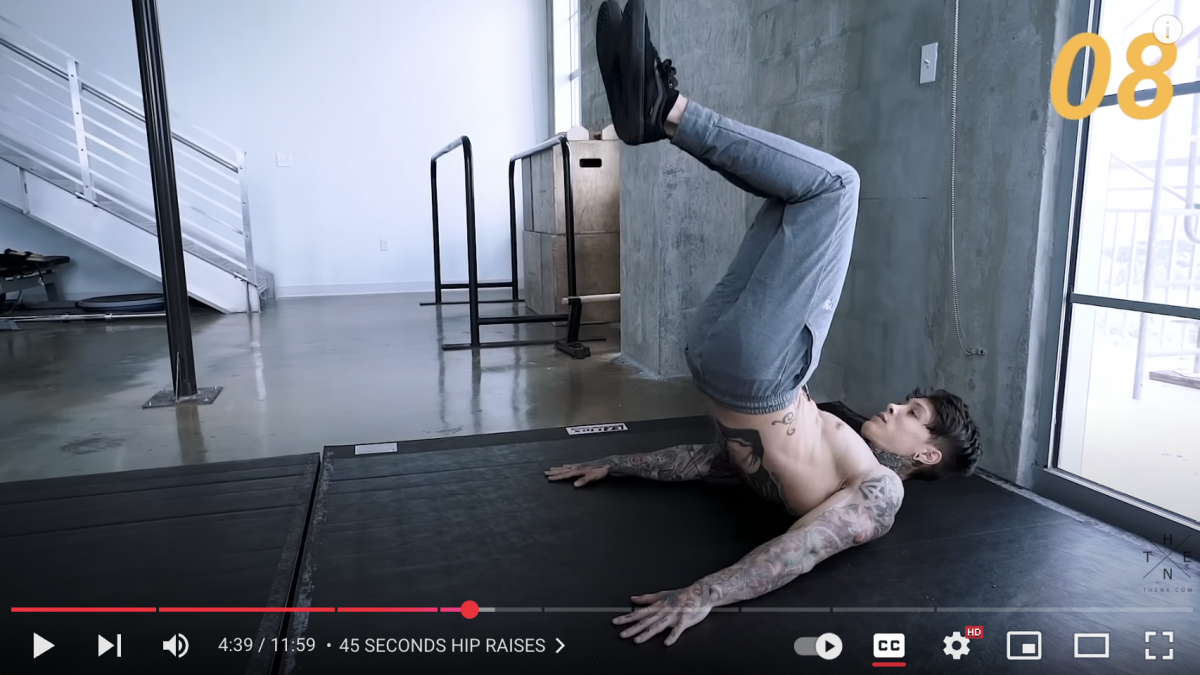
3. THENX and Chris Heria: Best for Calisthenics Skills and High-Energy Training
Why this channel stands out
THENX, closely associated with Chris Heria, is one of the most recognizable names in YouTube calisthenics. The channel is known for slick production, intense workouts, and skill-focused content covering moves like pull-ups, dips, L-sits, handstand push-ups, planche progressions, and explosive bodyweight training.
If Hybrid Calisthenics is the friendly neighbor handing you a sensible beginner plan, THENX is the coach who makes you look at a pull-up bar and think, “Today, we negotiate with gravity.” The videos are motivating, visually sharp, and packed with routines for people who enjoy a challenge.
The key is to scale wisely. Beginners should start with foundational tutorials rather than jumping into advanced skill circuits. Used correctly, THENX can be a powerful source of inspiration and structured calisthenics ideas.
Best for
Motivated beginners, intermediate athletes, advanced calisthenics fans, and viewers who enjoy intense training with a street-workout edge.
4. Calisthenicmovement: Best for Structured, Science-Minded Bodyweight Training
Why this channel stands out
Calisthenicmovement, also known as Cali Move, is excellent for people who want bodyweight training presented in a clean, organized, and methodical way. The channel covers exercise progressions, mobility, warm-ups, strength skills, form corrections, and common training mistakes.
What makes Cali Move valuable is its structure. Many videos feel like mini-lessons rather than random workout challenges. You can learn how to improve your push-up, build toward a handstand, choose better core exercises, or understand why certain progressions make sense. The tone is serious but not boring, which is harder than it sounds. Plenty of fitness education online either feels like a circus or a college lecture recorded inside a refrigerator.
Best for
Viewers who want clean explanations, progressive calisthenics programming, and a logical path from beginner basics to advanced bodyweight skills.
5. Tom Merrick: Best for Mobility, Flexibility, and Handstand Preparation
Why this channel stands out
Tom Merrick, known online as The Bodyweight Warrior, is a must-follow for anyone whose hamstrings feel like guitar strings tuned by a maniac. His channel focuses on bodyweight strength, flexibility, mobility, handstands, and follow-along routines that are practical and calming.
Many people approach calisthenics by only chasing strength: more push-ups, harder pull-ups, deeper dips. Then their shoulders, wrists, hips, and spine file a formal complaint. Tom’s content helps fill that gap. His stretching and mobility routines are especially helpful for people working toward handstands, deep squats, pancake flexibility, bridges, and better overhead positions.
Best for
Calisthenics athletes who need mobility, desk workers with stiff hips, handstand learners, and anyone who wants flexibility training that does not feel like punishment.
6. K Boges: Best for Minimalist Daily Calisthenics
Why this channel stands out
K Boges, also known as Kyle Boggeman, teaches a refreshingly simple approach to fitness. His philosophy centers on basic calisthenics, consistency, full range of motion, and sustainable training. Instead of constantly chasing novelty, he emphasizes simple movements done well: push-ups, pull-ups, dips, rows, squats, lunges, and other foundational exercises.
This channel is perfect for people who feel overwhelmed by complicated fitness plans. K Boges makes training feel doable. You do not need a spreadsheet with 42 tabs, a wearable device yelling about recovery, or a Bulgarian split squat variation named after a medieval weapon. You need a few good exercises, effort, progression, and patience.
Best for
Minimalists, busy adults, former program-hoppers, and trainees who want to build strength and aesthetics with simple bodyweight routines.
7. SaturnoMovement: Best for Calisthenics, Yoga, and Movement Flow
Why this channel stands out
SaturnoMovement blends calisthenics, yoga, flexibility, and movement practice. This makes it ideal for people who do not want to separate strength from mobility or athleticism from control. The channel offers tutorials, workouts, and practices that develop body awareness, balance, range of motion, and skill.
Where some calisthenics channels focus heavily on reps and skills, SaturnoMovement often feels more holistic. You can work on strength, but you can also explore movement quality. That is useful for anyone who wants to move better, not just collect exercises like fitness trading cards.
Best for
People interested in calisthenics plus yoga, movement flow, flexibility, and a more mindful approach to bodyweight training.
8. GMB Fitness: Best for Movement Quality and Joint-Friendly Progressions
Why this channel stands out
GMB Fitness is one of the best resources for people who care about moving well. The channel and training approach emphasize strength, mobility, control, and practical physical freedom. Rather than obsessing over looking heroic in one perfect Instagram pose, GMB focuses on helping regular people feel capable in their bodies.
This is especially useful if you are not 19, indestructible, and powered by protein powder and optimism. GMB’s progressions can be helpful for adults who want strength and mobility without grinding their joints into dust. Expect animal-inspired movements, bodyweight flows, mobility drills, and thoughtful coaching around form and control.
Best for
Adults, beginners, mobility-focused trainees, martial artists, and anyone who wants bodyweight training that supports real-life movement.
9. Strength Side: Best for Strength, Mobility, and Athletic Lifestyle Training
Why this channel stands out
Strength Side combines bodyweight strength, mobility, athletic movement, and lifestyle-focused training. The content often feels practical and grounded: how to move better, get stronger, open tight areas, and build a body that feels useful rather than just decorative.
This channel is particularly strong for people who want a bridge between calisthenics and natural movement. You will find bodyweight routines, mobility work, movement flows, and exercises that support posture, hips, shoulders, and athletic control. It is a good reminder that fitness is not only about surviving a workout; it is about making the rest of your day feel better.
Best for
Viewers who want a blend of bodyweight strength, mobility, flexibility, natural movement, and athletic longevity.
10. Al Kavadlo: Best for Old-School Calisthenics Wisdom
Why this channel stands out
Al Kavadlo is a respected name in calisthenics and bodyweight strength. His coaching style is simple, direct, and rooted in years of real-world training. He is especially good for people who appreciate classic moves: pull-ups, push-ups, dips, pistol squats, hanging leg raises, muscle-ups, and human flags.
Al’s content has an old-school charm. There is less algorithm glitter and more “here is the movement, here is how to build it, now go practice.” That kind of clarity is valuable. The basics may not always look exciting, but they keep working long after trendy workout hacks have wandered off to become supplement ads.
Best for
Fans of classic calisthenics, outdoor training, minimalist strength, and practical bodyweight mastery.
11. Red Delta Project: Best for Simple Muscle-Building Philosophy
Why this channel stands out
Red Delta Project focuses on calisthenics, muscle-building principles, and sustainable training habits. The channel is especially useful for people who want to understand how effort, tension, progression, and consistency drive results without needing a complicated plan.
Some fitness channels make muscle growth sound like a mystical ceremony requiring perfect macros, elite genetics, and a full moon. Red Delta Project takes a more practical approach. It is about using bodyweight exercises intelligently, creating enough muscular tension, and building habits you can repeat.
Best for
People who want simple, principle-based explanations for building muscle and staying consistent with calisthenics.
How to Pick the Right YouTube Coach for Your Goal
The best bodyweight exercise coach for you depends on where you are now. If you are new, start with Hybrid Calisthenics or GMB Fitness. If you want technical calisthenics strength, use FitnessFAQs or Calisthenicmovement. If your goal is high-energy skill training, explore THENX. If your joints feel like they have been assembled from old office supplies, spend time with Tom Merrick, Strength Side, or SaturnoMovement.
For muscle building, combine smart progressions with enough volume and effort. FitnessFAQs, K Boges, Red Delta Project, and Al Kavadlo can all help here. For movement quality, mobility, and long-term resilience, GMB Fitness, Strength Side, Tom Merrick, and SaturnoMovement are excellent choices.
One useful strategy is to choose one “main coach” and one “support coach.” For example, use Hybrid Calisthenics for your basic strength plan and Tom Merrick for mobility. Or use FitnessFAQs for upper-body strength and GMB Fitness for movement preparation. This prevents the classic YouTube fitness trap: watching 79 videos, saving 31 routines, and doing exactly zero workouts because your brain is now a browser with too many tabs open.
Beginner Bodyweight Routine Inspired by These Coaches
If you want a simple starting point, try this three-day weekly routine. Keep every rep controlled, stop one or two reps before form collapses, and progress slowly.
Workout A: Push, Legs, Core
- Incline or floor push-ups: 3 sets of 6–12 reps
- Bodyweight squats: 3 sets of 10–20 reps
- Reverse lunges: 2 sets of 8–12 reps per side
- Plank or hollow body hold: 3 sets of 20–40 seconds
- Easy mobility cooldown: 5–10 minutes
Workout B: Pull, Hinge, Mobility
- Inverted rows or assisted pull-up practice: 3 sets of 5–10 reps
- Glute bridges: 3 sets of 12–20 reps
- Dead bugs: 3 sets of 8–12 reps per side
- Scapular pulls or wall slides: 2–3 sets of controlled reps
- Hip and shoulder mobility: 5–10 minutes
Alternate these sessions across the week. When you can complete the top end of the rep range with clean form, make the movement slightly harder. That might mean lowering the incline on push-ups, slowing the tempo, adding a pause, increasing range of motion, or moving to a more difficult variation.
Common Mistakes When Following Bodyweight Coaches on YouTube
The first mistake is copying advanced athletes too soon. A clean wall push-up beats a collapsing one-arm push-up every time. Your joints do not care how inspirational the thumbnail was.
The second mistake is changing programs every week. YouTube rewards novelty, but your body rewards repetition and progression. Pick a plan and stay with it long enough to measure results.
The third mistake is ignoring mobility and recovery. Calisthenics can be demanding on wrists, elbows, shoulders, hips, and knees. Warm up, use progressions, and give your body time to adapt. Training hard is great. Training hard while pretending pain is just spicy motivation is not great.
Experience Notes: What It Feels Like to Train With YouTube Bodyweight Coaches
The best thing about using bodyweight exercise coaches on YouTube is that you quickly learn fitness does not have to be complicated to be effective. In the beginning, it can feel almost too simple. You watch a coach explain push-ups, squats, rows, bridges, and planks, and part of your brain says, “That is it?” Then you slow the reps down, use full range of motion, brace properly, and suddenly your living room becomes a very serious athletic facility with suspiciously judgmental furniture.
A smart first month usually feels like skill practice more than punishment. You are learning where your shoulder blades go during push-ups. You are discovering that a squat is not just bending your knees and hoping for the best. You are finding out that core training is less about doing frantic crunches and more about controlling your pelvis, ribs, and breathing. This is why channels like Hybrid Calisthenics, FitnessFAQs, Tom Merrick, and GMB Fitness are so useful: they make you pay attention.
Another experience most people have is the “humbling basics” phase. You may be strong in one area and surprisingly weak in another. Maybe push-ups feel fine, but rows expose your upper back. Maybe squats are easy, but deep mobility work makes your hips send a strongly worded email. Maybe you thought planks were boring until a coach cues a proper hollow body position and 20 seconds suddenly feels like a documentary about survival.
After a few weeks, progress becomes noticeable in small but satisfying ways. Stairs feel easier. Your posture improves. Your wrists tolerate more load. You can do more reps without rushing. You start recognizing good form in videos and bad form in your own reflection, which is both useful and mildly rude. The biggest win is confidence: you realize you can train without waiting for perfect conditions.
The challenge is staying focused. YouTube is full of excellent coaches, but it is also an endless buffet. If you sample everything at once, you end up with a plate full of muscle-up tutorials, mobility flows, ab circuits, pistol squat progressions, and no actual weekly structure. The better approach is boring in the best way: choose one main plan, repeat it, track it, and use extra videos only to solve specific problems.
Bodyweight training also teaches patience. Skills like pull-ups, dips, handstands, L-sits, and pistol squats rarely arrive on your preferred schedule. They appear after weeks or months of consistent practice, like tiny fitness miracles with calluses. That is why the right YouTube coach matters. A good coach keeps you progressing safely, reminds you to respect fundamentals, and helps you enjoy the process instead of treating every workout like a personal referendum on your character.
In the long run, the best experience is freedom. You can train in a hotel room, backyard, park, office break room, or apartment. You can build strength with almost no equipment. You can improve mobility while coffee brews. You can maintain fitness even when life gets busy. That is the real magic of the best bodyweight exercise coaches on YouTube: they do not just give you workouts. They teach you how to own your training.
Conclusion
The best bodyweight exercise coaches on YouTube make fitness more accessible, more understandable, and a lot less dependent on expensive equipment. Hybrid Calisthenics is ideal for beginners. FitnessFAQs and Calisthenicmovement are excellent for technical strength and progression. THENX brings intensity and skill inspiration. Tom Merrick, GMB Fitness, SaturnoMovement, and Strength Side help you move better. K Boges, Al Kavadlo, and Red Delta Project prove that simple training can still be powerful.
If you are just starting, do not try to follow everyone at once. Choose one coach, pick a beginner-friendly routine, train consistently for four to eight weeks, and track your progress. The internet will always have another shiny workout. Your body, however, responds best to clear practice, good form, gradual overload, and enough recovery.
Note: This article is for general fitness education only. If you have an injury, medical condition, severe pain, or are returning to exercise after a long break, consult a qualified healthcare or fitness professional before beginning a new training program.