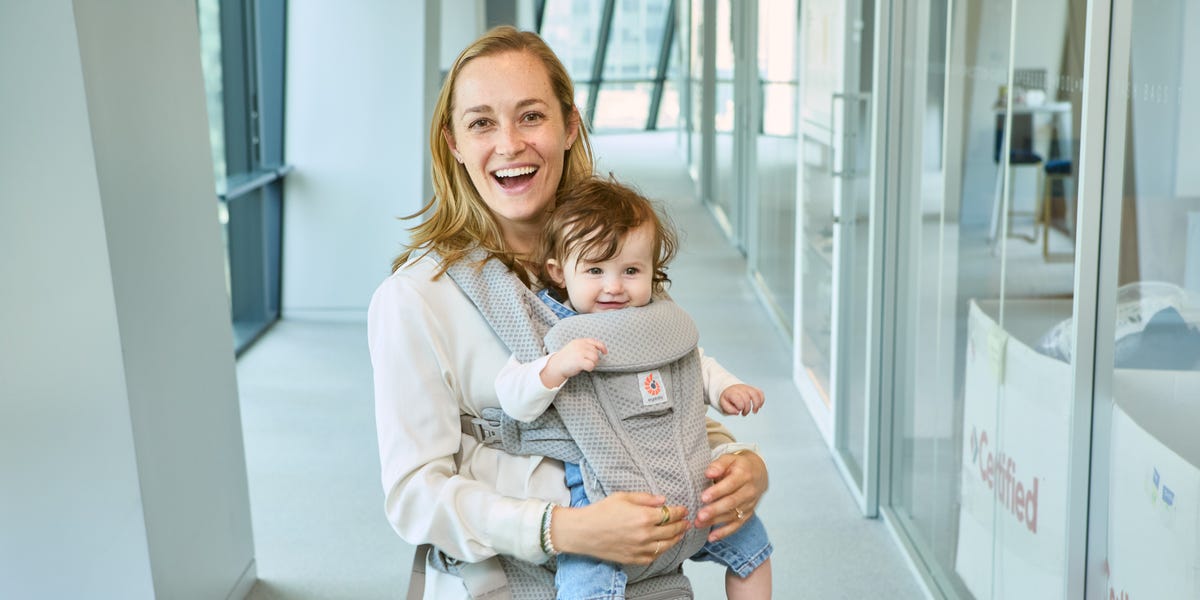
A great baby carrier performs a small parenting miracle: It keeps your baby close, gives you two functioning hands and may even let you drink coffee while it is still warm. That last achievement alone deserves an award.
Unfortunately, choosing one can feel like enrolling in an advanced course on buckles, lumbar panels, hip positioning and mysterious straps that appear to have no earthly purpose. To identify the best baby carriers of 2025, we compared hands-on evaluations from parent testing panels, baby-gear laboratories and child-development experts with current manufacturer specifications. More than a dozen reputable U.S. sources were reviewed, including Good Housekeeping, Parents, BabyGearLab, The Bump, Babylist, the Consumer Product Safety Commission and the International Hip Dysplasia Institute.
The strongest carriers were not simply the softest or most expensive. They supported a healthy seated position, kept the baby’s airway visible, distributed weight comfortably and could be adjusted without requiring a second adult, three mirrors and a degree in mechanical engineering. Major 2025 testing programs evaluated comfort, ease of use, ergonomics, adjustability, cleaning and performance with babies of different sizes.
Best Baby Carriers of 2025 at a Glance
| Category | Baby Carrier | Best For |
|---|---|---|
| Best Overall | Ergobaby Omni Deluxe | Long walks, daily errands and growing babies |
| Best Premium Carrier | BabyBjörn Harmony | Easy adjustments and supportive construction |
| Best for Newborns | BabyBjörn Mini | Simple, lightweight carrying during the first year |
| Best Baby Wrap | Solly Baby Wrap | Soft newborn snuggles and compact storage |
| Best Hybrid Carrier | WildBird Aerial | Wrap-like softness with buckle convenience |
| Best for Larger Parents | Tula Explore | Inclusive sizing and easy caregiver switching |
| Best Budget Carrier | Momcozy PureHug | Affordable, uncomplicated everyday use |
| Best Compact Structured Carrier | Beco Gemini | Travel, warm weather and smaller frames |
How We Chose the Best Baby Carriers
Our selections prioritize four practical questions. Is the baby positioned securely? Is the carrier comfortable after more than a ten-minute victory lap around the living room? Can one caregiver put it on without help? Will it remain useful as the baby grows?
We favored models with clearly defined weight limits, adjustable seats, supportive shoulder straps, machine-washable materials and instructions that make safe positioning easy to understand. We also considered breathability, storage, size inclusivity and whether a carrier could move between caregivers without a complete strap-resetting ceremony.
The Best Baby Carriers of 2025
1. Ergobaby Omni Deluxe: Best Overall Baby Carrier
The Ergobaby Omni Deluxe earns our best overall designation because it balances long-wear comfort, versatility and practical storage better than most competitors. It supports babies from 7 to 45 pounds and offers four carrying positions: front inward-facing, front outward-facing, hip and back carry.
Padded shoulder straps and substantial lumbar support spread the baby’s weight across the wearer’s torso instead of concentrating it on two increasingly offended shoulders. The seat can be adjusted as the baby grows, while the head-support panel and privacy hood add useful support during naps and sunny outings.
The Omni Deluxe also includes several storage areas, reducing the need to bring a full diaper bag for a short walk. Parent testers particularly praised its security and comfort during extended use. Its main disadvantage is the initial setup: There are enough adjustment points to make the first fitting feel slightly technical. Once fitted, however, it becomes far easier to use.
Best for: Parents who want one structured carrier that can handle newborn snuggles, neighborhood walks and toddler adventures.
2. BabyBjörn Harmony: Best Premium Baby Carrier
The BabyBjörn Harmony combines substantial support with an unusually intuitive front-opening design. Four front buckles make it easier to place and remove a baby without attempting the behind-the-back buckle gymnastics required by some carriers.
It accommodates children from 7 to 40 pounds and supports newborn, inward-facing, outward-facing and back-carry positions. Padded shoulder straps, a supportive waist belt and a structured back panel help distribute weight, making the Harmony a strong choice for longer outings.
The breathable mesh version is particularly appealing in warm climates. The carrier is not cheap, and its bulk may be unnecessary for parents seeking a simple newborn-only option. Nevertheless, it is polished, supportive and refreshingly easy to adjust.
Best for: Families willing to pay more for convenience, ventilation and a carrier that different caregivers can learn quickly.
3. BabyBjörn Mini: Best Baby Carrier for Newborns
Newborn carriers do not need enough pockets for a wilderness expedition. They need to be soft, secure and easy to use when the wearer has slept for approximately eleven minutes.
The BabyBjörn Mini succeeds because it keeps things simple. Its lightweight construction, adjustable head support and front-opening design suit the early months when babies need frequent carrying and parents need equipment that does not require a tutorial every time.
It is designed for babies from about 7 to 24 pounds and can be used inward-facing or outward-facing once the child has adequate head and neck control. The trade-off is longevity. Most babies will outgrow it sooner than a full-size structured carrier, so it is best viewed as a specialized newborn carrier rather than a birth-to-toddler solution.
Best for: Parents who value fast setup and soft, lightweight support during a baby’s first year.
4. Solly Baby Wrap: Best Baby Wrap
The Solly Baby Wrap is made for parents who want the close, cocoon-like feel of a wrap without carrying a heavy stack of fabric. Its stretchy material molds around the wearer and baby, making it comfortable for contact naps, gentle walks and pacing through the house during the mysterious evening fussiness hour.
It is safety-tested for babies from 8 to 25 pounds and is especially useful during the first six months. Once correctly tied, it provides snug, even support and folds down small enough to live in a diaper bag.
The obvious drawback is the learning curve. A wrap is not difficult after practice, but the first few attempts may resemble an interpretive dance involving several yards of fabric. It also becomes less supportive as babies approach its upper weight range.
Best for: Newborns, travel and parents who prefer a soft carrier over buckles and structured panels.
5. WildBird Aerial: Best Hybrid Baby Carrier
The WildBird Aerial sits between a traditional buckle carrier and a soft wrap. It has a padded waistband and supportive shoulder straps, but its linen-rich fabric creates a softer, less technical appearance than many all-position carriers.
The Aerial has been tested to the ASTM soft-carrier standard for babies from 7 to 45 pounds, although the manufacturer recommends considering a baby’s height and developmental readiness in addition to weight. The carrier is generally best suited to babies whose airways and ears sit safely above the top panel.
Its wide straps distribute pressure well, and the breathable material is useful in warmer weather. Some caregivers may need time to position the straps evenly, but once fitted, the Aerial offers an appealing mix of style, comfort and security.
Best for: Parents who love the look and softness of a wrap but prefer the predictability of buckles.
6. Tula Explore: Best Carrier for Partners and Larger Parents
A baby carrier is only useful if it fits the person wearing it. The Tula Explore stands out for its generous adjustment range, padded straps and ability to move between caregivers with different body shapes.
It supports babies from 7 to 45 pounds without requiring a separate infant insert. The standard waistband extends to approximately 57 inches, and an optional extender can increase the range further. Carrying options include inward-facing, outward-facing and back carry.
The Explore feels substantial, which is excellent for support but less ideal for parents seeking an ultralight travel carrier. Its broad waistband and shoulder padding are especially valuable once a baby becomes less “tiny newborn” and more “cheerful sack of potatoes.”
Best for: Households in which caregivers regularly share a carrier or need an inclusive waistband range.
7. Momcozy PureHug: Best Budget Baby Carrier
The Momcozy PureHug proves that a usable structured carrier does not have to consume the entire baby-gear budget. Its straightforward design includes a supportive waistband, crossable shoulder straps and an adjustable seat.
It is recommended for babies approximately 3 to 24 months old and is tested for weights between 7 and 45 pounds. The carrier lacks some of the premium padding, storage and multiple-position versatility found in more expensive models, but its simplicity can be an advantage for parents who do not want twelve adjustment systems.
The cotton material may feel stiff initially and generally softens with washing. It is a practical everyday carrier for errands and shorter walks rather than the most luxurious choice for all-day sightseeing.
Best for: Budget-conscious families who want a basic, washable structured carrier.
8. Beco Gemini: Best Compact Structured Carrier
The Beco Gemini is a long-running favorite because it offers four carrying positions in a relatively compact package. It supports babies from 7 to 35 pounds, requires no separate infant insert and has crossable shoulder straps that help smaller-framed wearers obtain a closer fit.
The adjustable seat accommodates inward-facing, outward-facing, hip and back carrying. The Gemini Cool version adds a ventilated panel, making it a good option for summer walks, travel and households where both the adult and baby seem to generate their own weather systems.
Its maximum weight is lower than that of several competitors, and some users find its buckles less intuitive. Still, it remains a strong value for parents who want a lighter structured carrier without sacrificing useful carrying positions.
Best for: Urban errands, travel and parents who find large all-in-one carriers too bulky.
How to Use a Baby Carrier Safely
A carrier should hold a baby high and snug against the adult’s body. The baby’s face must remain visible, with the nose and mouth uncovered and the chin lifted away from the chest. Babies younger than four months require particular care because weak head and neck control can allow fabric or positioning to obstruct breathing.
The baby’s hips should be flexed in a supported “M” position, with the knees slightly higher than the bottom and the thighs supported. Avoid carriers that leave a young infant’s legs hanging straight downward for prolonged periods.
Always follow the manufacturer’s minimum weight, height and developmental requirements. Check buckles, seams, straps and fabric before each use, and do not use a carrier during activities involving running, cycling, cooking over heat or handling hot liquids. The CPSC specifically warns that slings can create suffocation hazards when a baby’s face is covered or the chin becomes compressed against the chest.
How to Choose the Right Baby Carrier
Consider Your Baby’s Age
Stretchy wraps and compact newborn carriers are often easiest during the first few months. As babies become heavier and more curious, a structured carrier with a supportive waistband usually becomes more comfortable.
Think About Where You Will Use It
For housework and quick errands, simplicity matters. For long walks or travel, prioritize lumbar support, padded straps and breathable fabric. A carrier that feels delightful for fifteen minutes may feel considerably less delightful by mile three.
Check the Adult Fit
Waistband length is only one part of carrier fit. Shoulder-strap placement, torso length and the ability to cross straps can dramatically affect comfort. Whenever possible, try the carrier with realistic weight before buying.
Do Not Ignore Washability
Babies contribute drool, milk and surprise bodily fluids with admirable consistency. A machine-washable carrier is not a luxury; it is a peace treaty.
Real-Life Babywearing Experiences Parents Should Expect
The first experience with a baby carrier is rarely cinematic. There may be dangling straps, repeated checks of the instruction manual and a baby who chooses that exact moment to express a strongly worded opinion. This does not automatically mean the carrier is wrong. Most parents need several practice sessions before putting it on becomes automatic.
A useful approach is to practice with another adult nearby while standing over a bed or other soft surface. Adjust the empty carrier first, then place the baby inside and tighten each strap gradually. When the fit is correct, the baby should feel close enough that the wearer does not need to lean backward to counterbalance the weight.
Parents often discover that the best carrier changes with the situation. A stretchy wrap may be wonderful for a sleepy eight-week-old at home but frustrating in a windy parking lot, where fabric ends appear determined to sweep the pavement. A structured carrier is faster outdoors, although its padded waistband takes up more room in a diaper bag.
Sharing a carrier between partners introduces another lesson: Photograph the preferred strap settings or mark them discreetly. Otherwise, every handoff becomes a fresh fitting appointment. Models such as the Tula Explore and Ergobaby Omni Deluxe make switching easier, but substantial differences in torso length still require adjustment.
Longer walks reveal pressure points that are not obvious during a quick indoor test. Shoulder discomfort often means the waistband is too low or loose, allowing the baby’s weight to pull away from the adult’s body. Raising and tightening the waistband usually shifts more weight onto the hips. The goal is not to tighten everything until breathing becomes a premium feature; the carrier should feel secure without digging into the wearer or compressing the baby.
Temperature also matters. A carrier effectively adds another warm body and several fabric layers. Mesh panels and lightweight wraps can help, but no carrier creates air-conditioning. In hot weather, dress both wearer and baby lightly, choose shaded routes and check the baby’s neck and chest for overheating.
Many parents report that carriers are most valuable in ordinary moments rather than grand adventures. They help during grocery trips, airport lines, dog walks and evenings when a baby refuses to nap anywhere except directly against another human. They can also make outings with an older sibling easier because the baby remains secure while the adult keeps both hands available.
The final real-world lesson is that there may not be one perfect carrier for every stage. Some families use a soft wrap during the newborn period and transition to a structured model as the baby grows. That is not a failure of minimalist parenting. It is simply an acknowledgment that an eight-pound newborn and a thirty-pound toddler are very different passengers.
Final Verdict
The Ergobaby Omni Deluxe is the best baby carrier of 2025 for most families because it combines supportive weight distribution, four carrying positions, broad adjustability and enough storage for everyday errands. The BabyBjörn Harmony is an excellent premium alternative for parents who prioritize intuitive buckles, while the BabyBjörn Mini and Solly Baby Wrap are particularly well suited to newborn life.
Parents sharing a carrier should consider the Tula Explore, and budget shoppers can get dependable everyday performance from the Momcozy PureHug. Whichever model you choose, correct positioning matters more than branding, color or the number of pockets. A properly fitted carrier should keep the baby visible, supported and close while allowing the adult to move comfortablyand perhaps finish that coffee before it becomes an iced beverage by accident.
SEO Information
Editorial note: Product availability, fabrics and specifications may change. Review the current manufacturer instructions, inspect the carrier before every use and check the U.S. Consumer Product Safety Commission database for recalls or safety warnings.