Pregnancy has a funny way of turning food into a full-time committee meeting. One day you are happily eating scrambled eggs; the next day the smell of eggs makes you want to resign from breakfast forever. Meanwhile, everyone from your aunt to the cashier at the grocery store seems to have an opinion about what should be on your plate.
Here is the calmer, dietitian-approved truth: the best foods to eat when you’re pregnant are not mysterious, expensive, or available only in a tiny jar from a wellness boutique. A healthy pregnancy diet is built around nutrient-dense foods that support your body, your baby’s growth, steady energy, digestion, and healthy weight gain. That means protein, fiber-rich carbohydrates, healthy fats, folate, iron, calcium, vitamin D, choline, iodine, and omega-3 fatty acids all deserve a seat at the table.
This guide highlights six of the best pregnancy foods, why dietitians recommend them, and how to eat them safely. Think of it as a practical grocery list with fewer scare tactics and more “yes, you can absolutely make this work on a Tuesday night.”
What Makes a Food Great During Pregnancy?
A great pregnancy food does more than fill you up. It helps deliver nutrients that are especially important during pregnancy, such as folate for early neural tube development, iron for increased blood volume, calcium and vitamin D for bones and teeth, protein for growth, choline for brain development, and DHA omega-3 fats for the baby’s brain and eyes.
Dietitians also look for foods that are realistic. If a food is nutritious but requires seventeen steps, a special pan, and the patience of a saint, it may not survive morning sickness, fatigue, or the sudden need to nap at 3:12 p.m. The best pregnancy foods are flexible, safe when prepared properly, and easy to add to meals you already enjoy.
1. Eggs
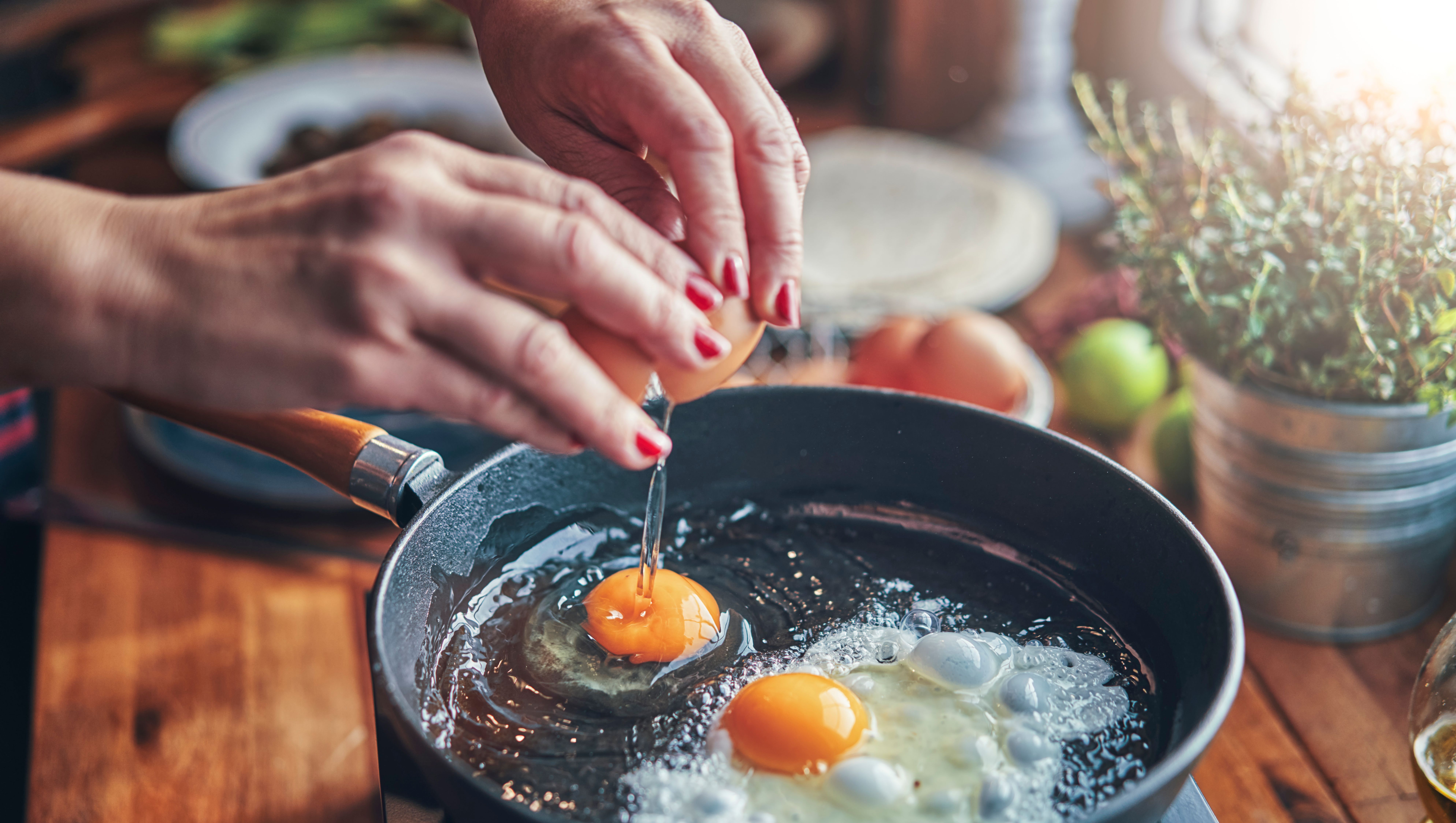
Eggs are a small food with a surprisingly impressive resume. They provide high-quality protein, vitamin B12, iodine, selenium, and choline. Choline is especially important during pregnancy because it plays a role in fetal brain and nervous system development. Many prenatal vitamins contain little or no choline, so food sources can matter.
Why dietitians love eggs during pregnancy
Eggs are affordable, quick to cook, and easy to pair with other pregnancy-friendly foods. A veggie omelet can bring together protein, folate-rich greens, and fiber in one meal. Hard-boiled eggs can make a simple snack, especially when your appetite is unpredictable but your stomach is loudly filing complaints.
How to eat eggs safely
Cook eggs until both the yolk and white are firm. Avoid raw or undercooked eggs in foods such as homemade Caesar dressing, raw cookie dough, or certain homemade sauces unless pasteurized eggs are used. Food safety matters more during pregnancy because foodborne illnesses can carry greater risks.
Easy pregnancy meal ideas
Try scrambled eggs with spinach and whole-grain toast, a breakfast burrito with beans and pasteurized cheese, or egg salad made with Greek yogurt instead of part of the mayonnaise. For a snack, pair a hard-boiled egg with fruit or whole-grain crackers.
2. Greek Yogurt and Other Pasteurized Dairy Foods
Greek yogurt is one of the best foods to eat when you’re pregnant because it offers protein, calcium, and often probiotics. Calcium helps support the baby’s developing bones and teeth, while protein supports growth and helps keep you satisfied between meals. If you choose fortified dairy or fortified soy alternatives, you may also get vitamin D.
Why dietitians recommend it
Greek yogurt is thicker and usually higher in protein than regular yogurt. It can be sweet, savory, breakfast, snack, or sauce. In other words, it is the overachiever of the refrigerator. Calcium-rich foods are especially helpful because pregnancy increases the demand for bone-building nutrients.
Food safety tip
Choose pasteurized milk, yogurt, and cheese. Avoid unpasteurized dairy products and soft cheeses made with unpasteurized milk because they can increase the risk of harmful bacteria such as Listeria.
Easy pregnancy meal ideas
Top plain Greek yogurt with berries, chia seeds, and a little granola. Use it as a creamy base for smoothies, mix it with herbs for a dip, or spoon it over baked sweet potatoes. If dairy does not agree with you, look for fortified soy yogurt or fortified soy milk, which can provide similar key nutrients.
3. Low-Mercury Fatty Fish, Especially Salmon
Salmon is a standout pregnancy food because it provides protein, vitamin D, iodine, and DHA omega-3 fatty acids. DHA is important for fetal brain and eye development. The key is choosing fish that are lower in mercury and preparing them safely.
Why dietitians recommend salmon
Many pregnant people do not eat enough seafood, even though low-mercury fish can be a valuable part of a healthy pregnancy diet. Salmon, sardines, trout, anchovies, and herring are examples of fish that can offer omega-3 fats while generally being lower in mercury than large predatory fish.
How much fish is recommended?
Pregnant people are generally encouraged to eat 8 to 12 ounces per week of a variety of lower-mercury seafood. That is about two to three servings weekly. Avoid high-mercury fish such as shark, swordfish, king mackerel, marlin, orange roughy, bigeye tuna, and tilefish from the Gulf of Mexico.
Safe and simple ways to eat it
Choose fully cooked fish. Try baked salmon with lemon and olive oil, salmon tacos with cabbage slaw, or canned salmon mixed into patties. If seafood smells impossible during your first trimester, do not panic. Pregnancy has strong opinions. Try again later, or ask your healthcare provider whether a DHA supplement is appropriate.
4. Lentils, Beans, and Chickpeas
Lentils, beans, and chickpeas are pregnancy superheroes wearing very humble capes. They provide plant-based protein, fiber, iron, magnesium, potassium, and folate. Folate is particularly important before and during pregnancy because it supports early development of the baby’s brain and spine.
Why dietitians love legumes
Legumes help solve several common pregnancy challenges at once. Need more fiber? Beans. Need affordable protein? Lentils. Need a meal that can be cooked once and eaten three ways? Chickpeas. Fiber can also help with constipation, a pregnancy symptom that deserves no poetry but plenty of practical solutions.
Iron and vitamin C: a smart pairing
The iron in plant foods is called non-heme iron, and it is absorbed better when eaten with vitamin C. Pair lentil soup with tomatoes, bean tacos with salsa, or chickpea salad with bell peppers and lemon juice.
Easy pregnancy meal ideas
Make lentil soup, black bean burrito bowls, hummus with whole-grain pita, chickpea pasta, or a bean-and-vegetable chili. If beans make you bloated, rinse canned beans well, start with smaller portions, and increase gradually.
5. Leafy Greens and Colorful Vegetables
Spinach, kale, romaine, broccoli, bell peppers, carrots, and sweet potatoes bring a wide range of nutrients to a pregnancy diet. Leafy greens offer folate, vitamin K, vitamin C, magnesium, and fiber. Orange vegetables such as sweet potatoes and carrots provide beta carotene, which the body can convert into vitamin A as needed.
Why dietitians recommend more vegetables
Vegetables are nutrient-dense and naturally rich in fiber, which supports digestion and helps meals feel more satisfying. They also add color, texture, and freshness, which can be surprisingly important when pregnancy cravings are steering the car.
Food safety tip
Wash produce well under running water before eating, cutting, or cooking. Avoid raw sprouts, which can carry bacteria that are difficult to wash away. Cooked greens are a great option if raw salads suddenly feel unappealing or if you want a warmer, gentler meal.
Easy pregnancy meal ideas
Add spinach to eggs, soups, pasta, or smoothies. Roast sweet potatoes and broccoli with olive oil. Toss bell peppers into fajitas, or make a colorful grain bowl with greens, beans, avocado, and a pasteurized yogurt-based dressing.
6. Oats and Fortified Whole Grains
Oats and fortified whole grains are excellent pregnancy foods because they provide complex carbohydrates, fiber, B vitamins, and steady energy. Many fortified cereals and enriched grain products also contain folic acid and iron, two nutrients that become especially important during pregnancy.
Why dietitians recommend whole grains
Pregnancy can make energy levels feel like a phone battery stuck at 12 percent. Whole grains help provide long-lasting fuel. They are also gentle, versatile, and often easier to tolerate during nausea than heavier meals.
What to choose
Look for oats, brown rice, quinoa, whole-wheat bread, whole-grain pasta, and fortified cereals with modest added sugar. Fortified cereal can be especially useful for people who struggle with appetite in the morning but can manage a small bowl with milk or yogurt.
Easy pregnancy meal ideas
Try oatmeal with banana and peanut butter, overnight oats with berries, whole-grain toast with avocado and egg, or quinoa bowls with roasted vegetables and salmon. For nausea-prone mornings, dry whole-grain cereal can be a surprisingly helpful bedside snack.
How to Build a Balanced Pregnancy Plate
A simple pregnancy plate can include one protein food, one fiber-rich carbohydrate, one or two fruits or vegetables, and a source of healthy fat. For example, you might build a plate with salmon, brown rice, roasted broccoli, and avocado. Another option is eggs, whole-grain toast, berries, and Greek yogurt.
You do not need to eat perfectly. You need patterns that support you most of the time. Some days, dinner will be lentil soup and a beautiful salad. Other days, it may be toast, yogurt, and a firm conversation with your nausea. Both days count.
Foods and Drinks to Limit or Avoid During Pregnancy
While this article focuses on the best foods to eat during pregnancy, safety is part of good nutrition. Avoid alcohol during pregnancy. Limit caffeine according to your healthcare provider’s guidance; many experts recommend keeping it below 200 milligrams per day. Avoid unpasteurized milk and cheeses, raw or undercooked meat, raw or undercooked eggs, refrigerated pâtés or meat spreads, raw sprouts, and high-mercury fish.
Deli meats and hot dogs should be heated until steaming hot before eating. Leftovers should be refrigerated promptly and reheated thoroughly. These steps may sound fussy, but they are simple ways to reduce the risk of foodborne illness.
Do You Still Need a Prenatal Vitamin?
For many pregnant people, yes. A prenatal vitamin helps fill nutrient gaps, especially for folic acid, iron, iodine, vitamin D, and other key nutrients. However, prenatal vitamins are not a replacement for food. Think of them as a safety net, not the entire circus tent.
Ask your OB-GYN, midwife, or registered dietitian which prenatal vitamin is right for you. Your needs may differ if you are carrying multiples, following a vegetarian or vegan diet, dealing with severe nausea, managing anemia, or living with a medical condition.
Real-Life Experiences: Making These Pregnancy Foods Easier to Eat
Knowing the best foods to eat when you’re pregnant is one thing. Actually eating them while tired, queasy, busy, emotional, or suddenly offended by the smell of garlic is another. Many pregnant people discover that nutrition becomes less about perfect meal plans and more about flexible problem-solving.
One common experience is the “breakfast identity crisis.” You may have loved eggs before pregnancy, only to find that eggs now smell like they have committed a crime. If that happens, try changing the form. A hard-boiled egg may be easier than scrambled eggs. An egg baked into a whole-grain muffin may be easier than an omelet. If eggs are still a firm no, lean on Greek yogurt, beans, dairy, soy foods, or cooked fish for protein until your appetite changes.
Another real-life issue is nausea. When morning sickness shows up, big meals can feel impossible. Small, frequent meals often work better. Oatmeal, dry whole-grain cereal, toast, bananas, yogurt, smoothies, and simple soups can be easier to tolerate. Some people keep crackers near the bed and eat a few before standing up. Is it glamorous? No. Is it practical? Absolutely.
Cravings also deserve a realistic approach. If you crave salty foods, try pairing them with something nourishing: whole-grain toast with avocado, a bean burrito with salsa, or Greek yogurt ranch dip with vegetables. If sweets are calling your name, add nutrition instead of turning the moment into a courtroom drama. Greek yogurt with fruit, oatmeal with cinnamon, or a smoothie with berries can satisfy sweetness while still bringing protein, fiber, and vitamins.
Constipation is another frequent pregnancy complaint, and fiber-rich foods can help. Lentils, beans, berries, vegetables, oats, and whole grains are useful here, especially when paired with enough fluids. Increase fiber slowly, though. Going from zero beans to a giant bowl of chili may cause your digestive system to send a strongly worded letter.
Meal prep can make pregnancy nutrition easier, but it does not need to be elaborate. Cook a pot of lentils, wash fruit, boil eggs, roast sweet potatoes, or portion yogurt into containers. A few ready-to-eat options can prevent the emergency situation where hunger arrives suddenly and the only thing that sounds edible is cereal eaten directly from the box.
For people with food aversions, the best strategy is substitution, not guilt. Cannot handle salmon? Try sardines, trout, or a provider-approved DHA supplement. Dairy feels heavy? Try fortified soy milk or lactose-free yogurt. Raw salads sound terrible? Eat cooked spinach in soup or pasta. Pregnancy nutrition is not a test of moral character. It is a daily practice of feeding yourself in a way that supports your body and your baby.
The most helpful mindset is gentle consistency. Choose nutrient-dense foods often, follow food safety basics, take your prenatal vitamin as recommended, and talk with your healthcare provider about personal concerns. Your pregnancy plate does not have to be perfect to be powerful.
Conclusion
The best foods to eat when you’re pregnant are the ones that deliver important nutrients and fit into real life. Eggs, Greek yogurt, low-mercury fatty fish, lentils and beans, leafy greens and colorful vegetables, and oats or fortified whole grains all bring something valuable to the table. Together, they can help support fetal development, maternal energy, digestion, and overall wellness.
Dietitians often emphasize variety because no single food can do everything. Pregnancy nutrition works best as a pattern: balanced meals, safe preparation, steady hydration, and personalized guidance from your healthcare provider. Eat better, not twice as much. And when the baby wants a snack at midnight? Choose something nourishing when you can, laugh when you must, and remember that you are doing important work.
Note: This article is for educational purposes only and is not a substitute for personalized medical advice. Pregnant readers should speak with a qualified healthcare provider or registered dietitian about individual nutrition needs, supplements, food allergies, medical conditions, and pregnancy complications.