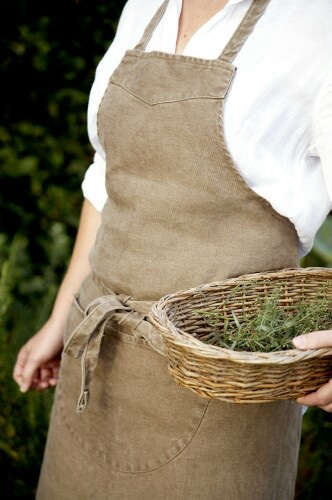
Some aprons shout, “I am here to protect your shirt from spaghetti sauce.” The Stonehenge Linen Apron says the same thing, but with better posture, calmer colors, and the kind of quiet confidence usually reserved for chefs who can chop onions without crying. Designed as a linen utility apron and associated with Libeco, this piece sits in that sweet spot between kitchen workhorse, garden companion, craft-studio shield, and stylish host accessory.
At first glance, the name “Stonehenge” gives the apron a sense of earthy permanence. It sounds grounded, historic, and slightly mysteriouslike something you might wear while baking sourdough, arranging dahlias, or preparing a dinner party where the cheese board has more personality than half the guest list. But behind the poetic name is a practical idea: a durable linen apron made for real tasks, real messes, and real homes.
What Is the Stonehenge Linen Apron?
The Stonehenge Linen Apron is a premium linen apron listed in curated home-design circles as a Libeco piece, with Didriks noted as the retailer at the time of publication. It has been described in available colors such as brown, gray, and orange, which immediately separates it from the average “plain white kitchen apron that becomes a tomato-sauce crime scene by Tuesday.” These grounded tones fit beautifully into rustic kitchens, modern farmhouse spaces, minimalist interiors, and outdoor cooking setups.
The main keyword here is simple: Stonehenge Linen Apron. But the appeal goes beyond the product name. People searching for a linen kitchen apron, Belgian linen apron, utility apron, gardening apron, or durable cooking apron are often looking for the same thing: a comfortable, good-looking apron that works hard without looking like restaurant uniform laundry.
Why Linen Makes Sense for an Apron
Linen has been used for household textiles for centuries because it is strong, absorbent, breathable, and naturally textured. In apron form, those qualities matter. Cooking is not exactly a low-contact sport. Flour floats, olive oil drips, herbs scatter, chocolate smears, and somehow the sink always splashes directly at your midsection. A linen apron helps create a comfortable barrier without feeling stiff, plastic-like, or overly heavy.
Compared with synthetic aprons, linen feels more natural against the body. Compared with very heavy canvas aprons, it can feel cooler and more relaxed. Linen’s slightly rumpled texture is also part of its charm. It does not need to look perfectly pressed to look beautiful. In fact, a linen apron with a few creases often looks better, like it has a story and possibly a very good soup recipe.
Breathability for Long Kitchen Sessions
Anyone who has cooked Thanksgiving dinner, canned summer tomatoes, or grilled outside in July knows that an apron can become uncomfortably warm. Linen’s breathable nature makes it a strong choice for long cooking sessions. It allows more airflow than many heavier materials, which is helpful when you are moving between the stove, cutting board, oven, and sink.
Absorbency Without Bulk
Linen absorbs moisture well, which is useful in a kitchen, garden, or workshop. While an apron should not replace a towel, it is reassuring when a fabric can handle the occasional splash. Whether you are rinsing herbs, wiping damp hands, or brushing soil from freshly harvested carrots, linen performs without feeling bulky.
Durability That Gets Better With Use
One of the best things about a quality linen apron is that it tends to soften over time. Instead of becoming sad and shapeless after repeated washing, good linen develops a more relaxed hand. That makes the Stonehenge Linen Apron especially appealing for people who prefer home goods that age gracefully rather than items that look tired after one enthusiastic lasagna night.
Design Appeal: Earthy, Minimal, and Quietly Stylish
The Stonehenge Linen Apron has a design personality that feels rooted in natural materials and understated utility. Brown, gray, and orange are not random colors; they are practical, warm, and forgiving. Brown connects easily with wood cutting boards, stoneware, terracotta pots, and garden soil. Gray works in modern kitchens with stainless steel, marble, concrete, and black fixtures. Orange adds warmth without becoming cartoonish, especially when paired with natural linen texture.
This is the kind of apron that can hang on a peg and become part of the room. That matters more than people admit. A beautiful apron is more likely to be used because you do not feel the urge to shove it into a drawer before guests arrive. The best kitchen tools earn their space visually and practically. The Stonehenge Linen Apron does both.
Who Should Consider a Stonehenge Linen Apron?
The obvious answer is “anyone who cooks,” but that is only the beginning. A linen utility apron is useful for many daily rituals and creative tasks.
Home Cooks and Weekend Bakers
If your kitchen adventures include bread dough, pie crust, roasted vegetables, sauces, or the occasional dramatic cloud of cocoa powder, a linen kitchen apron is a smart upgrade. It protects clothing while keeping you comfortable. It also looks polished enough that you can answer the door mid-recipe without appearing as though you lost a wrestling match with a sack of flour.
Gardeners and Plant Lovers
A durable linen apron can be helpful in the garden for light tasks such as pruning herbs, collecting seed packets, holding garden twine, or protecting clothing while potting plants. Linen’s natural texture suits outdoor work beautifully. It looks at home beside clay pots, wooden handles, and leafy greens.
Artists, Makers, and Crafters
Painting, ceramics, candle making, flower arranging, and sewing can all benefit from apron protection. A Stonehenge Linen Apron is not industrial armor, but it is a stylish layer for creative work. It gives you freedom to focus on the project instead of worrying about every smudge.
Hosts Who Like Functional Style
Some people host casually. Others light candles, label cheeses, fold napkins, and somehow make sparkling water look intentional. For hosts, a linen apron can be part of the presentation. It signals warmth, readiness, and a bit of old-world hospitality. It says, “Yes, I made the tart,” without needing to say, “Please admire the tart.”
Stonehenge Linen Apron vs. Cotton Aprons
Cotton aprons are common, affordable, and easy to find. They are often soft and machine washable, which makes them a good choice for everyday use. However, linen brings a different feel. It usually offers a more textured, breathable, and elevated look. Linen also has a reputation for strength, which is one reason it is used in long-lasting household textiles.
For a cook who wants a low-cost apron for heavy barbecue stains, cotton or canvas may be enough. For someone who wants an apron that looks refined, feels comfortable, and works across cooking, gardening, and hosting, linen becomes more attractive. The Stonehenge Linen Apron belongs to that second category: practical, but with taste.
How to Style the Stonehenge Linen Apron at Home
A good apron should not require a styling degree, but a few choices can help it shine. In a rustic kitchen, hang the brown or orange version on a wooden peg near open shelving. Pair it with stoneware bowls, linen towels, and a chunky cutting board. In a modern kitchen, a gray linen apron can soften sharper surfaces such as stainless steel, tile, or polished concrete.
For entertaining, wear it over a white button-down shirt, a black tee, a chambray shirt, or a simple linen dress. The apron becomes part of the outfit rather than a last-minute defense mechanism. For gardening, pair it with work gloves and a sun hat. Suddenly, repotting basil looks like a lifestyle editorial. The basil may still be dramatic, but at least you look composed.
Care Tips for a Linen Apron
Linen is durable, but proper care helps it last. Wash linen in cool or lukewarm water with mild detergent. Avoid harsh bleach, which can weaken fibers and dull the natural look. Wash similar colors together, especially with deeper shades like brown, gray, or orange. Linen softens with repeated washing, so do not panic if it feels a little structured at first.
Air drying is usually the gentlest option. If you use a dryer, choose low heat and remove the apron while slightly damp to reduce deep creasing. Ironing is optional. For a crisp look, press while the fabric is still slightly damp. For a relaxed kitchen look, skip the iron entirely and let the linen do what linen does best: look casually elegant while pretending wrinkles were the plan all along.
Is the Stonehenge Linen Apron Worth It?
The Stonehenge Linen Apron is not the cheapest apron category, and that is part of the decision. A premium linen apron is best for buyers who care about material quality, design, longevity, and everyday beauty. If you only need something disposable for one messy project, this is probably too refined for the job. If you want a hardworking apron that can live in your kitchen, garden, and creative space for years, it makes much more sense.
Think of it less as a single-purpose cooking accessory and more as a household tool. It protects clothes, adds style, supports multiple hobbies, and encourages you to actually put on an apron before the olive oil attacks. That last benefit alone deserves applause.
Buying Considerations Before You Choose
Before buying any linen apron, check the current retailer information, measurements, color availability, return policy, and care instructions. Product availability and pricing can change over time, especially for curated home goods and imported textile pieces. If you are choosing between colors, think about where you will use the apron most. Brown is forgiving and rustic. Gray is versatile and modern. Orange is cheerful and warm.
Also consider coverage. Some aprons are cut for full front protection, while others feel more like a light utility layer. If you bake often, full coverage matters. If you garden, pockets and secure ties may be more important. If you host, color and drape might influence your decision. The best apron is the one you reach for without thinking.
Experience Notes: Living With a Stonehenge Linen Apron
The experience of using a Stonehenge Linen Apron begins before the first spill. It starts with the feel of the fabric in your hands. Linen has a distinct texture: dry, natural, slightly crisp at first, and never slippery. When you put it on, it feels more like a garment than a kitchen shield. That changes the mood of a task. Chopping onions feels a little more intentional. Kneading dough feels more old-world. Even washing lettuce becomes less like a chore and more like preparation for something worth eating slowly.
In the kitchen, the apron works best during those messy but satisfying jobs: rolling pie crust, mixing meatballs, dusting a board with flour, trimming herbs, spooning jam into jars, or making Sunday sauce. A linen apron does not make you a better cook, but it can make you feel more organized. There is a real psychological shift when you tie on an apron. You are no longer wandering into the kitchen for snacks. You are beginning. You have entered “project mode.” The Stonehenge Linen Apron supports that feeling beautifully.
During baking, the apron’s natural texture feels especially appropriate. Flour marks do show, of course, but they look less offensive on linen than on shiny synthetic fabric. A little dusting of flour across a brown or gray linen apron looks almost charming, as though you have been doing important bakery work in a countryside cottage. The truth may be that you used store-bought puff pastry, but linen is polite enough not to expose you.
In the garden, the apron feels equally at home. It is useful when potting herbs, deadheading flowers, or carrying small tools from one corner of the patio to another. The earthy colors make sense outdoors. Brown and gray blend with soil, stone, bark, and clay. Orange adds a pleasant spark against green leaves. While it should not be treated like waterproof gear, it is comfortable for dry garden work and light household tasks.
For creative projects, the Stonehenge Linen Apron offers a calm, studio-ready feeling. It suits watercolor painting, arranging flowers, wrapping gifts, hand-building pottery, or working on small DIY projects. Because it looks good, you are more likely to keep it nearby. That is important. The apron hanging within reach is the apron you actually wear. The apron folded in a forgotten drawer is just a textile with unrealized potential.
Over time, the most enjoyable part of linen is how personal it becomes. It softens. It remembers movement. It looks less like a new product and more like part of your rhythm. A Stonehenge Linen Apron can become attached to rituals: Saturday pancakes, late-summer tomato sauce, holiday cookies, balcony basil, birthday cakes, and experimental dinners that either become family legends or are quietly never discussed again.
That is the quiet magic of a well-made apron. It does not simply protect clothing. It marks the beginning of making something. Food, flowers, crafts, memoriessometimes all in the same afternoon. The Stonehenge Linen Apron earns its charm by being useful first and beautiful second, which is exactly why it feels beautiful in the first place.
Conclusion
The Stonehenge Linen Apron is more than a stylish kitchen accessory. It is a practical linen utility apron with a grounded, natural look and the flexibility to move from cooking to gardening to creative work. Its appeal comes from the combination of linen’s breathable strength, understated colors, and a design identity that feels timeless rather than trendy.
For home cooks, hosts, gardeners, and makers, this apron offers a rare blend of function and atmosphere. It protects your clothes, improves with use, and looks good enough to leave hanging in plain sight. In a world full of disposable kitchen gear, the Stonehenge Linen Apron feels like an object with staying power. It will not chop the onions for you, sadly, but it will make the whole process look much better.