The right floor lamp can rescue a dark corner, improve a reading nook, and make a living room feel thoughtfully designed instead of accidentally furnishedoes all three with a distinctly Scandinavian mix of warm light, natural texture, slim proportions, and just enough brass-toned glamour to look expensive without demanding a museum security guard.
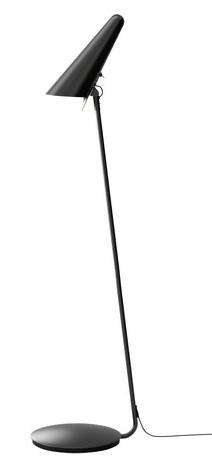
Most shoppers searching for this name are referring to the IKEA STOCKHOLM 2025 floor lamp. It is a 63-inch standing lamp designed by Nike Karlsson with a linen-blend shade, slender metal stem, natural stone base, and three E26 bulb sockets. Although it is commonly considered for reading areas, it works differently from a conventional adjustable reading lamp. Its broad shade spreads soft, decorative illumination rather than concentrating a narrow beam directly onto a page. 0turn903168view1
What Is the Stockholm Floor Lamp?
The STOCKHOLM collection has been part of IKEA’s design history since 1985. The 2025 edition marks the collection’s 40th anniversary and includes 96 pieces, making it the largest STOCKHOLM release to date. The collection emphasizes natural materials, craftsmanship, timeless forms, and furnishings intended to look collected over time rather than purchased as one perfectly matched showroom set. p>The floor lamp reflects that philosophy particularly well. It has the familiar shape of a traditional shaded lamp, but its oversized proportions and contrasting materials give it more personality. The shade measures approximately 20 inches in diameter, while the total lamp height is 63 inches. That scale allows it to stand comfortably beside a sofa, lounge chair, sideboard, or bedroom reading chair without disappearing into the background.
Stockholm Floor Lamp specifications
| Height | 63 inches |
|---|---|
| Shade diameter | 20 inches |
| Cord length | 6 feet 7 inches |
| Bulb base | Three E26 medium-base sockets |
| Maximum bulb power | 16 watts per bulb |
| Shade material | 70% polyester and 30% linen |
| Base material | Natural limestone or travertine |
| Designer | Nike Karlsson |
The lamp is supplied without bulbs. IKEA recommends opal-white E26 globe LEDs, which help prevent visible hot spots inside the large shade. The official product recommendation is a 450-lumen LED bulb in each socket, although the final brightness will depend on the bulbs selected. ection>
Scandinavian Design Without the Sterile Showroom Feeling
Scandinavian interiors are often described with words such as minimal, functional, light, and natural. Unfortunately, careless decorating can translate those ideas into a room that feels like a very tasteful dentist’s waiting area. The Stockholm lamp avoids that problem by combining simplicity with texture.
The slim brass-colored stem provides a polished vertical line, while the stone base introduces visible variation and visual weight. Because natural stone is not perfectly uniform, each base can have slightly different coloring and markings. The shade softens the metal and stone with woven texture, creating a lamp that can work in traditional, midcentury-modern, transitional, contemporary, and even relaxed coastal interiors. p>Its design is also appealing when switched off. That matters because a floor lamp spends many daylight hours acting as furniture rather than illumination. Interior design publications frequently emphasize that floor lamps can serve as sculptural elements, create vertical interest, and change a lighting plan without electrical work or permanent remodeling.
Materials that make the lamp look more expensive
The most distinctive feature is the substantial stone base. Floor lamps often use painted resin or thin metal plates disguised as premium materials. Here, the natural base provides genuine weight and texture. It also visually anchors the narrow stem and broad shade, preventing the silhouette from looking top-heavy.
The linen-blend shade is another important detail. A translucent textile shade allows light to pass through gently, reducing harsh contrast and producing a comfortable glow. In general, pale translucent shades release more light into a room, while dark or opaque shades create a more concentrated and atmospheric effect. ection>
Is the Stockholm Floor Lamp Good for Reading?
Yes, with one important qualification: it is better for relaxed reading than precision task lighting.
A true task lamp normally directs light toward a specific work surface. It may have an adjustable arm, rotating head, narrow shade, or focused beam. That design is ideal for close work such as sewing, detailed drawing, model building, or reading very small print. Lighting guides consistently define task lighting as the direct illumination needed for focused activities. p>The Stockholm floor lamp is more diffuse. Its three bulbs sit inside a broad fabric shade with upper and lower diffuser panels. Instead of placing one concentrated circle of light on your book, it brightens the chair, page, side table, and surrounding area. This can feel more natural in a living room because the page is not brightly illuminated while the rest of the room remains cave-dark.
For novels, magazines, casual browsing, crosswords, and evening reading, the lamp should provide ample light when fitted with suitable bulbs. For highly detailed work, it may be better paired with a small directional lamp. Better Homes & Gardens similarly recommends adjustable, direct floor lamps when a seated task demands precise control over height and angle.
How much brightness do you need?
Brightness is measured in lumens, not watts. ENERGY STAR lists approximately 450 lumens as the traditional equivalent of a 40-watt incandescent bulb and about 800 lumens as the equivalent of a 60-watt bulb. LEDs can produce those brightness levels while consuming much less power. p>With three 450-lumen bulbs, the lamp has a combined nominal output of roughly 1,350 lumens before the shade and diffusers reduce and distribute the light. That does not mean all 1,350 lumens land on your book, but it should create substantial general illumination around a reading chair.
For a softer evening atmosphere, use lower-lumen bulbs or dimmable smart bulbs. For a darker room or a reader who benefits from stronger illumination, select brighter compatible LEDs while remaining within the lamp’s maximum rating of 16 watts per socket.
Choosing the Best Bulbs
Bulb choice determines whether the lamp feels like a cozy Scandinavian lounge or an aggressively illuminated airport gate. Three factors matter most: brightness, color temperature, and light diffusion.
Color temperature
Color temperature is measured in Kelvin. The U.S. Department of Energy describes 2700K lighting as warm and friendly, making it appropriate for homes and libraries. Around 3000K remains warm but appears slightly cleaner and whiter. Cooler temperatures around 4100K are more common in offices, classrooms, and workspaces. p>For a living room or bedroom, 2700K is the safest choice. It complements the brass-toned finish and stone base while preserving a relaxed mood. Readers who prefer a crisper page may like 3000K. Bulbs above 4000K can improve visual contrast for some tasks, but they may make a cozy seating area feel clinical.
Bulb shape and finish
Opal or frosted bulbs are preferable to clear bulbs because the softened bulb surface reduces sharp points of glare. Globe-shaped bulbs also distribute light effectively inside a large drum shade. Because the lamp contains three sockets, matching all bulbs in brightness and color temperature will produce the most consistent result.
Smart and dimmable bulbs
The lamp does not include an integrated dimmer, but compatible smart bulbs can add brightness control, schedules, color-temperature adjustment, and voice operation. IKEA specifically notes that smart bulbs can be used to adapt the light to different activities. p>A useful routine is brighter 3000K light during afternoon reading, followed by warmer, dimmer light later in the evening. Adjustable reading lights are widely recommended because they allow users to match illumination to the activity, time of day, and surrounding room brightness. ection>
Where to Place the Stockholm Floor Lamp
Beside a reading chair
Position the lamp slightly behind and to one side of the chair rather than directly in front of the reader. This arrangement helps illuminate the page without placing the bulb in the reader’s line of sight. Guidance for reading-lamp placement commonly recommends positioning the source behind and off to the side to reduce glare and shadows. p>Right-handed readers may prefer the lamp on the left so the writing hand does not cast a shadow, while left-handed readers may prefer the opposite. For ordinary book reading, either side can work; comfort and furniture layout are more important than treating lamp placement like a geometry exam.
At the end of a sofa
The 63-inch height and 20-inch shade give the lamp enough scale to balance a full-size sofa. Leave breathing room around the shade so it does not appear squeezed between the sofa and wall. Its soft output can support conversation, television viewing, or reading without relying on harsh overhead lighting.
Layered lighting is particularly effective in living rooms. Instead of expecting one ceiling fixture to perform every job, designers recommend combining ambient, task, accent, and decorative sources at different heights. A floor lamp can fill the middle layer between ceiling lights and low table lamps.
In a bedroom
The lamp can replace a pair of small bedside lamps in a compact bedroom or illuminate an upholstered chair in a larger room. Its fabric shade keeps the light gentle, but the 20-inch diameter requires more clearance than a slim pharmacy lamp. Measure carefully before placing it beside a narrow nightstand or close to a closet door.
In a small living room
The narrow stem occupies little visual space, yet the broad shade has real presence. In a small room, place it in a corner where the shade can overlap visually with open wall space rather than projecting into a busy walkway. Slim floor lamps and multiple light levels can help compact rooms feel deeper and more inviting. ection>
Assembly, Stability, and Everyday Care
The lamp arrives in one package weighing a little over 21 pounds. Most of that reassuring heft is concentrated in the stone base. Assembly involves joining the stem sections, attaching the electrical components, and securing the shade and diffuser pieces. Owners should assemble it on a clean, soft surface to avoid scratching the plated finish or creasing the shade.
The heavy base improves stability, but the lamp still has a tall, slender structure. It should not be placed where children, large pets, robot vacuums, or enthusiastic adults performing living-room aerobics are likely to strike the stem. Some customer reviews praise the sturdy base and straightforward assembly, while others mention stem movement, a visible black cord, delicate shade components, or difficulty aligning certain parts. p>Routine care is simple. Use a dry microfiber cloth on the stem and stone base. Dust the shade gently with a clean upholstery attachment or low-suction handheld vacuum. Avoid wet cleaning the fabric, and do not saturate the natural stone. The upper diffuser can collect dust over time, so occasional cleaning will keep the lamp looking bright rather than lightly breaded.
Advantages and Drawbacks
What the Stockholm lamp does well
- Creates soft, comfortable illumination with three bulbs and a large textile shade.
- Uses natural stone, woven fabric, and a brass-toned finish for a premium appearance.
- Works with Scandinavian, midcentury-modern, transitional, contemporary, and traditional furniture.
- Provides more room-filling light than many narrow single-bulb decorative lamps.
- Can support dimming and automation when fitted with compatible smart bulbs.
- Adds height and visual interest without requiring ceiling wiring.
What to consider before buying
- The shade is large, so the lamp needs more physical clearance than its slim stem suggests.
- It is not adjustable and cannot aim a concentrated beam at a book.
- Bulbs are purchased separately, increasing the total setup cost.
- There is no built-in dimmer.
- The dark power cord may be noticeable against pale walls or floors.
- The shade and diffuser pieces should be handled carefully during assembly and bulb changes.
Who Should Buy the Stockholm Floor / Reading Lamp?
This lamp is best for someone who wants a floor lamp to contribute equally to lighting and interior design. It is particularly suitable for a living room, bedroom, library corner, or home office where warm ambient light matters as much as concentrated task illumination.
It is a strong choice for readers who enjoy novels and magazines from a comfortable chair and prefer the surrounding room to remain softly illuminated. It is less suitable for users who need a movable beam for crafts, technical drawings, or very small text. In those situations, an adjustable task lamp or swing-arm reading lamp will offer better control. ection>
Real-World Experience: Living With a Stockholm-Style Reading Lamp
A realistic ownership experience begins before the lamp is switched on. Once assembled, the first impression is scale. Product photos can make the stem appear delicate and the shade appear moderate, but a 20-inch shade is substantial in an average living room. Beside a full-size sofa, that scale feels intentional and balanced. Beside a tiny slipper chair, it may look as though the lamp has arrived with its own weather system.
The stone base immediately improves the overall impression. It feels more permanent than the thin metal plates used on many inexpensive floor lamps, and its natural markings help the piece avoid a mass-produced appearance. The narrow stem keeps the silhouette visually light, although careful assembly is important. Tightening each connection evenly helps the sections remain straight and reduces unnecessary movement.
The next decision is bulb selection. Installing three 450-lumen, 2700K opal LEDs creates a warm, even glow appropriate for evenings. The effect is brighter than a single decorative lamp but softer than an exposed torchiere or overhead fixture. Light passes through the fabric while also escaping above and below the shade through diffuser panels. The result is a broad pool of illumination rather than a theatrical spotlight.
For reading a standard paperback, the lamp performs well when placed slightly behind the chair with the lower edge of the shade near seated eye level. The page remains visible, the surrounding area stays comfortable, and there is less contrast than reading under a narrow beam in an otherwise dark room. That balanced environment can be easier on the eyes, especially for readers who find themselves squinting, leaning toward the page, or increasing font size as evening arrives. Eye-health references note that near work can become more demanding when vision is uncorrected or insufficiently illuminated, particularly with age-related changes such as presbyopia. p>The experience changes with detailed tasks. When sewing dark thread, reading tiny footnotes, or working on a puzzle with nearly identical blue pieces, the diffuse glow may not provide enough directional contrast. Adding a compact adjustable task lamp solves that problem without making the Stockholm lamp redundant. The floor lamp continues to provide the comfortable background layer while the smaller fixture handles precision work.
Smart bulbs make the setup noticeably more flexible. At full brightness, the lamp can help illuminate a living room that lacks a ceiling fixture. At 40% brightness, it becomes a calm television or conversation light. At 15%, it functions as a nighttime glow that makes the room feel occupied without announcing itself to the entire neighborhood.
There are practical annoyances. The power cord can attract attention against a pale floor, so routing it behind furniture or using a discreet cord cover improves the installation. The wide shade collects dust, and the diffuser panels make bulb replacement slightly more involved than simply reaching under an open shade. These are small inconveniences, but they are worth knowing before the first bulb burns out at precisely the moment you have reached the final chapter.
Over time, the lamp’s greatest strength is not any single technical feature. It is the way the piece combines useful illumination with decorative presence. During the day, the stone, metal, and textile act as part of the room’s material palette. At night, the warm shade creates a softer alternative to overhead lighting. That dual role explains why many owners describe the design as elevated, elegant, or more expensive-looking than expected, even when reviews also mention quirks involving the cord, shade, or stem. ection>
Final Verdict
The Stockholm Floor / Reading Lamp succeeds because it understands that home lighting is not merely about making darkness go away. It is about shaping how a room feels, supporting the activities that happen there, and adding character without taking over the furniture arrangement.
Its large linen-blend shade, three-bulb configuration, brass-toned stem, and natural stone base create a polished Scandinavian look with enough warmth for everyday interiors. It provides generous ambient illumination and works well for casual reading, although people who need highly focused task lighting should add an adjustable lamp or choose a more directional design.
For a living room, bedroom, or reading corner that needs both light and visual structure, the Stockholm lamp is a compelling middle ground between budget furniture-store lighting and significantly more expensive designer fixtures. It looks refined, feels substantial, and produces the kind of inviting glow that encourages one more chapterwhich is wonderful until you notice it is 1:30 a.m.