Stainless steel straws are tiny objects with surprisingly big opinions attached to them. Some people see them as sleek, eco-friendly heroes that rescue iced coffee from disposable plastic doom. Others see them as a drawer accessory that comes with a cleaning brush they will definitely lose by Tuesday. The truth, as usual, is more useful than the hype: stainless steel straws can be durable, practical, attractive, and environmentally meaningful when they are used often, cleaned properly, and chosen wisely.
Unlike single-use plastic straws, which are typically used for a few minutes and then tossed away, reusable stainless steel drinking straws are designed to stay in your kitchen, lunch bag, car cup holder, or office drawer for years. They are popular with smoothie lovers, iced coffee loyalists, cocktail fans, road-trip families, and anyone who enjoys sipping without watching a paper straw slowly surrender to moisture like a tiny cardboard submarine.
But buying a metal straw is not just about looking stylish next to your tumbler. It is about understanding material quality, safety, cleaning, environmental impact, accessibility, and real-life convenience. This guide breaks down everything you need to know about stainless steel straws, from the best grades to look for to the honest pros and cons nobody mentions on cute product packaging.
What Are Stainless Steel Straws?
Stainless steel straws are reusable drinking straws made from corrosion-resistant steel alloys. Most quality options are made from food-grade 304 stainless steel, also known as 18/8 stainless steel, meaning it generally contains about 18 percent chromium and 8 percent nickel. Some premium models use 316 stainless steel, which includes molybdenum for extra corrosion resistance, especially around salty or acidic conditions.
The “stainless” part does not mean the straw is magically immune to every form of damage. It means the steel contains enough chromium to form a thin protective layer on the surface. That layer helps resist rust, stains, and corrosion. In everyday terms, it is why a good stainless steel straw can handle lemon water, iced tea, cold brew, soda, and smoothies without turning into a science experiment.
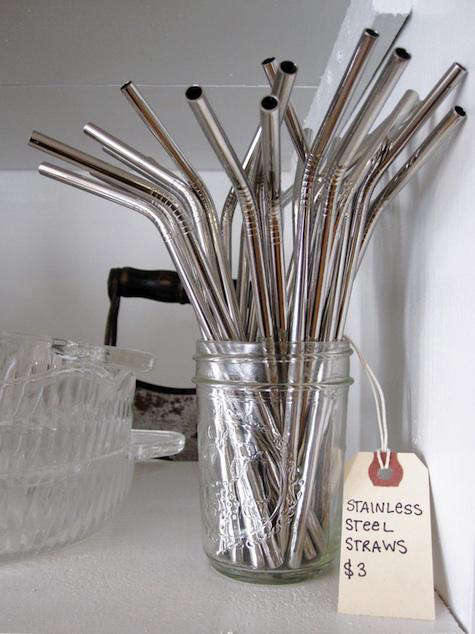
Most stainless steel straws come in straight, bent, wide, narrow, short, and extra-long versions. Some are designed for tall tumblers, some for cocktail glasses, and some for thick drinks like milkshakes or protein smoothies. A typical set may include several straw sizes, silicone tips, a travel pouch, and one or two cleaning brushes. The brush is not decoration. It is the unsung hero of the entire operation.
Why Stainless Steel Straws Became So Popular
The rise of stainless steel straws is closely tied to growing concern about single-use plastics. Disposable plastic straws are small, lightweight, and easily blown or washed into streets, rivers, beaches, and oceans. Because they are narrow and often made from low-value plastic, they are difficult to recycle in many municipal systems. They may also break down into smaller plastic fragments over time rather than fully disappearing.
For many people, switching to reusable straws is an easy first step toward reducing everyday waste. It is not the whole solution to plastic pollution, of course. Nobody is saving the planet by sipping one iced latte heroically while ordering three layers of takeout packaging. But reusable straws can help build a low-waste habit, especially when paired with reusable bottles, cups, bags, lunch containers, and smarter shopping choices.
Stainless steel became one of the favorite reusable straw materials because it is strong, portable, dishwasher-safe in many cases, and resistant to cracking. Compared with glass, it is less fragile. Compared with bamboo, it is less likely to absorb flavors or moisture. Compared with silicone, it feels firmer and more polished. Compared with paper, it does not collapse halfway through your drink like it just heard bad news.
Key Benefits of Stainless Steel Straws
1. They Are Durable and Long-Lasting
The biggest advantage of stainless steel straws is durability. A well-made straw can last for years if it is cleaned and stored correctly. It will not snap in a bag, melt in a hot car, or become soggy in lemonade. This makes stainless steel especially useful for people who drink iced beverages daily and want a reliable alternative to disposable straws.
2. They Reduce Single-Use Waste
Every time you reuse the same straw instead of grabbing a disposable one, you reduce demand for throwaway plastic or paper products. The benefit is not automatic on day one, because stainless steel requires more energy and resources to manufacture than a single plastic straw. The environmental advantage grows as you use the straw repeatedly. In simple terms: buy it, use it, keep using it, and do not let it retire untouched in the kitchen junk drawer next to mystery batteries.
3. They Do Not Get Soggy
Paper straws have improved over the years, but many still soften in long-lasting drinks. Stainless steel straws keep their structure from the first sip to the last melted ice cube. That matters for slow drinkers, iced coffee fans, outdoor parties, restaurants, and anyone who does not want pulp, foam, or smoothie texture fighting with a collapsing straw.
4. They Look Clean and Modern
Let us be honest: stainless steel straws look good. Their polished metallic finish pairs well with glassware, tumblers, mason jars, cocktail cups, and modern kitchens. They give even a basic glass of water a small “I have my life together” energy, whether or not your laundry pile agrees.
5. They Are Useful for Cold Drinks
Stainless steel conducts temperature, which can be a benefit for cold beverages. A metal straw can feel pleasantly chilled in iced tea, sparkling water, or cold brew. However, this same feature can be uncomfortable with very hot drinks, which is why stainless steel straws are best used for cold or room-temperature beverages.
Possible Drawbacks and Safety Concerns
Stainless steel straws are useful, but they are not perfect for everyone. Their biggest weakness is rigidity. Unlike flexible plastic straws or soft silicone straws, metal straws do not bend under pressure. That means they can pose injury risks if someone falls, walks, runs, or drives while drinking from one. Children, especially young children, should not use stainless steel straws without close adult supervision. For kids who chew straws or move around while drinking, silicone is usually a safer choice.
Dental comfort is another consideration. Biting down on a metal straw can hurt, and accidentally clinking it against teeth may be unpleasant. People with dental sensitivity, crowns, braces, or a habit of chewing straws may prefer silicone tips or softer reusable straw options.
Stainless steel can also become very cold or hot depending on the drink temperature. This is usually fine for iced drinks, but it can be uncomfortable for hot coffee, tea, or cocoa. A good rule is simple: if the drink could burn your mouth, do not put a metal tube in it and invite trouble.
How to Choose the Best Stainless Steel Straws
Look for Food-Grade Stainless Steel
Choose straws labeled as 304, 18/8, 18/10, or 316 stainless steel. These grades are commonly used for food-contact products because they offer good corrosion resistance and cleanability. Avoid extremely cheap products with vague descriptions like “metal straw” and no grade information. If the seller cannot tell you what the straw is made from, that is not mysterious in a charming way. It is just unhelpful.
Check the Edges
A quality stainless steel straw should have smooth, rounded edges. Sharp or rough rims are uncomfortable and may increase the risk of cuts. If a straw feels scratchy on your finger, it will probably not feel magical on your lips.
Pick the Right Diameter
Narrow straws are fine for water, soda, iced tea, and cocktails. Wider straws work better for smoothies, milkshakes, bubble tea, and thicker drinks. If you regularly make protein shakes or fruit smoothies, choose a wider straw that is easier to clean and less likely to clog.
Match the Length to Your Cup
Short straws are great for rocks glasses and cocktails. Standard straws fit everyday cups. Extra-long straws are designed for tall tumblers and travel mugs. A straw that is too short disappears into the drink like it is avoiding responsibility. A straw that is too long pokes your face at an awkward angle. Measure your favorite cup before buying.
Choose a Set With Cleaning Brushes
A straw brush is essential. Dishwashers can help, but a brush gives better direct cleaning inside the tube, especially after smoothies, milk, coffee drinks, juice pulp, or sweet cocktails. Ideally, the brush should be long enough to pass through the entire straw.
How to Clean Stainless Steel Straws Properly
Cleaning is where reusable straws either become a great habit or a questionable kitchen artifact. The outside may look spotless while the inside quietly hosts yesterday’s smoothie. Thankfully, cleaning stainless steel straws is easy when you follow a routine.
Daily Cleaning Method
- Rinse the straw immediately after use, especially after thick or sugary drinks.
- Add a drop of dish soap to the straw brush.
- Push the brush fully through the straw several times.
- Rinse thoroughly with warm water until no soap remains.
- Let the straw air-dry completely before storing it.
Air drying matters because trapped moisture can encourage odors or buildup. Store clean straws in an open container or dry pouch only after they are fully dry.
Deep Cleaning Method
For occasional deep cleaning, soak stainless steel straws in hot soapy water, then scrub with a brush and rinse well. For stubborn smells, a short soak in a mixture of water and baking soda can help. Some people also use diluted vinegar for mineral deposits, followed by a thorough rinse. Always avoid harsh chemicals unless the manufacturer says they are safe for the product.
Dishwasher Tips
Many stainless steel straws are dishwasher-safe, but the dishwasher may not always flush out thick residue inside a narrow tube. For best results, brush first, then place the straw in the utensil basket. If the straw is very narrow or angled, hand-cleaning may be more reliable.
Stainless Steel Straws vs. Other Reusable Straws
Stainless Steel vs. Silicone
Silicone straws are soft, flexible, and safer for children or people who bite straws. They are comfortable for teeth and lips, but they may hold odors over time if not cleaned well. Stainless steel is more rigid, more polished-looking, and often longer-lasting, but it requires caution around movement and children.
Stainless Steel vs. Glass
Glass straws are attractive and let you see whether the inside is clean. That is a real advantage. However, glass can break, chip, or feel fragile during travel. Stainless steel is better for bags, picnics, camping, and everyday rough handling.
Stainless Steel vs. Bamboo
Bamboo straws are lightweight and plant-based, but they require careful drying and may not last as long. They can absorb flavors or develop roughness over time. Stainless steel is easier to sanitize and more consistent in texture.
Stainless Steel vs. Paper
Paper straws are disposable and sometimes compostable depending on local facilities and coatings. They are convenient for events but often soften in drinks. Stainless steel straws are better for repeated home use, while paper may still make sense for occasional situations where washing reusable items is impractical.
Are Stainless Steel Straws Really Eco-Friendly?
The eco-friendly answer depends on behavior. Stainless steel straws have a higher manufacturing footprint than disposable plastic straws because mining, processing, forming, and polishing metal require energy. That means a stainless steel straw needs to be reused many times before it becomes the lower-impact option.
This is why the most sustainable straw is not automatically the fanciest one. It is the one you actually use. A single stainless steel straw used daily for years can replace hundreds or even thousands of disposable straws. A ten-pack bought on impulse and forgotten in a drawer does not accomplish much beyond making the drawer feel prepared for a party that never happens.
Stainless steel also has an end-of-life advantage: it is recyclable in many metal recycling systems. However, because straws are small, they may be harder for facilities to sort if tossed loose into curbside recycling. If a straw is damaged beyond use, check local recycling guidance or place several small metal items together according to local rules.
Who Should Use Stainless Steel Straws?
Stainless steel straws are a strong choice for adults who regularly drink cold beverages at home, work, or on the go. They are especially useful for people who use tumblers, enjoy smoothies, entertain guests, or want a reusable straw that feels sturdy and easy to pack.
They may not be ideal for toddlers, young children, people with certain motor-control challenges, people who chew straws, or anyone who needs a bendable straw for safe drinking. Accessibility matters. For some people with disabilities, flexible plastic straws are not a luxury; they are a necessary tool for hydration, nutrition, and independence. A thoughtful sustainability approach should reduce unnecessary waste without shaming or excluding people who need specific products for safety or access.
Practical Tips for Everyday Use
- Keep one straw in your kitchen, one at work, and one in your travel bag.
- Use a carrying case to keep clean straws separate from keys, coins, and bag crumbs.
- Rinse immediately after smoothies, coffee drinks, or milk-based beverages.
- Use silicone tips if metal feels uncomfortable on your teeth.
- Do not let children run, walk, or play while using a metal straw.
- Avoid using stainless steel straws with very hot drinks.
- Replace straws that become bent, rough, rusty, or difficult to clean.
Common Mistakes to Avoid
The first mistake is assuming “reusable” means “self-cleaning.” It does not. A stainless steel straw must be washed after every use. The second mistake is buying the wrong size. If the straw does not fit your favorite cup, you will not use it. The third mistake is choosing a cheap set with rough edges or no material details. Smooth finishing and food-grade steel matter.
Another common mistake is treating stainless steel straws as universal replacements for all people in all situations. They are excellent for many adults but not suitable for everyone. A family may reasonably keep stainless steel straws for adults, silicone straws for kids, and disposable flexible straws available for guests or family members who need them. Sustainability works best when it is practical, safe, and inclusive.
Experiences With Stainless Steel Straws: What Real Use Feels Like
The first time you use a stainless steel straw, the experience can feel surprisingly premium. A regular iced coffee suddenly seems a little more intentional, like it came from a café where the barista knows your name and your emotional support pastry. The straw feels cool, solid, and smooth. In cold drinks, that chill can be pleasant. In a glass of lemon water or sparkling water, it makes each sip feel crisp and clean.
After a week, the novelty changes into habit. You start noticing which cups work best. Tall tumblers need longer straws. Short cocktail glasses need shorter ones. Wide smoothie straws are fantastic for thick drinks but feel excessive in plain water, as if you are trying to drain a swimming pool. Narrow straws are elegant for iced tea but useless for a chunky strawberry smoothie unless you enjoy surprise fruit traffic jams.
The cleaning routine becomes the deciding factor. If you rinse the straw right away, maintenance is almost effortless. A quick brush, a little soap, a warm rinse, and it is ready to dry. If you leave a smoothie straw sitting in the sink overnight, congratulations: you have created a tiny tunnel of regret. Dried banana, protein powder, and berry seeds do not politely leave on their own. They require the brush, patience, and perhaps a small apology to your past self.
Travel use is where stainless steel straws can shine. Keeping one in a pouch inside a backpack or purse makes it easy to skip disposable straws at coffee shops, smoothie bars, airports, and road-trip stops. The trick is to also carry the straw home after using it. Many people remember the straw on the way out and forget it when the cup is empty. A dedicated case helps because you can put the used straw away without making the inside of your bag smell like iced mocha.
At home, stainless steel straws are excellent for families with adults or older teens who understand basic safety. They are great for reusable tumblers, backyard drinks, mocktails, and morning smoothies. They also make water more appealing for people who drink more when a straw is involved. That sounds silly until you realize hydration is often about removing tiny points of friction. If a straw makes you drink more water, that straw is earning its rent.
The biggest personal lesson is that stainless steel straws are not about perfection. They are about repetition. You do not need to become the mayor of zero-waste living overnight. You just need to use the straw enough that it replaces disposables in your normal routine. One iced coffee at a time, one smoothie at a time, one cleaned-and-dried straw at a time, the habit becomes easy. And once it is easy, it sticks.
There is also something satisfying about owning a product that does not immediately become trash. In a world full of flimsy packaging, disposable cups, and objects designed to vanish after one use, a stainless steel straw feels refreshingly permanent. It says, “I will be here tomorrow.” Just remember to wash it, dry it, and not hand it to a toddler who thinks furniture is a racetrack.
Conclusion
Stainless steel straws are a smart, stylish, and durable alternative to disposable straws when they are used correctly. Their real value comes from repeated use, proper cleaning, safe handling, and thoughtful selection. Look for food-grade 304 or 316 stainless steel, smooth edges, the right size, and a proper cleaning brush. Use them mostly with cold drinks, avoid giving them to young children, and remember that accessibility needs vary from person to person.
For daily iced coffee, smoothies, sparkling water, cocktails, and travel tumblers, stainless steel drinking straws can be a small but meaningful upgrade. They will not solve plastic pollution alone, but they can help build better habits. And unlike a paper straw in a milkshake, they will not give up halfway through the mission.