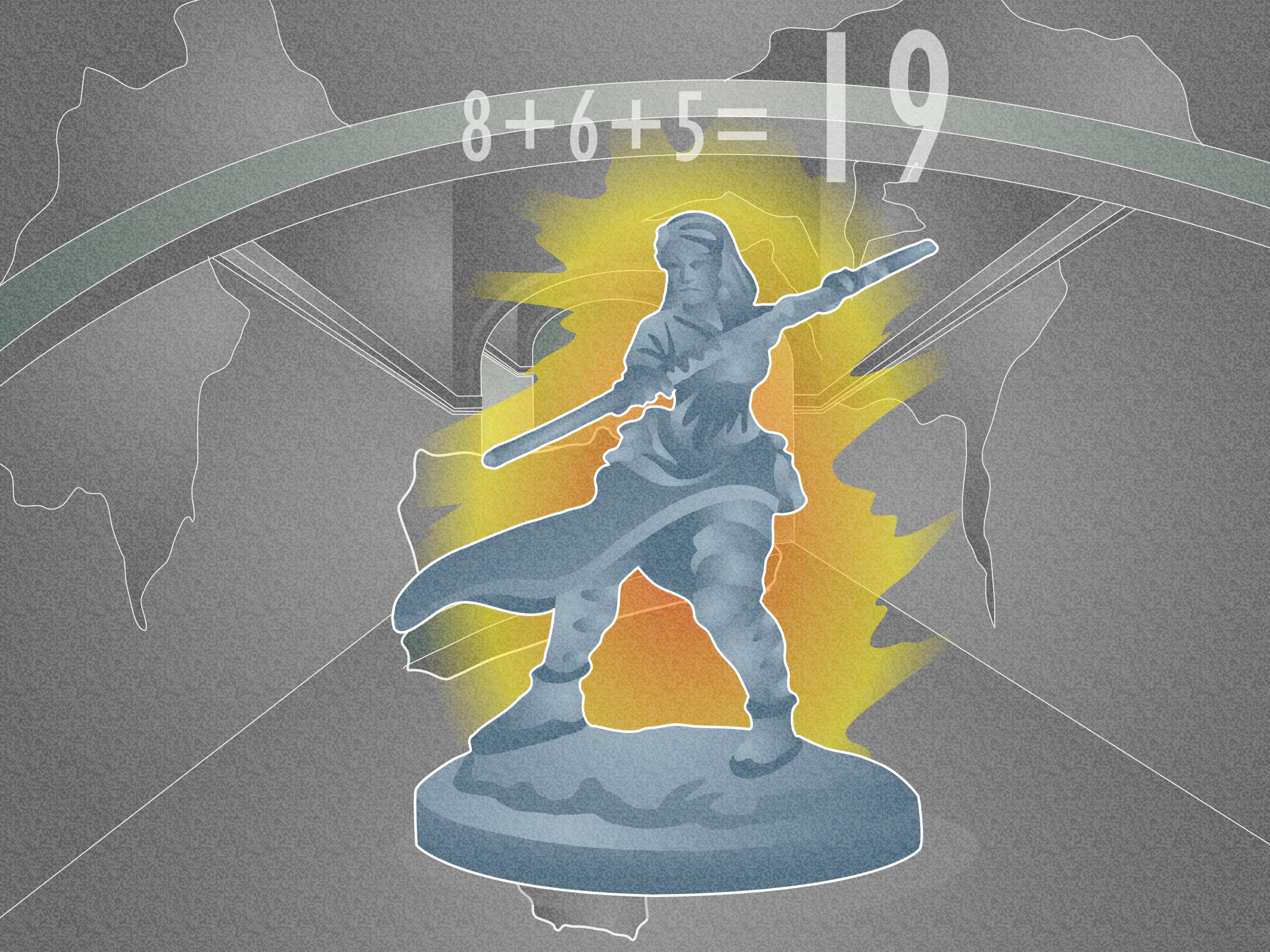
If you have ever stared at your Dungeons & Dragons character sheet and wondered why your wizard’s spell save DC looks like a tiny math puzzle left behind by a mischievous gnome, you are not alone. Spell save DC is one of those rules that appears constantly in D&D 5e, yet many new players do not fully understand it until a fireball, charm spell, or terrifying dragon roar makes the whole table ask, “Wait, what number do I need to beat?”
The good news is that spell save DC is actually simple. It is the target number another creature must meet or exceed when making a saving throw against one of your spells. The better your spellcasting ability and the higher your level, the harder your magic is to resist. In other words, your spell save DC is the game’s way of measuring how convincing your magic is when it says, “Please fail dramatically.”
This guide explains how to calculate spell save DC in D&D 5e, when to use it, how it differs from spell attack bonus, which ability score matters for each class, and how Dungeon Masters can use it smoothly during play. Whether you are building your first cleric or trying to understand why your sorcerer’s enemies keep shrugging off your big spells, this complete breakdown will help you cast with confidence.
What Is Spell Save DC in D&D 5e?
Spell save DC stands for “spell saving throw Difficulty Class.” It is the number a target must roll against when your spell tells them to make a saving throw. If the target’s saving throw total is equal to or higher than your spell save DC, they usually resist some or all of the spell’s effect. If they roll lower, the spell takes full effect.
For example, if your cleric casts sacred flame, the target makes a Dexterity saving throw. If your spell save DC is 15, the target needs a total of 15 or higher after adding the proper saving throw modifier. A 14 is not enough. In D&D, close only counts with area spells, suspiciously enthusiastic bards, and occasionally horses.
Not every spell uses your spell save DC. Some spells require you to make a spell attack roll instead. Other spells simply happen without an attack roll or saving throw. The spell description tells you what to do. If the spell says the target “must make a Strength saving throw,” “Wisdom saving throw,” or any other saving throw, your spell save DC is probably involved.
How to Calculate Spell Save DC in D&D 5e
The standard formula is:
That is the entire formula. No dragon tax. No secret wizard subscription fee. Just three numbers.
Step 1: Start With 8
Every spell save DC starts with a base number of 8. This number does not change by class or character level. It is the foundation of the formula and keeps saving throw difficulty within the balanced math of D&D 5e.
Step 2: Add Your Proficiency Bonus
Your proficiency bonus increases as your character gains levels. Most characters begin with a +2 proficiency bonus at level 1. It rises to +3 at level 5, +4 at level 9, +5 at level 13, and +6 at level 17. This means even if your spellcasting ability score stays the same, your spell save DC still improves as you become more experienced.
For example, a 1st-level wizard and a 9th-level wizard with the same Intelligence modifier will not have the same spell save DC. The higher-level wizard has a larger proficiency bonus, representing greater mastery of magic. The apprentice is still learning which end of the wand should point away from the face.
Step 3: Add Your Spellcasting Ability Modifier
Your spellcasting ability modifier depends on your class. Wizards use Intelligence. Clerics and druids use Wisdom. Bards, paladins, sorcerers, and warlocks use Charisma. Rangers use Wisdom. Artificers, if your table uses them, use Intelligence.
Remember that you add the ability modifier, not the full ability score. If your wizard has Intelligence 18, you do not add 18. You add the modifier, which is +4. This is one of the most common beginner mistakes, and it can turn a modest spellcaster into a magical bulldozer by accident.
Spellcasting Ability by Class
Here is a quick reference table for common D&D 5e spellcasting classes:
| Class | Spellcasting Ability | Main Modifier Used for Spell Save DC |
|---|---|---|
| Artificer | Intelligence | Intelligence modifier |
| Bard | Charisma | Charisma modifier |
| Cleric | Wisdom | Wisdom modifier |
| Druid | Wisdom | Wisdom modifier |
| Paladin | Charisma | Charisma modifier |
| Ranger | Wisdom | Wisdom modifier |
| Sorcerer | Charisma | Charisma modifier |
| Warlock | Charisma | Charisma modifier |
| Wizard | Intelligence | Intelligence modifier |
This table matters because your spell save DC is only as strong as the ability score powering it. A wizard with low Intelligence can still cast spells, but enemies will resist those spells more often. A bard with high Charisma, on the other hand, can make a room full of enemies suddenly reconsider their life choices.
Spell Save DC Calculation Examples
Example 1: Level 1 Wizard
Suppose you are playing a 1st-level wizard with Intelligence 16. An Intelligence score of 16 gives you a +3 modifier. At level 1, your proficiency bonus is +2.
Your wizard’s spell save DC is 13. If you cast a spell that forces a saving throw, the target must roll a total of 13 or higher to resist it.
Example 2: Level 5 Cleric
Now imagine a 5th-level cleric with Wisdom 18. A Wisdom score of 18 gives a +4 modifier. At level 5, proficiency bonus becomes +3.
Your cleric’s spell save DC is 15. This makes spells such as command, hold person, and spirit guardians more difficult for enemies to resist.
Example 3: Level 11 Sorcerer
A sorcerer at level 11 with Charisma 20 has a +5 Charisma modifier. At level 11, the proficiency bonus is +4.
A spell save DC of 17 is strong. Enemies with weak saving throw bonuses will have a rough time, and even tougher creatures may start sweating through their scales.
How Spell Save DC Works During Combat
When you cast a spell that requires a saving throw, you do not roll to see whether the spell “hits.” Instead, the target rolls. The spell description tells the target which ability to use. A fireball calls for a Dexterity saving throw. Hold person calls for a Wisdom saving throw. Thunderwave calls for a Constitution saving throw.
The target rolls a d20 and adds its saving throw modifier for the required ability. Some creatures are proficient in certain saving throws, which makes them better at resisting those effects. If the total equals or beats your spell save DC, the target succeeds. If it is lower, the target fails.
Many spells still do something on a successful save. Damage spells often deal half damage when the target succeeds. Control spells may have no effect if the target succeeds. Always read the spell description carefully, because D&D spells are like tiny legal contracts written by dramatic elves.
Spell Save DC vs. Spell Attack Bonus
Spell save DC and spell attack bonus are related, but they are not the same thing.
Your spell save DC is used when the target makes a saving throw. Your spell attack bonus is used when you make a spell attack roll. The spell attack formula is:
For example, fire bolt requires a spell attack roll. You roll a d20 and add your spell attack bonus. But fireball forces targets to make Dexterity saving throws against your spell save DC. The spell tells you which mechanic to use.
A quick way to remember the difference is this: if you roll to affect the target, you probably use spell attack bonus. If the target rolls to resist you, they are rolling against your spell save DC.
How to Increase Spell Save DC
The most reliable way to increase your spell save DC is to improve your spellcasting ability score. Wizards want Intelligence. Clerics, druids, and rangers want Wisdom. Bards, paladins, sorcerers, and warlocks want Charisma. Ability Score Improvements are the most common path, though some feats can also increase the relevant ability score.
Your spell save DC also rises naturally when your proficiency bonus increases. This happens at certain character levels, not class levels for multiclass characters. A higher proficiency bonus improves many parts of your character, including spell save DC.
Some magic items may also improve spell save DC. These are powerful because even a +1 bonus can matter. On a d20, a one-point increase changes the target’s success chance by five percentage points. That may not sound dramatic until your enemy fails the save that keeps them from being banished, stunned, restrained, frightened, or roasted like tavern potatoes.
Does Spell Save DC Change With Multiclassing?
Multiclassing can make spell save DC a little trickier. Each spell is associated with the class that gave it to you, and you use that class’s spellcasting ability for that spell. If you are a wizard/cleric, your wizard spells use Intelligence, while your cleric spells use Wisdom.
This means a multiclass character may have different spell save DCs for different spells. A bard/warlock usually has an easier time because both classes use Charisma. A wizard/sorcerer, however, may need to track Intelligence for wizard spells and Charisma for sorcerer spells.
The practical advice is simple: do not assume all your spells use the same DC if you multiclass across different spellcasting abilities. Write the correct DC next to your spells or use a digital character sheet that separates them properly. Your future self will thank you, especially during a chaotic combat round involving six goblins, a flying snake, and one player asking whether they still have bonus actions.
How Monsters and NPCs Use Spell Save DC
For monsters and NPCs, the easiest rule is to use the spell save DC shown in the stat block. Many spellcasting monsters already list their spell save DC and spell attack bonus. As a Dungeon Master, you usually do not need to reverse-engineer the formula unless you are creating or modifying a monster.
If you are building a custom NPC spellcaster, you can use the same basic formula: 8 + proficiency bonus + spellcasting ability modifier. However, monster design does not always follow player-character math perfectly. Challenge rating, action economy, number of targets, and encounter difficulty all matter. A monster with a high save DC and a devastating area spell can quickly turn a fun battle into a group therapy session for adventurers.
Common Mistakes With Spell Save DC
Using the Ability Score Instead of the Modifier
This is the classic mistake. If your Charisma is 18, you add +4, not 18. Adding the full score creates a spell save DC that belongs in a campaign where the final boss is mathematics itself.
Adding Proficiency Bonus Twice
You normally add your proficiency bonus only once. Even if you are proficient in something related to the spell, spell save DC follows its own formula. Do not add proficiency again unless a specific feature clearly tells you to do something special.
Confusing Spell Save DC With Saving Throw Bonus
Your spell save DC is the target number enemies roll against. Your saving throw bonus is what you add when you are the one resisting an effect. They live in the same neighborhood, but they are not roommates.
Forgetting Magic Item DCs
Some magic items use your spell save DC. Others have a fixed DC. Spell scrolls, for example, can use DCs based on the spell level shown in the item’s rules. Always read the item description instead of assuming your normal spell save DC applies.
Best Spells That Use Spell Save DC
Many of the most memorable spells in D&D 5e rely on spell save DC. Damage spells such as fireball, lightning bolt, and shatter often allow saving throws for reduced damage. Control spells such as hold person, web, fear, and hypnotic pattern can dramatically change the battlefield if enemies fail their saves.
This is why a high spell save DC is especially important for control casters. A blaster still deals some damage when many enemies succeed on their saves, but a control spell may do nothing if the key target succeeds. When your strategy depends on locking down an enemy, every point of DC matters.
Tips for Players: Using Spell Save DC Strategically
Do not cast every saving throw spell at every enemy. Smart spellcasters choose the right save for the right target. Big armored brutes often have strong Strength and Constitution saves but weaker Intelligence, Wisdom, or Charisma saves. Nimble rogues and flying monsters may be excellent at Dexterity saves but less impressive when asked to resist mental magic.
Look at the situation. If the ogre looks like it solves problems by headbutting doors, a Wisdom or Intelligence save spell might be better than a Constitution save spell. If the enemy wizard is wearing robes and standing far away with the confidence of someone who owns too many books, a Strength save might ruin their afternoon.
Also pay attention to repeated saves. Some spells let the target repeat the saving throw at the end of each turn. A high spell save DC helps not only when the spell first lands, but also when the enemy tries to escape later.
Tips for Dungeon Masters: Running Spell Saves Smoothly
As a Dungeon Master, keep combat moving by asking for the exact saving throw quickly: “Everyone in the cone, make a Dexterity save against DC 15.” That sentence tells players everything they need. Avoid hiding the DC unless secrecy adds something meaningful to your table’s style.
For monsters, write important save DCs directly in your encounter notes. If a cult fanatic has spell save DC 11 and the boss mage has spell save DC 15, having those numbers ready prevents rulebook fishing during combat. Nothing drains tension like pausing a dramatic spell to search through three tabs and a half-eaten snack bag.
When designing homebrew monsters, be careful with high DCs. A strong save DC can be exciting, but if players feel they have no realistic chance to resist, the game can become frustrating. The best encounters feel dangerous but fair.
Table Experience: What Spell Save DC Feels Like in Real Play
At the table, spell save DC is more than a number. It affects pacing, drama, tactics, and the emotional temperature of the room. A spellcaster with a strong DC feels reliable. When the wizard casts web and several enemies fail, everyone can see the battlefield change immediately. The fighter gets breathing room, the rogue starts planning advantage-based mischief, and the cleric stops quietly calculating funeral costs.
In many games, newer players underestimate spell save DC because it does not feel as active as rolling an attack. Rolling dice is exciting. Announcing a DC and waiting for the DM to roll can feel passive at first. But once players see how powerful failed saves can be, they begin to understand that saving throw spells are some of the most tactical tools in the game. You are not just dealing damage; you are shaping enemy choices.
One common experience is the “boss save problem.” A player uses their biggest spell against the main villain, the villain succeeds, and the table groans. This is normal. Important monsters often have strong saving throws, legendary resistance, or both. That does not mean your spell save DC is bad. It means the game is protecting major threats from being erased by one unlucky roll. A smart caster adapts by targeting weaker saves, using spells that affect multiple enemies, or forcing the boss to spend limited defensive resources.
Another useful lesson from real play is that a one-point increase matters more than it appears. Moving from DC 14 to DC 15 may not feel flashy on paper, but over a full campaign it creates many extra failed saves. Those failures become restrained enemies, frightened guards, banished demons, and fireball victims who deeply regret standing in formation. Small mathematical edges become big story moments.
Players also learn that teamwork improves the value of spell save DC. Some party members can impose disadvantage, reduce enemy saving throws, or create situations where enemies have fewer good options. A spellcaster who coordinates with the party often gets better results than one who simply casts the biggest spell every turn. The best magic feels like part of a plan, not just a glowing panic button.
For Dungeon Masters, spell save DC teaches encounter balance. If every enemy has excellent saves, casters feel useless. If every enemy has terrible saves, encounters collapse too quickly. Variety is the secret. Mix sturdy monsters, fragile minions, clever casters, and strange creatures with unusual weaknesses. This lets players feel rewarded for reading the battlefield.
In actual sessions, spell save DC becomes second nature after a few combats. Players stop asking where the number comes from and start asking better questions: “Which save is this monster probably bad at?” “Can I catch three enemies in the area?” “Should I use a damage spell or a control spell?” That is when the rule turns from math into strategy, and strategy is where D&D magic really starts to sparkle.
Conclusion
Spell save DC in D&D 5e is one of the most important numbers for any spellcaster. It determines how hard your spells are to resist and directly affects the success of damage, control, charm, fear, and battlefield-shaping magic. The formula is easy: 8 + proficiency bonus + spellcasting ability modifier. The strategy comes from knowing when to use spells that force saving throws and which enemies are most likely to fail them.
If you remember only one thing, remember this: your spell save DC is the magical pressure your character puts on the world. Raise your main spellcasting ability, track your proficiency bonus, read your spell descriptions carefully, and choose your targets wisely. Do that, and your spells will feel less like random fireworks and more like carefully aimed chaos with excellent branding.