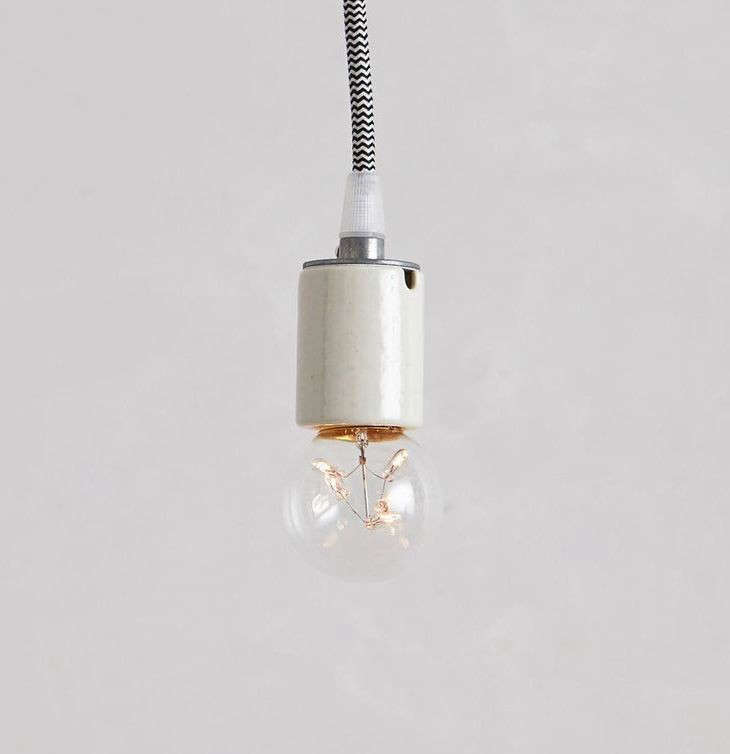
A small starry sky bulb is one of those tiny home gadgets that looks almost suspiciously simple until you turn it on. One minute, your ceiling is just a ceiling. The next, it is pretending to be a miniature galaxy with glowing stars, soft colors, and enough atmosphere to make your bedroom feel like a calm little planetarium. Not bad for something that may fit in your hand.
Unlike a standard light bulb that simply brightens a room, a small starry sky bulb is designed to create an effect. It projects star patterns, galaxy-like colors, moon shapes, or rotating light designs onto walls and ceilings. Some versions screw into a lamp socket, while others are compact LED projector bulbs or night-light-style devices powered by USB or a wall plug. The goal is not to light up your room like a grocery store aisle. The goal is mood, comfort, decoration, and a little “wow” without needing a telescope, a backyard, or permission from NASA.
As LED lighting has become more efficient, affordable, and flexible, decorative bulbs have moved far beyond basic white light. Today’s small starry sky bulb can be used in bedrooms, nurseries, gaming rooms, dorms, reading corners, meditation spaces, party setups, and cozy living rooms. It can help children feel more comfortable at bedtime, give adults a relaxing background glow, or turn a plain room into a space that feels intentionally designed.
What Is a Small Starry Sky Bulb?
A small starry sky bulb is a decorative LED light source that projects patterns resembling stars, constellations, nebula clouds, or a night sky. The word “bulb” can refer to several product styles: a screw-in projection bulb, a small plug-in night light, a USB-powered mini projector, or a compact lamp attachment with a domed cover. While the shapes vary, the basic idea is the same: use LED light, lenses, covers, or patterned shells to spread celestial-looking designs across a surface.
The most common versions use low-wattage LED technology. LEDs are popular because they are energy efficient, long-lasting, and capable of producing different colors without the heat and energy waste associated with older incandescent bulbs. Many starry sky bulbs include color modes such as blue, green, red, purple, warm white, or multicolor fade. Some rotate slowly, while others remain still for a calmer effect.
How It Creates the Starry Effect
The starry effect usually comes from one of three design methods. First, some bulbs shine light through a patterned cover with tiny cutouts shaped like stars, moons, or dots. Second, some use lenses to scatter light over a wider area. Third, more advanced mini projectors combine LED lights with optical components to create moving galaxies, cloud effects, or sharper star points.
In simple terms, the bulb acts like a tiny stage crew. The LED provides the light. The cover or lens creates the pattern. The ceiling becomes the screen. Your room becomes the audience. Applause is optional, though very understandable.
Why Small Starry Sky Bulbs Are So Popular
The appeal of a small starry sky bulb is easy to understand. It is affordable, compact, and instantly changes the feeling of a room. You do not need to paint walls, install ceiling fixtures, or rearrange furniture. You just turn it on and let the tiny galaxy do its job.
These bulbs are especially popular because they combine decoration with function. They can work as a night light, mood light, party light, relaxation tool, or bedtime routine accessory. For kids, a starry sky bulb can make the dark feel less intimidating. For adults, it can soften a room after a long day. For students in dorms, it can add personality to a plain space without breaking housing rules. For content creators, it can add a dreamy background without buying expensive studio lighting.
Small Size, Big Atmosphere
One of the biggest advantages is size. A small starry sky bulb does not need a dedicated table or large floor area. Many models fit into existing lamps or sit quietly on a nightstand. This makes them useful for small bedrooms, apartments, shared rooms, and travel setups.
The right bulb can make a room feel larger, softer, or more imaginative. A dark ceiling with scattered star patterns creates depth. A slow color fade can make a gaming corner feel futuristic. A warm star projection near bedtime can feel cozy without the brightness of a ceiling light.
Main Benefits of a Small Starry Sky Bulb
1. It Creates a Relaxing Bedroom Environment
Lighting has a powerful effect on mood. Bright overhead lighting can feel useful when you are cleaning, folding laundry, or searching for the other sock that definitely entered the dryer and mysteriously joined a witness protection program. But when it is time to wind down, softer lighting usually feels better.
A small starry sky bulb gives your room a gentle, atmospheric glow. It can help signal that the day is slowing down. Many people use it during reading time, meditation, stretching, journaling, or quiet evenings. For best results near bedtime, choose dimmer settings and warmer colors when available.
2. It Works as a Decorative Night Light
A starry sky bulb can be more interesting than a regular night light. Instead of a single glow near an outlet, it spreads light across the room. This can be helpful for children who dislike complete darkness, guests navigating an unfamiliar bedroom, or anyone who wants a little visibility without turning on a bright lamp.
For nurseries and children’s rooms, a starry sky effect can make bedtime feel more friendly. The key is to keep brightness low and avoid overstimulating flashing modes when sleep is the goal. A calm sky beats a ceiling disco at 9:30 p.m.
3. It Saves Energy Compared With Older Bulbs
Most small starry sky bulbs use LED technology, which is known for using less energy than traditional incandescent lighting. Since decorative lights may stay on for long periods, efficiency matters. A low-wattage LED projector or bulb can create visual impact without acting like a tiny power-hungry sun.
Energy use still depends on the specific product, wattage, brightness level, and how long you run it. If you plan to use a starry sky bulb every night, check the packaging for wattage, estimated energy cost, and expected life. The Lighting Facts label on many bulbs is especially useful because it helps compare brightness, energy use, color appearance, and estimated yearly cost.
4. It Makes Parties and Themed Rooms More Fun
A small starry sky bulb is not only for bedtime. It can also be used for birthdays, movie nights, sleepovers, holiday decorations, cozy dinner corners, or space-themed rooms. Pair it with soft music, simple snacks, and a darkened room, and suddenly your living room has “boutique event venue” energy, even if the snacks are just chips in a bowl.
For parties, rotating or multicolor modes can create a playful effect. For quiet evenings, still patterns are usually better. The trick is matching the mode to the mood. A swirling galaxy is fun during a celebration. During relaxation time, it can feel like your ceiling drank three espressos.
How to Choose the Best Small Starry Sky Bulb
Check the Type and Power Source
Before buying, decide what style you need. A screw-in starry sky bulb may fit certain lamp sockets, but it must match the correct base type and fixture rating. A USB-powered mini projector may be easier to move around. A plug-in night light may be best for hallways or children’s rooms. A rechargeable version can be convenient, but battery life varies.
Always check compatibility. A bulb that does not fit your socket is not a bulb; it is a small object that now lives sadly in a drawer.
Look at Brightness and Coverage
Brightness is usually measured in lumens, though some decorative projectors do not emphasize lumens as clearly as standard bulbs. For a bedroom or nursery, softer light is typically better. For a party room or large ceiling, you may want stronger projection and wider coverage.
Think about room size. A tiny bulb may look beautiful in a small bedroom but underwhelming in a large living room with high ceilings. If the product description mentions projection distance or coverage area, use that as a guide.
Choose Colors Carefully
Color affects how a room feels. Blue and cool white can look futuristic and dramatic, but they may feel too alerting close to bedtime for some people. Warm white, amber, soft red, and dim purple often feel calmer. Multicolor settings are fun for playrooms and parties, while single-color modes can look more elegant.
If sleep is a priority, use the dimmest comfortable setting and avoid bright blue-heavy light late at night. A starry sky bulb should help the room relax, not convince your brain it is noon on a spaceship.
Consider Rotation, Timer, and Remote Control
Extra features can make a big difference. Rotation adds movement, which is great for visual interest. A timer is excellent for bedtime because the light can shut off automatically. Remote control is convenient if the bulb is across the room. Some newer star projectors include app control, music modes, or sound features, though simple bulbs may skip these extras.
For kids, a timer is one of the most useful features. It prevents the light from staying on all night and helps create a predictable routine. For adults, remote control is the luxury of not leaving a warm blanket. Truly, civilization has peaked.
Prioritize Safety Certifications
Safety matters with any electrical product. Look for reputable sellers, clear product specifications, and recognized safety testing marks such as UL, ETL, or similar certifications when available. Avoid products with vague labeling, damaged cords, loose plugs, overheating issues, or unusually strong chemical smells.
For children’s rooms, place the bulb or projector where it cannot be pulled into bed, covered with blankets, chewed by pets, or knocked onto soft materials. Do not exceed the maximum wattage of a lamp or fixture. If the product becomes hot, flickers strangely, sparks, or smells burnt, stop using it.
Where to Use a Small Starry Sky Bulb
Bedroom
The bedroom is the natural home for a small starry sky bulb. Use it on a nightstand, in a corner lamp, or aimed at the ceiling. It works well during bedtime routines, quiet music sessions, or relaxing weekends. Keep the effect soft and avoid intense flashing modes before sleep.
Kids’ Room or Nursery
For children, starry lights can make bedtime more imaginative. They can support storytelling, space-themed learning, or a gentle transition from playtime to sleep. Parents should choose low-heat, age-appropriate products and keep cords out of reach. A model with automatic shutoff is especially helpful.
Gaming Room or Media Room
A starry sky bulb can add atmosphere behind a gaming setup or TV area. Blue, purple, and green tones often create a futuristic look. Just avoid placing the projection where it reflects directly into your eyes or competes with the screen.
Reading Corner
A star projector is not a replacement for task lighting. You still need a proper reading lamp if you are reading a book, studying, or doing detailed work. However, a small starry sky bulb can provide background ambiance while a focused lamp handles the practical lighting.
Party Space
For birthdays, sleepovers, holiday gatherings, or small celebrations, a starry sky bulb adds instant theme. Use it with music and dim room lighting for the best effect. A rotating mode can make the ceiling feel alive without needing bulky party equipment.
Small Starry Sky Bulb vs. Star Projector
People often use the terms “starry sky bulb” and “star projector” together, but there can be differences. A small starry sky bulb is usually simpler, smaller, and more affordable. It may fit into a lamp socket or use a basic dome design. A star projector is often a standalone device with stronger optics, wider coverage, more modes, and sharper effects.
If you want a simple decorative glow, a small starry sky bulb may be enough. If you want a realistic night-sky experience, adjustable projection angles, nebula effects, or educational constellation displays, a dedicated star projector may be better.
When a Small Bulb Is Better
Choose a small starry sky bulb when you want something compact, affordable, easy to use, and decorative. It is ideal for casual ambiance, kids’ rooms, dorms, and small spaces.
When a Projector Is Better
Choose a full star projector when you want stronger coverage, advanced features, sharper visuals, or a more immersive planetarium-style effect. It usually costs more but can create a bigger impact.
Common Mistakes to Avoid
Buying Only Based on Photos
Product photos can look dramatic because they are often taken in very dark rooms with ideal angles. Read specifications and customer feedback carefully. Check whether the light is bright enough for your space and whether the pattern looks clear or blurry.
Ignoring the Socket Type
If you buy a screw-in bulb, confirm the base type before purchasing. Common household bulbs may use standard bases, but decorative mini bulbs can vary. Matching the wrong base is like trying to wear shoes two sizes too small: technically related to the goal, but not useful.
Using It as the Only Light Source
A starry sky bulb is usually decorative. It may not provide enough light for reading, homework, makeup, cleaning, or safe movement in a cluttered room. Use it with proper task lighting when needed.
Leaving It On All Night Without a Timer
Some people enjoy sleeping with a small light, but too much light at night may disturb sleep quality. A timer or automatic shutoff is useful because it lets you enjoy the effect while falling asleep without keeping the room glowing until morning.
Cleaning and Maintenance Tips
A small starry sky bulb does not need complicated maintenance, but a little care helps it last longer. Keep the lens or dome clean because dust can blur the projection. Use a soft, dry cloth and avoid spraying cleaner directly onto electrical parts. If the bulb is removable, unplug the lamp or device before handling it.
Store portable bulbs away from moisture, extreme heat, and direct sunlight. Do not place fabric over the bulb to “soften” the light. That can trap heat and create a safety risk. If the projection becomes dimmer over time, check whether the lens is dusty, the battery is weak, or the LED is nearing the end of its life.
Creative Ways to Style a Small Starry Sky Bulb
Create a Cozy Space-Themed Bedroom
Pair the bulb with navy bedding, silver accents, moon wall art, or glow-in-the-dark stickers. Keep the rest of the room simple so the ceiling projection becomes the main feature. A few space-themed pillows can help without turning the room into a full intergalactic gift shop.
Build a Calm Wind-Down Routine
Use the starry sky bulb for the final 20 to 30 minutes before bed. Dim other lights, put away bright screens, and choose a calm color mode. Add gentle music, reading, or breathing exercises. Over time, the light can become a visual cue that it is time to slow down.
Upgrade Movie Night
A starry glow can make movie night feel special. Use the bulb before the movie starts or during low-key scenes, but turn it down if it distracts from the screen. Snacks are not required, but let’s be honest, they are emotionally important.
Use It for Photos and Videos
Small starry sky bulbs can create interesting backgrounds for social media photos, product shots, or video calls. Place the light behind you or aim it at a side wall for depth. Avoid aiming bright projection directly at your face unless you are intentionally auditioning to become a mysterious space wizard.
Buying Checklist for a Small Starry Sky Bulb
Before choosing one, review the essentials: power source, socket compatibility, brightness, coverage area, color modes, timer, rotation, safety certification, heat level, cord length, and return policy. For a child’s room, also check age suitability, durability, automatic shutoff, and whether small parts are secure.
For the best balance, choose a bulb that is simple enough to use daily but flexible enough for different moods. A model with dimming, several colors, and a timer usually gives better long-term value than one with only a single bright mode.
Real-Life Experiences With a Small Starry Sky Bulb
The first thing people usually notice after turning on a small starry sky bulb is how quickly the room changes. It is not a dramatic renovation. There is no paint, no contractor, no mysterious bill that arrives three weeks later. It is just light, pattern, and mood. Yet the effect can feel surprisingly personal. A plain bedroom suddenly has a soft ceiling full of stars. A child’s room feels more playful. A tired adult’s room feels less like a place to collapse and more like a place to breathe.
In a small bedroom, the experience is often strongest because the projection has less distance to travel. The ceiling fills quickly, and the walls may catch extra dots of light. One user might place the bulb in a bedside lamp and use it while listening to quiet music. Another might set a USB-powered projector on a shelf, aiming it toward the center of the ceiling. The result is similar: the room feels warmer, calmer, and a little more magical.
For children, a small starry sky bulb can become part of a bedtime ritual. Instead of simply saying, “Go to sleep,” parents can turn on the stars, read a short story, and let the room settle into a softer rhythm. Some kids enjoy naming imaginary constellations. Others pick a favorite color each night. This kind of routine can make bedtime feel less like a command and more like a transition. Of course, the best mode for sleep is usually the slow, dim, boring one. Children may vote for “rainbow spaceship party,” but bedtime democracy has limits.
Adults often use starry sky bulbs differently. A college student might use one to make a dorm room feel less sterile. A renter might use it as temporary decor that does not damage walls. Someone working from home might turn it on after closing the laptop to separate work mode from rest mode. That small shift matters. When the room changes, your brain gets a signal: the day is moving into a different chapter.
There are also practical lessons people learn quickly. Placement matters. If the bulb sits too low or too close to a wall, the projection may look crowded. If the room is too bright, the stars disappear like shy celebrities avoiding paparazzi. Darker rooms produce the best effect. White or light-colored ceilings show patterns more clearly than dark textured ceilings. Mirrors, glossy furniture, and windows can create interesting reflections, but they can also scatter the light in unpredictable ways.
Another common experience is discovering which features actually matter. At first, many people get excited about dozens of modes. After a week, they often use the same two or three: a calm warm color, a slow blue-purple blend, and maybe a rotating party mode for fun. A timer becomes more valuable than expected. Dimming becomes essential. Remote control becomes a small luxury that feels ridiculous until you are comfortable in bed and refuse to get up.
The best experience comes from treating a small starry sky bulb as atmosphere, not a miracle machine. It will not replace good sleep habits, fix a messy room, or turn a Monday into a vacation. But it can make ordinary moments feel nicer. It can make a small room feel thoughtful. It can make bedtime gentler. And sometimes, that is exactly what good home lighting should do: quietly improve the space you already have.
Conclusion
A small starry sky bulb is a simple, affordable way to add charm, comfort, and personality to a room. It combines the efficiency of LED lighting with the emotional power of atmosphere. Whether you use it as a night light, party accent, bedtime helper, dorm decoration, or relaxation tool, the best results come from choosing the right brightness, color, safety features, and placement.
Look for low-heat LED performance, clear product labeling, suitable power options, and useful controls such as dimming or automatic shutoff. Use warm and soft settings when winding down, brighter or rotating modes for parties, and proper task lighting when you actually need to see what you are doing. A small starry sky bulb may be tiny, but used well, it can make your room feel like it has a whole sky tucked inside it.