A sickle cell pain crisis can arrive with little warning and cause pain so intense that ordinary activities become impossible. Understanding common triggers, knowing what can safely be tried at home, and recognizing when emergency care is necessary can make an unpredictable condition a little more manageable.
What Is a Sickle Cell Pain Crisis?
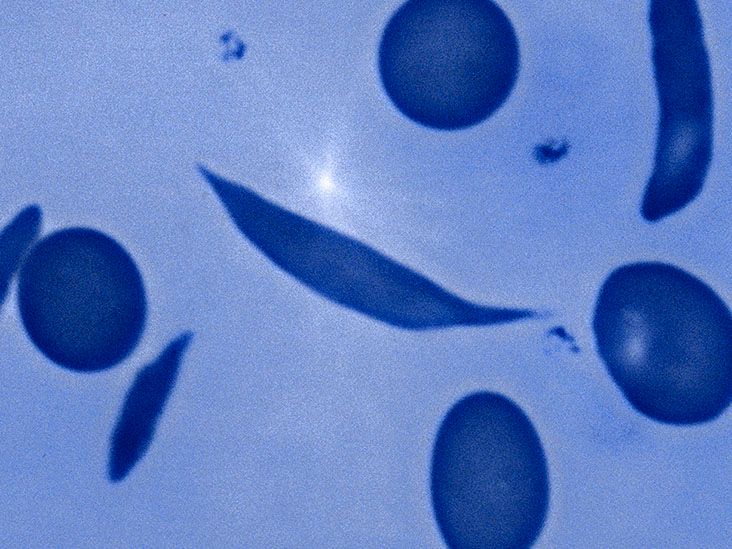
A sickle cell pain crisis, also called a vaso-occlusive crisis or vaso-occlusive episode, is one of the most common and distressing complications of sickle cell disease. It happens when rigid, sticky, sickle-shaped red blood cells interfere with blood flow through small blood vessels.
Think of it as a traffic jam inside the circulation, except the stalled traffic deprives nearby tissues of oxygen. The resulting inflammation and tissue stress can produce severe pain in the arms, legs, back, chest, abdomen, or multiple areas at once.
The pain may feel sharp, stabbing, throbbing, burning, crushing, or deep within the bones. An episode can last several hours or continue for days. Some people have occasional crises, while others experience frequent episodes or live with both acute and chronic pain.
There is no blood test that measures how much pain a person feels. Laboratory tests and imaging can help identify complications, but the patient’s description remains central to assessing pain. People living with sickle cell disease often know their typical crisis pattern better than anyone else in the room.
Common Sickle Cell Pain Crisis Triggers
Sometimes a trigger is obvious. On other occasions, a crisis seems to appear without invitation, explanation, or even the courtesy of knocking. Not every pain episode can be prevented, and having one does not mean the patient did something wrong.
Dehydration
Not drinking enough fluid can make the blood more concentrated and may encourage red blood cells to sickle. Dehydration can develop during hot weather, exercise, fever, vomiting, diarrhea, air travel, or any situation in which fluid losses exceed intake.
Infections and Fever
Viral and bacterial illnesses place additional stress on the body. Because sickle cell disease may impair spleen function, infections can become serious quickly. Fever should never be dismissed as “just part of the crisis,” especially in a child.
Temperature Extremes
Sudden exposure to very cold or very hot conditions may trigger pain. Cold can narrow blood vessels, while excessive heat can promote dehydration. Swimming in cold water, walking outside without warm clothing, or moving rapidly between air-conditioned and outdoor environments may affect susceptible individuals.
Low-Oxygen Environments
High altitude, unpressurized aircraft, extreme physical exertion, and other low-oxygen situations may increase sickling. Travel plans involving mountain destinations should be discussed with a clinician familiar with the person’s medical history.
Stress, Poor Sleep, and Exhaustion
Emotional stress does not make the pain imaginary. Stress hormones, muscle tension, disrupted sleep, and exhaustion may contribute to a physical crisis or make pain harder to control. Major deadlines, grief, exams, family conflict, and several nights of poor sleep can all matter.
Overexertion
Movement and exercise can support overall health, but sudden or extreme exertion may lead to dehydration, low oxygen levels, or exhaustion. Gradual conditioning, rest breaks, and ready access to fluids are generally more sensible than trying to become an Olympic athlete before lunch.
Other Possible Triggers
Alcohol, smoking, pregnancy, surgery, injury, menstrual changes, asthma symptoms, and missed disease-modifying medication may increase risk in some people. Triggers vary, so keeping a private pain diary can reveal patterns that generic advice may miss.
Early Signs That a Pain Crisis May Be Starting
A crisis may begin suddenly, but some people notice warning signs such as unusual fatigue, localized aching, tingling, tightness, irritability, poor sleep, or a familiar deep sensation in the bones. Children may become unusually quiet, refuse to walk, protect a limb, or have swelling in the hands and feet.
Starting an established home pain plan early may keep mild pain from escalating. However, unusual pain should not automatically be blamed on sickle cell disease. Appendicitis, gallstones, blood clots, infections, fractures, and other medical problems can occur in someone who also has sickle cell disease.
Home Remedies and Self-Care for a Mild Pain Crisis
Home care is appropriate only when symptoms resemble a familiar, mild-to-moderate episode and there are no emergency warning signs. A written plan from the person’s sickle cell team should explain which medicines to take, how often to reassess pain, and when to seek help.
1. Begin Prescribed Pain Medicine Early
Use the medication and dose listed in the individualized plan. Depending on age, medical history, kidney function, and pain severity, the plan may include acetaminophen, a nonsteroidal anti-inflammatory drug such as ibuprofen, or a prescribed opioid.
NSAIDs are not safe for everyone. They may be unsuitable for people with kidney disease, stomach ulcers, bleeding risks, certain heart conditions, or pregnancy. Acetaminophen can also cause liver injury when too much is taken or when several combination products contain it. Do not improvise doses or borrow another person’s prescription.
2. Sip Fluids Regularly
Water, oral rehydration drinks, broth, or other nonalcoholic fluids may help correct or prevent dehydration. Small, frequent amounts may be easier to tolerate than drinking a large volume at once.
Hydration supports the body, but it does not instantly flush a blood vessel blockage away. People with kidney or heart problems may need specific fluid limits, so “drink as much as humanly possible” is not a universal medical strategy.
3. Apply Gentle Warmth
A warm compress, warm bath, or carefully used heating pad may relax tense muscles and improve comfort. The heat should feel soothing, not hot enough to burn. Heating pads should not be placed directly against the skin, used during sleep, or left with a young child who cannot report overheating.
Cold packs may narrow blood vessels and can be uncomfortable for people whose crises are triggered by cold. Use them only when the care team has recommended them for a separate injury or condition.
4. Rest Without Becoming Completely Immobile
Rest reduces physical demand during a crisis. Comfortable positioning, pillows, loose clothing, and a quiet room may help. When tolerated, changing position and taking short, gentle walks can prevent stiffness. Severe chest, hip, or leg pain should be evaluated before attempting exercise.
5. Use Nonmedication Comfort Techniques
Slow breathing, guided imagery, meditation, massage, music, movies, games, virtual reality, and conversation can reduce distress and make pain easier to tolerate. These approaches complement medical treatment; they do not prove that pain is psychological or replace necessary pain medicine.
6. Reassess Frequently
Record when medicine was taken, the pain level, fluid intake, temperature, and any new symptoms. If pain continues to rise, becomes different from the usual pattern, or does not improve within the time specified by the pain plan, contact the sickle cell team or seek urgent care.
When a Sickle Cell Pain Crisis Is an Emergency
Do not remain at home simply because pain began as a familiar crisis. Sickle cell complications can develop quickly, and early treatment matters.
Seek immediate medical care for:
- Chest pain, coughing, wheezing, shortness of breath, or low oxygen readings
- A fever at or above the threshold given by the care team, commonly 101°F to 101.5°F
- Sudden weakness, facial drooping, confusion, trouble speaking, vision changes, or a severe unusual headache
- Extreme sleepiness, fainting, seizures, or difficulty waking
- Severe pain that does not improve with the prescribed home treatment
- Pain that feels distinctly different from previous crises
- Repeated vomiting, inability to drink, or signs of significant dehydration
- Rapidly increasing abdominal swelling or severe pain on the upper-left side
- A painful erection that persists or repeatedly returns, especially one approaching four hours
- Sudden paleness, racing heartbeat, marked weakness, or worsening shortness of breath
- Severe pain during pregnancy
Chest pain, fever, cough, and breathing difficulty can signal acute chest syndrome, a potentially life-threatening lung complication. Stroke symptoms also require an immediate 911 call. Do not drive yourself during severe pain, breathing trouble, faintness, or neurologic symptoms.
How Hospitals Treat a Sickle Cell Pain Crisis
Emergency treatment begins with a rapid assessment of pain, vital signs, oxygen level, recent medications, typical crisis pattern, and possible complications. Whenever possible, clinicians should use the patient’s individualized pain plan rather than treating every person with sickle cell disease as though they arrived from the same instruction manual.
Rapid Pain Relief
Moderate-to-severe pain often requires opioid medication. Current clinical guidance emphasizes timely treatment, generally aiming to begin analgesia within 60 minutes of emergency department arrival, followed by reassessment and additional treatment as needed.
An NSAID may be added when kidney function, bleeding risk, and other health factors allow. Selected patients with difficult-to-control pain may receive other specialist-directed treatments, such as ketamine or regional anesthesia.
Fluids and Supportive Care
Oral or intravenous fluids may be used when a patient is dehydrated or unable to drink. Fluids must be individualized because aggressive overhydration can contribute to swelling or lung complications.
Oxygen is generally used when oxygen levels are low rather than automatically given to everyone. Warmth, comfortable positioning, nausea treatment, and measures that encourage safe breathing and movement may also be included.
Testing for Complications
Blood tests, urine tests, cultures, chest imaging, or other studies may be ordered when symptoms suggest infection, acute chest syndrome, severe anemia, organ injury, or another diagnosis. A routine uncomplicated pain crisis does not always require every test in the hospital’s catalog.
Blood transfusion is not a standard treatment for every uncomplicated pain episode. It may be needed for specific complications such as severe anemia, stroke, serious acute chest syndrome, or splenic sequestration.
Preventing Future Vaso-Occlusive Crises
No prevention plan can eliminate every episode, but several strategies may reduce their frequency or severity.
Build an Individualized Pain Plan
The plan should include home medications, doses, warning signs, preferred treatment for severe pain, medication allergies, baseline laboratory information, and contact details for the hematology team. Keep a printed or electronic copy available for emergency visits and travel.
Stay Consistently Hydrated
Drink throughout the day rather than attempting a hydration marathon after symptoms begin. Extra attention may be necessary during exercise, hot weather, fever, travel, vomiting, or diarrhea.
Reduce Temperature and Altitude Exposure
Dress in layers, avoid sudden temperature changes, warm up after swimming, and plan carefully for high-altitude travel. Discuss air travel or mountain trips with a clinician when previous episodes have been linked to altitude or oxygen changes.
Prevent and Treat Infections
Recommended vaccinations, preventive antibiotics for eligible children, regular dental care, hand hygiene, and early evaluation of fever can reduce infection-related complications.
Discuss Disease-Modifying Treatment
Hydroxyurea is a first-line medicine for many people with sickle cell disease and can reduce the frequency of pain crises, acute chest syndrome, transfusions, and hospitalizations. It requires regular monitoring and individualized counseling, particularly regarding pregnancy.
L-glutamine and crizanlizumab may be considered for certain patients. Stem cell transplantation and FDA-approved gene therapies are potential options for selected people with severe disease, but they involve substantial eligibility, risk, treatment, and follow-up considerations. These are hematology decisions, not additions to a do-it-yourself medicine cabinet.
Track Patterns Without Blaming Yourself
A diary may record weather, sleep, stress, menstruation, exercise, illnesses, travel, hydration, and medication use. Patterns can guide prevention, but some episodes have no identifiable trigger. A crisis is a medical event, not a character flaw.
Practical Experiences and Lessons From Living With Pain Crises
The following is a composite perspective based on commonly reported experiences rather than one individual’s medical record.
One of the first lessons people often describe is that a pain crisis rarely respects a calendar. It may begin before an exam, halfway through a shift, during a family celebration, or at 2 a.m. when the nearest hematology clinic is closed. That unpredictability can produce anxiety even on pain-free days. Keeping medication, water, contact numbers, warm layers, and a copy of the pain plan in one accessible bag can restore a small but meaningful sense of control.
Another common experience is learning the difference between familiar pain and suspicious pain. A typical crisis may start in the lower back and spread into the legs in a recognizable pattern. Chest pressure, one-sided weakness, fever, or an unusually swollen abdomen is different. People sometimes hesitate because they fear being viewed as dramatic or worry about another exhausting emergency department visit. Experience teaches that a dangerous complication does not become safer merely because the waiting room is inconvenient.
Communication also becomes a practical skill. Instead of saying only, “I hurt,” a patient may explain, “This is my usual vaso-occlusive pain in both legs, it began four hours ago, I took the medications in my plan, and the pain increased from five to nine.” Bringing a written record of medicine names, doses, and times can reduce confusion when severe pain makes conversation difficult. A trusted family member may help communicate, but the patient should remain at the center of decisions whenever possible.
Home care experience usually reveals that small preparations matter. A filled water bottle is more useful than a hydration lecture. A warm compress that can be heated safely is better than searching for one while pain is climbing. Easy meals, a thermometer, phone chargers, comfortable clothing, and a plan for child care or transportation can turn a chaotic evening into a more organized response.
People also learn that emotional support is not decorative. Severe pain is frightening, exhausting, and isolating. A calm person who believes the patient, dims the lights, tracks medication times, and knows when to call for help can make the episode less overwhelming. Comments such as “You looked fine this morning” or “Try not to think about it” are rarely useful. Pain does not need to be visible to be real.
Recovery may continue after the sharpest pain has eased. Fatigue, stiffness, poor concentration, disrupted sleep, and emotional aftershocks can linger. Returning immediately to a full workload may trigger another setback. Gradual activity, hydration, meals, sleep, and follow-up with the care team are part of recovery, not signs of laziness.
The most valuable long-term lesson is that successful sickle cell pain management is a partnership. The patient brings lived expertise about patterns, triggers, and previous responses. Clinicians bring diagnostic tools, medicines, monitoring, and knowledge of complications. When both forms of expertise are respected, care becomes faster, safer, and more humane.
Conclusion
A sickle cell pain crisis is more than an episode of severe discomfort. It is a physical consequence of blocked blood flow that may require rapid, individualized treatment. Hydration, prescribed pain medicine, gentle warmth, rest, and relaxation techniques may support home management of a familiar mild episode, but they are not substitutes for urgent medical care when warning signs appear.
Knowing personal triggers, carrying a written pain plan, taking preventive treatment consistently, and seeking help early can reduce risk. Most importantly, pain should be believed and treated promptly. Nobody earns a medal for suffering silently, and the emergency department does not award bonus points for arriving after a complication has become harder to treat.